Newsletters


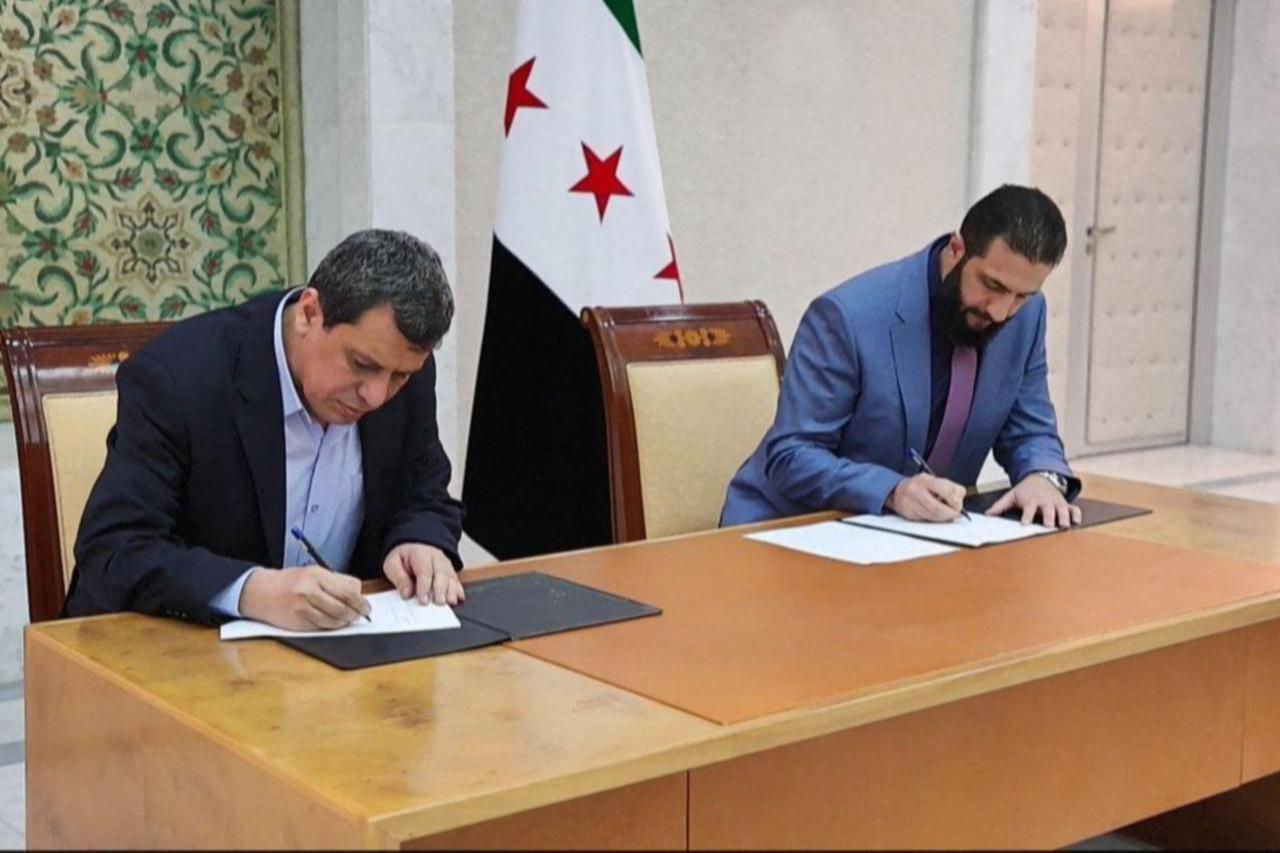


Negotiations between Syrian President Ahmed al-Sharaa and SDF ringleader Mazloum Abdi broke down in Damascus on Monday, with Abdi departing without reaching an agreement.
The collapse followed the release of Daesh prisoners from a YPG-controlled facility in Shaddadi, which prompted Syrian government forces to deploy to the northeastern city and launch security operations to recapture the escapees.
Abdi made additional demands during the talks, which al-Sharaa rejected, telling the SDF ringleader he was not in a position to make requests, according to reports. Al-Sharaa subsequently ordered Syrian army forces to advance, according to Kurdish media outlet Rudaw.
Terror group, speaking to Kurdish media, said Damascus was demanding unconditional surrender. "The Syrian government is demanding that we lay down our arms without any conditions and hand over Haseke and Kobani," the group stated.
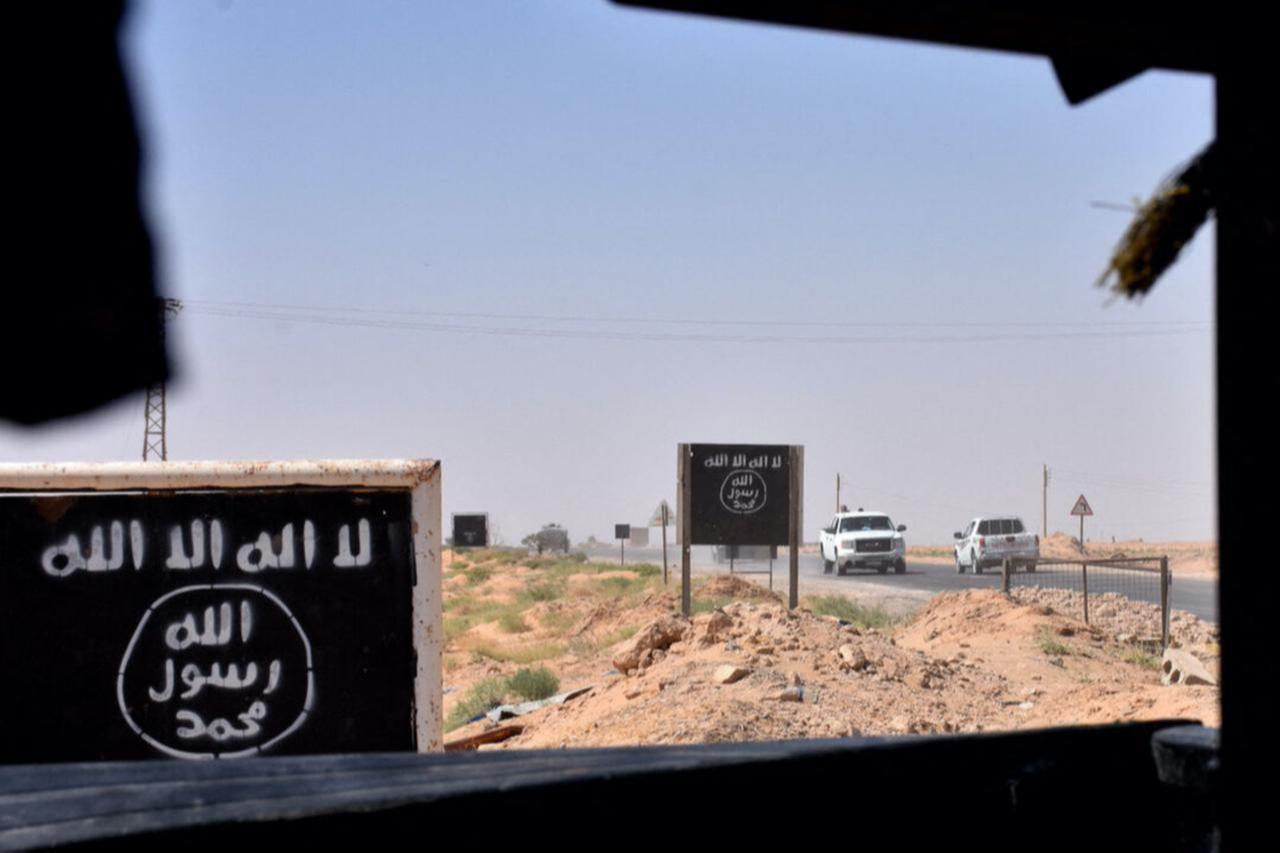

The Syrian army had announced earlier Monday that YPG terror group released Daesh members from the Shaddadi prison in Hasakah province. In a written statement, the military said it had attempted to assume control of the prison through intermediaries, but the YPG rejected the request.
"Following the YPG's release of Daesh members from Shaddadi prison, our forces began deploying to Shaddadi city in the Hasakah countryside," the army statement said.
The Syrian military said search and sweep operations were continuing in central Shaddadi and surrounding areas. The army reported that a security perimeter had been established around the prison, with ongoing operations to capture the released Daesh members. The army did not specify how many militants had escaped from the facility, though the SDF had previously stated the Shaddadi prison held thousands of militants.
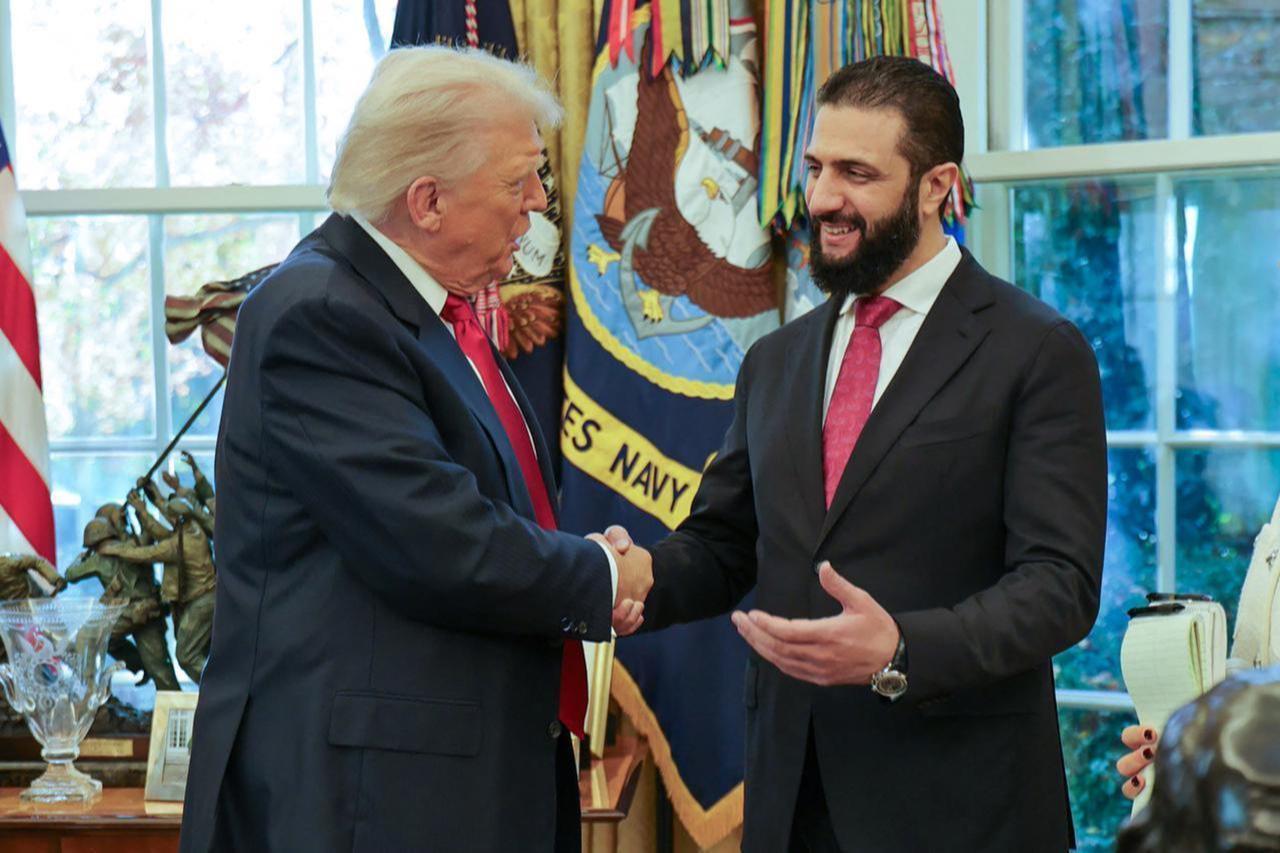
Syrian President al-Sharaa held a phone conversation with U.S. President Donald Trump on Monday, during which both leaders emphasized the importance of preserving Syria's territorial unity and independence while supporting all efforts aimed at ensuring stability.
Both sides stressed that the rights of the Kurdish people must be guaranteed and protected within the framework of the Syrian state. The two presidents decided to continue cooperation in combating the Daesh terror organization and ending its threats.
Al-Sharaa and Trump expressed their shared desire for a vision of a strong and united Syria capable of confronting regional and international challenges. During the conversation, several regional files were discussed, with emphasis on the importance of giving Syria a new opportunity to move toward a better future.
 2 min read
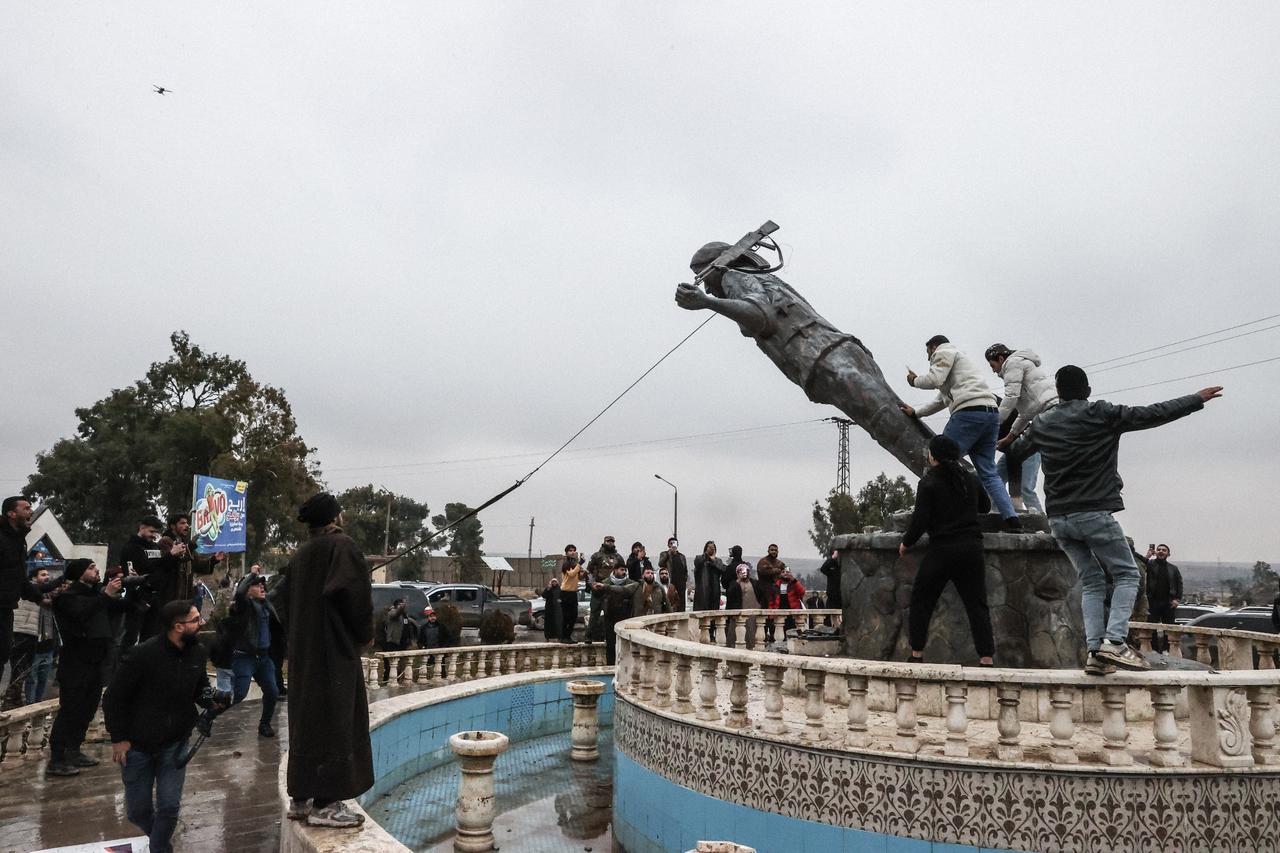
The diplomatic breakdown occurred just one day after al-Sharaa and Abdi signed a 14-point ceasefire and "full integration" agreement. Under that deal, Daesh camps under SDF control were to be transferred to Syrian government authority, and all SDF members would merge into the defense and interior ministries as "individuals" rather than as units.
The agreement had stipulated that prisons, border crossings, and oil and gas fields would transfer to government control. It also committed the SDF to expel all non-Syrian figures affiliated with the PKK, a terror group that has waged a decades-long insurgency in Türkiye and the broader region.
The withdrawals were to represent the most significant change to Syria's territorial control since fighters led by al-Sharaa toppled Bashar al-Assad in 2024.
Reuters journalists had confirmed government forces deployed in Raqqa city, which the SDF captured from Daesh in 2017, and at oil and gas facilities in Deir al-Zor following Sunday's agreement.


 Set as preferred source
 Set as preferred source


 1 min read