Newsletters


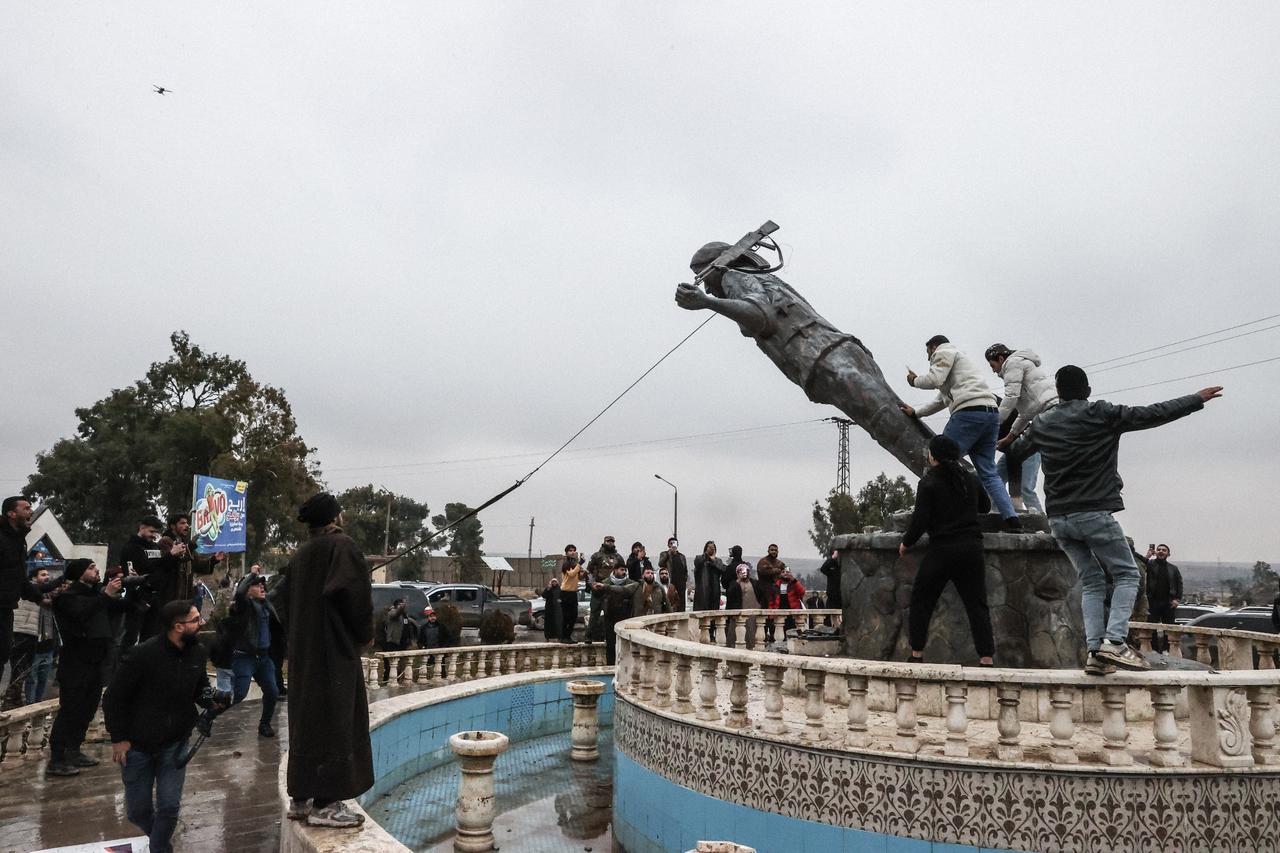


Turkish and Syrian officials on Sunday hailed Syrian President Ahmad al-Sharaa’s announcement of a comprehensive ceasefire and full integration agreement as a decisive step toward restoring state unity and eliminating terrorist threats in the region.
The agreement includes an immediate and comprehensive ceasefire across all fronts, the handover of eastern Deir ez-Zor and northeastern Raqqa provinces to full Syrian government control, and the institutional and military integration of the SDF into state structures.
The SDF is dominated by the YPG, the Syrian branch of the terrorist PKK.
"A Syria that preserves its territorial integrity and is cleared of terrorist organizations is key to regional peace," said Burhanettin Duran, Türkiye's communications director, in a social media post on Sunday.
"The implementation of the agreement's conditions will be closely monitored," he noted.
The deal follows a Syrian military operation that recaptured large areas in eastern and northeastern Syria after repeated violations by the SDF of previous government agreements signed about a year ago.
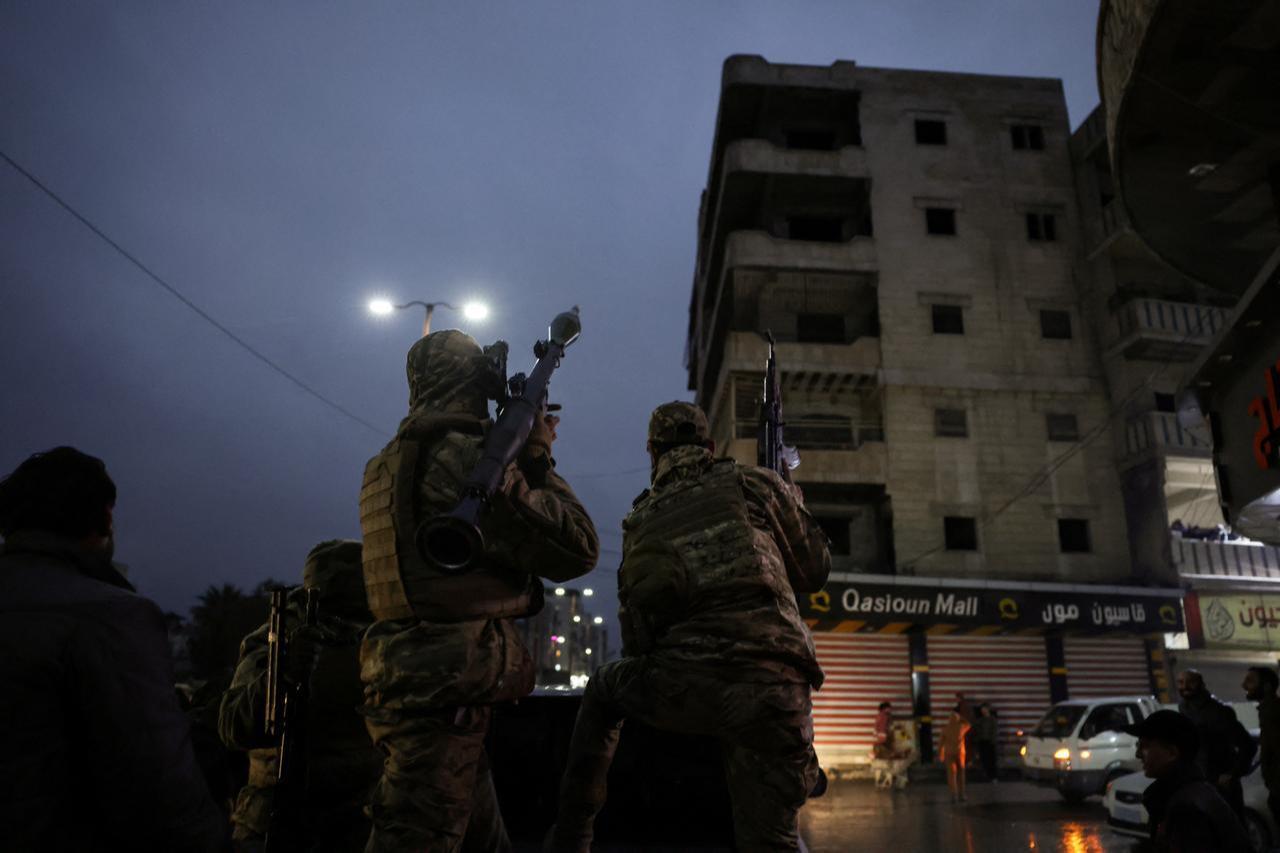

Syria's Foreign Ministry described the agreement as a "decisive milestone" opening a new phase defined by unified institutions, stabilized security and comprehensive national recovery.
"Syria's 'new republic' was founded on the principle of citizenship," the ministry statement said.
"The unity and cohesion of the Syrian people, in all their components, form the cornerstone of lasting stability," the statement noted.
The agreement reinforces state sovereignty and lays the foundation for an inclusive state. On Friday, President Sharaa issued a decree recognizing the cultural and linguistic rights of Syrian Kurds and addressing long-standing civil and legal issues, including the status of stateless residents and unresolved property disputes.
"The decree reflects a political and legal commitment to building an inclusive state that guarantees rights without discrimination," the Foreign Ministry said.
The agreement includes the state takeover of civilian institutions and facilities, the formal retention of current employees within relevant ministries, and the integration of civilian institutions in Hassakeh province into the state's administrative framework.
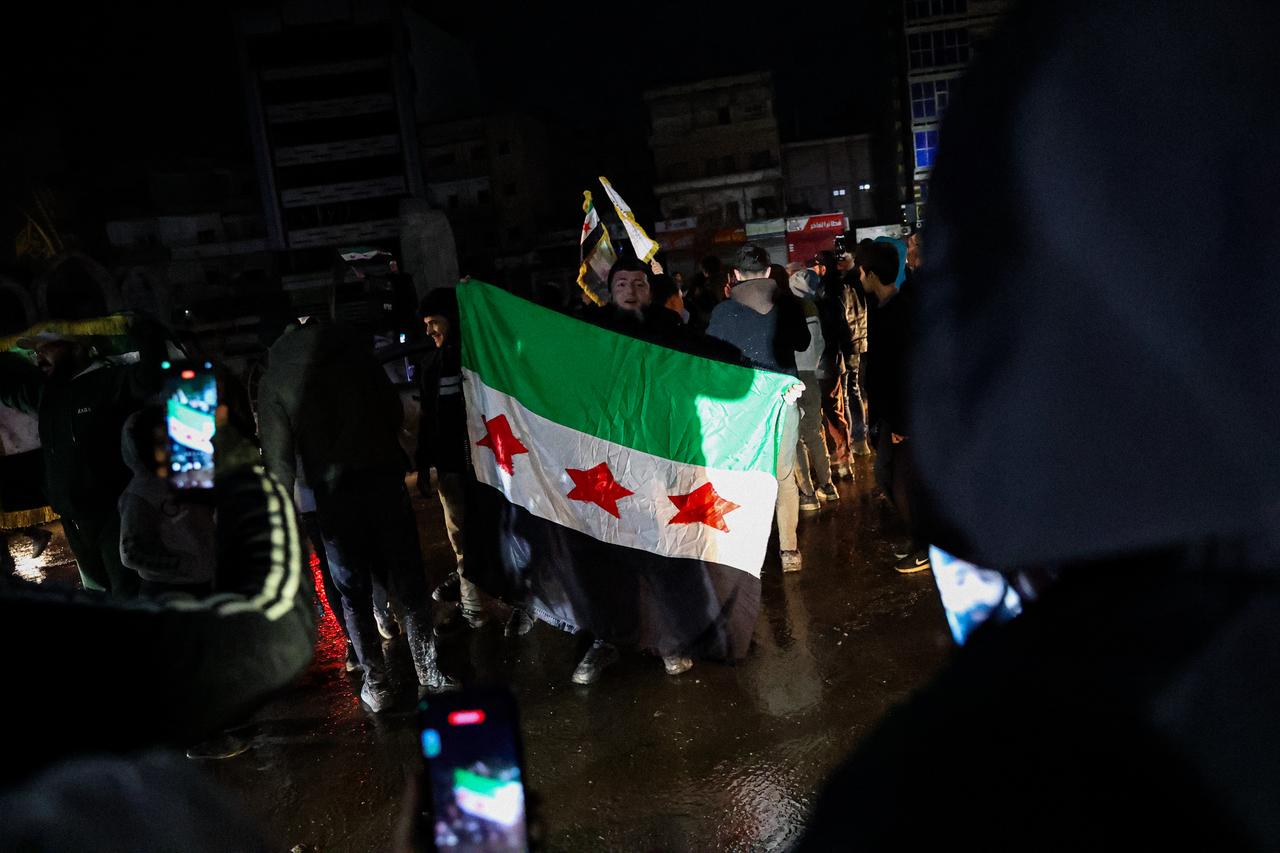
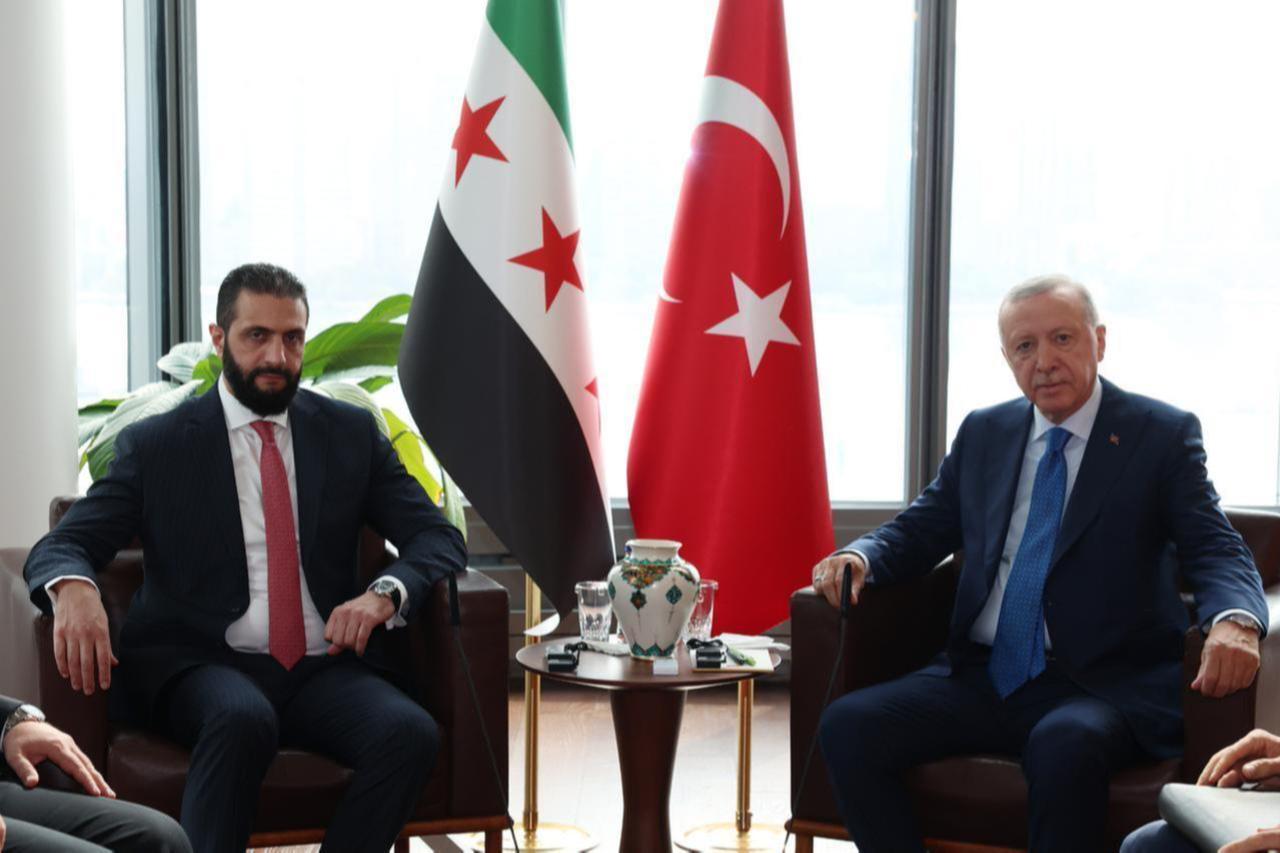
President Recep Tayyip Erdogan also called Syrian President Sharaa on Sunday to discuss the agreement and bilateral relations.
"Complete removal of terrorism from Syrian territory is necessary for both Syria and the entire region," Erdogan told Sharaa, according to Duran.
"Türkiye's support to Syria in many areas, particularly in counterterrorism, will continue to increase," the Turkish President said.
Ankara's approach combines military and diplomatic efforts, according to the Turkish official. "Türkiye is a strong actor both on the ground and at the negotiating table," the Turkish communications director said.
"Operations against terrorist groups are helping create a secure zone along Türkiye's borders, while diplomatic efforts are supporting processes shaping Syria's future," he added.
Duran emphasized that the agreement reflects longstanding Turkish principles, saying, "The developments were not coincidental but reflected principles and warnings repeatedly voiced over the years by the president."
Turkish Vice President Cevdet Yilmaz also said the agreement enables Syria to use resources productively, noting, "With the implementation of the agreement, trade, oil and other resources can be used for Syria's development rather than to fuel further turmoil."

Lasting stability in Syria depends on guaranteeing the rights of all ethnic and sectarian groups, Turkish officials said. "Lasting stability in Syria depends on guaranteeing the rights of all ethnic and sectarian groups on the basis of equal citizenship," Duran noted.
Syrian officials concurred, describing the nation's diversity as an asset. "Syria's social diversity is a source of strength rather than division," Syria's Foreign Ministry stated.
"The state is moving forward with practical steps to consolidate institutional unity and reassert state authority across the country, including with the institutional and military integration of the SDF into state structures," the Syrian Foreign Ministry said.
"These arrangements are designed to ensure security and stability, prevent institutional vacuums and affirm the state's exclusive authority to use force within the framework of law," the Syrian Foreign Ministry added.
Syria's Foreign Ministry called on the international community to support the agreement. The deal represents "a genuine opportunity to strengthen local security, promote regional stability and contribute to economic recovery and shared interests in a manner befitting the sacrifices and resilience of Syrians," the ministry said.
Both Turkish and Syrian officials emphasized that the agreement represents a critical juncture. The new political period in Syria began on Dec. 8, 2024, following a government transition.
"We hope that in the coming period the parties will stabilize the process by adhering to their commitments, and that the structures formed with external support in the absence of central authority and carried over from the previous period will come to an end," the Turkish vice president noted.


 Set as preferred source
 Set as preferred source


 1 min read

 1 min read