Newsletters


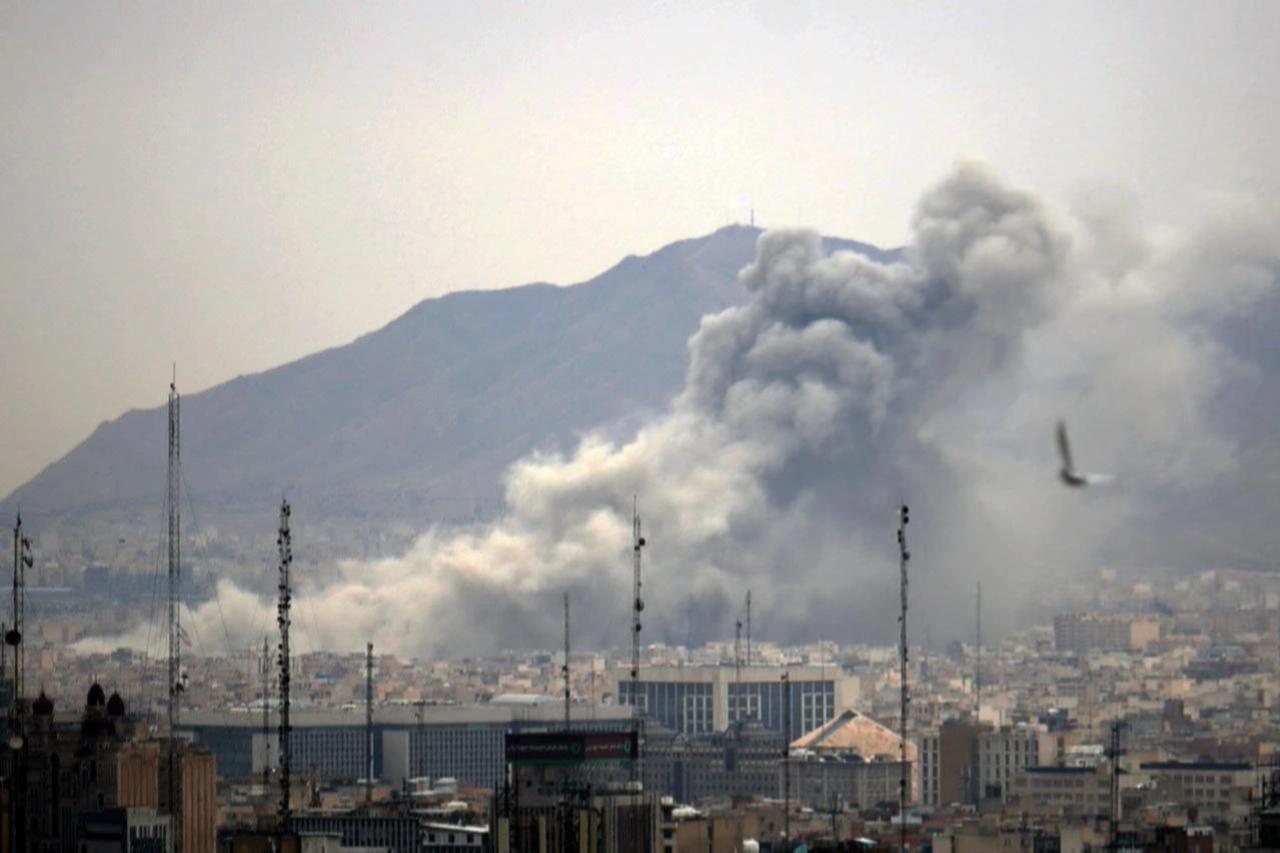


United States launched a third consecutive night of air strikes against Iran on Monday, reimposed a naval blockade on Iranian ports and threatened to destroy a deeply buried nuclear facility, even as President Donald Trump said a diplomatic settlement remained within reach.
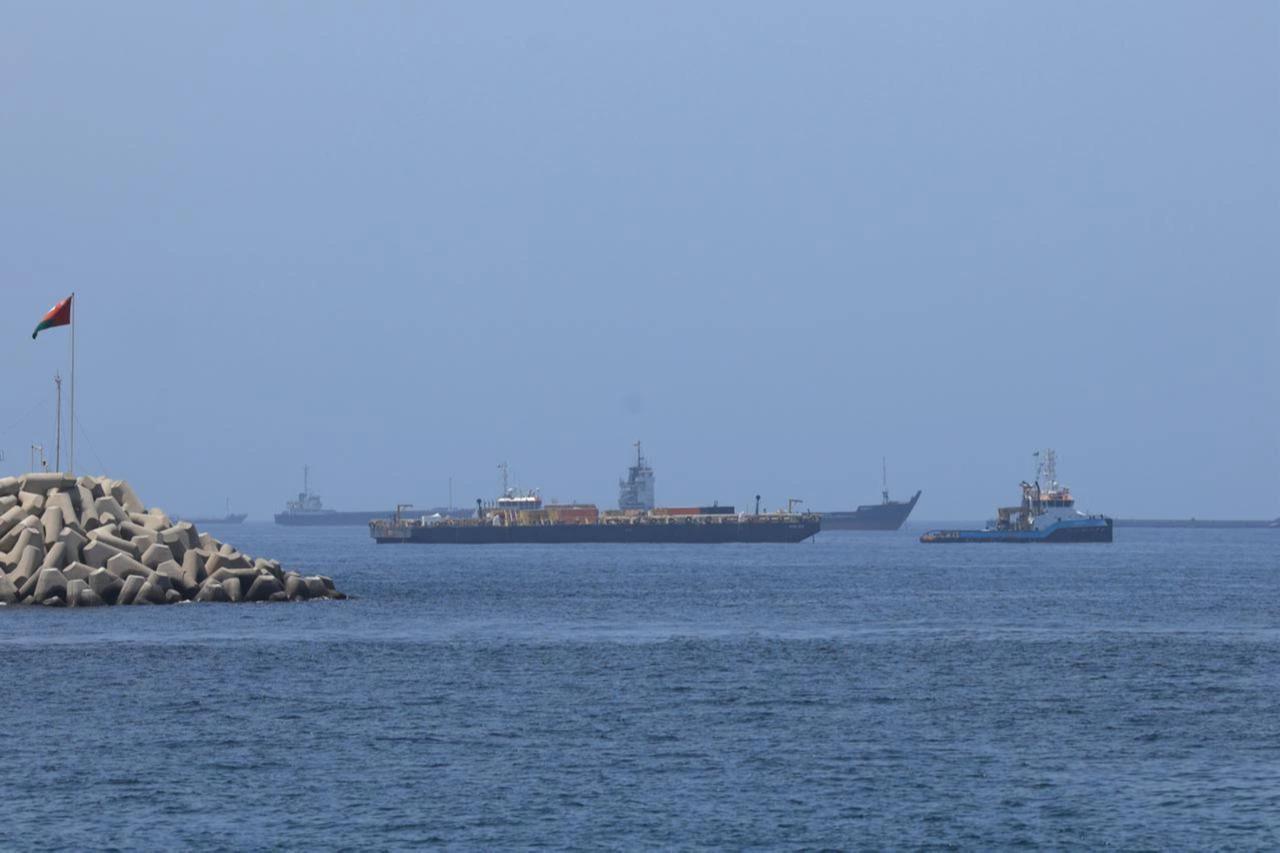
US Central Command announced the latest strikes began at 2045 GMT, vowing to continue "imposing a heavy cost on Iranian forces." The reimposed blockade, which Washington said would take effect at 2000 GMT Tuesday, comes after Iran attacked neutral-flagged commercial vessels transiting the Strait of Hormuz on July 6-7, violating a Memorandum of Understanding signed by both governments on June 17, 2026.
Oil prices surged more than nine percent as the exchange of attacks stoked fears of a broader regional conflagration.
In a post on Truth Social, Trump declared the United States would be "known as 'THE GUARDIAN OF THE HORMUZ STRAIT'" and announced a 20 percent levy on all cargo passing through the waterway.
He said all non-Iranian nations would retain "fair and open use of the strait."
Iran's Foreign Minister Abbas Araghchi wasted little time ridiculing the proposal. Writing on X, he agreed in principle that whoever guarantees safe passage should be compensated, before adding that 20 percent was excessive and that Tehran would offer a more competitive rate.
International law generally prohibits any state from charging tolls for transit through straits used for international navigation, a principle Washington has long championed.
Despite the escalating military posture, Trump told reporters at the White House that a diplomatic resolution was still possible.
"Yeah, I think a deal is possible. Sure, I do," he said, adding that an agreement had nearly been reached two days earlier before talks broke down. He separately confirmed that negotiations ran for hours on Sunday.

In a radio interview, Trump also threatened to strike Pickaxe Mountain, a heavily fortified underground facility near Natanz where Western intelligence agencies suspect Iran is developing an undeclared uranium enrichment capacity.
"Tell the Iranians to be ready. Let them know we're coming," he said, adding that Iran had no means of stopping such an attack.
The formal legal basis for renewed hostilities was set out in a White House letter to Congress dated July 10, 2026, in which Trump invoked his authority under the War Powers Resolution (Public Law 93-148). The letter stated that US forces had commenced defensive strikes on July 7 against Iranian missile launch sites, air defenses, military maritime assets and command-and-control infrastructure.
It noted that US ground troops were not involved and described the campaign as "limited, measured, planned, and executed in a manner designed to minimize civilian casualties."
Trump had ordered a two-week ceasefire on April 7, 2026. That pause was extended, and during it his administration signed the June 17 MOU with Tehran, which required Iran to use its best efforts to ensure safe commercial passage from the Persian Gulf to the Seas of Oman. Iran's renewed vessel attacks on July 6-7 triggered the American military response that has continued since.
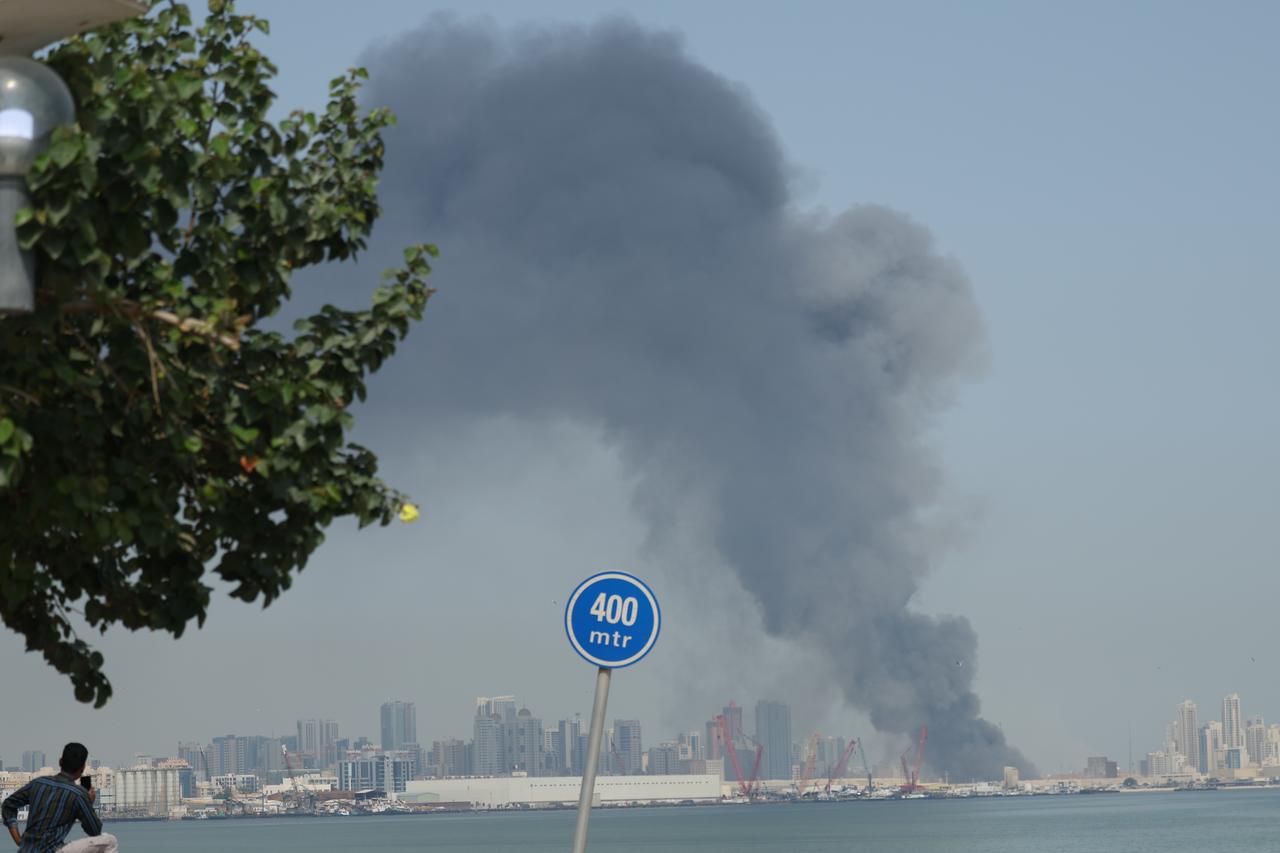
Iran's Revolutionary Guards responded to US attacks by launching strikes on US military targets and bases in Bahrain, Jordan and Kuwait, as well as Oman, according to Iranian state media. Air raid sirens sounded in Bahrain, whose military reported shooting down an unspecified number of Iranian projectiles.
Kuwait's army said its forces were intercepting "hostile aerial targets," while Jordan's military reported intercepting four Iranian missiles.
Iran's military command warned that any Gulf state that cooperated with American forces would be treated as having committed an act of war, even as Tehran publicly insisted it was targeting only US interests in the region.
Iranian state media reported fatalities from the latest US strikes, which it said struck large areas across the country's south and west.
At least four explosions were recorded east of Bandar Abbas, a port city on the Strait of Hormuz. An AFP tally based on Iranian government announcements put the death toll since hostilities resumed last Wednesday at a minimum of 25.
United Nations Secretary-General Antonio Guterres expressed "deep concern" at the escalation, condemning strikes by both sides.


 Set as preferred source
 Set as preferred source


 1 min read

 1 min read