

 Newsletters


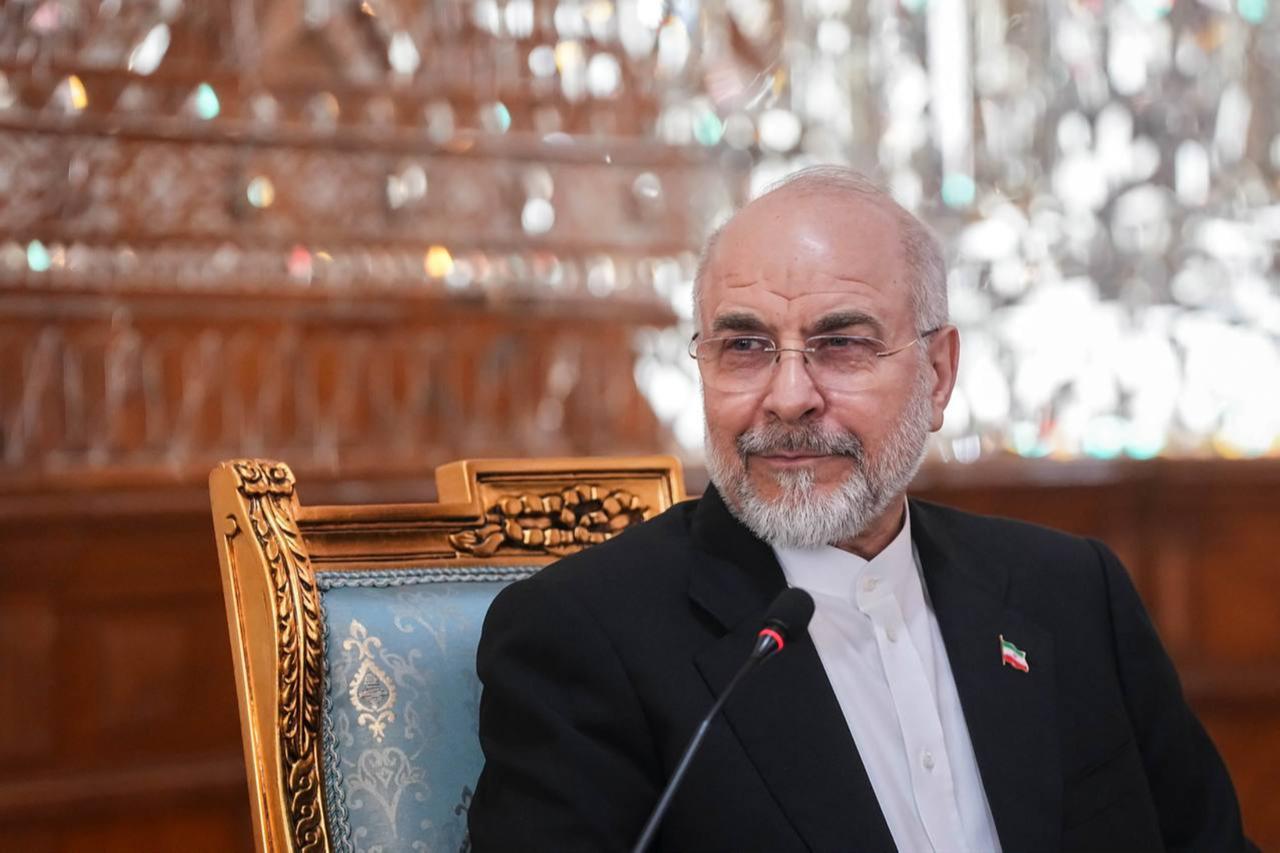


Iran's parliament speaker and chief negotiator Mohammad Bagher Ghalibaf said Tehran has delivered its final response to the United States through Qatari mediation and that Washington must meet seven conditions to reopen the Strait of Hormuz and resume negotiations.
"We have provided a clear and transparent response to the United States that includes our demands," Ghalibaf told Al Jazeera in an interview.
"The ball is now in the Americans’ court. They must make a decision and announce it," he added.
Washington has not yet provided an official or specific response to Iran’s message, he said. "Whether the Americans agree or disagree with Iran’s proposal is of no importance to us," Ghalibaf posted on Telegram, sharing his remarks from the interview.
The conditions include lifting the U.S. blockade and oil sanctions, releasing frozen Iranian assets, ending the war on all fronts, including the "resistance front," formally declaring an end to the war rather than a ceasefire, and refraining from interference in Iran’s internal affairs, Ghalibaf said.
"Contrary to Rubio’s claims, Iran’s seven conditions are completely logical and were put forward to build confidence to start negotiations," he said.
"During the ceasefire, Iran faced a naval blockade, which is itself a kind of violent war against the Iranian nation," Iran's top negotiator added.
He said the demands were part of the memorandum of understanding reached in Islamabad. "In the Islamabad memorandum, Trump accepted that attacks in Lebanon stop and that the Lebanese state’s sovereignty over its territory be recognized," he said.
Mediation reduced the proposed response period from seven days to two, he added.
"The Americans are at a crossroads between war and agreement, and we are ready for both scenarios," Ghalibaf said, adding, "If Trump decides to attack Iran again, he will be defeated again, and this time Congress will impeach him."
"If the United States or Israel starts a war, we will confront them both and respond to any attack," he said, adding that if Israel alone attacked Iran, "our response will be directed at America and the Zionist regime."
The main obstacles to a deal are "America’s excessive demands and our distrust of them," he said. "The U.S. made a miscalculation by attacking Iran; contrary to its slogans, instead of ‘America First,’ it chose ‘Israel First.’"
By order of the supreme leader, Iran seeks to end the "no war, no peace" situation, but "the way to end it is not only negotiation and agreement; we seek to create sustainable deterrence," he said.
"We will not allow the enemy to drag us into a war of attrition," the Iranian official added.

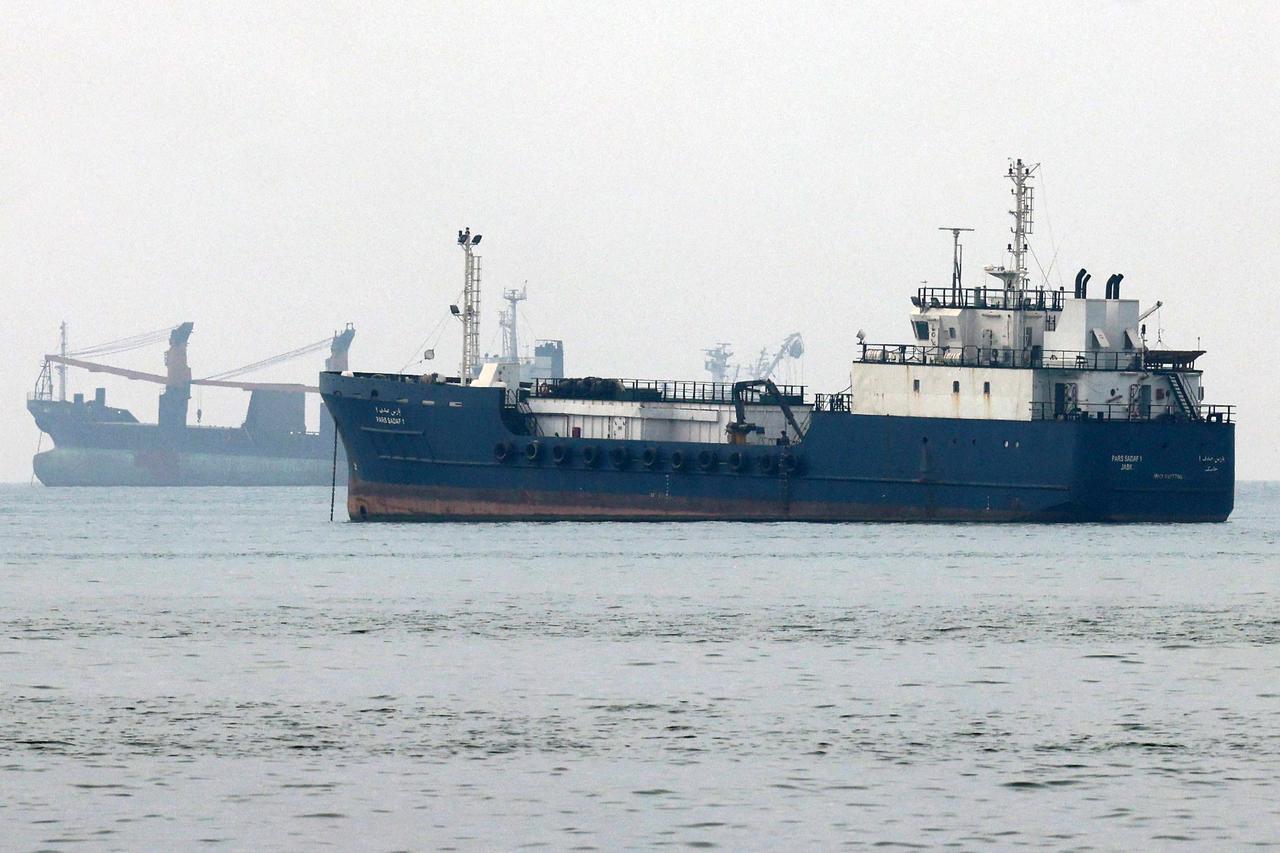
"The Strait of Hormuz will not return to its prewar conditions. Iran and Oman have reached an agreement on how ships transit the strait," Ghalibaf said, adding the arrangement is being discussed in indirect talks with Washington.
"What business does America have coming from 12,000 kilometers away to decide how ships pass through the Strait of Hormuz? If the Americans say Hormuz doesn’t affect them, let them leave the strait and go!" he added.
Ghalibaf also noted that Qatar and Pakistan are the two official mediators, with Russia and China also working to reduce tensions.
"The Americans had asked President Putin to enter direct negotiations with Iran," he said, adding that the Supreme National Security Council secretary conveyed Iran’s positions to Putin during a visit to Russia.
He denied reports of changes to Iran’s negotiating team, calling them U.S. "psychological operations." Talks are handled by a six-member team, including Foreign Minister Abbas Araghchi, under his leadership, he said.
The Wall Street Journal (WSJ) had reported that Ghalibaf was sidelined after conciliatory moves in Islamabad.
"We and Lebanon are on one front," Ghalibaf said, claiming that after an Israeli attack on Lebanon following the 40-day war, Iran for the first time struck Israel from Iranian soil in response.
He described Yemen’s Houthi movement as "the government of Yemen" and said Iran would help if Saudi Arabia and Yemen asked.
He called China a "strategic partner" and said he is responsible for the China file.
He claimed Iranian forces destroyed more than 200 enemy drones and targeted an F-35 during the 40-day war, and said Iranians have been in the streets "for more than 250 nights."
The claims could not be independently verified.
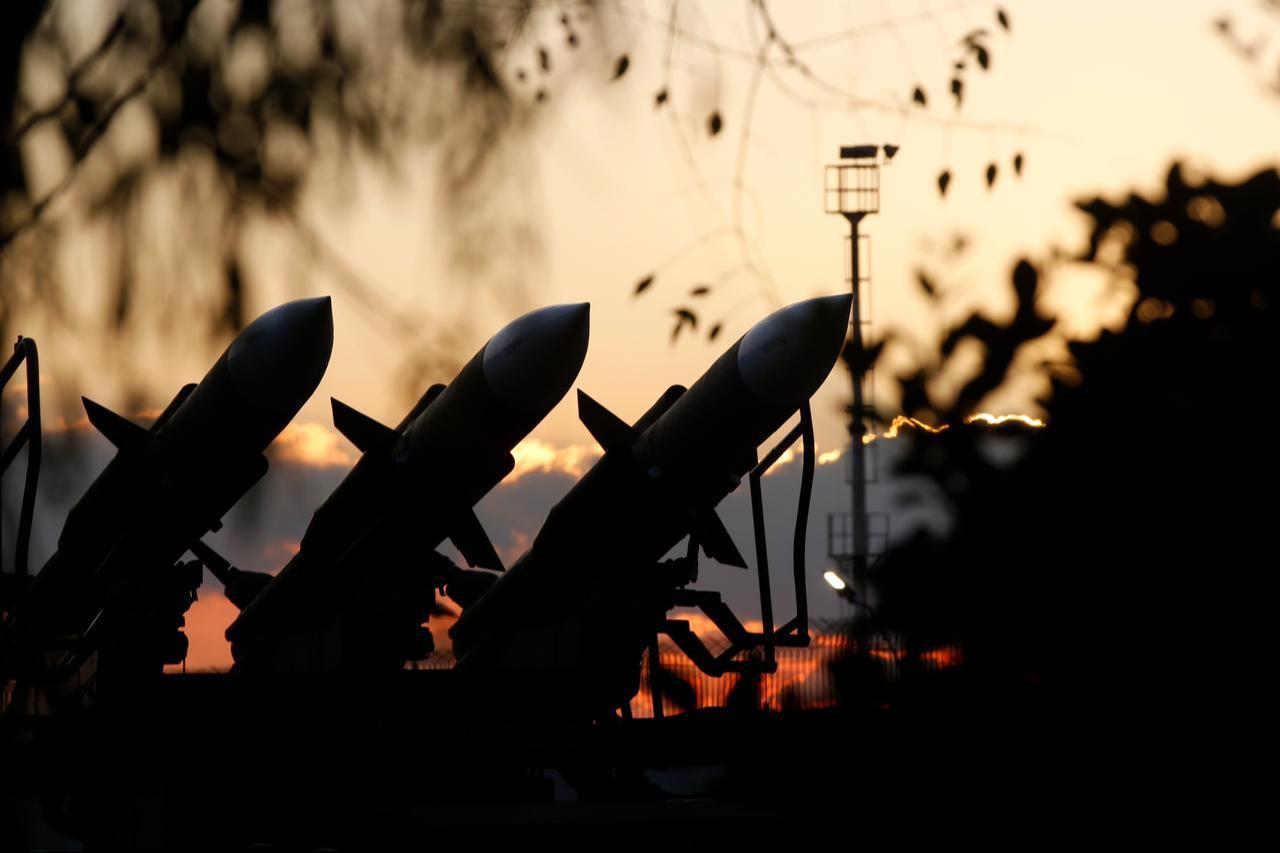
Meanwhile, Iran’s armed forces have updated their target list for any future war, with no geographical restrictions, deputy chief of staff Brig. Gen. Kioumars Heydari said, according to ISNA.
IRGC commander-in-chief Ahmad Vahidi said missile development will continue "in the heart of mountains and deep underground."
The head of Iran’s Basij said the IRGC Aerospace Force lost 650 personnel in the two wars and claimed Iranian forces targeted the Diego Garcia base during the 40-day war.
He said Trump sent an envoy to Putin days before the U.S. elections to lay the groundwork for talks, but Tehran would not negotiate until the seven conditions are met.
Iranian officials have also said Iran must retain its nuclear materials, among the seven conditions listed in earlier reports, as Tehran waits on Washington’s answer.


 Set as preferred source
 Set as preferred source


 1 min read
 1 min read


