Newsletters


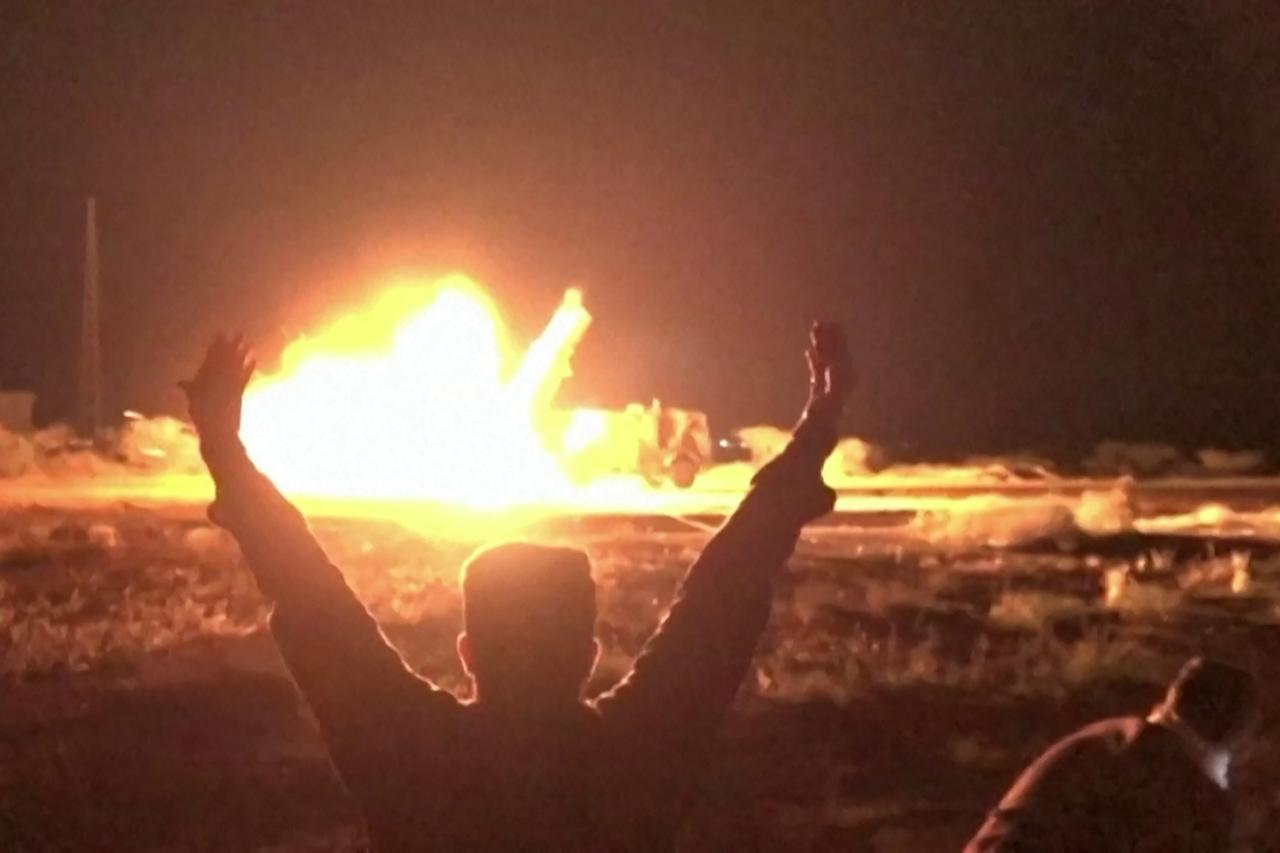


Iran warned Thursday it would target regional infrastructure if the United States carried out strikes against Iranian infrastructure, as Iran's Islamic Revolutionary Guard Corps (IRGC) separately claimed a hit on a U.S. air base in Jordan.
A spokesman for Iran's Khatam al-Anbiya Central Headquarters, identified as Col. Ebrahim Zolfaghari, said in a statement carried by Tasnim News Agency that if U.S. threats to strike Iranian infrastructure were carried out, "all infrastructure in the region" that Iran had so far spared would be "crushed under the steel blows" of Iran's armed forces "in such a way that no trace of them remains, as if they had never existed."
Zolfaghari repeated Iran's position that it would not allow the U.S., which he described as a "foreign and extra-regional country," to interfere in the Strait of Hormuz under any circumstances, calling this "Iran's unbreakable red line."
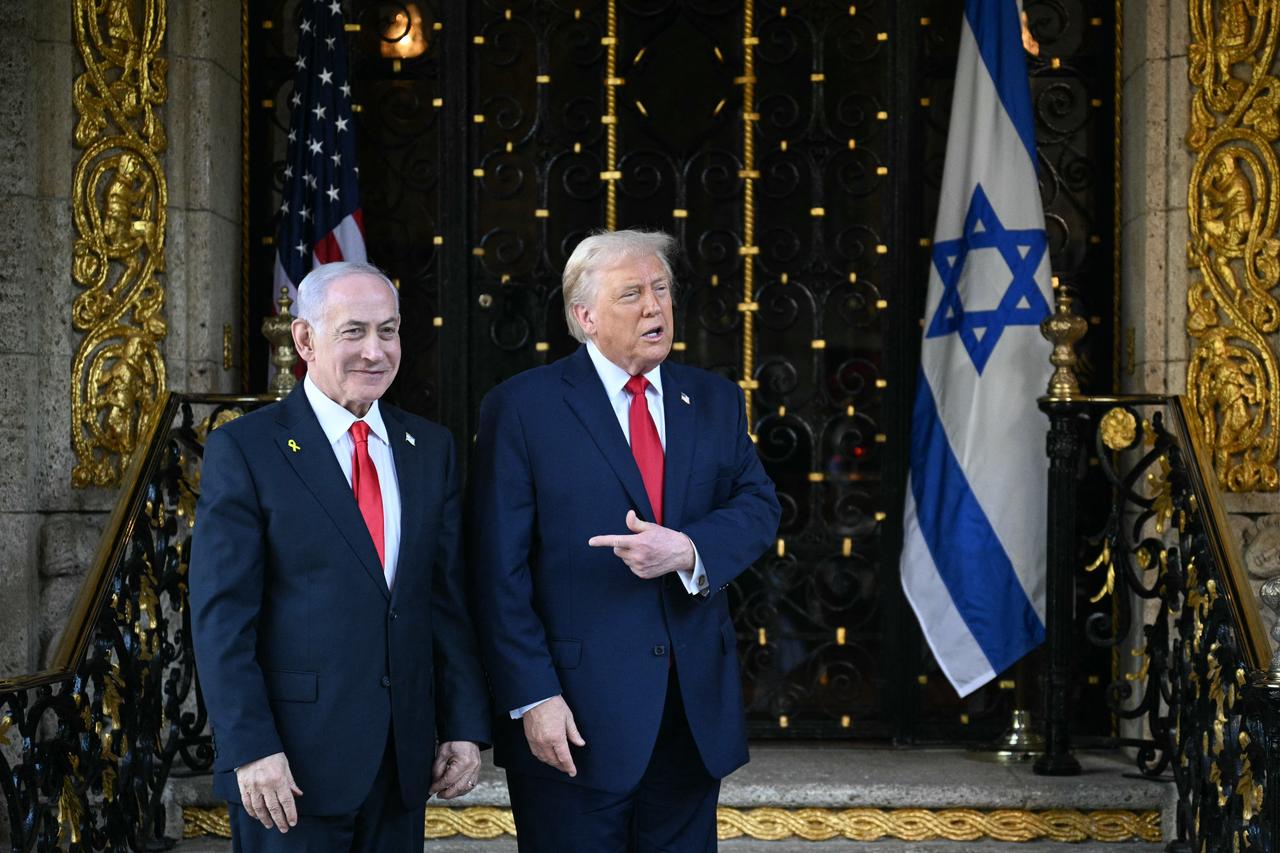
The statement followed U.S. President Donald Trump's remarks on Wednesday that the U.S. would "knock out all their power plants ... bridges, unless they get to the table and negotiate."
Iran's Revolutionary Guards said Thursday separately that they struck a U.S. air base in Jordan with ballistic missiles, in what they described as retaliation for an American strike near a children's cancer hospital in Iran.
In a statement, the IRGC said U.S. forces had "used air bases located in Jordan to target various parts of Iran, including the vicinity of a children's cancer hospital," and that its aerospace force responded by "launching two waves of missile strikes" on the bases in Jordan.
The IRGC said its naval forces struck a U.S. base at Sheikh Isa in Bahrain during what it called the tenth wave of an operation it named "Nasr 2," destroying an air-search-and-control radar and a fuel-pumping station serving fighter jets at the base. The IRGC described the attacks as retaliation for strikes on Iran's coastal bases and "civilian sites," including a children's cancer hospital and a water-production facility it said serves pilgrims traveling to Karbala, located in a border area of Ilam province.
A separate Iranian army spokesman said that if U.S. actions against Iran continued, "the war will be dragged into new arenas," according to a statement carried by Iranian media.
The spokesman said countries outside the region needed to engage with Iran on the basis of mutual respect, and that Iran's armed forces were fully prepared to protect the country's security and national interests.
He said Iran had no confrontation with neighboring and regional Islamic countries and had consistently emphasized cooperative, "brotherly" relations with them. He warned that "an important part" of Iran's military capabilities had not yet been displayed, and that any continued hostile action against Iran would be met with a response "proportionate to the circumstances and beyond the enemy's expectations."

Ali Akbar Velayati, senior adviser on international affairs to Iran's Supreme Leader, said any proposal to divide passage through the Strait of Hormuz, including routing some inbound or outbound ship traffic through waters closer to Oman's coast, would amount to "auctioning off one of the most important national assets of the Iranian people."
Speaking to Iranian media, Velayati said: "This strait belongs to Iran, and no power in the world can remove the Strait of Hormuz from Iran's sovereignty."
According to Iran's state television, Velayati said the strait had been brought under Iranian sovereignty as "a valuable achievement of the 40-day war," by what he called the "brave and wise order" of Supreme Leader Mojtaba Khamenei.


 Set as preferred source
 Set as preferred source



 2 min read