Newsletters


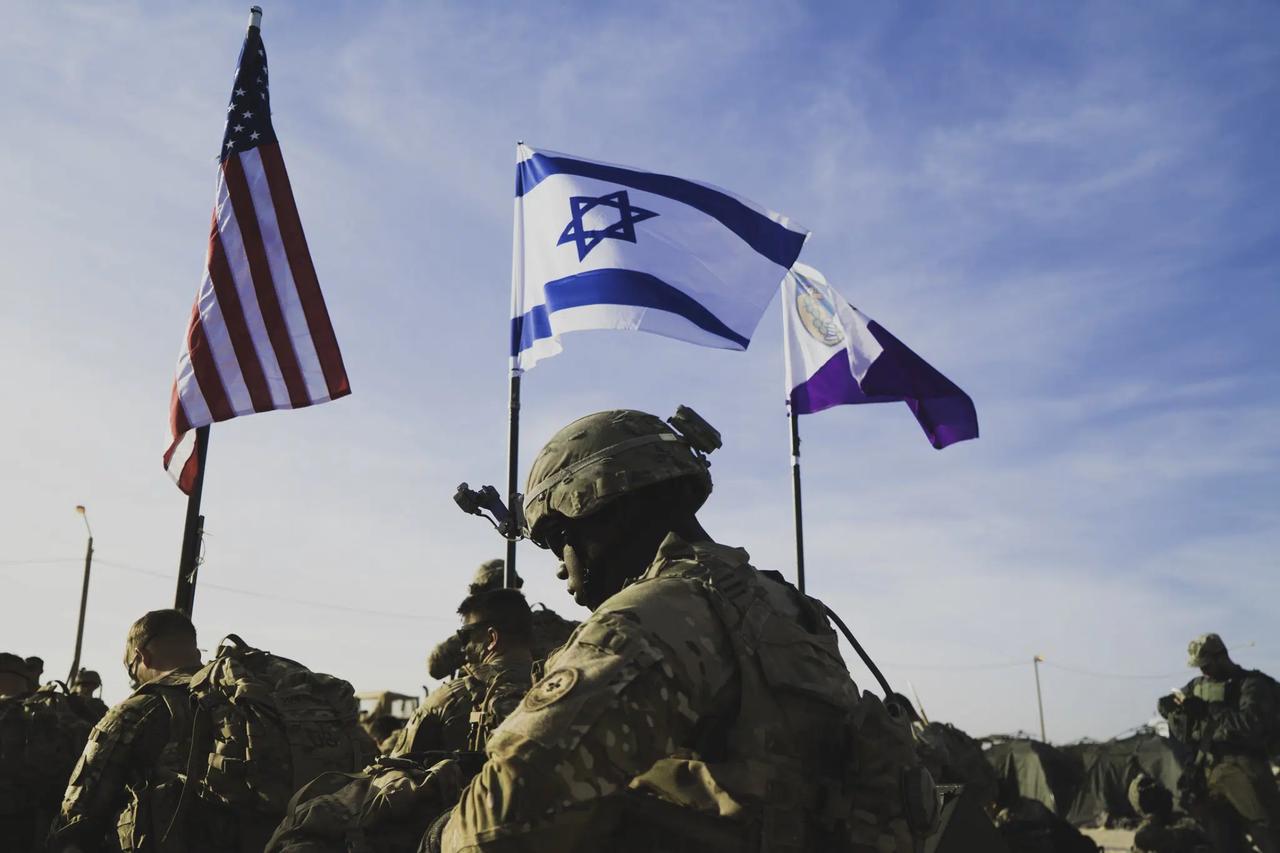


The 2027 National Defense Authorization Act landed on Capitol Hill this week with the kind of thud that a $1.15 trillion defense bill deserves.
Lawmakers and journalists dutifully filed their takes on the headline numbers—the drone appropriations, the Pacific deterrence posture, the usual arguments about whether America is spending enough or too much on its own military.
Meanwhile, tucked into the House Armed Services Committee's draft at Section 224, sits something that none of the spending figures quite capture: a 49-word title—"United States-Israel Defense Technology Cooperation Initiative." If enacted, it would represent the most consequential restructuring of the U.S.-Israel relationship since the founding of the state of Israel.
While the mainstream American press quickly moved on to the next headline, some platforms focusing on the Middle East raised the alarm. They were joined by a small, ideologically unlikely coalition of Republican and Democratic lawmakers who actually read the fine print—and didn't like what they found.
Examining Section 224 as its architects intended is the only way to understand what is actually being built—and what is being surrendered in the process.
For decades, the story of the U.S.-Israel defense cooperation was essentially a story about money. The U.S. has provided Israel with roughly $3.8 billion a year in military assistance under a 10-year deal signed during the Obama administration, running through 2028.
Since 1948, that total amounts to more than $300 billion when adjusted for inflation, making Israel the largest recipient of American foreign aid in history. Washington's rationale was simple: a small country surrounded by adversaries needs better weapons, not bigger armies. Keep the qualitative military edge, and everything else follows.
But the recent integration is not the first attempt and didn't emerge from nowhere. It began life as the 2026 United States-Israel FUTURES Act, introduced by bipartisan lawmakers to accelerate defense technology cooperation last February.
When that standalone bill failed to pass, its core provisions were absorbed into the 2027 National Defense Authorization Act (NDAA) draft, which resulted in potentially creating a deeper U.S.-Israel military ties than decades of financial aid ever did.
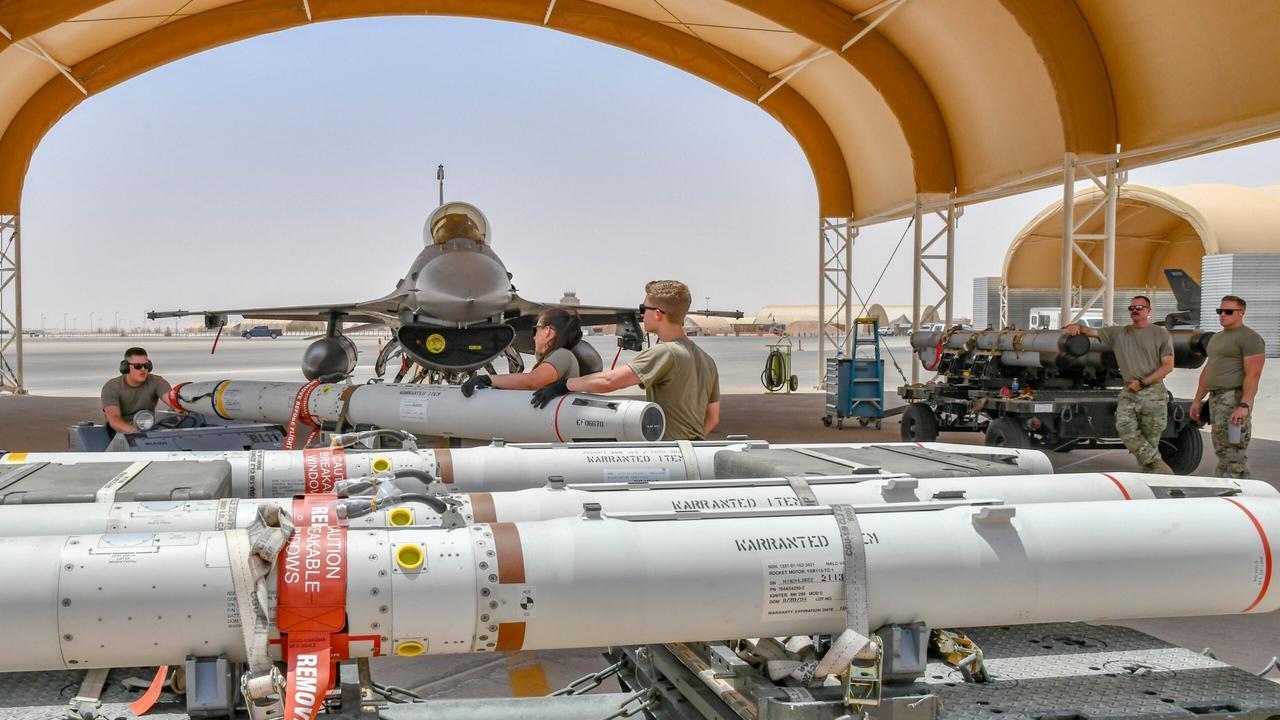
The proposal envisions joint research, development, and production across emerging military technologies, including artificial intelligence, cyberwarfare, autonomous systems, biotechnology, and advanced weapons platforms.
Then there is the part that tends to get buried beneath the more photogenic acronyms. The provision also proposes what it calls "network integration" and "data fusion," which basically means the U.S. military's data could soon be the Israeli military's data.
A shared digital nervous system for future warfare, administered by a single appointed "executive agent," one single official tasked with coordinating the entire architecture of bilateral military cooperation.
The geography of that shift is worth sitting with, as the decades of aid have been visible. However imperfectly, it shows up in annual budget votes, in congressional testimony, in the kind of public accountability that allows for democratic scrutiny. What Section 224 proposes is different in kind, not just in degree, according to Steven Simon of the Quincy Institute.

Either stand with it or be a critic of the proposal; some questions naturally follow.
If supporting the American defense industry is a major objective of the agreement, Gulf countries arguably contribute more through arms purchases. Saudi Arabia, the UAE and Qatar collectively account for some of the largest foreign military sales portfolios in the world.
Likewise, if Washington eventually seeks to replace direct aid with deeper integration, Egypt and Jordan might appear logical candidates as well. Both receive substantial U.S. assistance and have long functioned as cornerstones of American regional security architecture.
Türkiye presents an even sharper contrast. As a NATO member, Ankara already operates within an alliance built around interoperability. Turkish and American forces have spent decades training, planning and operating under common standards.
On paper, that would seem a stronger foundation for military integration than a relationship with a non-treaty ally. Though out of the region, Japan and South Korea are states that have purchased American weapons at volumes that dwarf Israeli procurement.
Yet Washington has never pursued a framework remotely similar to what is now being proposed for Israel. According to Barbara Slavin, distinguished fellow at the Stimson Center, the explanation stems from a unique convergence of threat perceptions and political relationships.
"It does suggest to me that the Trump administration is looking to continue the 'special' relationship with Israel and to deepen defense cooperation," Slavin told Türkiye Today.
She argues that recent developments have reinforced that trajectory. "The war on Iran has already strengthened those bonds and the close ties between U.S. and Israeli defense and AI companies are well known."
Slavin also views the war in Iran as one of the key factors that could change this situation. "The Iran war may change that, given how it has backfired on the U.S. and global economy but I'm not holding my breath."
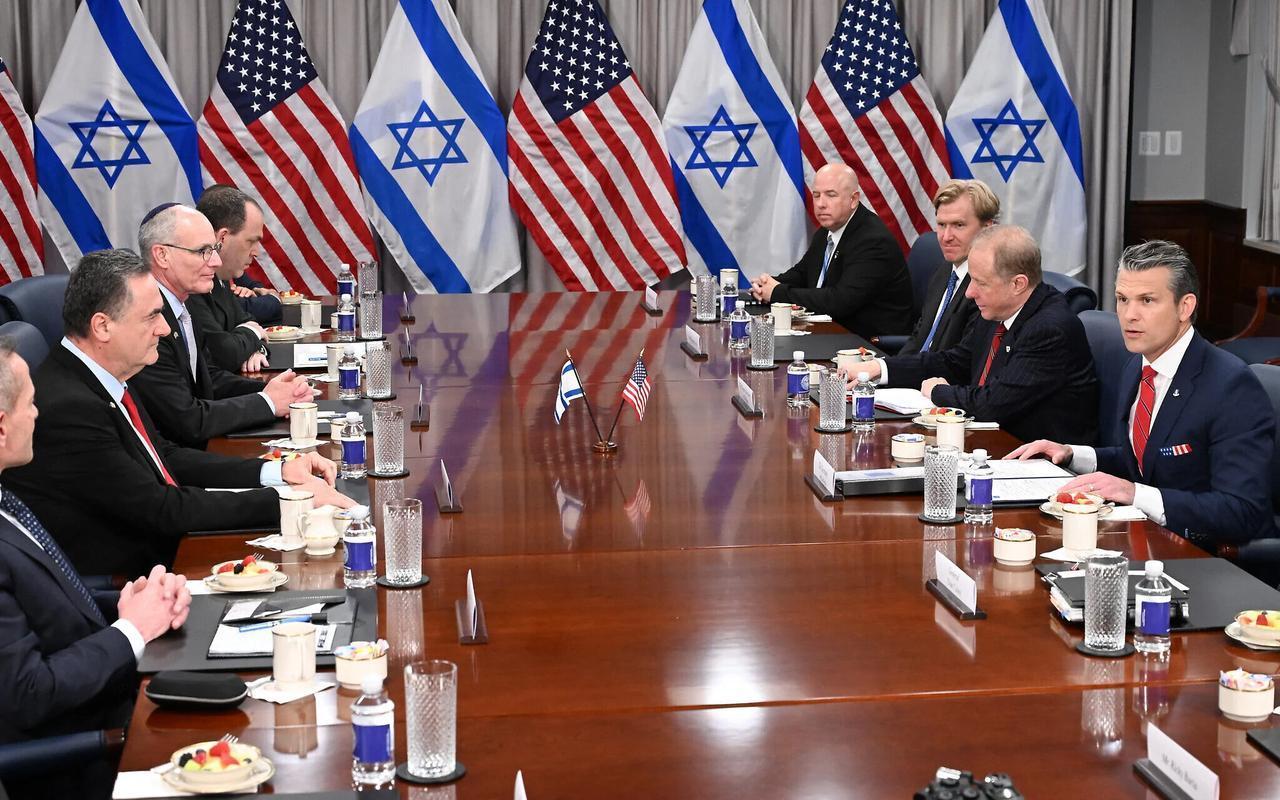
None of this is happening in a political vacuum. An Institute for Global Affairs survey released the same week detected that just 16% say the United States should keep supplying Israel with weapons without new restrictions.
Thirty-eight percent of Americans want to stop supplying weapons entirely, and another 24% want weapons conditioned on how they’re used.
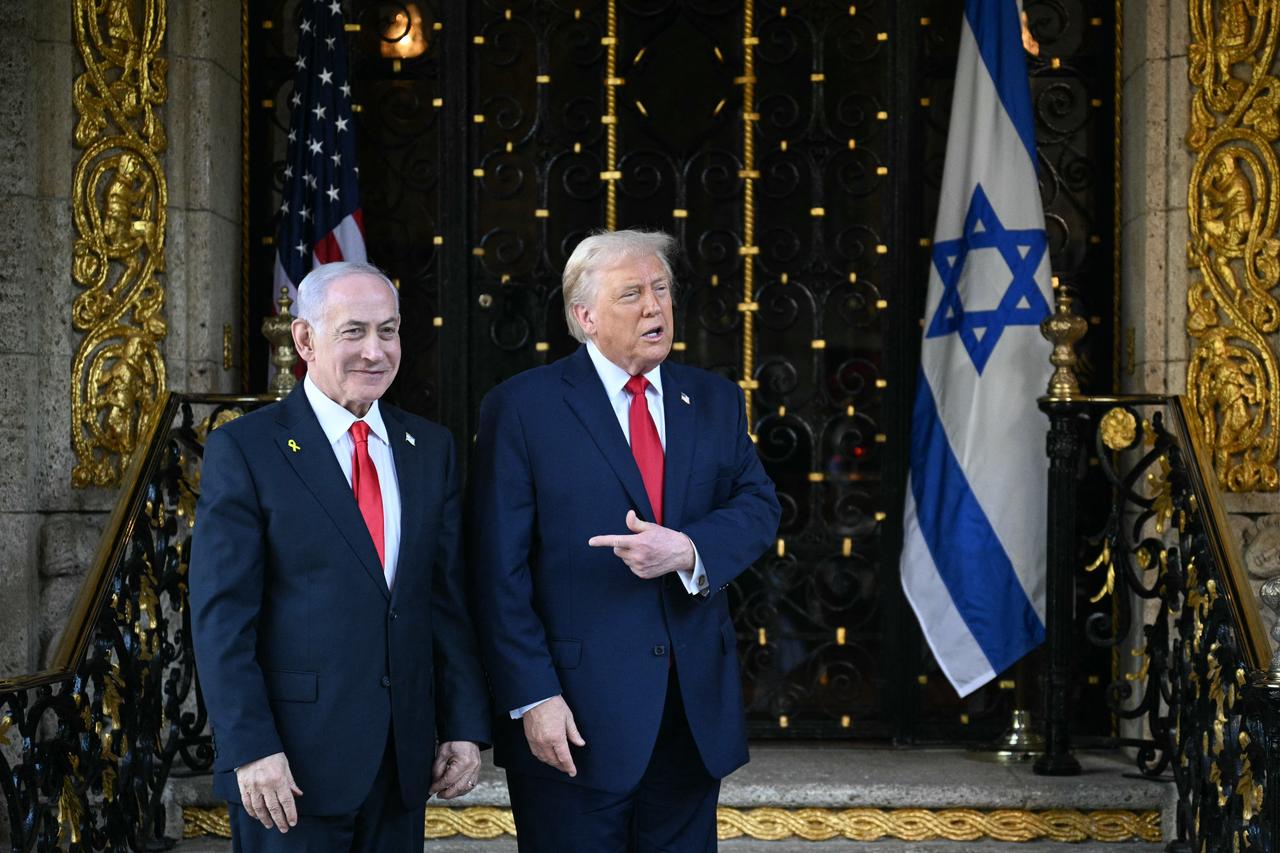
Prime Minister Benjamin Netanyahu said recently that he wants to end Israel's reliance on U.S. military aid within 10 years, saying his country had "come of age."
Section 224 is, in a sense, the American answer to that aspiration, a transition from patron-client to partner, from aid to integration. Netanyahu gets the independence narrative; Washington gets the fusion. Everyone gets what they want, which is usually when you should start looking carefully at what is being given away.
The bill still has to clear the House Armed Services Committee in early June, then pass the full House and Senate. That is not a short road but the trajectory is clear enough.
Whether that constitutes a marriage of convenience or something harder to dissolve is the question Congress is about to answer, largely out of public sight.
The wedding, in any case, appears to have already been scheduled.


 Set as preferred source
 Set as preferred source


 1 min read

 1 min read