Newsletters


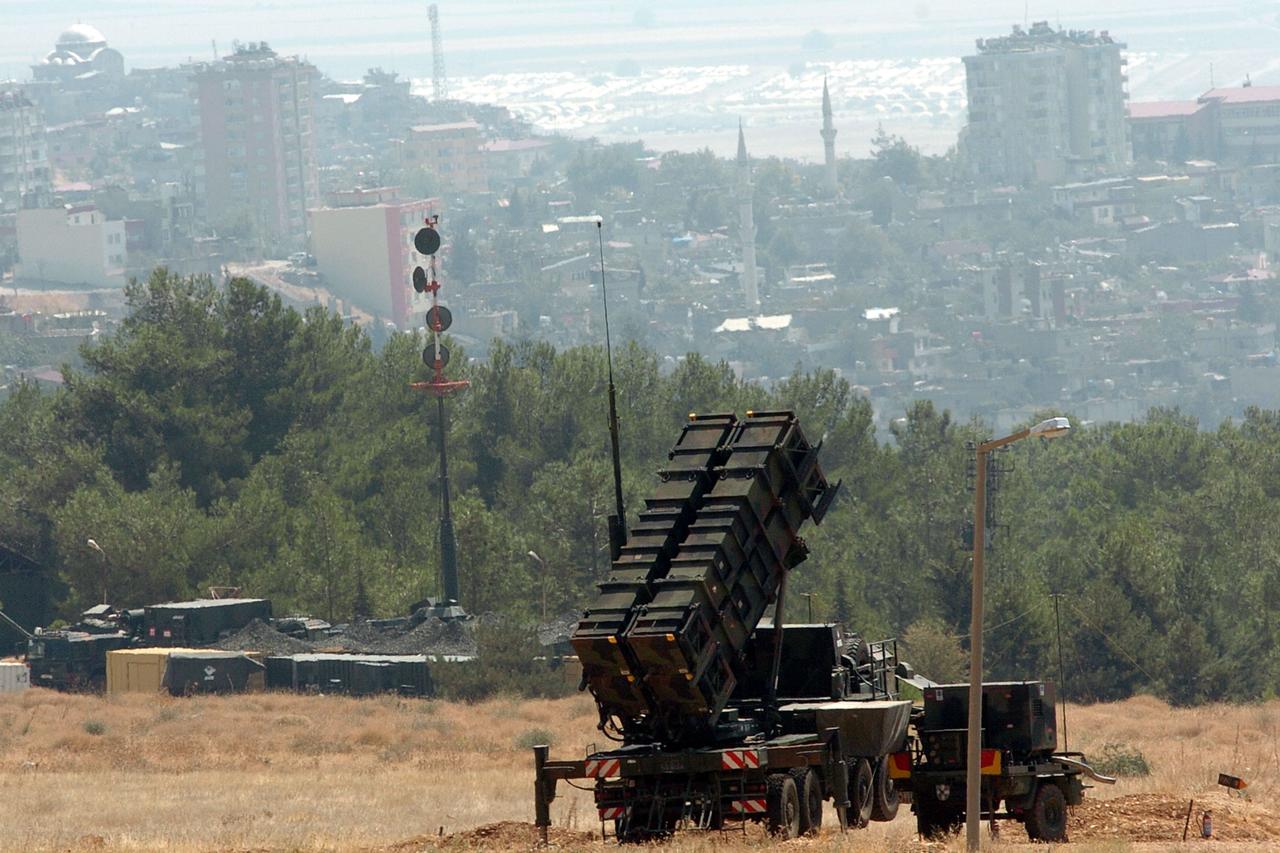


A ballistic missile launched from Iran and entering Turkish airspace was neutralized by NATO air and missile defense assets deployed in the Eastern Mediterranean, marking the third reported Iranian missile interception over Türkiye, the Ministry of National Defense stated Friday.
In a public statement, the ministry said all necessary measures were being taken "decisively and without hesitation" against any threat to the country’s territory and airspace.
"A ballistic munition launched from Iran and entering Turkish airspace was neutralized by NATO air and missile defense assets deployed in the Eastern Mediterranean," the ministry said on X.
"All necessary measures are being taken decisively and without hesitation against any threat directed at our country's territory and airspace. Consultations are being conducted with the relevant country to clarify all aspects of the incident," the statement noted.
"All developments in the region are being closely monitored and assessed with national security as the foremost priority," the statement concluded.
Meanwhile, the Embassy of Iran in Ankara denied that Tehran had fired a missile toward Türkiye following the incident.
“No ammunition has been fired from Iran toward Türkiye,” the embassy said in a press statement.
Reiterating that Iran respects the national sovereignty and territorial integrity of the Republic of Türkiye, described as a friendly and neighboring country, the statement said: “Considering the recent meeting between President of the Islamic Republic of Iran and President of the Republic of Türkiye, as well as contacts between foreign ministers of the two countries, the Islamic Republic of Iran has stated that it is ready to establish a joint technical team to examine this issue in detail in order to eliminate any uncertainty.”
The incident marks the third ballistic missile interception by NATO forces.
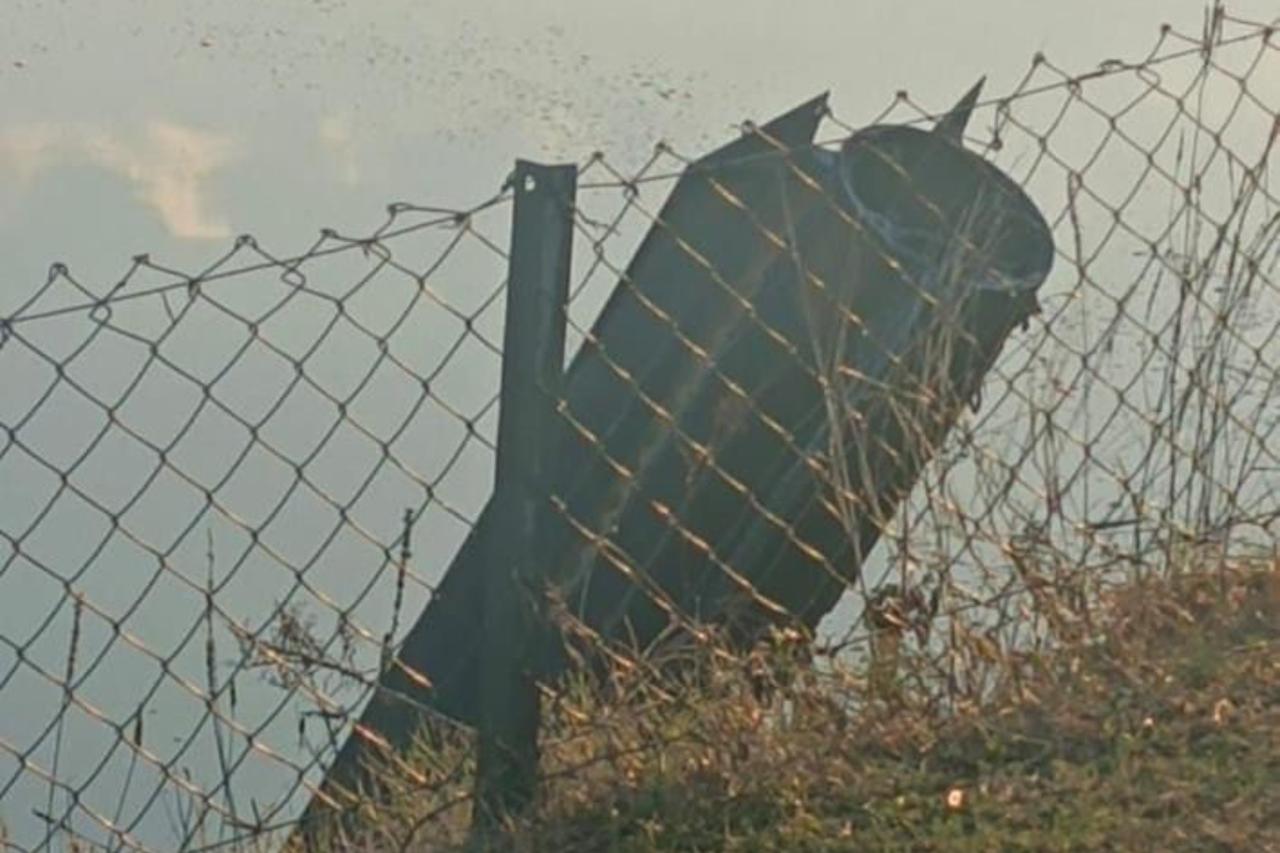
A second missile was intercepted on March 9 over Türkiye’s Gaziantep province. The defense ministry confirmed Monday that a ballistic missile fired from Iran and entering Turkish airspace was neutralized by NATO assets, with debris falling on vacant land in Gaziantep. No casualties were reported.
The first interception occurred on March 4, when an Iranian ballistic missile that crossed Iraqi and Syrian airspace was intercepted, with debris landing in Hatay province's Dortyol district.
Following the latest incident, NATO said Friday that it remains prepared to respond to threats from any direction.
In a written statement to a Turkish news agency Anadolu correspondent, the alliance said, “NATO continues to remain ready to defend against any threat from any direction.”
The statement noted that operational details could not be shared and added, “We will continue to adapt our ballistic missile defense system to evolving threats.”
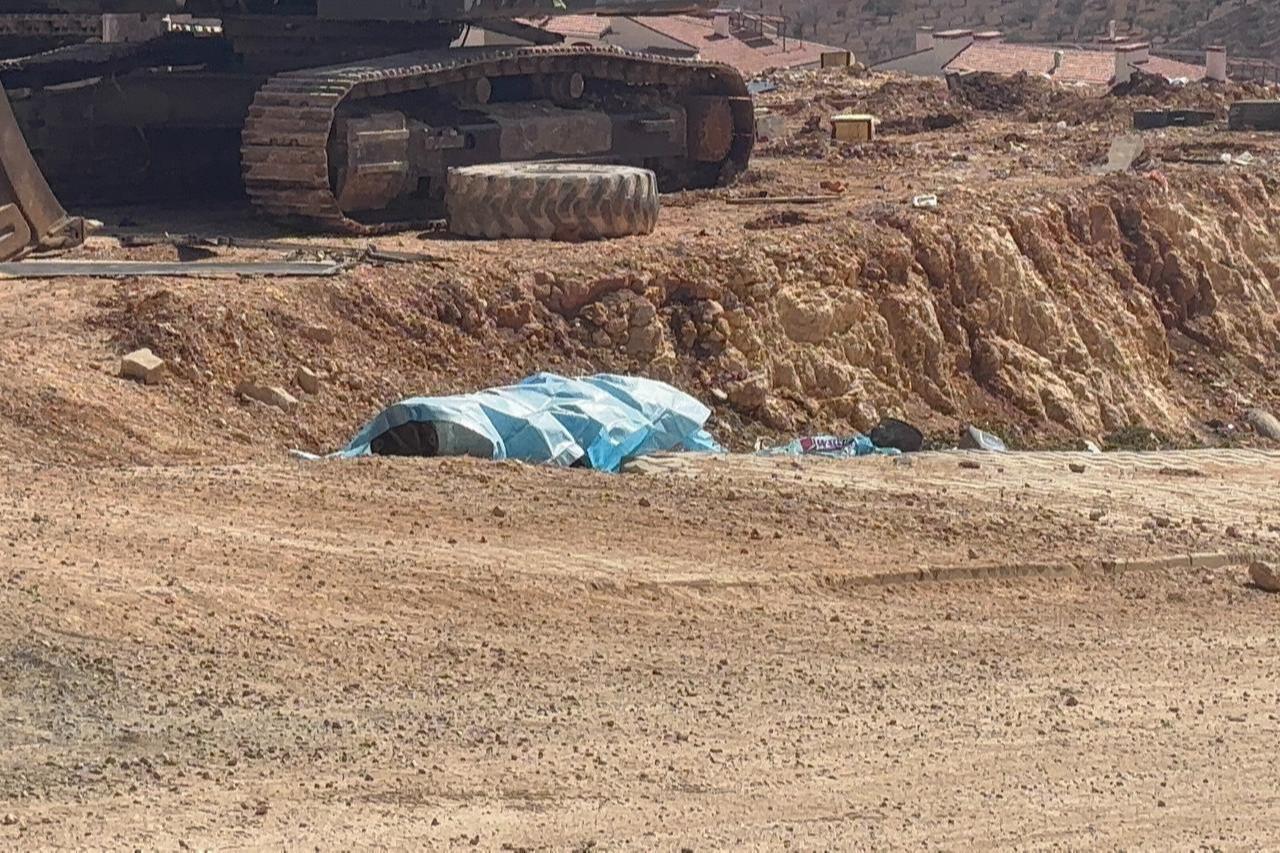

Turkish security sources stated that three missiles fired from Iran toward Türkiye followed a different pattern from attacks on other countries in the region, were intercepted by NATO air defense systems, and warned that Türkiye's restraint should not be mistaken for unlimited tolerance.
"Recent developments in our region have once again demonstrated how sensitive a point global and regional security balances have reached," sources said.
Sources noted that Iraq, the United Arab Emirates, Saudi Arabia, Bahrain, Oman, Qatar and Lebanon have come under intense attacks and have become frontlines of the conflict. However, sources said the missiles fired at Türkiye from Iran appear to follow a different pattern from attacks on those countries.
"First, there is no attack intensity as there is with other countries; second, there have been no casualties or property losses; third, all three missiles were neutralized by air defense systems," sources said.
Sources said the interception of the missiles by NATO air defense systems constituted a critical example in terms of the protection of Türkiye's airspace and the effectiveness of allied coordination.
Sources stressed that Türkiye is not a party to the war and is acting with caution to avoid being drawn into the conflict.
"Türkiye is acting with a sense of responsibility to prevent new lines of tension from forming in the region and is conveying this to all parties," sources said.
Sources said a clear message was delivered to the Iranian side demanding that those responsible for the attacks be identified immediately and that the necessary measures be taken.
"Türkiye's cautious stance should not be interpreted as unlimited tolerance; Türkiye has the necessary deterrent power to ensure its national security and will not hesitate to take retaliatory and punitive measures in the manner it determines when the time comes," sources said.
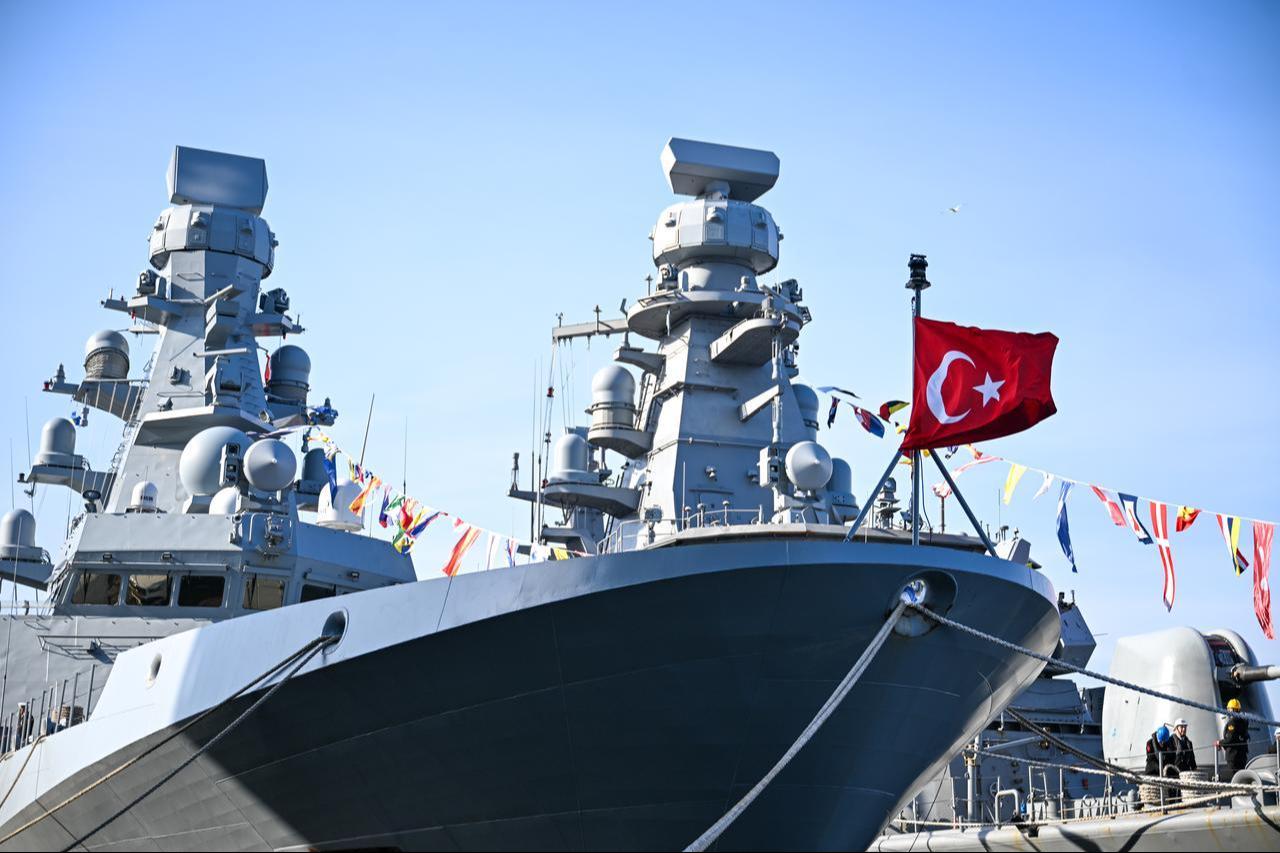
Meanwhile, Türkiye said Tuesday that a Patriot air defense system is being prepared for operational readiness in eastern Türkiye as part of efforts coordinated with NATO to help protect the country’s airspace amid ongoing regional tensions.
In a statement, the Ministry of National Defense said the Turkish Armed Forces remain “fully committed to ensuring the security of our country and our citizens” amid recent regional developments.
“In light of recent developments in our region, necessary measures are being taken to secure our borders and airspace, and we are in consultations with NATO and our Allies,” the ministry said.
It added that, alongside national security measures, the alliance has reinforced its regional defense posture.
“In addition to the national measures we have implemented, NATO has enhanced air and missile defence measures,” the statement said.
“As part of this framework, a Patriot System is currently in Malatya and is being prepared for operational readiness to support the protection of our airspace,” the ministry added.
The ministry said Türkiye would continue coordinating with the alliance on defense and security matters.
“Our country, which maintains its defence and security capacity at the highest level, will continue to assess developments in cooperation and consultation with NATO and our Allies, and strive for regional peace and stability,” the statement said.
 1 min read
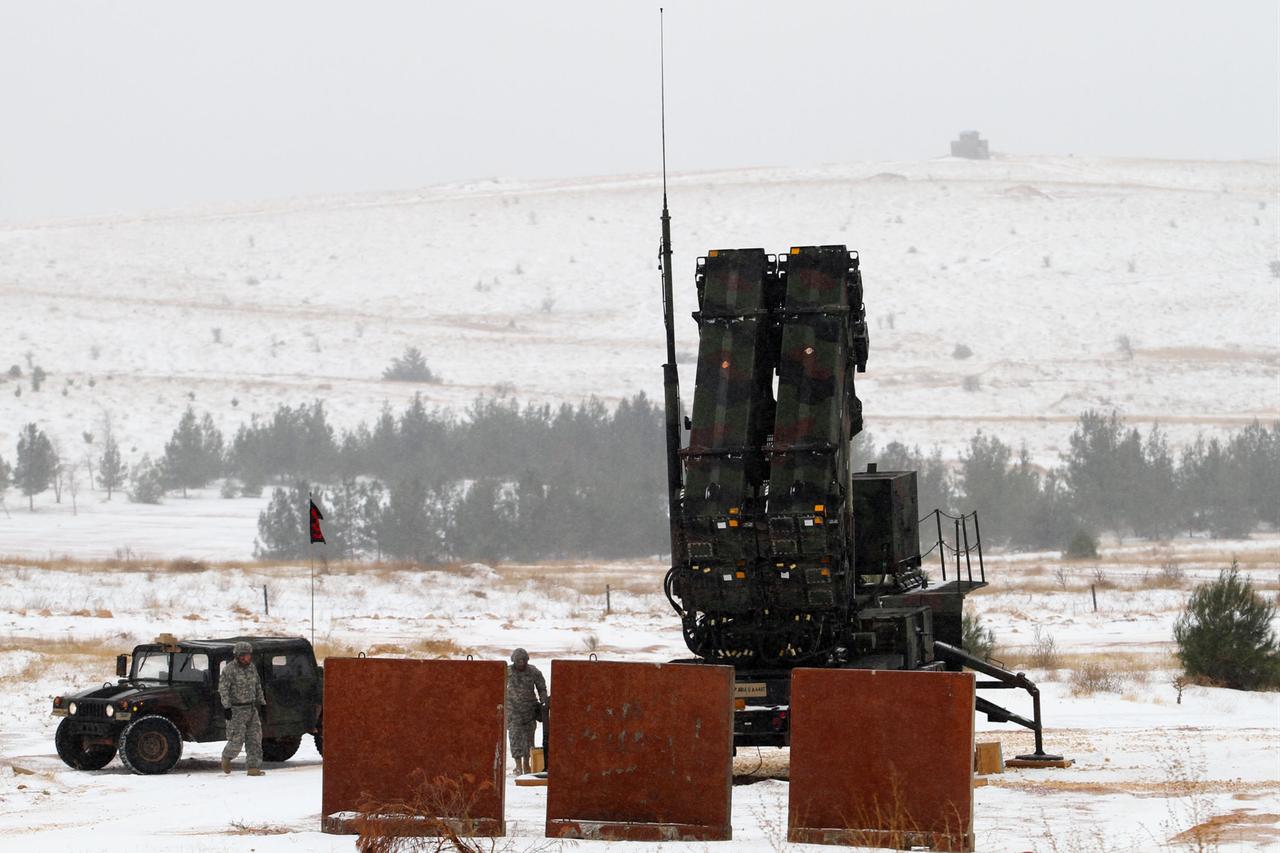
The announcement came amid rising regional tensions following ongoing U.S.-Israeli strikes on Iran.
Tensions escalated after Israel and the United States launched joint strikes on Iran on Feb. 28, which have so far killed around 1,300 people, including Supreme Leader Ali Khamenei.
Iran has retaliated with drone and missile strikes targeting Israel, Jordan, Iraq and several Gulf countries hosting U.S. military assets.
Tehran also effectively closed the Strait of Hormuz around March 1. The strategic waterway normally handles about 20 million barrels of oil shipments daily and roughly 20% of the global liquefied natural gas trade.


 Set as preferred source
 Set as preferred source



 1 min read