Newsletters


The U.S. military is sending a third aircraft carrier and about 9,000 sailors and Marines to the Middle East, a U.S. official reportedly said, giving commanders more options as U.S. President Donald Trump weighs escalating strikes on Iran after the midterm elections.
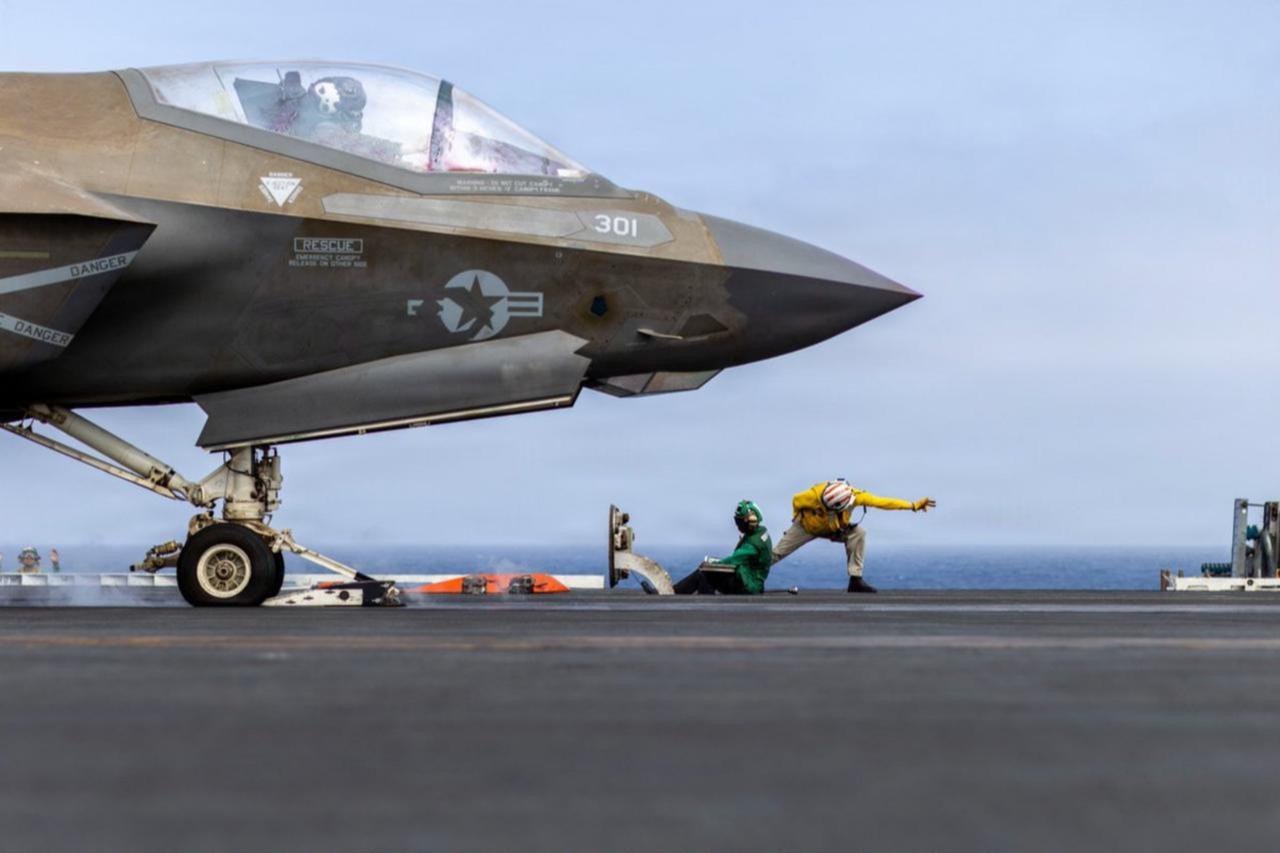
The USS Theodore Roosevelt carrier strike group left San Diego on Sunday, and the USS Makin Island amphibious ready group, carrying Marines of the 13th Marine Expeditionary Unit, set sail Monday, officials said.
The buildup comes hours after Trump rejected Iran's latest truce proposal and told TIME magazine that ramped-up bombing after the Nov. 3 midterms is "possible," with diplomacy to end the eight-month war deadlocked.
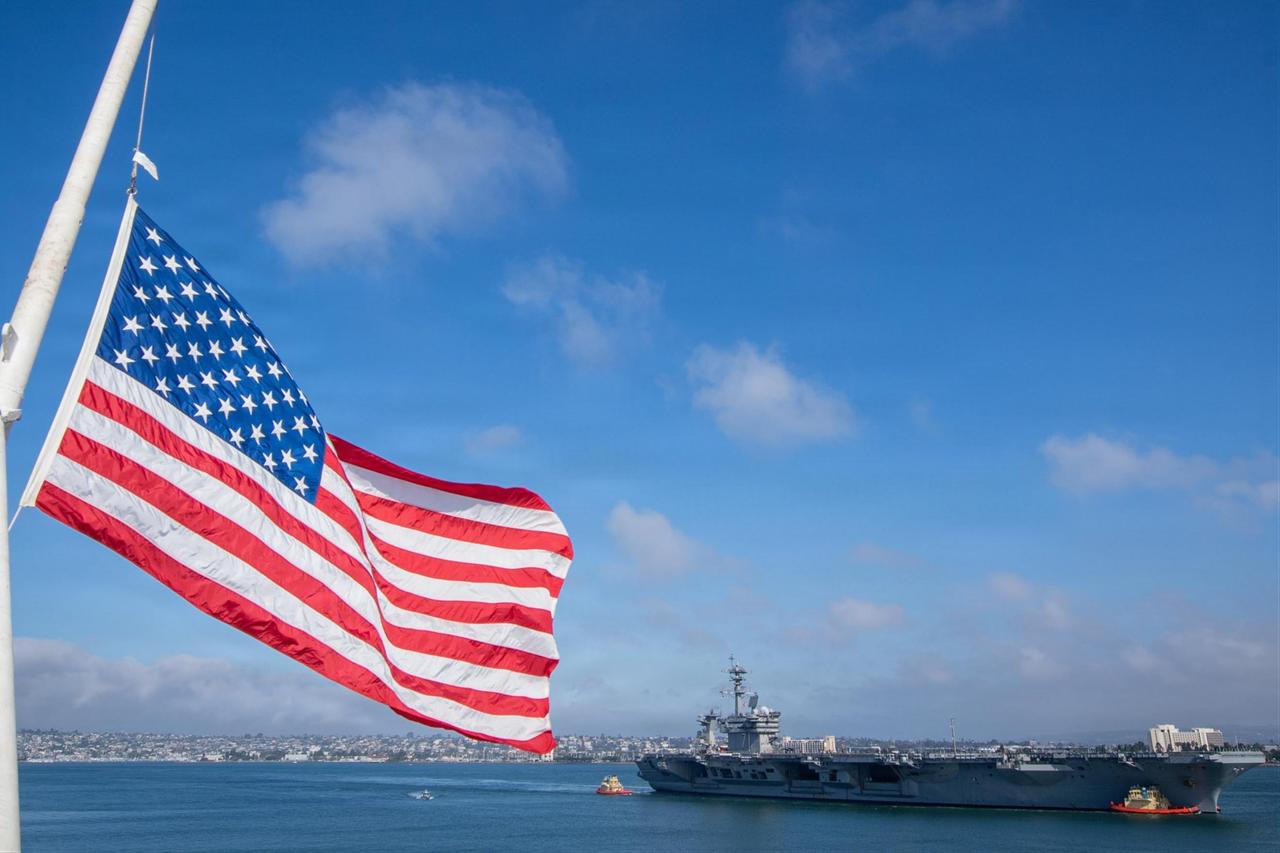

The USS George H.W. Bush and USS George Washington carriers are already in the region, along with the USS Boxer amphibious ready group, according to The Associated Press (AP).
The Roosevelt's arrival could mean three carriers in the region, a level last reached in April and, before this year, in 2003 during the invasion of Iraq.
The deployment would bring the U.S. naval presence to more than 20,000 sailors and Marines and hundreds of aircraft. More than 50,000 U.S. troops are already in the region.
A decision on keeping three carriers has not been made, a U.S. official told Bloomberg.
Washington could return to Japan once the Roosevelt arrives, The Wall Street Journal (WSJ) reported.
U.S. Central Command (CENTCOM) said: "We don't discuss unit schedules for operational security reasons."
Trump told TIME, in an interview conducted Monday, that he rejected Iran's latest ceasefire proposal because "things that I wouldn't have approved a year ago I wouldn't have today," calling the overall offer "not good enough."
"I can't tell you that because look, you know, you're asking, where are you going to bomb?" he said when pressed on his plans.
Asked whether the unpopular war could hurt Republicans in November, Trump said, "It's possible," before adding: "It should help, because Iran will not have a nuclear weapon."
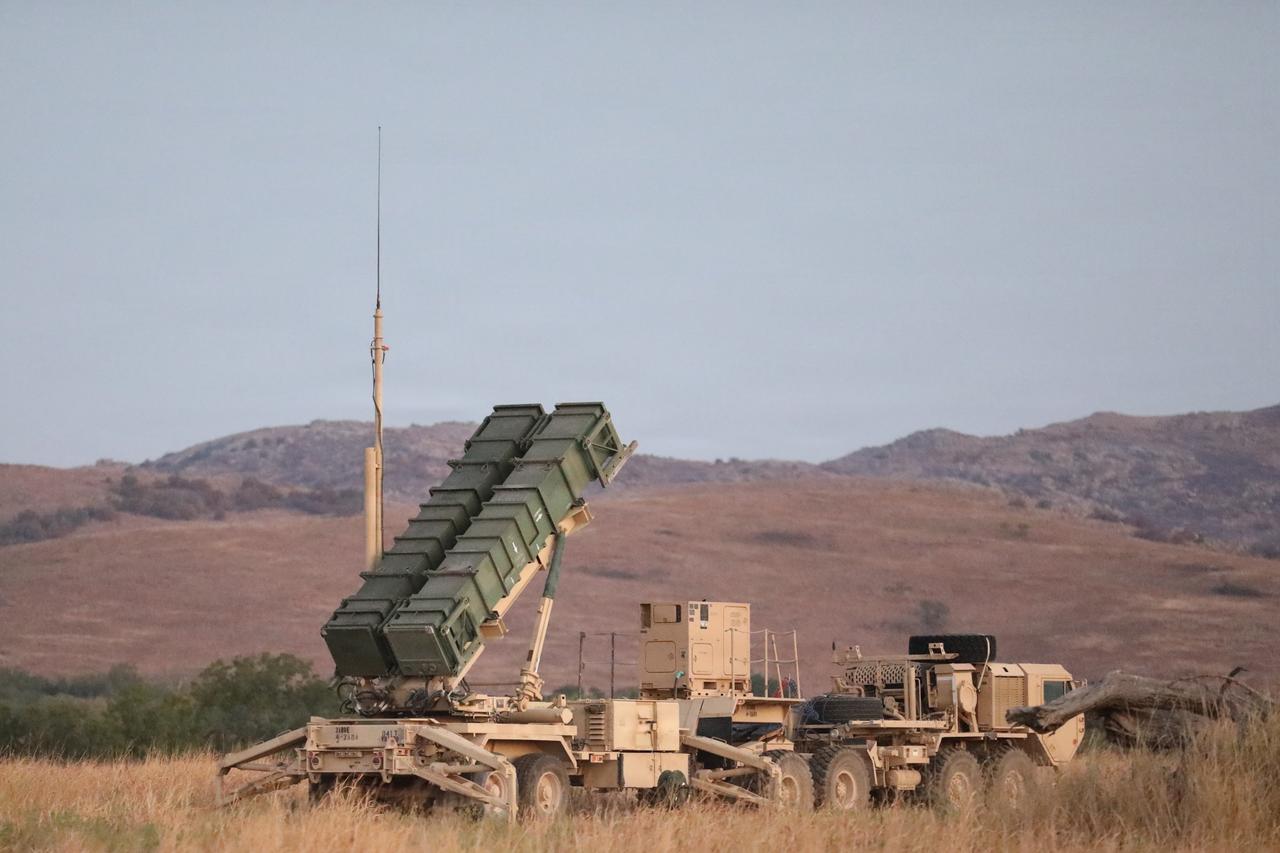
The U.S. has also sent two additional Patriot missile batteries in recent weeks to protect energy facilities in Qatar and Saudi Arabia, Axios reported. Defense Secretary Pete Hegseth has also extended deployments of air-defense units and the Army's 82nd Airborne Division, according to The Wall Street Journal.
Keeping three carriers in the region would strain the Navy, said Ronald O'Rourke, a longtime naval analyst. "Maintaining a three-carrier presence in that area for an extended period would be a significantly greater strain," he said.
Mediators had been expected this week to present Iran with an amended draft of an interim deal under which Iran would allow free traffic through the Strait of Hormuz and the U.S. would lift its blockade of Iranian ports.
The U.S. and Israel launched attacks on Iran on Feb. 28, prompting Tehran to retaliate against Israeli targets and U.S. military facilities across the region. The war also severely disrupted navigation through the Strait of Hormuz, a key route for global energy supplies.
Iran has since linked the full reopening of the strait to measures including an end to hostilities, sanctions relief, the release of frozen assets, and implementation of commitments it said Washington previously made.


 Set as preferred source
 Set as preferred source


 1 min read

 1 min read