Newsletters


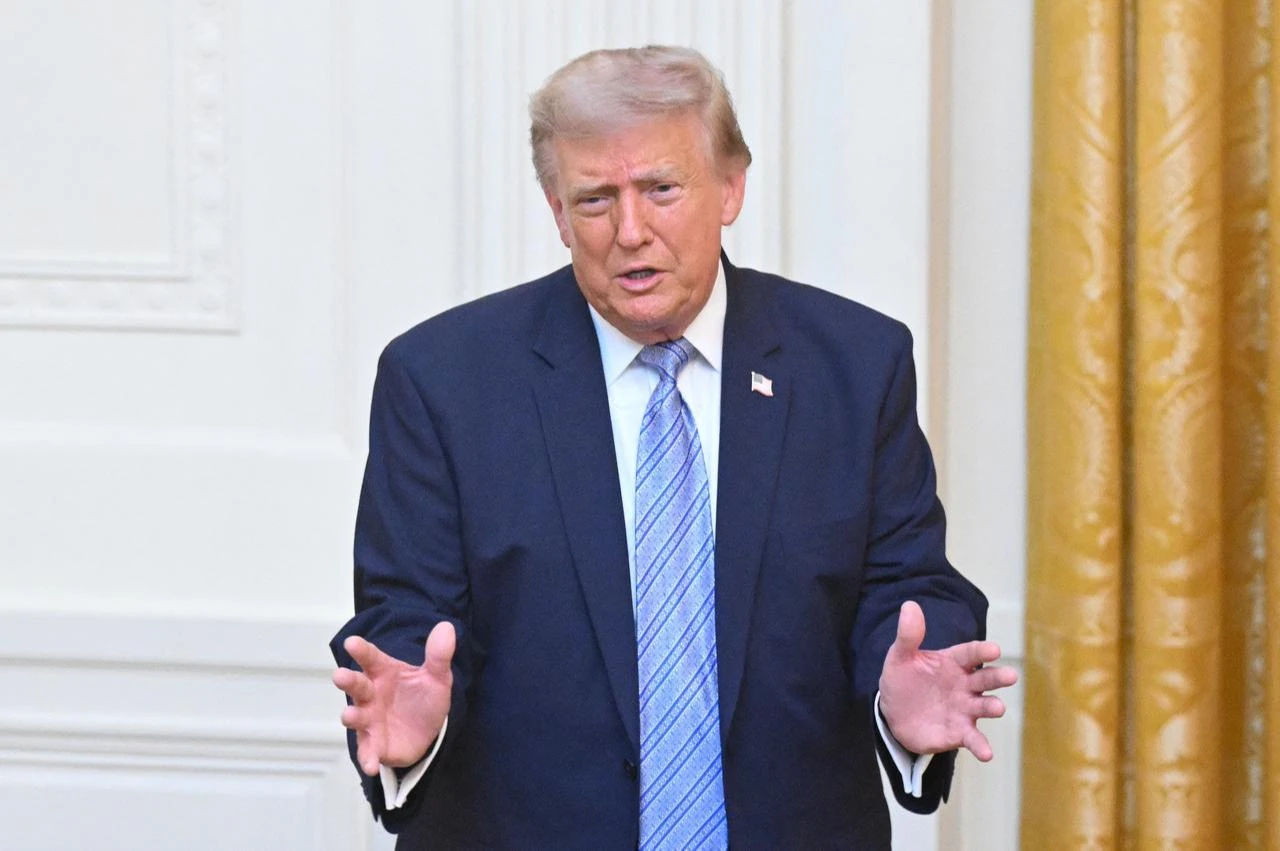
President Trump defended the U.S. war effort against Iran after the first confirmed American combat deaths since renewed hostilities began, calling the deaths of two U.S. service members "a shame" but saying the mission to prevent Iran from obtaining a nuclear weapon remains critical.
Speaking to the New York Post about an hour into the latest U.S. strikes against Iran, U.S. President Donald Trump called the troops' deaths "a shame" but defended the continuation of the campaign.
"They did it because they don't want to see Iran have a nuclear weapon," Trump said of the service members. "... And it just shows you how bad (the Iranians) are."
Asked whether he planned to contact the fallen troops' families, Trump said: "Of course I will. I always do. Yeah."
Separately, in a brief call with NewsNation, Trump called the deaths "a very sad thing," saying the troops died "in service of our country" and reiterating that the war's central objective is "never allowing Iran to have a nuclear weapon."
Asked about Iran's announcement that it is no longer abiding by the U.S.-Iran Memorandum of Understanding (MoU), Trump said: "I couldn't care less."
Responding to Democratic lawmakers who blamed him for the troops' deaths, Trump pointed to other U.S. conflicts. "Have you ever asked how many people died in Vietnam? Have you ever asked how many people died in Afghanistan in one day? In one day, run by Sleepy Joe Biden," Trump said, according to the New York Post.
"This is two wars we're talking about: Venezuela and this. And it's a shame, but in this case, they died because they don't want to see Iran have a nuclear weapon and they don't want to see the Middle East blown up."
The Pentagon deployed additional warplanes toward the Gulf region following the strikes, according to the Wall Street Journal (WSJ).

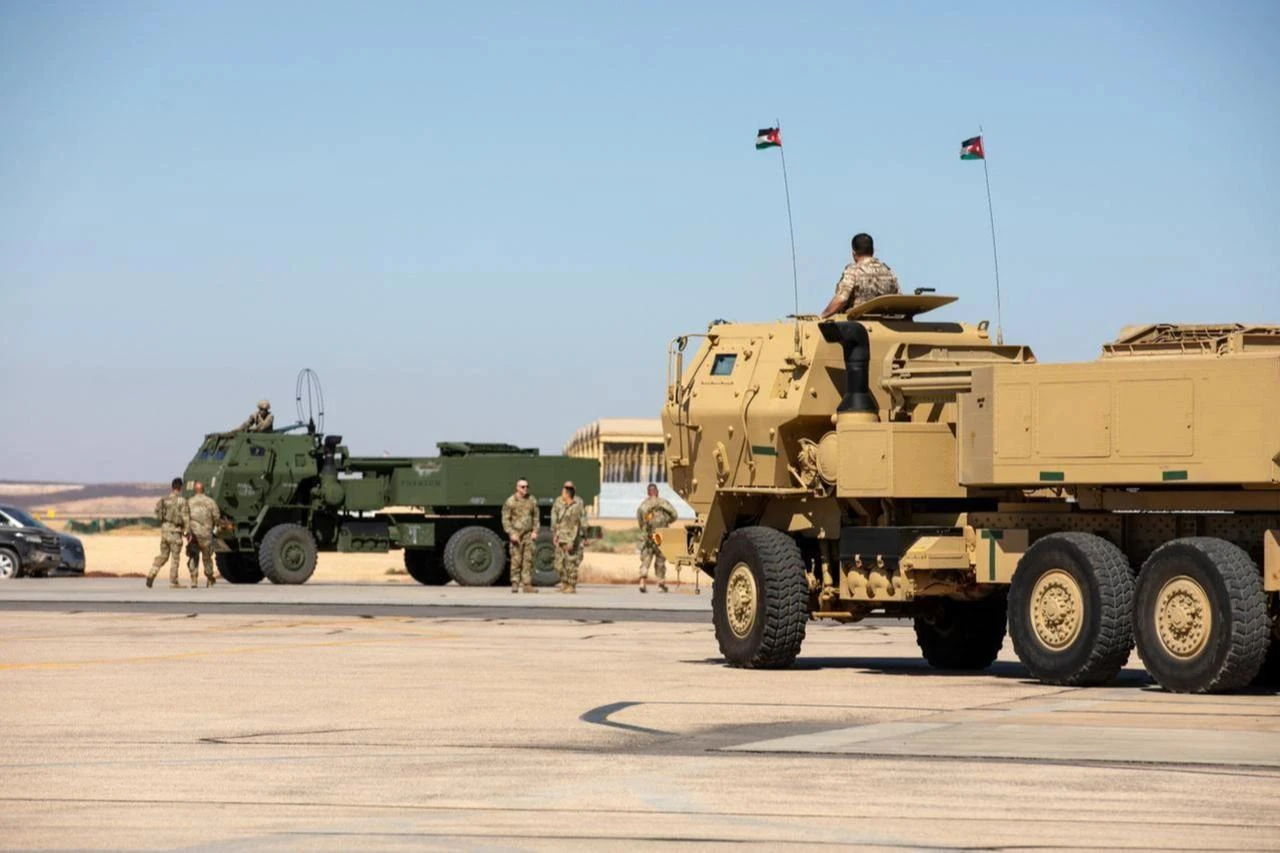
The United States launched an eighth consecutive night of strikes against Iran to "punish" the Islamic Revolutionary Guard Corps (IRGC) after an attack in Jordan killed two American service members and left a third missing, the first confirmed U.S. combat deaths since Iran resumed hostilities with Washington last week.
U.S. Central Command (CENTCOM) said the two service members were killed Friday as they "defended against Iranian ballistic missile and drone attacks" on Muwaffaq Salti Air Base in Jordan.
A third service member remained missing in action, while four others who were medically evacuated to hospitals in Jordan were later treated and released.
CENTCOM said the identities of those killed would not be released until next of kin had been notified.
The deaths brought the total number of confirmed U.S. military fatalities since the war began on Feb. 28 to 16, with more than 420 wounded, according to CENTCOM figures.
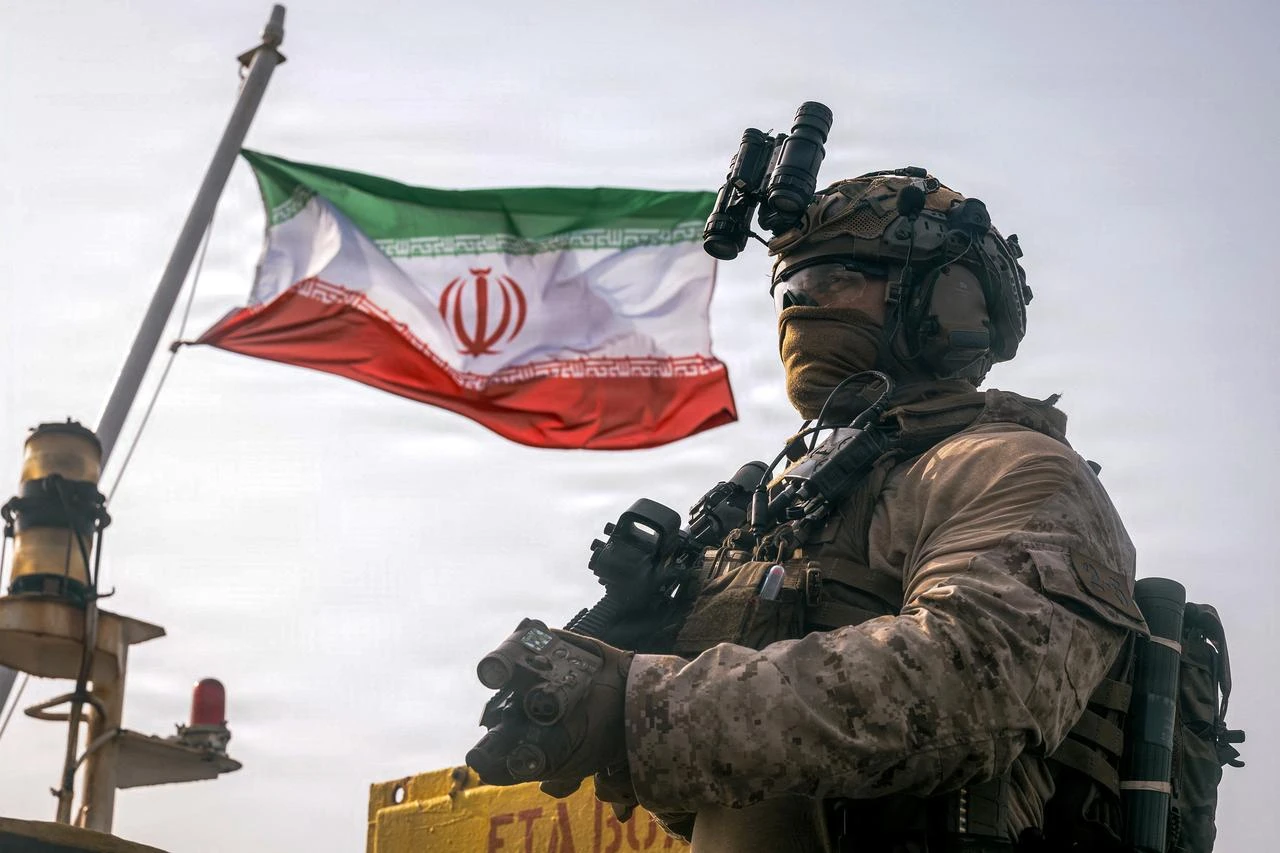
CENTCOM said it completed its eighth consecutive night of strikes at 11:30 p.m. ET Saturday, "at the Commander in Chief's direction."
"During the eighth consecutive night of U.S. strikes, CENTCOM forces successfully hit Iranian military coastal surveillance and air defense facilities, maritime capabilities, and missile and drone storage sites to continue degrading Iranian military capabilities. American military assets also targeted Islamic Revolutionary Guard Corps forces that launched attacks against U.S. service members in Jordan on July 17," the command said in a statement on X, adding that the strikes were "designed to further degrade Iran's ability to threaten commercial shipping in the Strait of Hormuz and swiftly punish Islamic Revolutionary Guard Corps forces."
CENTCOM said more than 50,000 American service members remain deployed across the Middle East and "highly vigilant, focused, lethal, and ready."
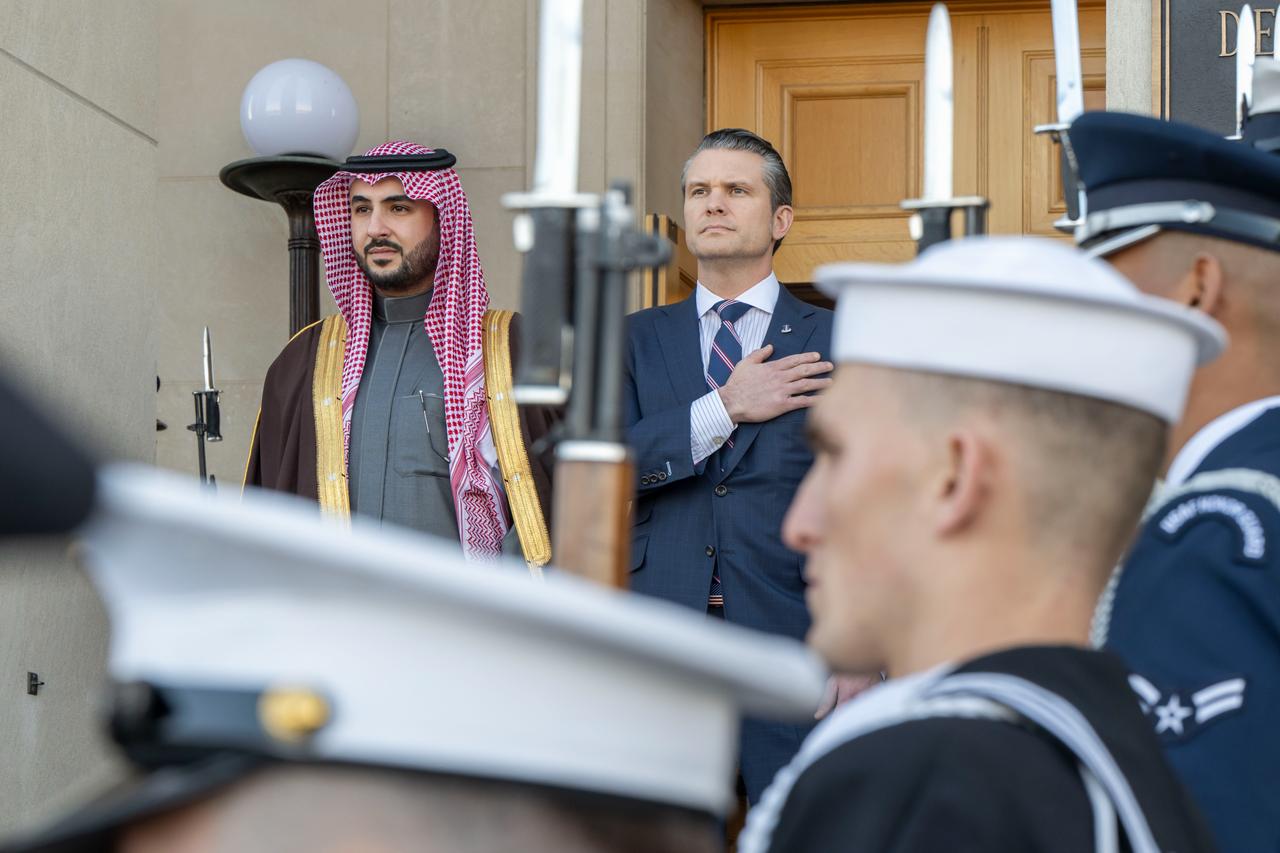
Defense Secretary Pete Hegseth wrote on X: "Godspeed, heroes. Their sacrifice only stiffens our resolve."
The renewed fighting was initially triggered by Iranian attacks on ships in the Strait of Hormuz.
Iran closed the strait after the war began, and control over the waterway has become a central point of leverage in negotiations with Washington, which reimposed its own blockade of Iranian ports on Tuesday.
Hopes for a political settlement have largely faded, though mediators have continued efforts to bring both sides back to the table.


 Set as preferred source
 Set as preferred source


 1 min read
 1 min read