Newsletters


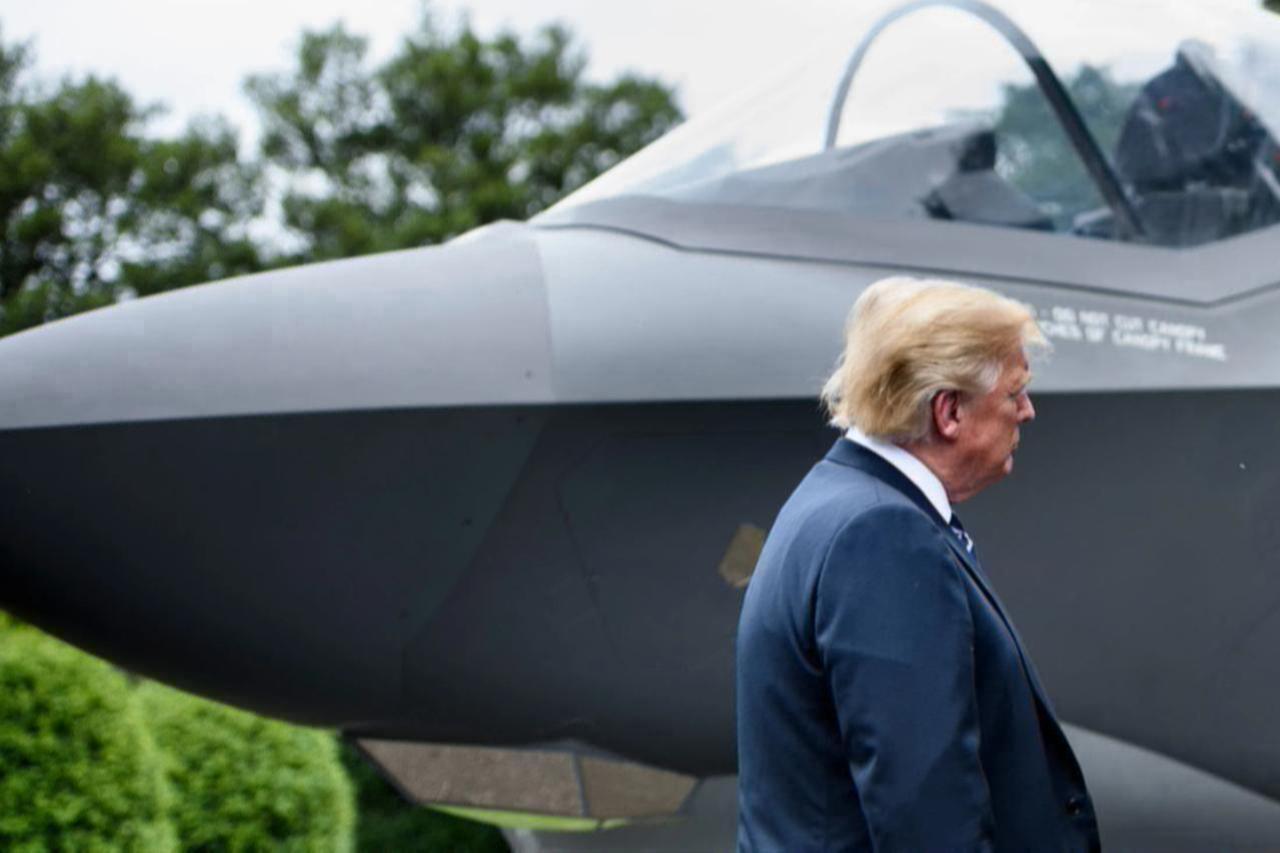


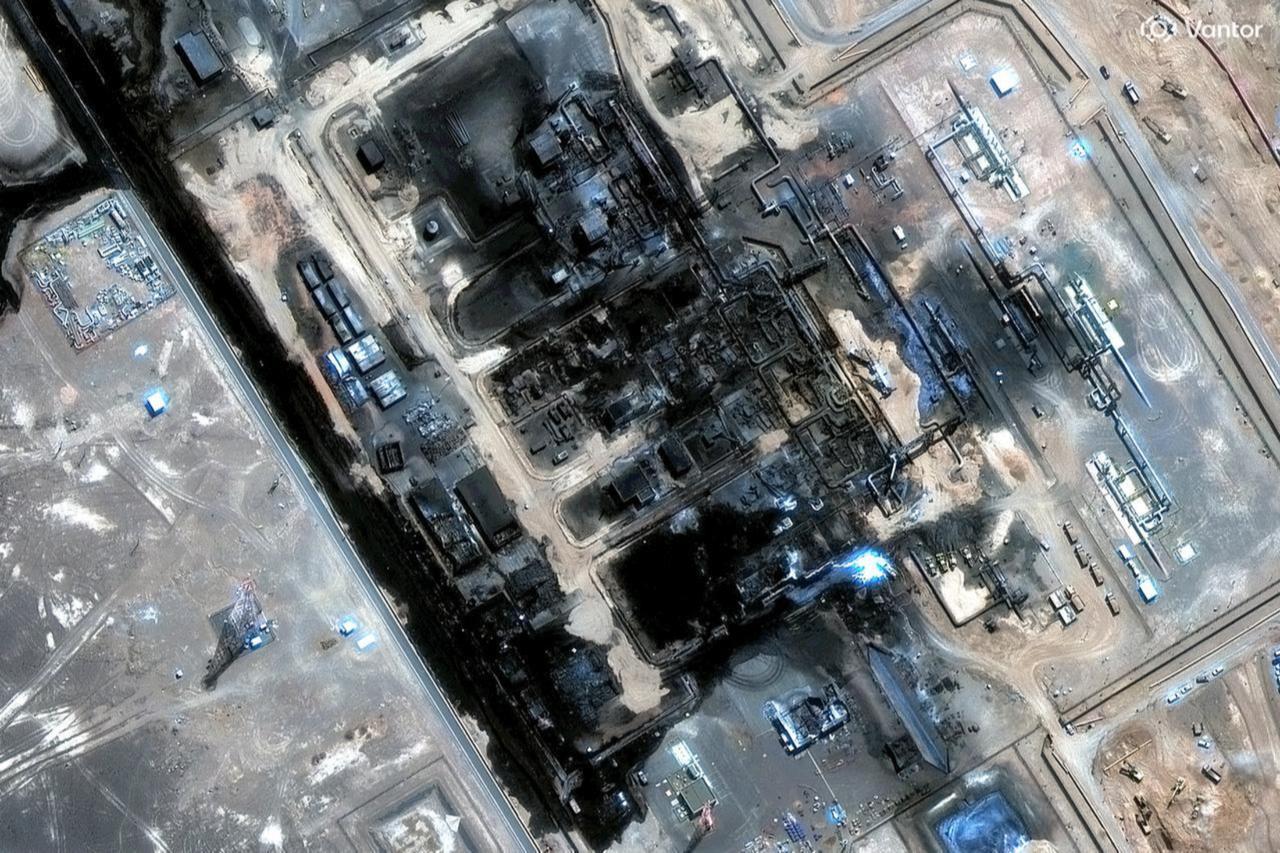
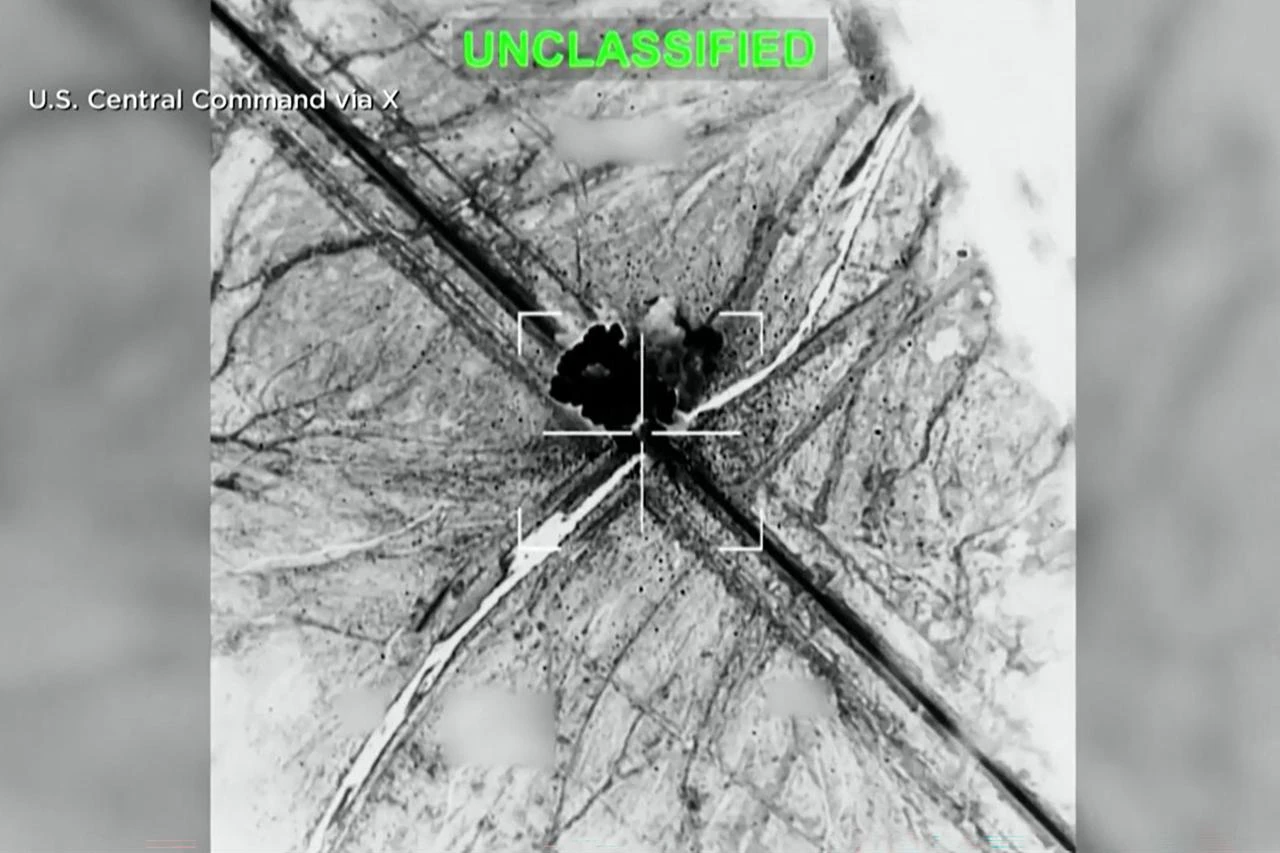
U.S. forces began a new wave of airstrikes against Iran at 6 p.m. Eastern time Saturday, acting on orders from President Donald Trump, U.S. Central Command announced. The strikes were launched both to further erode Iran's capacity to threaten commercial shipping through the Strait of Hormuz and to punish Revolutionary Guard Corps forces for attacks that killed two American service members in Jordan less than 48 hours earlier.
The announcement marks yet another escalation in an armed conflict between Washington and Tehran that has now stretched across weeks, reshaping the security landscape of the broader Middle East and threatening global energy markets.
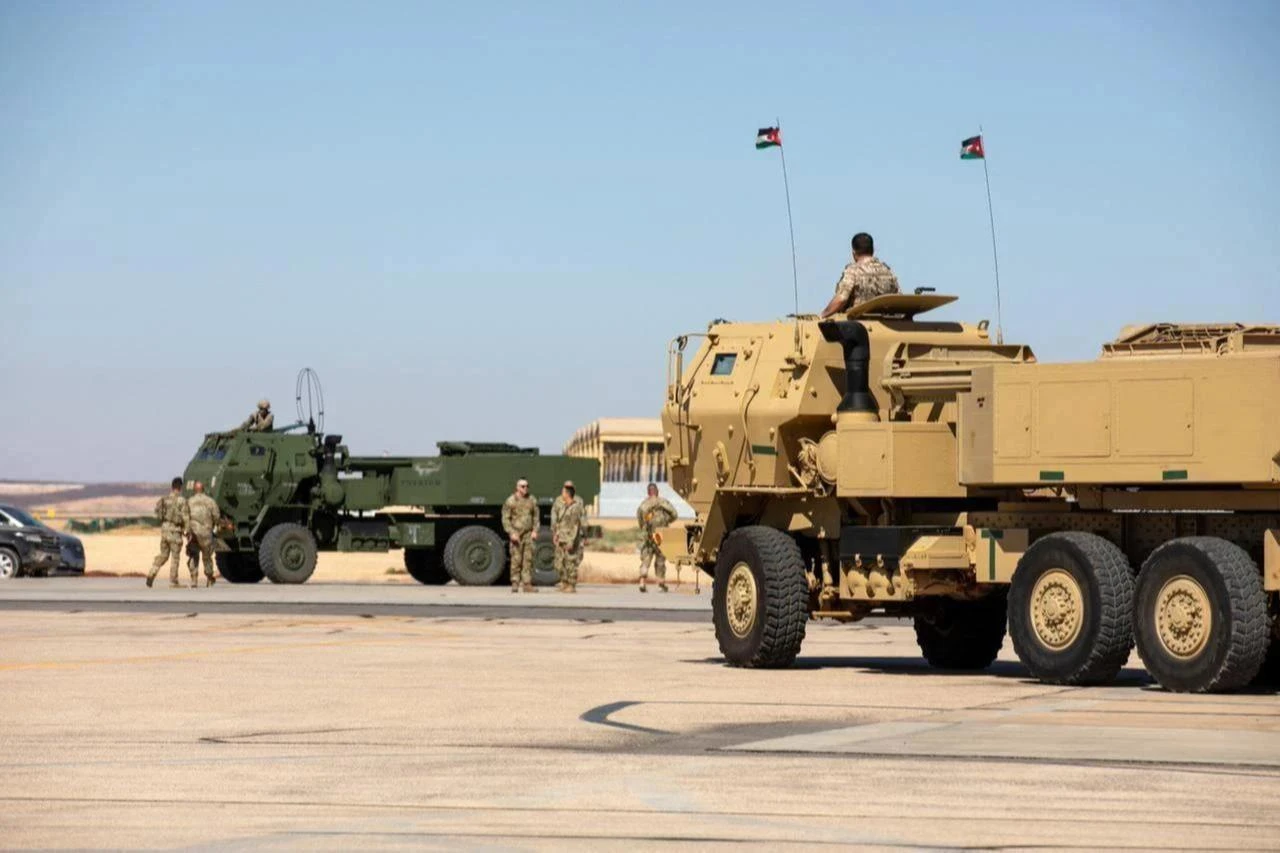

Two U.S. service members were killed on July 17 while defending against an Iranian ballistic missile and drone attack in Jordan, CENTCOM confirmed Saturday.
A third remains missing in action. Four additional personnel were medically evacuated to Jordanian hospitals but have since been discharged, and others treated for minor injuries have returned to duty. CENTCOM said it would withhold the identities of the fallen troops until 24 hours after their next of kin are notified.
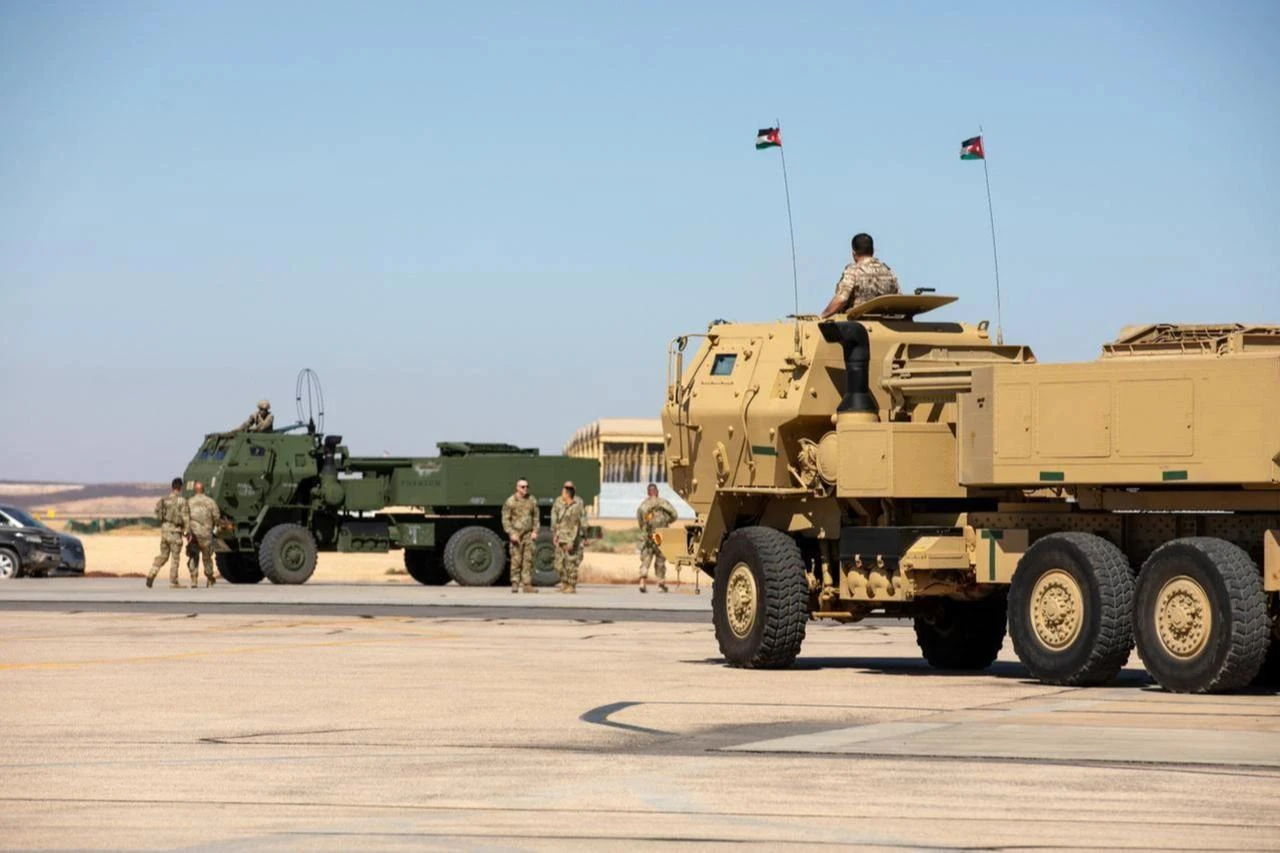
The attack targeted Muwaffaq Salti Air Base, which hosts U.S. troops and aircraft. The deaths are the first American military fatalities in the conflict since March, bringing the total U.S. military death toll in the Iran war to 16, with hundreds more wounded.
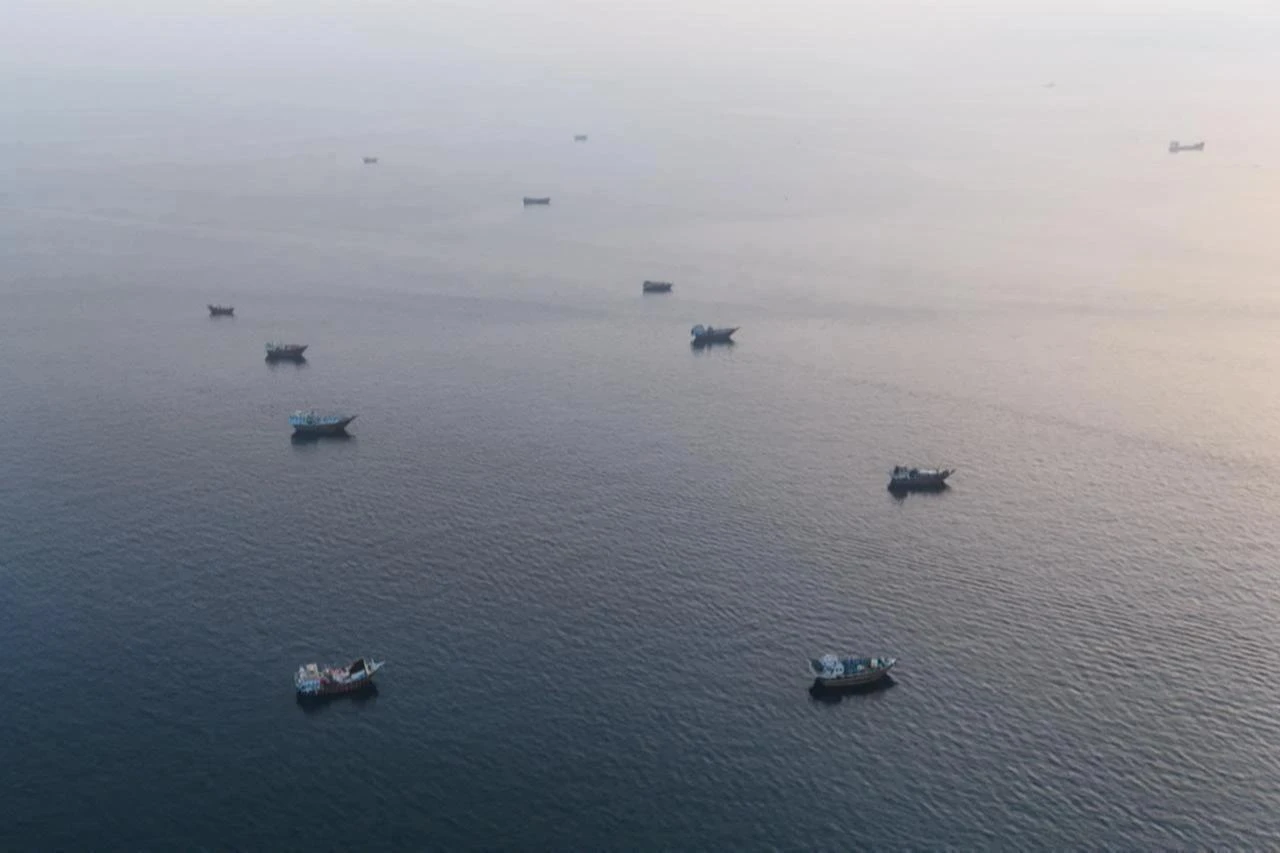
The Strait of Hormuz, the narrow waterway between Iran and Oman through which roughly a fifth of the world's oil supply passes, has served as the primary flashpoint throughout the conflict. I
ran has again closed the strait to foreign shipping, and the U.S. has reinstated its naval blockade of Iranian ports in response. Commercial traffic through the strategic passage has ground to a near halt, with maritime tracking data showing no large vessels publicly broadcasting locations consistent with an intent to transit the southern shipping lane.
Iranian forces have struck tankers and commercial vessels transiting the strait in recent days, drawing repeated rounds of U.S. retaliatory strikes on Iranian coastal defense systems, missile storage sites, and maritime surveillance infrastructure.
CENTCOM has described its targeting as precision strikes against military assets used to threaten "innocent civilians and commercial shipping."
Tehran has simultaneously expanded its campaign beyond its own borders. The IRGC claimed strikes on U.S. military infrastructure in Bahrain, Kuwait, and Jordan in recent days, with Bahrain activating air raid sirens on multiple occasions as its air defenses intercepted incoming fire.
Iran's state broadcaster reported that IRGC forces targeted al-Juffair naval base in Bahrain, weapons depots and communications infrastructure in Kuwait, and the command center and drone hangars at Prince Hassan Air Base in Jordan with ballistic missiles.
Qatar's Ministry of Foreign Affairs condemned the Iranian strikes on Jordan, Kuwait, and Bahrain as a "flagrant violation of the sovereignty and territorial integrity of the targeted countries."
The renewed intensity of fighting comes despite earlier diplomatic efforts aimed at ending the war. Delegations from Washington and Tehran had entered negotiations in June based on a memorandum of understanding, but both sides have continued exchanging strikes throughout the talks.
Iran's foreign ministry said this past week that Tehran has no plans to resume negotiations with the United States.
The conflict began on February 28, when the United States and Israel launched major strikes against Iranian military and infrastructure targets, an operation that also included the killing of Supreme Leader Ali Khamenei.
Iran responded by closing the Strait of Hormuz, triggering a military campaign that has since expanded well beyond its initial scope.
More than 50,000 U.S. military personnel are currently deployed across the Middle East, according to CENTCOM.


 Set as preferred source
 Set as preferred source


 1 min read
 1 min read