Newsletters


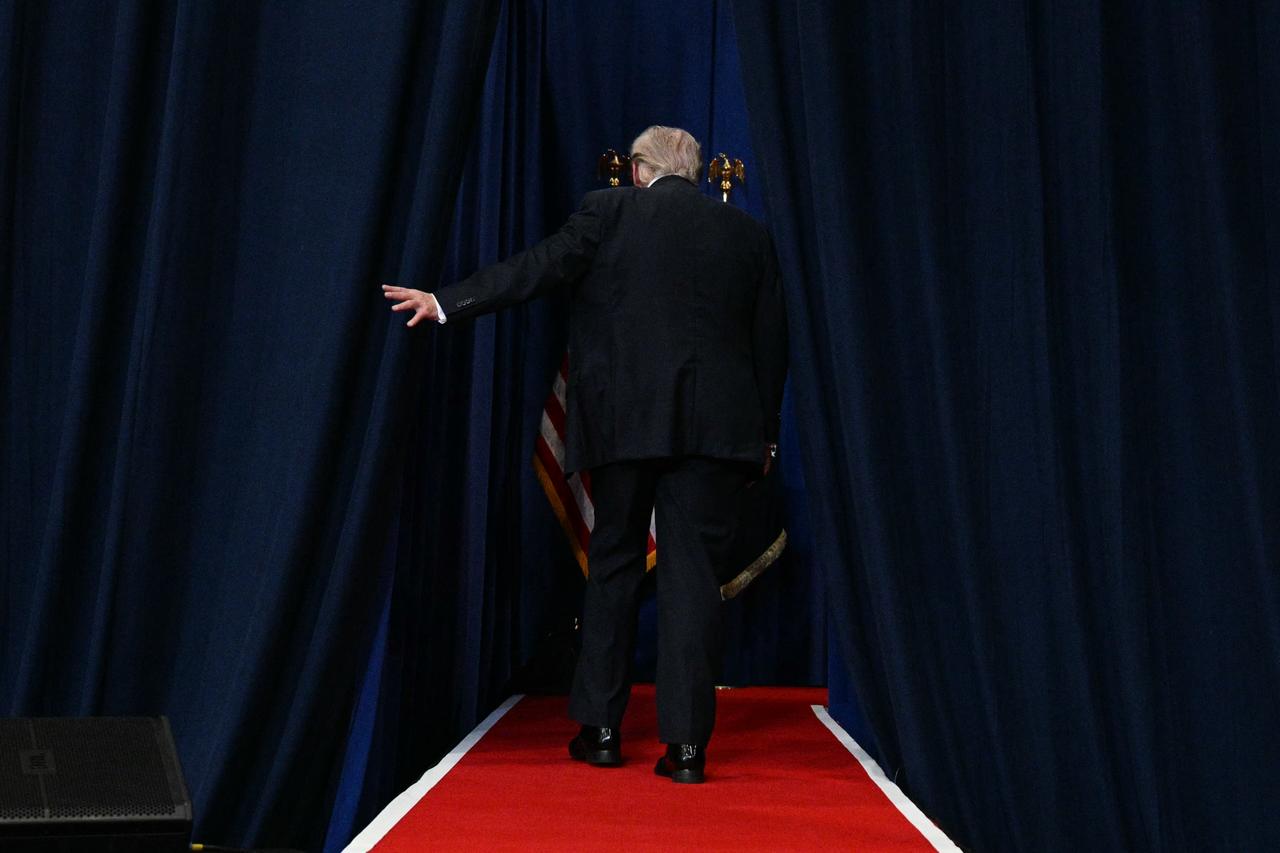


President Donald Trump announced Tuesday that "Project Freedom," the U.S. military operation to guide commercial vessels through the Strait of Hormuz, would be paused for a short period to allow space for a potential final agreement with Iran.
Iranian state media declared the suspension a U.S. failure, and Tehran introduced a new ship-transit mechanism, asserting its own authority over the waterway.
"Based on the request of Pakistan and other Countries, the tremendous Military Success that we have had during the Campaign against the Country of Iran and, additionally, the fact that Great Progress has been made toward a Complete and Final Agreement with Representatives of Iran, we have mutually agreed that, while the Blockade will remain in full force and effect, Project Freedom (The Movement of Ships through the Strait of Hormuz) will be paused for a short period of time to see whether or not the Agreement can be finalized and signed," Trump wrote on Truth Social.

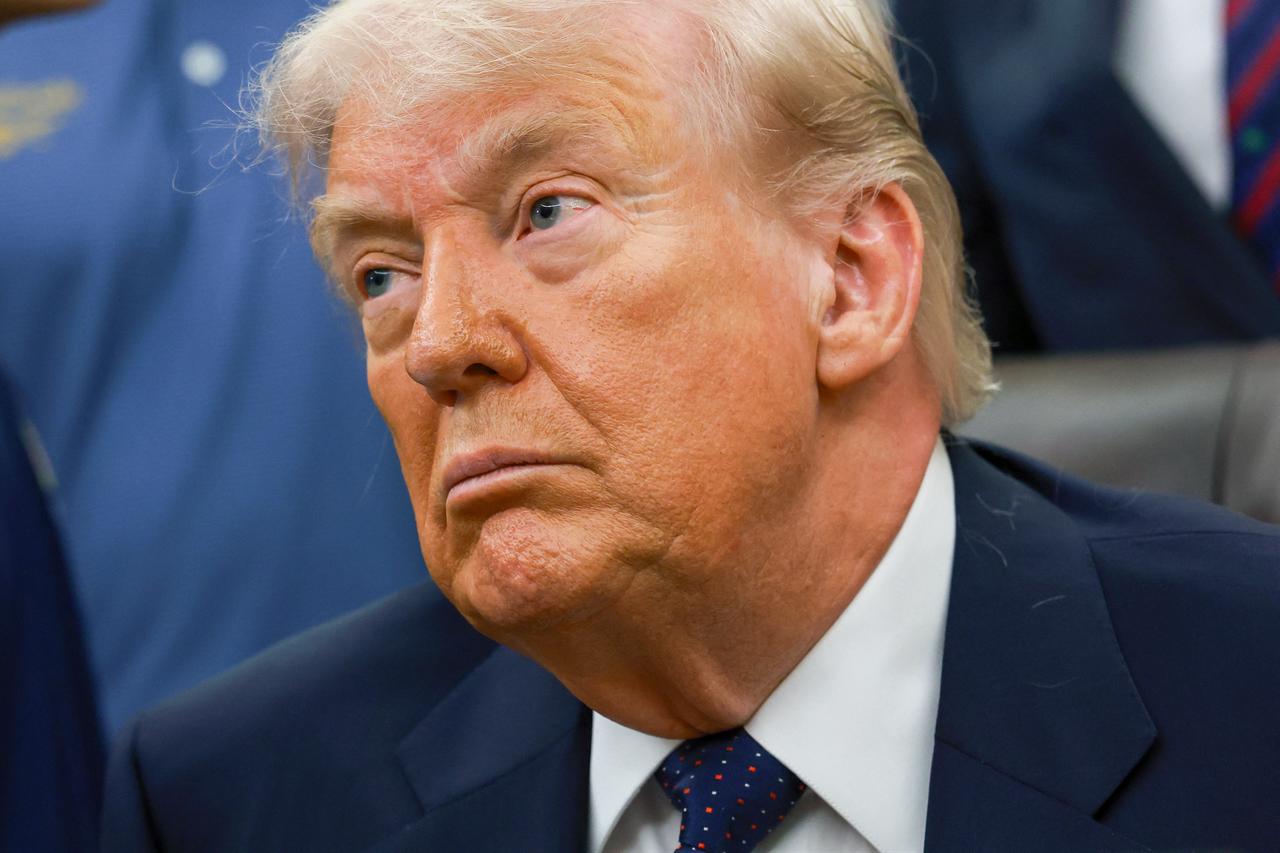
Iran's semi-official Tasnim News Agency framed Trump's announcement under the headline "Trump retreated; the so-called 'Project Freedom' has been stopped," describing it as "a continuation of America's failures in dealing with the problem of the Strait of Hormuz."
The agency said Trump "tried to somehow cover up the failure of his plan, putting together his usual false claims," according to a translation of the Persian-language report.
Fars News Agency similarly headlined its report "Trump backed down again, stopping Project Freedom," characterizing the decision as one made "in the face of Iran's decisive warnings."
Iran's state-run IRNA quoted energy market analyst Ehsan Hosseini as saying Trump was "the clear loser" in a battle of endurance with Iran.
"If the Strait of Hormuz remains closed for another month, oil prices will reach at least $140 per barrel in June, a major blow to the U.S. economy, gasoline prices and Trump's upcoming elections," Hosseini said, citing projections from an unnamed American research institution.
Mehr News Agency headlined its report "Trump's retreat from his claimed project," also framing the pause as a cover for failure.
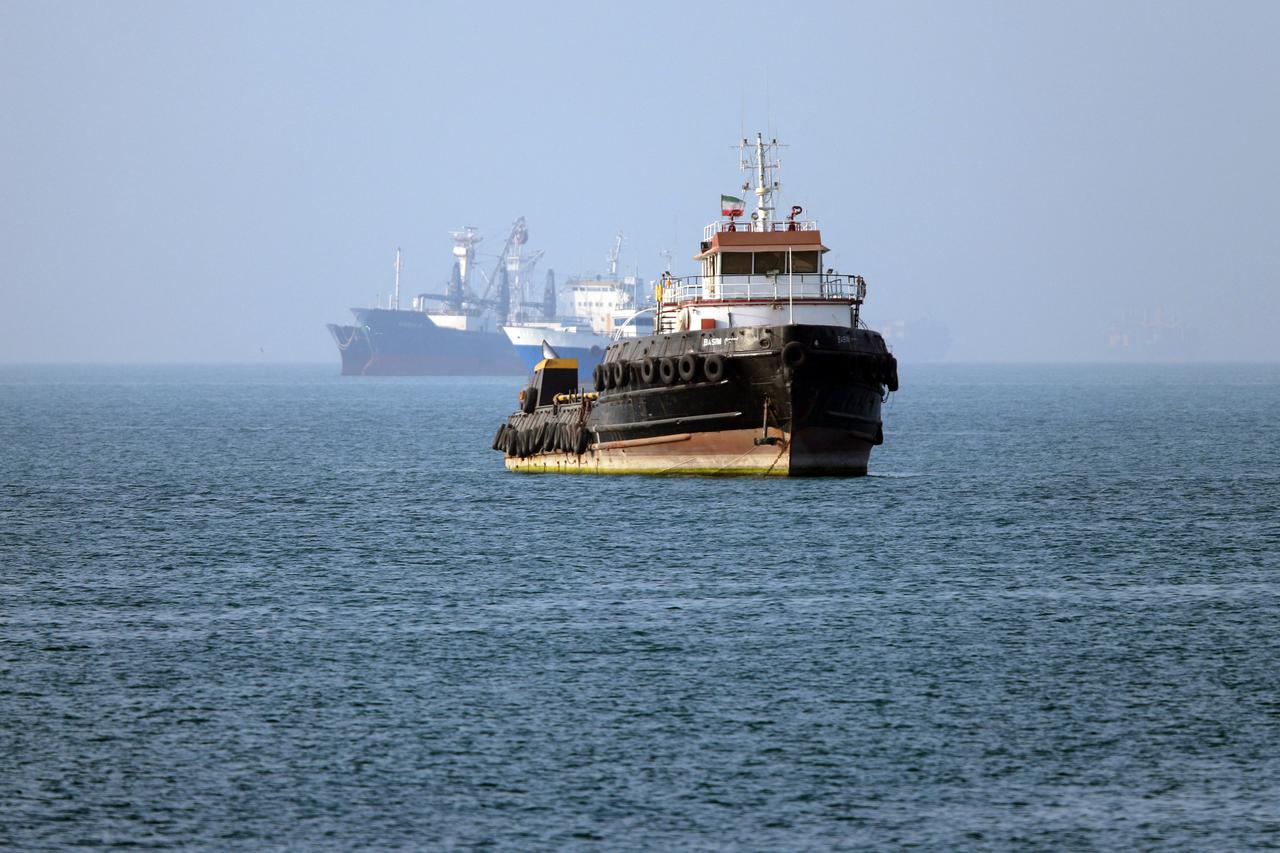
Separately on Tuesday, Iran introduced a formal mechanism governing ship transits through the Strait of Hormuz.
Under the system, vessels intending to pass through the strait receive an email from an address linked to the Persian Gulf Strait Authority informing them of transit regulations, and must comply with the framework before receiving a transit permit, according to Iran's state-run Press TV.
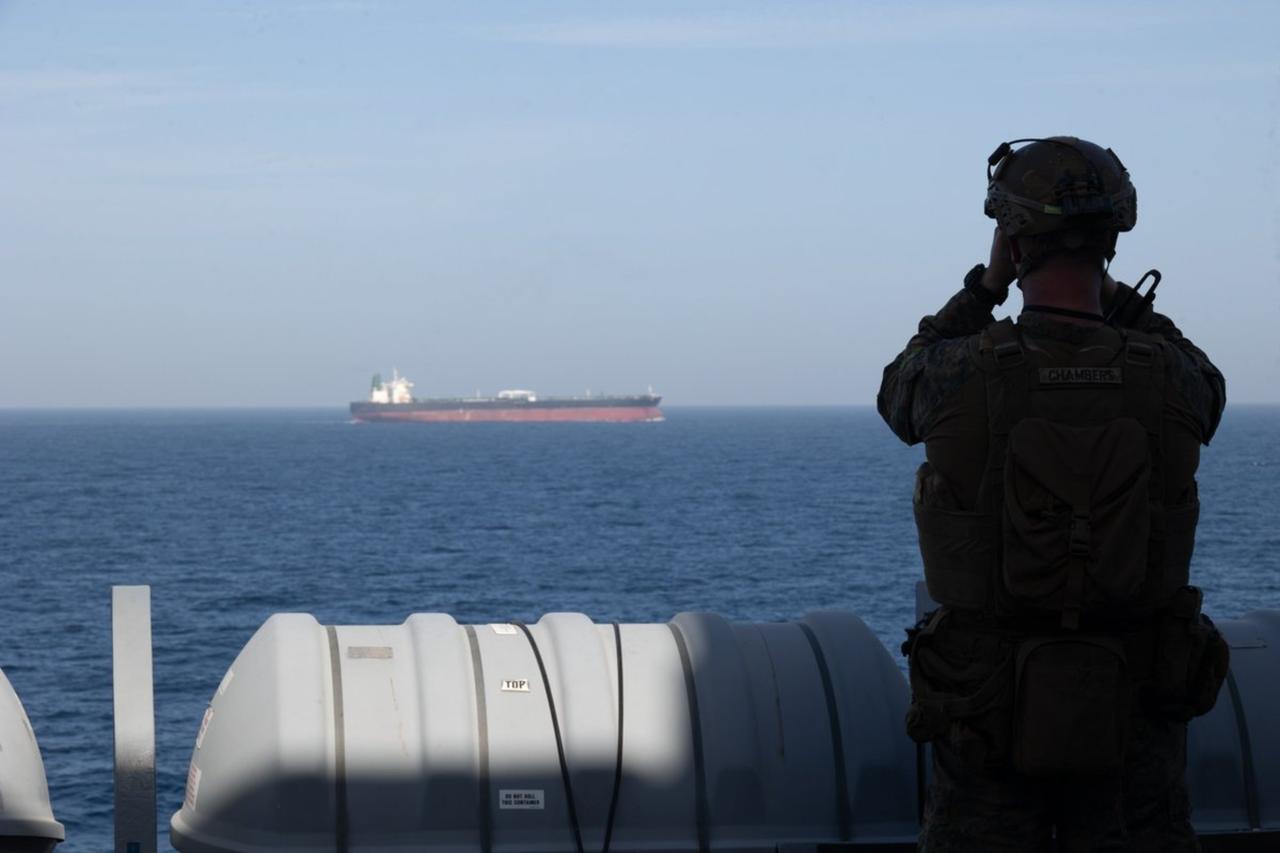
Trump announced Project Freedom on Sunday, vowing to guide neutral commercial vessels through the strait despite Iran's insistence that any transit required its prior approval.
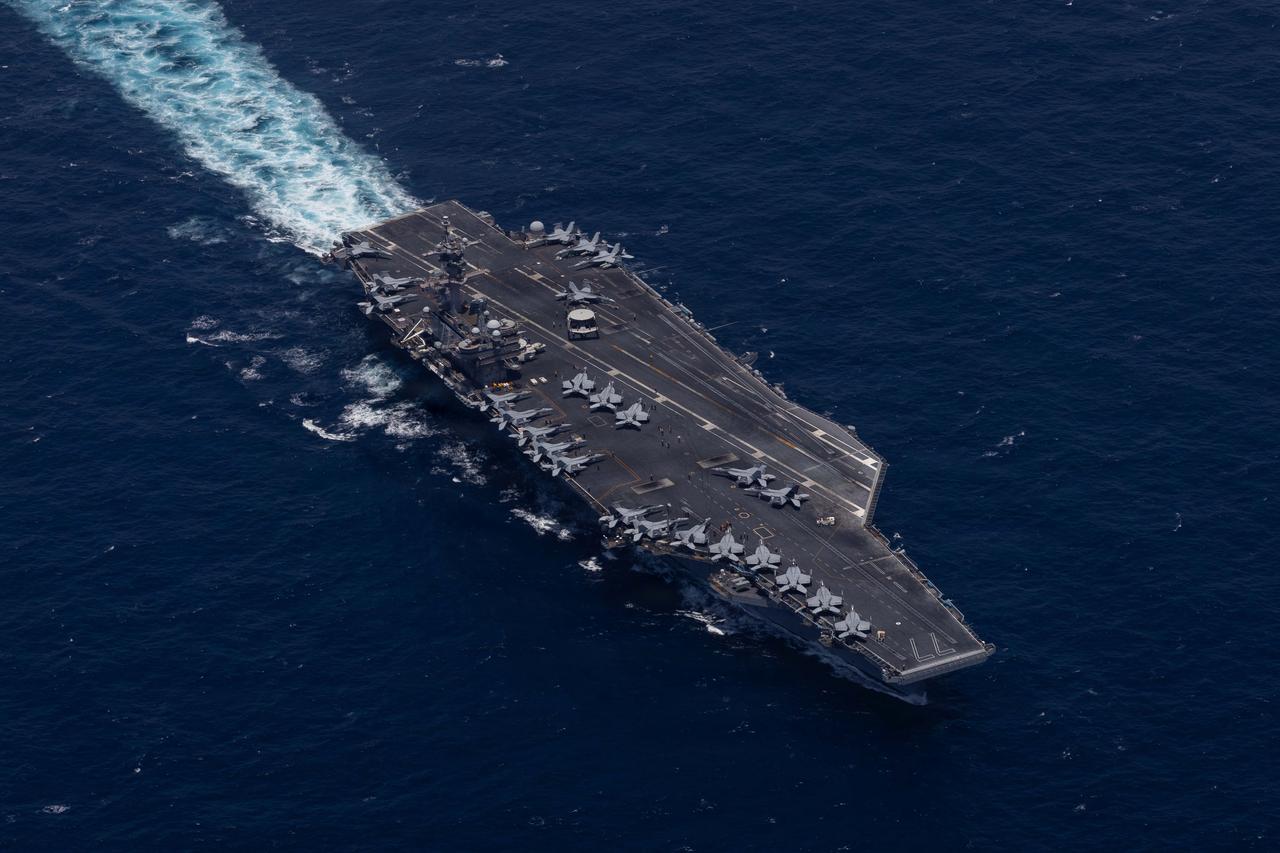
U.S. Navy destroyers USS Truxtun and USS Mason transited the waterway on Monday after repelling Iranian missiles, drones and small boats.
CENTCOM confirmed two U.S.-flagged merchant vessels completed the passage, while Iran denied any commercial transit had occurred and claimed the ships were stranded in rocky, shallow waters.
Secretary of State Marco Rubio said the operation aimed to rescue approximately 23,000 civilians from 87 countries trapped in the Gulf.


 Set as preferred source
 Set as preferred source


 1 min read
 1 min read