Newsletters


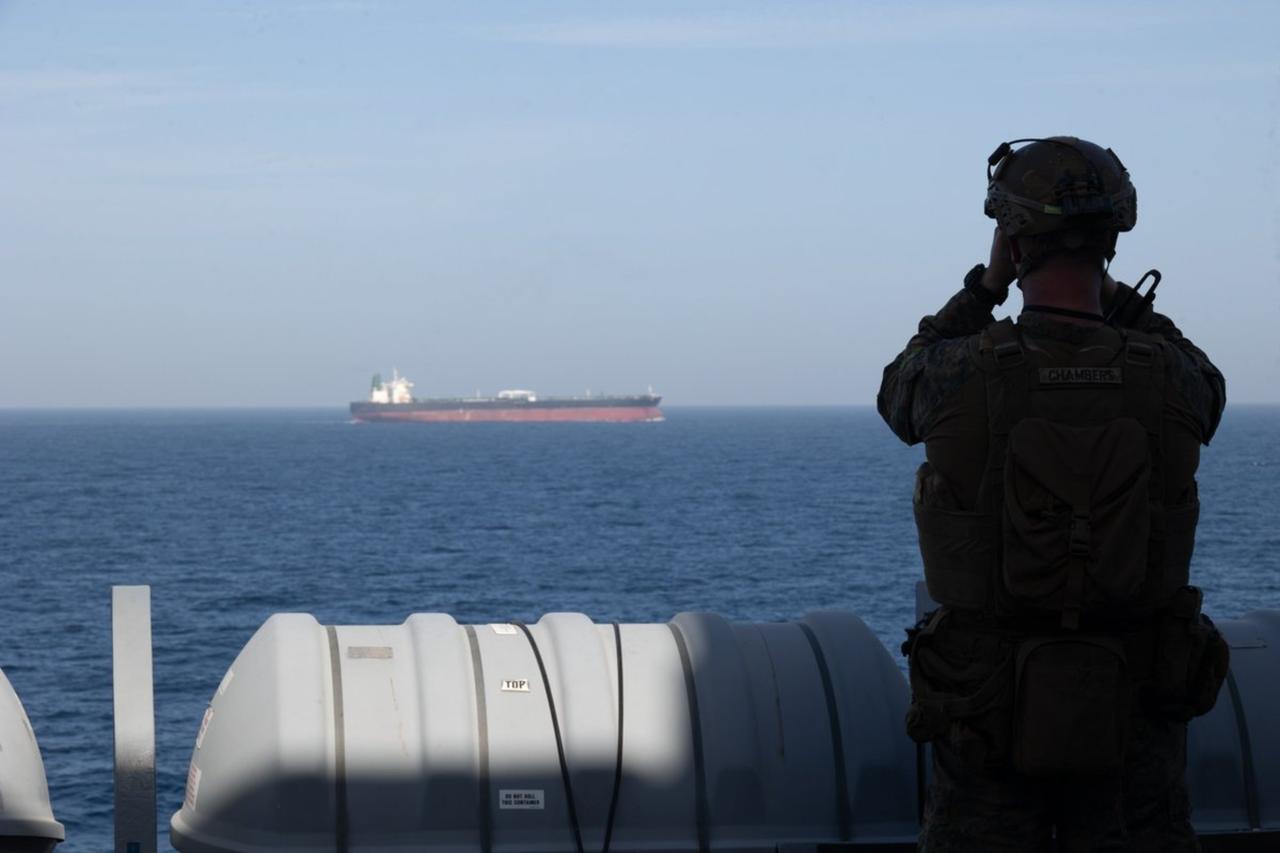


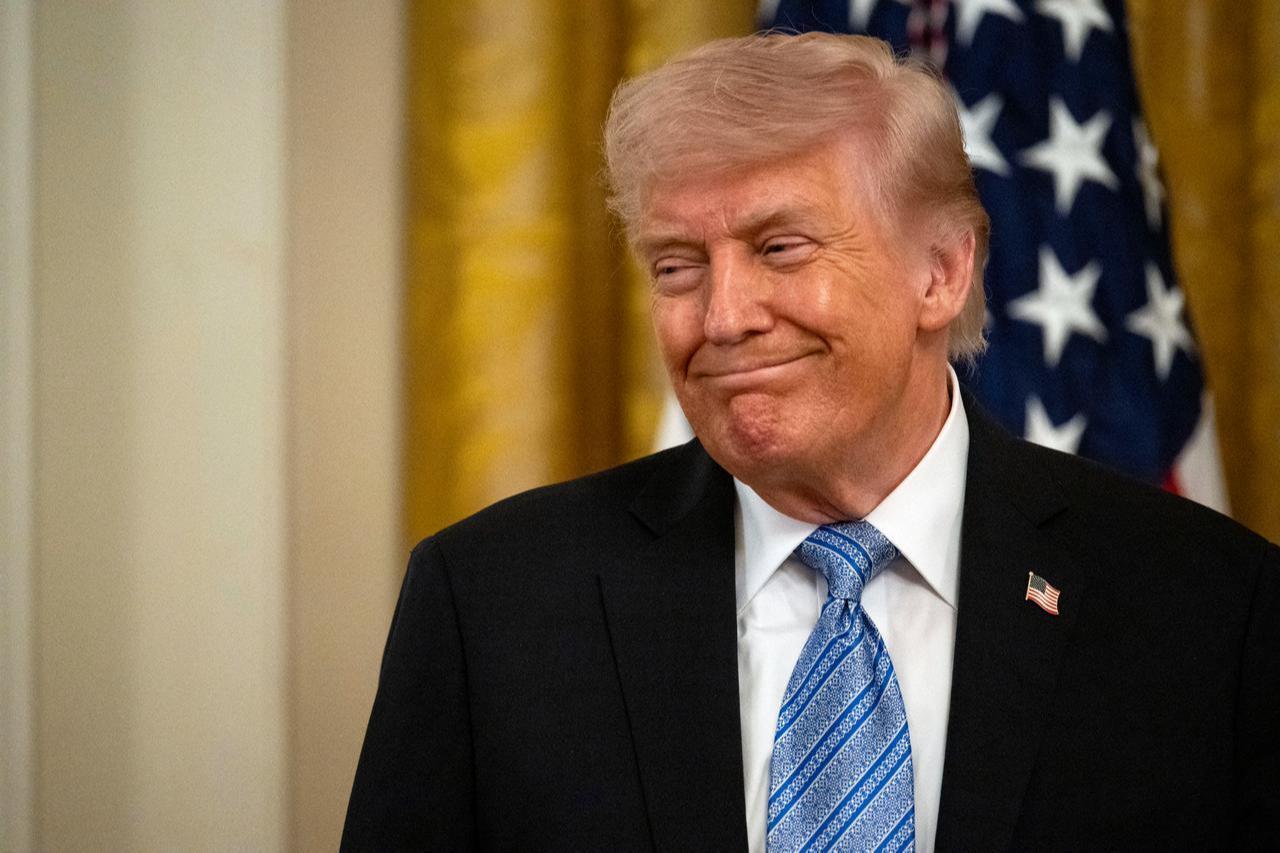
South Korea said on Tuesday it would "carefully review its position" on joining U.S. operations in the Strait of Hormuz as a South Korean-operated cargo vessel caught fire after an explosion in the waterway on Monday. The incident prompted U.S. President Donald Trump to urge Seoul to join Project Freedom.
The HMM Namu, a nearly 180-meter Panama-flagged bulk carrier operated by South Korean shipping firm HMM Co., was empty and at anchor off the UAE coast when an explosion occurred in the engine room late Monday, South Korea's Foreign Ministry said.
Crew members battled the blaze for approximately four hours using the ship's carbon dioxide systems before it was fully extinguished, according to Yonhap News Agency. All 24 crew members, six South Koreans and 18 foreign nationals, were confirmed safe.
"The exact cause of the accident would be figured out after the vessel is towed and its damage is assessed," South Korea's Foreign Ministry said.
The vessel is expected to be towed to Dubai for further inspection.
An official of HMM Inc., the South Korean shipping company that operates the HMM Namu, said it remained unclear whether the incident was caused by an external attack or an internal malfunction. The British maritime risk management group Vanguard said authorities would investigate whether damage may have been caused by an attack, a drifting sea mine, or any other external object.
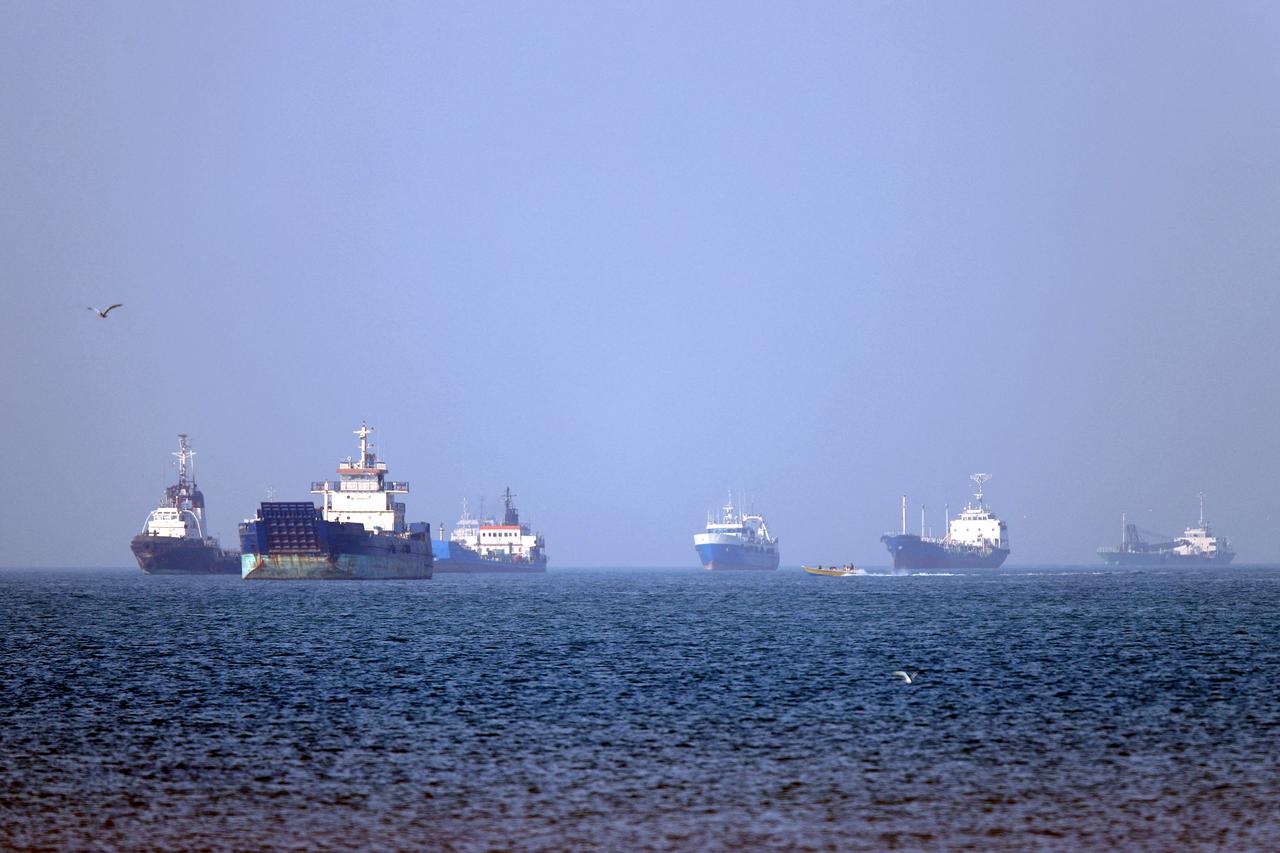

Trump attributed the incident to Iranian fire in a Truth Social post, writing: "Iran has taken shots at unrelated nations...including a South Korean cargo ship. Perhaps it's time for South Korea to come and join the mission!"
He added: "Other than the South Korean ship, there has been, at this moment, no damage going through the Strait."
South Korea's Defense Ministry responded Tuesday, saying it would "carefully review" the country's position, without committing to any change. Seoul said it would weigh its stance based on international law, the safety of international maritime routes, its alliance with the United States and the security situation on the Korean peninsula.
The ministry added that it had been "actively participating in international discussions on cooperation to ensure safe passage through the Strait of Hormuz."
South Korea's presidential office convened a meeting led by Chief of Staff Kang Hoon-sik to discuss the incident, though no details of the discussion were disclosed to the media, according to Yonhap.
South Korea has previously indicated that any naval deployment to the region would require legislative approval.
South Korea's Ministry of Oceans and Fisheries said it had asked Korean vessels in the area to move to safer locations and was in close communication with shipping companies and stranded vessels.
Twenty-six South Korean-flagged ships remain stranded around the strait, which normally carries approximately a fifth of the world's oil and LNG supplies.
Like many Asian economies, South Korea is heavily dependent on Middle East fuel imports that transit through the waterway.


 Set as preferred source
 Set as preferred source


 2 min read