Newsletters


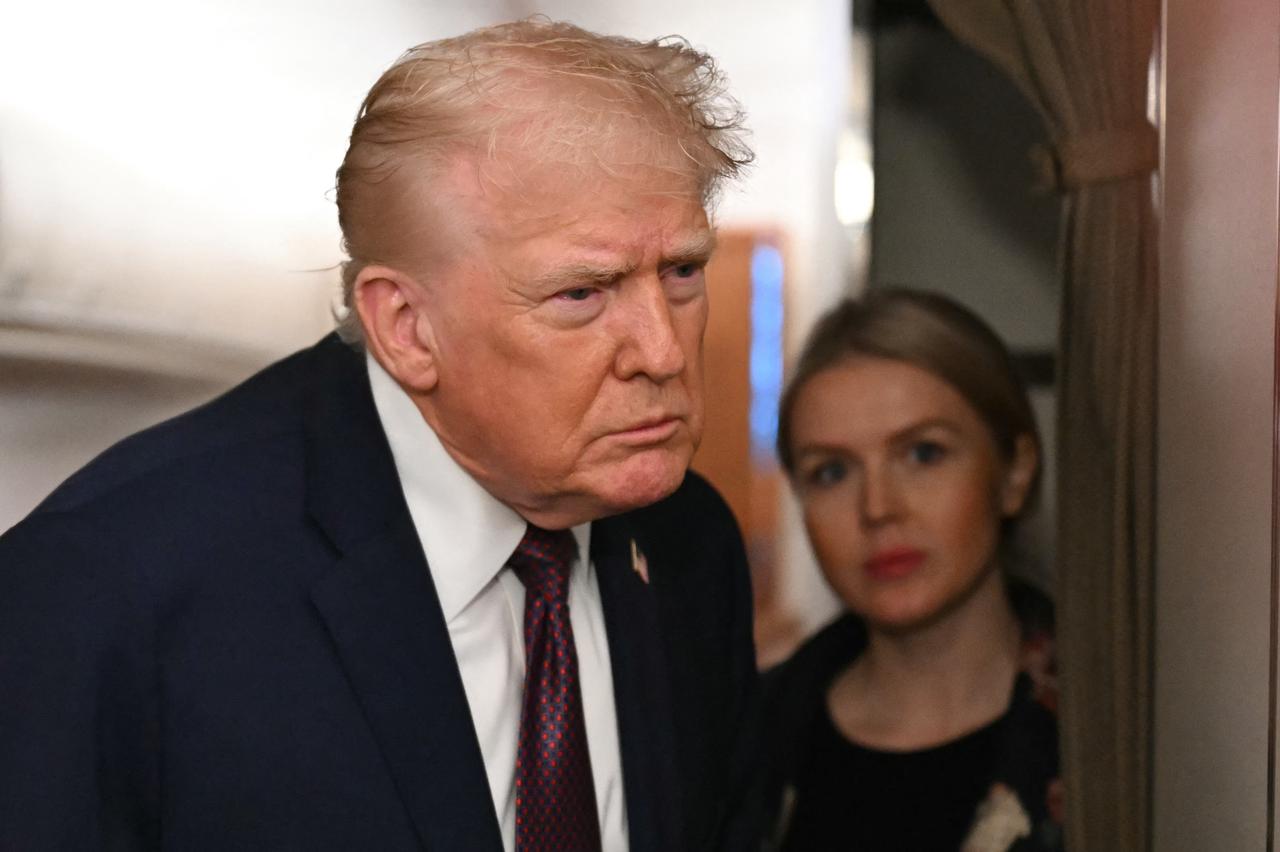
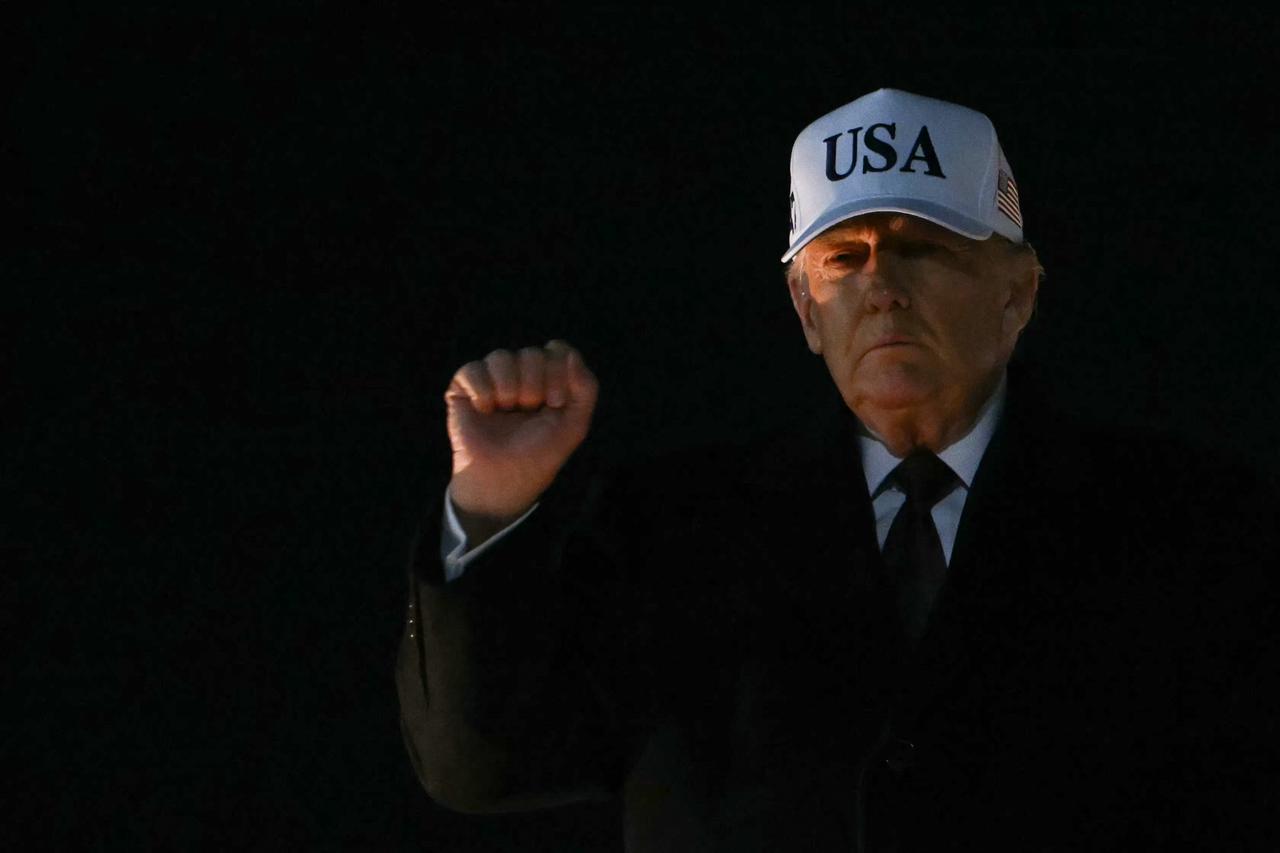
U.S. President Donald Trump has been briefed on military and covert tools against Iran beyond conventional airstrikes, according to two Defense Department officials who spoke to CBS News under condition of anonymity.
The president's national security team will hold a meeting at the White House on Tuesday to discuss updated Iran options, according to several sources familiar with the matter, CBS News reported. It is unclear whether the president himself will attend.
Trump has warned for weeks that he may intervene if Iranian security forces kill protesters. Trump told reporters on Sunday that Iranian leadership indicated it wants to negotiate, but the U.S. military is "looking at some very strong options."

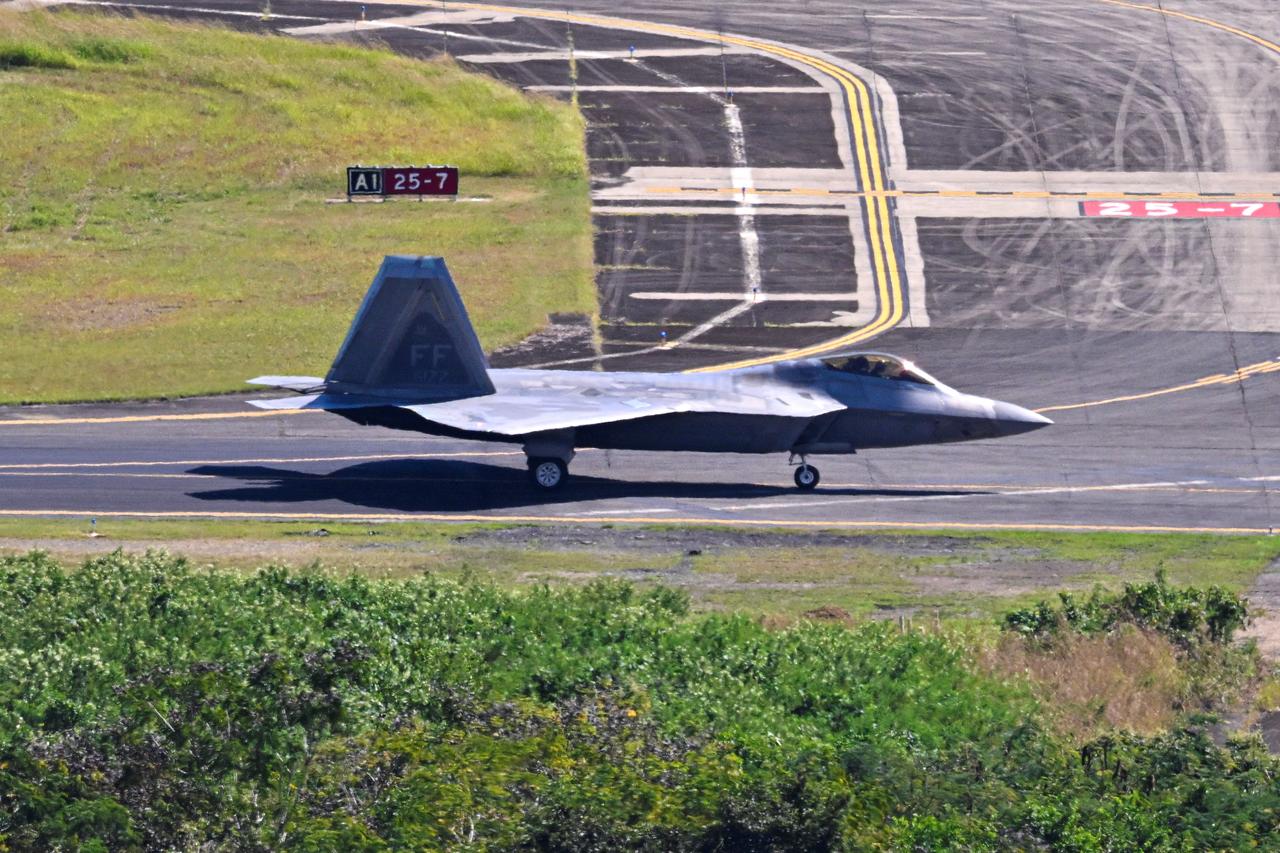
Air power and long-range missiles remain central to any potential military response in Iran. But Pentagon planners have also presented cyber operation options and psychological campaigns intended to disrupt Iranian command structures, communications and state-run media, according to the officials speaking to CBS News.
The officials said cyber and psychological operations can occur simultaneously with traditional military force, in what military planners call integrated operations. They could also be deployed as stand-alone options, according to the report.
The defense officials did not detail what digital infrastructure is under consideration for targeting in Iran or what, exactly, the psychological campaign against Iran's state-run media would look like if Trump were to authorize it, the report noted.
The two American officials emphasized that no final decision had been made and that diplomatic channels remain open. The expanded menu of options suggests that Washington is preparing for scenarios in which conflict could extend beyond battlefield strikes to include sustained digital and influence campaigns, CBS News reported.
The United States urged its citizens in Iran to leave or have a plan to depart the country that does not require U.S. government assistance.
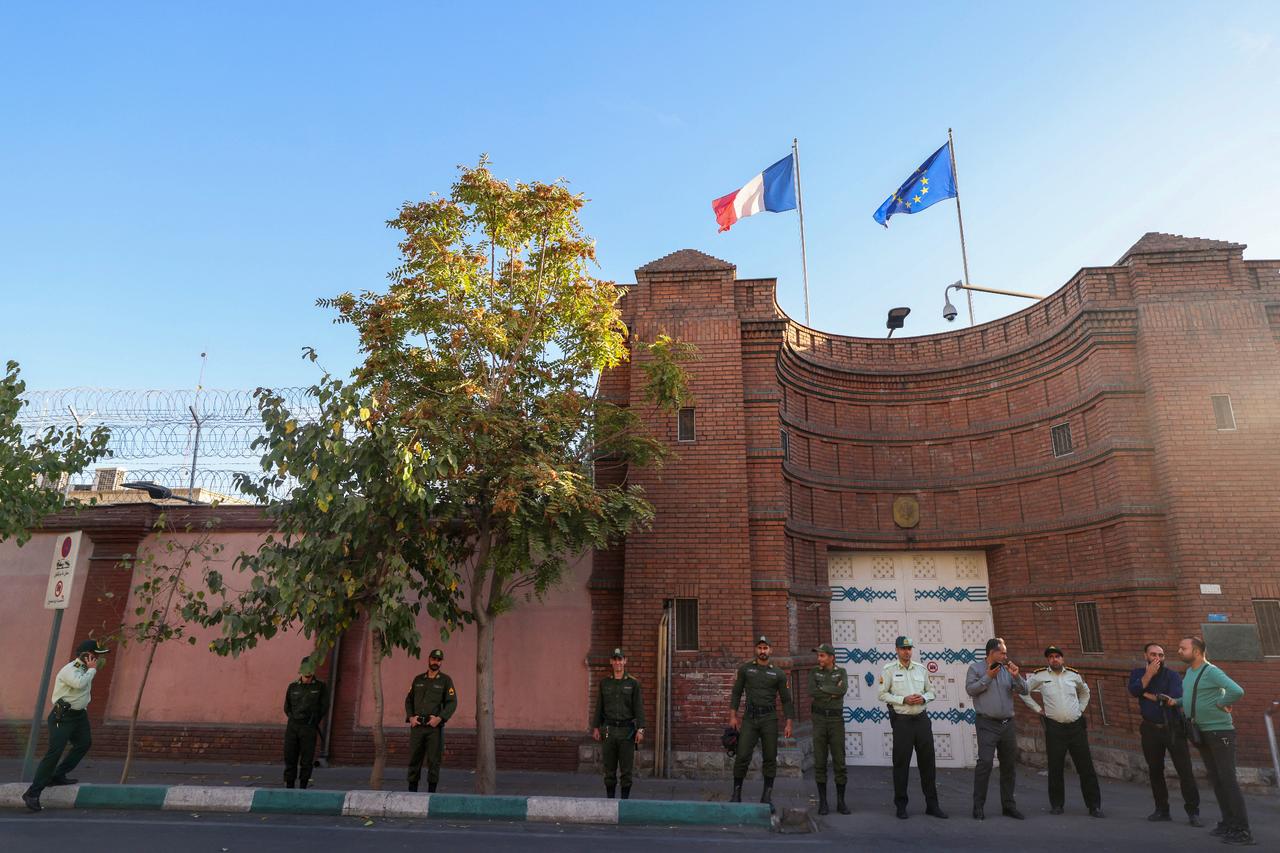
The U.S. Virtual Embassy in Tehran issued a security alert calling on U.S. citizens to "immediately leave Iran." The alert stated: "Leave Iran immediately. If you are unable to leave, shelter in place in your residence or another secure building."
The alert cited ongoing demonstrations and security risks as reasons for the evacuation call.
U.S. citizens were asked to "make plans to depart Iran without relying on U.S. government assistance," according to the Virtual Embassy alert.
On late Monday, Trump said on his Truth Social platform he would impose a 25% tariff on goods from countries that are "doing business" with Tehran, without elaborating.
"This order is final and conclusive," he added.
Iran, already under severe U.S. sanctions, faces a collapsing currency and inflation that has pushed food prices up by as much as 70%, according to reports. Food makes up about one-third of Iran's imports, and further restrictions caused by the tariffs could worsen shortages and costs.
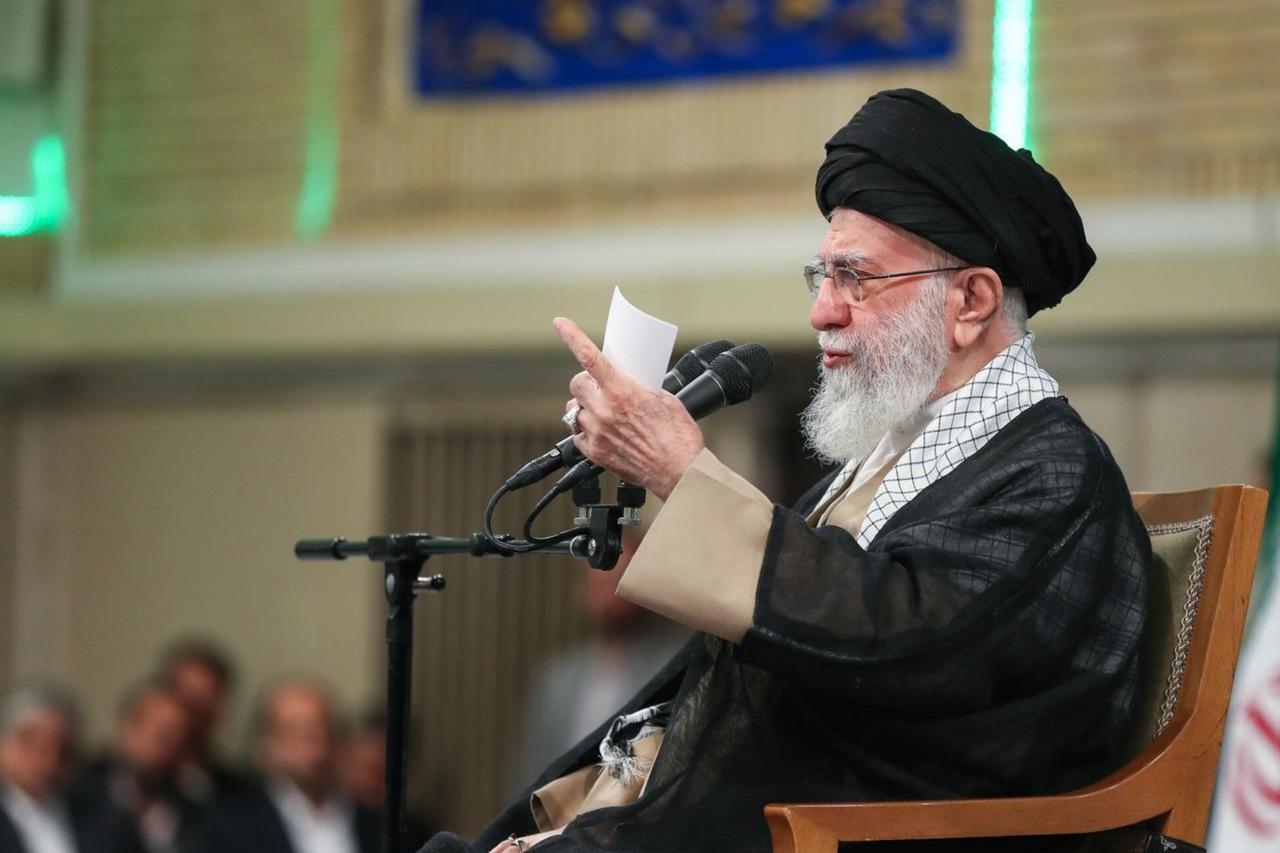
The move could put more pressure on Tehran as the Iranian government escalates a crackdown on anti-government demonstrations.
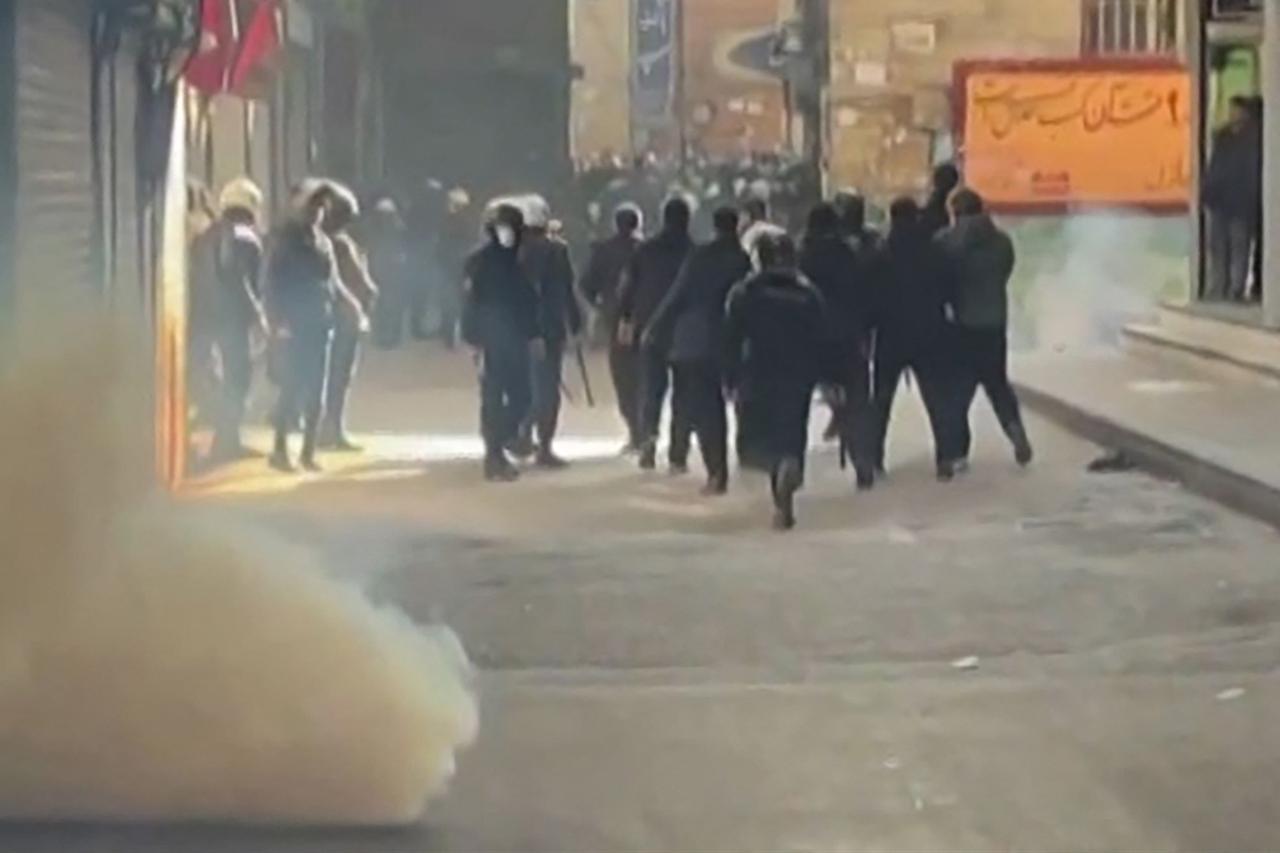
Protests began Dec. 28 at Tehran's Grand Bazaar due to the sharp depreciation of Iran's currency and worsening economic conditions, spreading to many cities across the country.
No official statement has been made about deaths or injuries in the demonstrations, but the Iranian Human Rights Activists News Agency (HRANA) reported in a statement on the demonstrations' 16th day that 646 people had died, including 133 security personnel and one prosecutor, nine of whom were under 18 years old, and 10,721 people had been arrested.
With increasing violence and police intervention in protests, the entire country's internet was shut down Jan. 9.


 Set as preferred source
 Set as preferred source


 1 min read
 1 min read