Newsletters


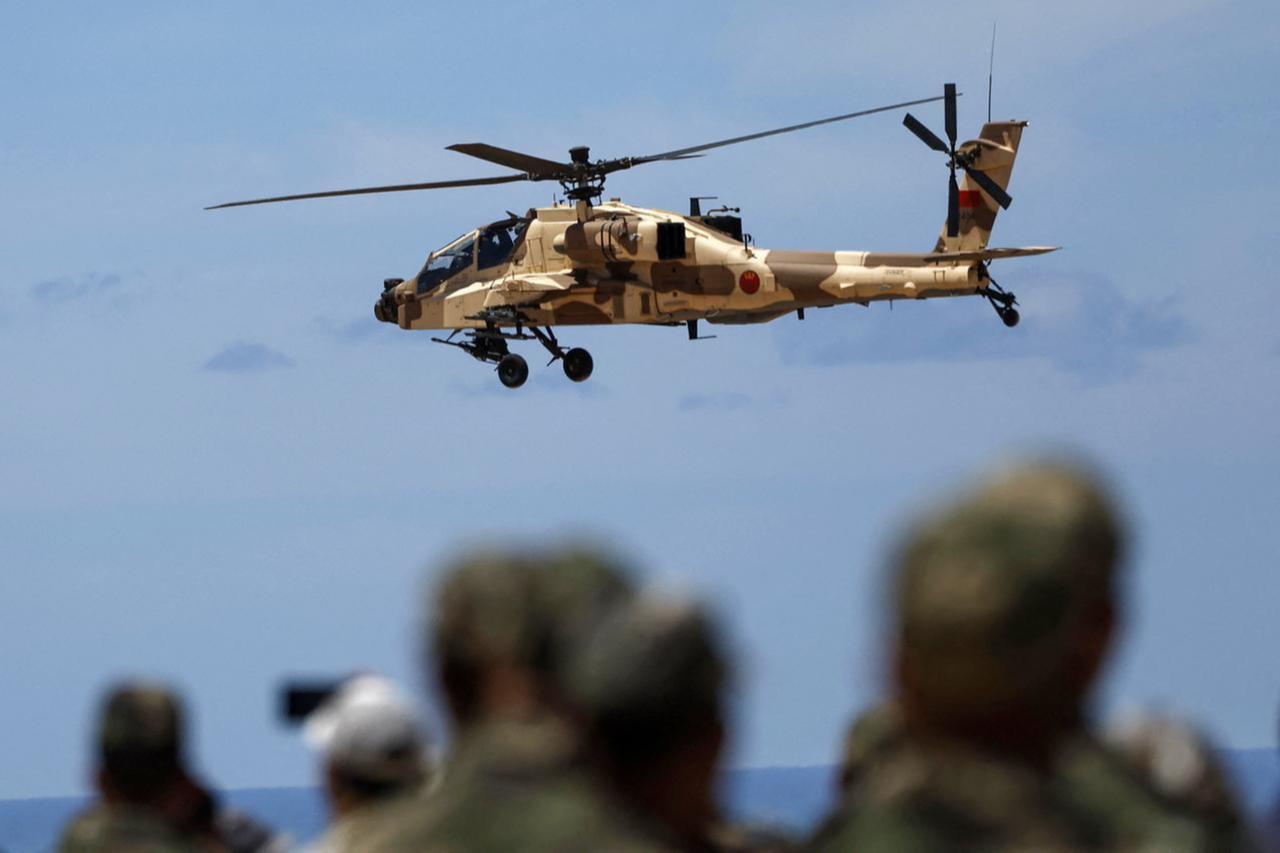


A U.S. Army Apache attack helicopter went down near the Strait of Hormuz on Monday, with President Donald Trump confirming that both crew members were safely rescued and suffered no injuries.
Speaking to reporters at the John F. Kennedy International Airport in New York late Monday, Trump acknowledged the incident and indicated that further details would be released soon.
"The pilots are fine. Yeah," Trump said. "Nobody injured. We are going to issue a report tomorrow. But the pilots are fine."
The cause of the crash remains under investigation. Officials cited by The New York Times said it was not immediately clear whether the helicopter was brought down by Iranian fire, suffered a mechanical failure or encountered another problem.
The downing had not been publicly disclosed before reports emerged Monday evening, and neither the White House nor U.S. Central Command immediately offered detailed comment.
The AH-64 Apache, one of the U.S. military's most heavily armed helicopters, has been deployed alongside MQ-9 Reaper drones and fighter jets in operations around the Strait of Hormuz.
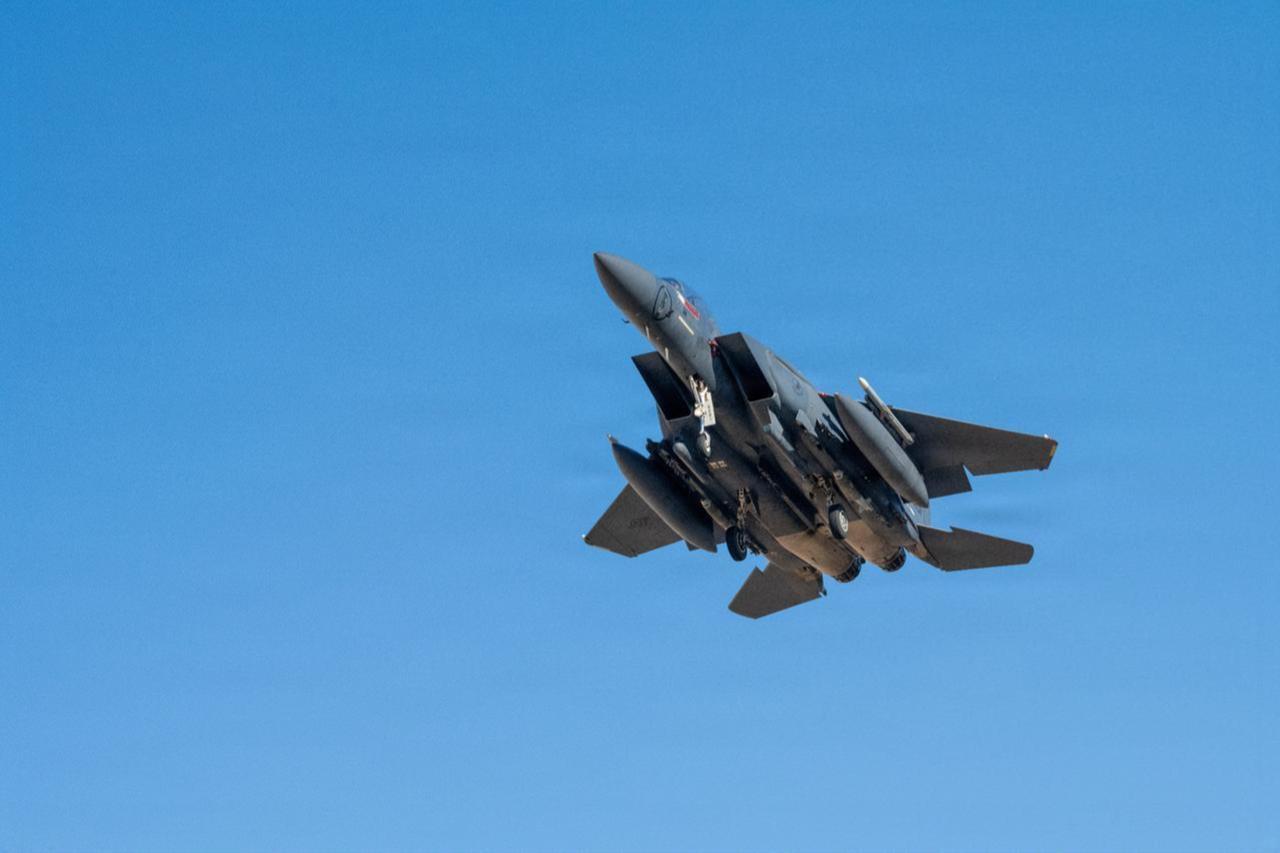
The incident marks the latest U.S. aircraft loss in the conflict and the first Apache helicopter to be lost. In April, two crew members of an F-15E Strike Eagle were rescued after ejecting from their aircraft when it was shot down by Iran.
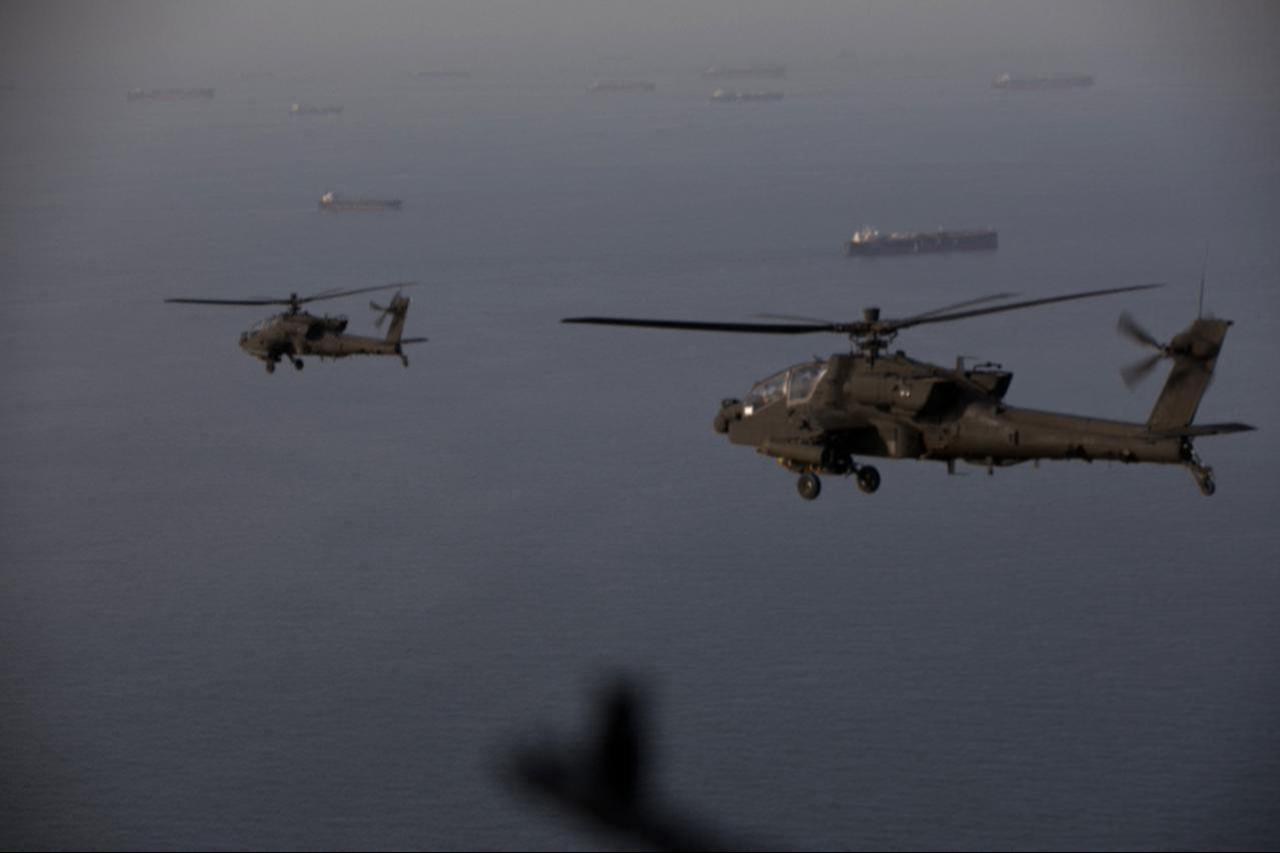

The helicopter went down near one of the world's most strategically important waterways, where tensions have remained elevated after months of confrontation between the U.S. and Iran.
U.S. forces have increasingly expanded operations near Iranian territory, including islands in and around the strait. Apache helicopters have been used to patrol the waterway, deter attacks by small boats and intercept drones.
At the same time, Washington and Tehran have continued intermittent talks aimed at restoring maritime traffic through the strait, even as military activity persists. Since imposing its own blockade in April, the U.S. forces have turned away more than 130 vessels attempting to access Iranian ports, according to CENTCOM.


 Set as preferred source
 Set as preferred source


 1 min read
 1 min read