Newsletters




Iran's supreme leader adviser Mohsen Rezaei openly mocked U.S. President Donald Trump on Thursday, accusing him of shifting from calculated pressure to outright desperation as military tensions between Washington and Tehran deepened dramatically, with Kuwait reporting active missile and drone interceptions and global oil prices briefly surpassing $100 a barrel.
Rezaei, posting on X, said Trump had moved from what he called the "Madman Game" to the "Desperate Man Game," calling the U.S. president "delusional" and warning that any American strikes on Iranian civilian infrastructure would be met with "escalating and severe" retaliation.
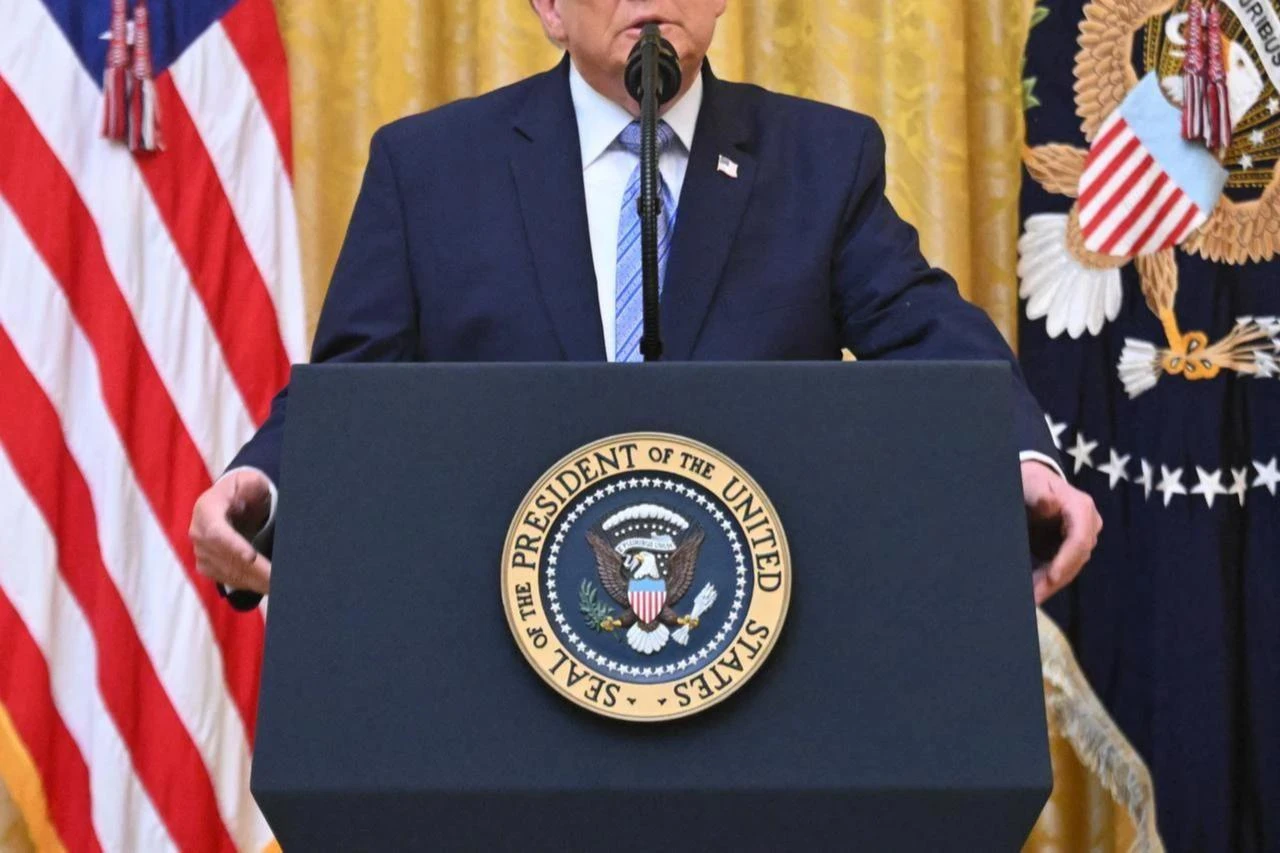
The comments came a day after Trump threatened to bomb Iranian bridges or power plants each time Tehran targeted a ship in the Strait of Hormuz, and hours after the president threatened a separate "massive" attack on Iran.
Kuwait's military announced Thursday that its air defense systems were actively intercepting hostile missile and drone attacks originating from Iran, urging civilians to follow safety guidance and noting that any audible explosions were the result of interceptions rather than successful strikes.
The announcement marked a significant escalation in the geographic spread of hostilities, drawing a Gulf Arab state directly into the crossfire of the U.S.-Iran confrontation.
Meanwhile, Iran's parliament speaker and chief nuclear negotiator, Mohammad Bagher Ghalibaf, took to social media to ridicule American military strategy in the Strait of Hormuz. "They wanted to punish Iran.
Punished themselves with triple-digit oil instead," he wrote. Brent crude, the international benchmark, briefly surpassed $100 a barrel on Thursday after Houthi forces struck two Saudi oil tankers, compounding pressure on global energy markets already strained by weeks of conflict.
The International Monetary Fund had earlier this month cut its global growth projection from 3.1 percent to 3.0 percent, citing the conflict as a contributing factor.
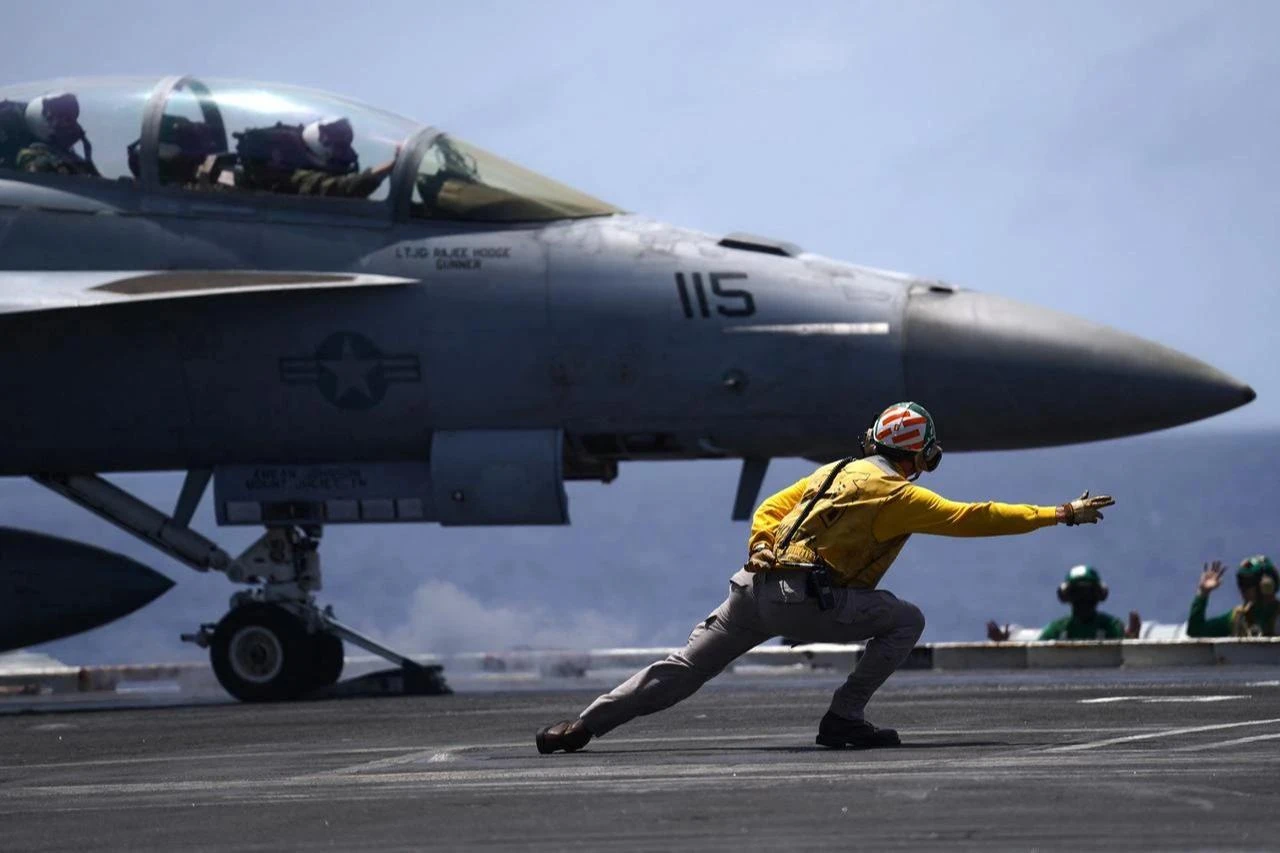

The U.S. military said Thursday it had "disabled" one commercial ship and redirected twelve others as part of a naval blockade against Iran that resumed nine days ago. U.S. Central Command said the actions were intended to prevent vessels from entering or leaving Iranian ports and coastal waters, though it provided no further details on the disabled ship or how the interdiction was carried out.
The blockade represents one of the most direct applications of U.S. naval power against Iranian commerce in the current conflict.
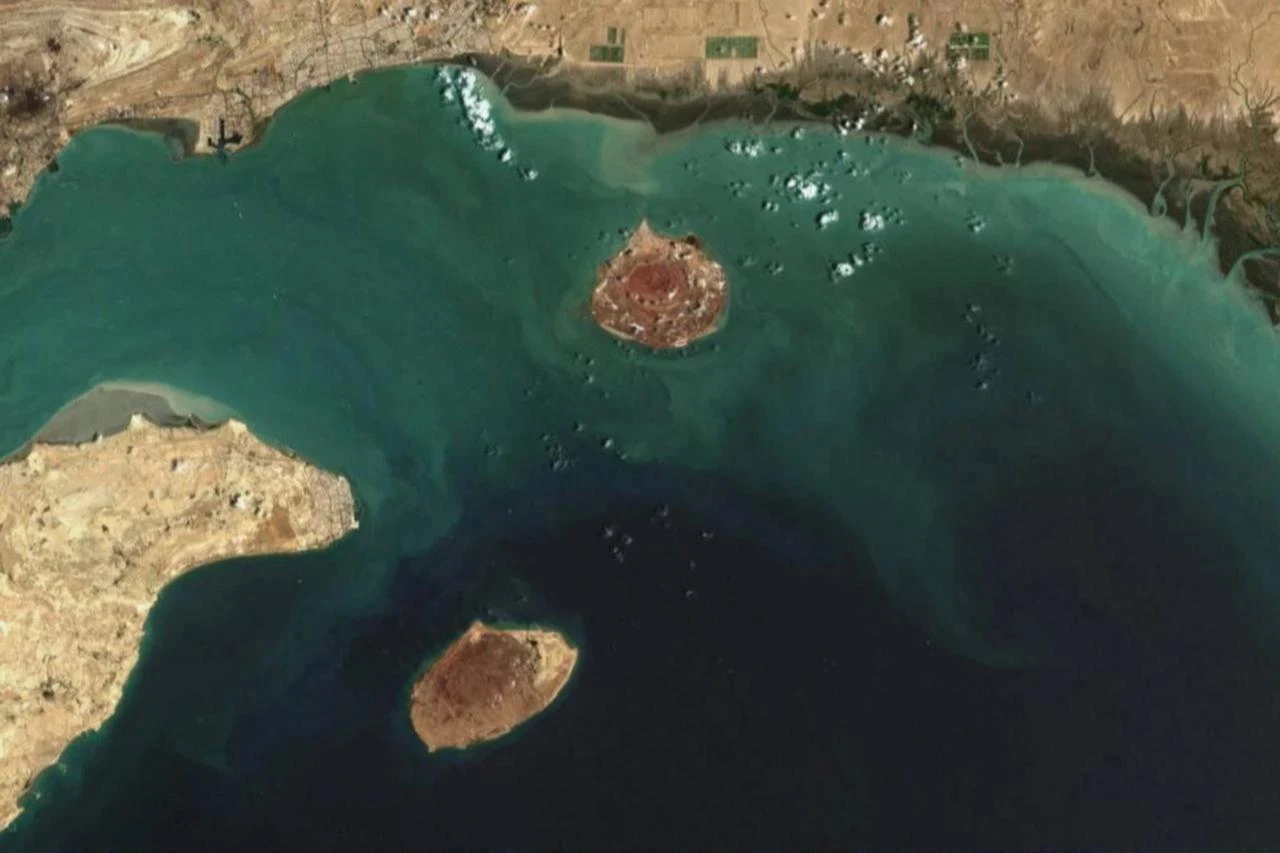
The Strait of Hormuz, a narrow waterway between the Persian Gulf and the Gulf of Oman, is one of the world's most strategically significant chokepoints, through which a significant share of global oil exports passes.
Disruption to shipping lanes there has historically caused immediate spikes in energy prices.
 1 min read
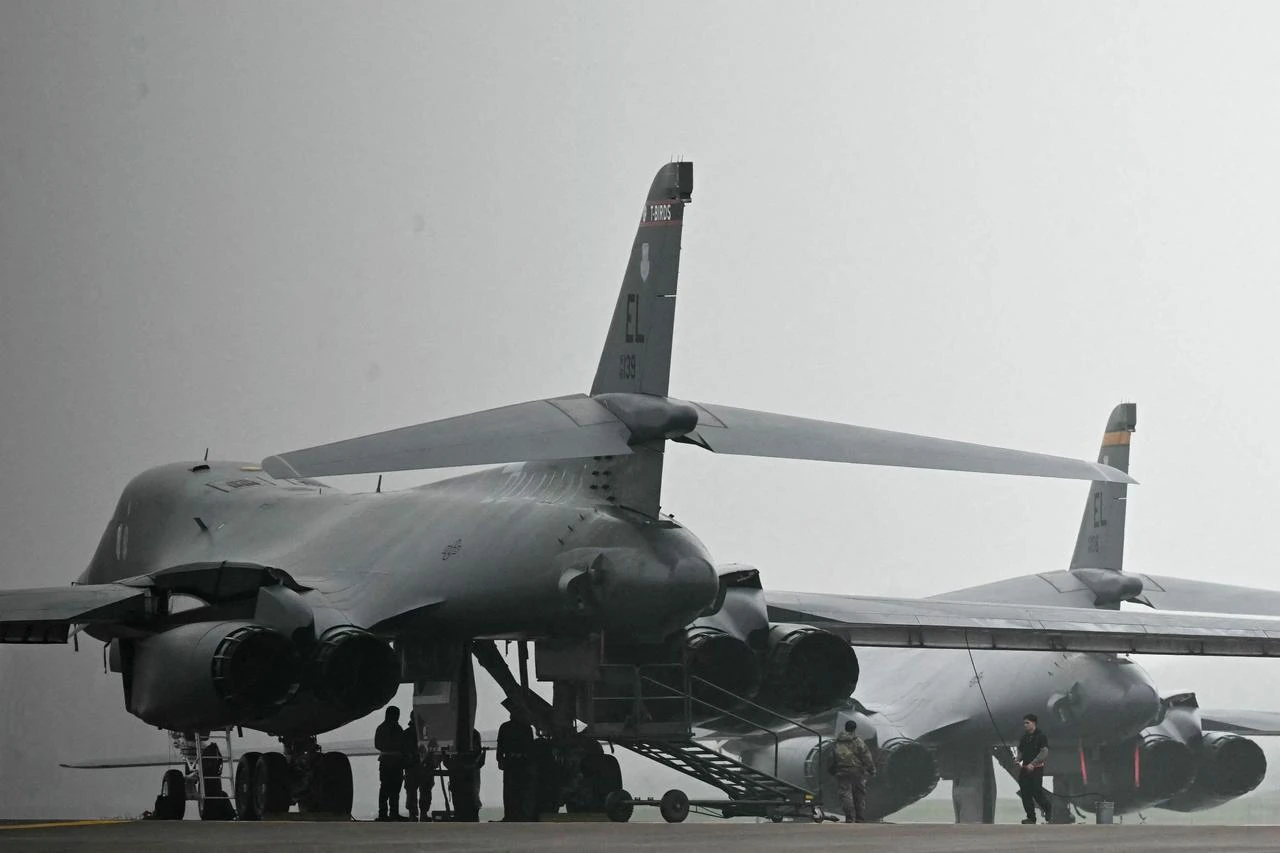
Britain said its armed forces were on standby following a warning from Iran's Revolutionary Guards concerning the use of British bases by U.S. bombers.
A government spokesperson said the UK's military "stands ready 24/7 to defend itself," citing a layered air and missile defense architecture drawing on Royal Navy, British Army, and Royal Air Force capabilities, all operating in coordination with NATO allies.
The exchange underlined how the U.S.-Iran confrontation was drawing in third-party nations, with London now publicly asserting its defensive posture as Iranian military rhetoric explicitly referenced British territory.
International humanitarian law prohibits attacks on civilian infrastructure unless it serves a direct and definite military purpose, a legal threshold that has become a point of contention as Trump's stated threats against Iranian power plants and bridges drew scrutiny from legal analysts and advocacy groups.


 Set as preferred source
 Set as preferred source


 1 min read