Newsletters


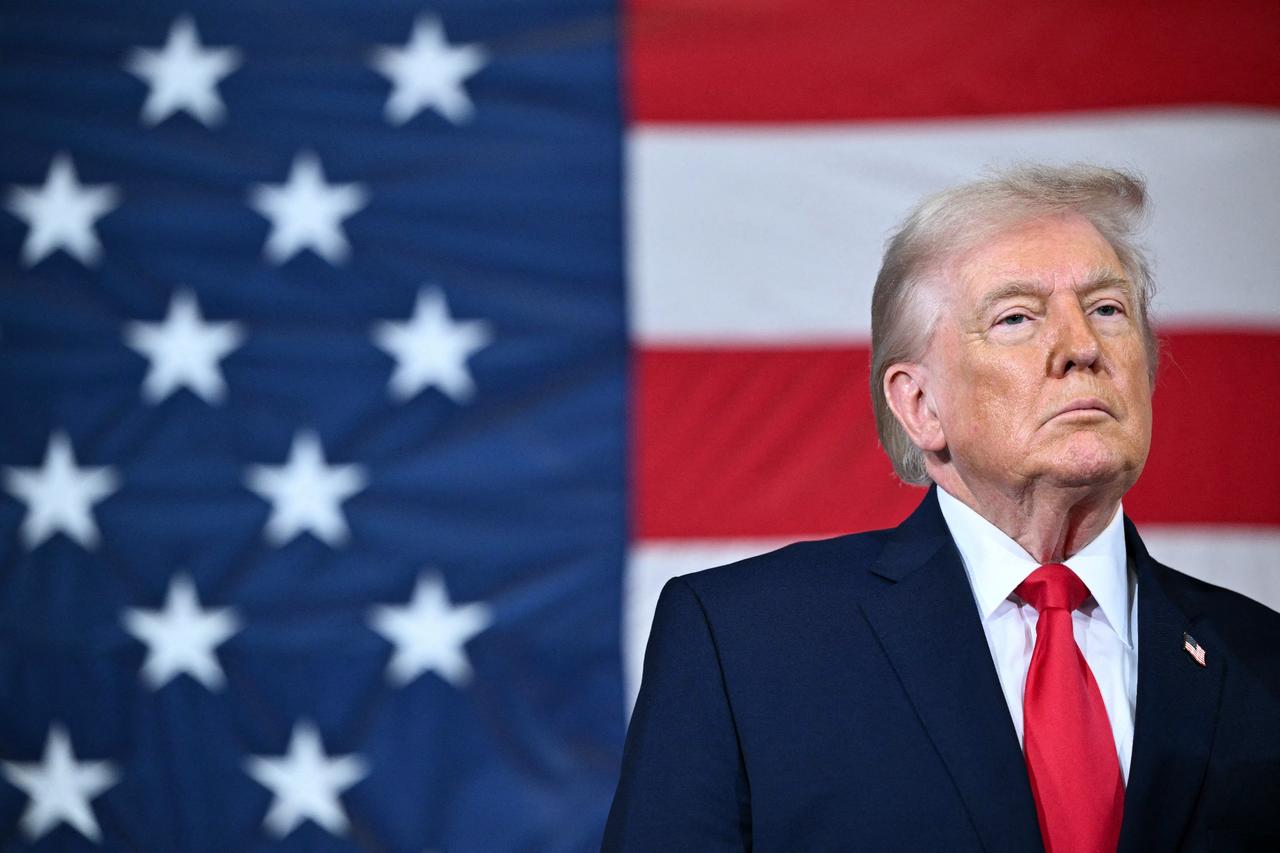


U.S. President Donald Trump has told advisers that if diplomacy or an initial targeted U.S. attack does not lead Iran to give up its nuclear program, he will consider a much bigger attack in the coming months intended to drive the country's leaders from power, the New York Times (NYT) reported Sunday.
Negotiators from the United States and Iran are scheduled to meet in Geneva on Thursday, Feb. 26, for what appears to be last-ditch negotiations to avoid military conflict. But Trump has been weighing options for U.S. action if talks fail.
Though no final decisions have been made, Trump has been leaning toward conducting an initial strike in the coming days intended to demonstrate to Iran's leaders that they must agree to give up the ability to make a nuclear weapon.
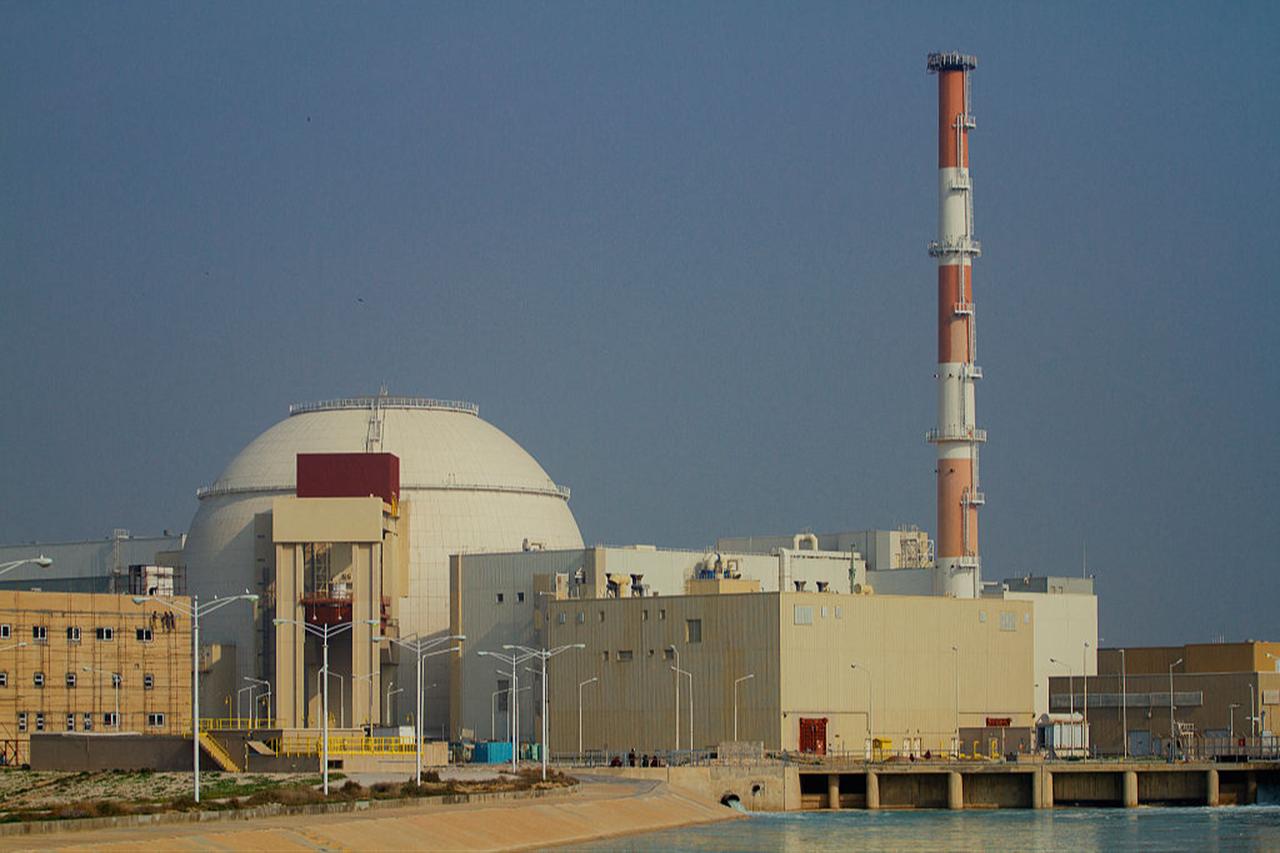
"Targets under consideration range from the headquarters of Iran's Islamic Revolutionary Guard Corps (IRGC) to the country's nuclear sites to its ballistic missile program," the report said.
Should those steps fail to convince Tehran to meet his demands, Trump told advisers he would leave open the possibility of a military assault later this year intended to help topple Ali Khamenei, the report noted.
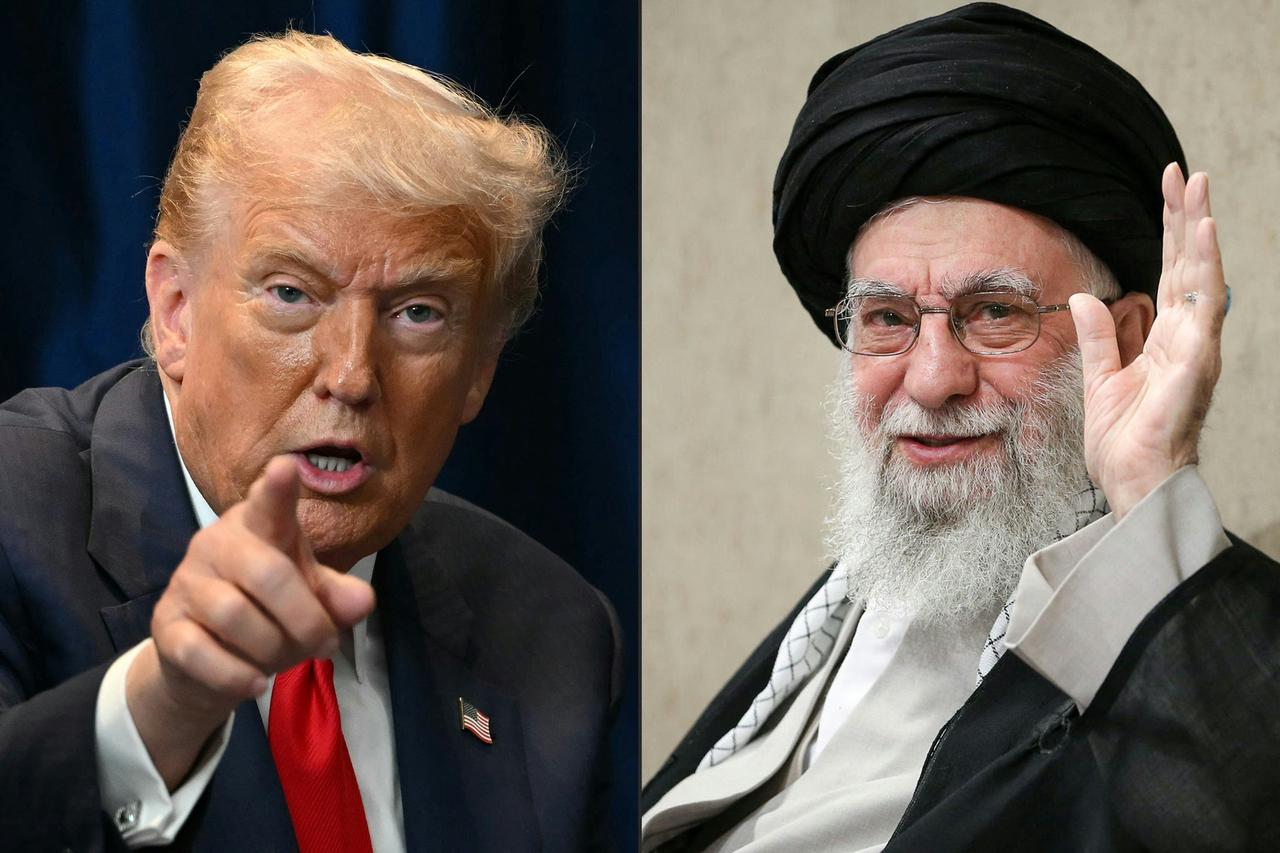

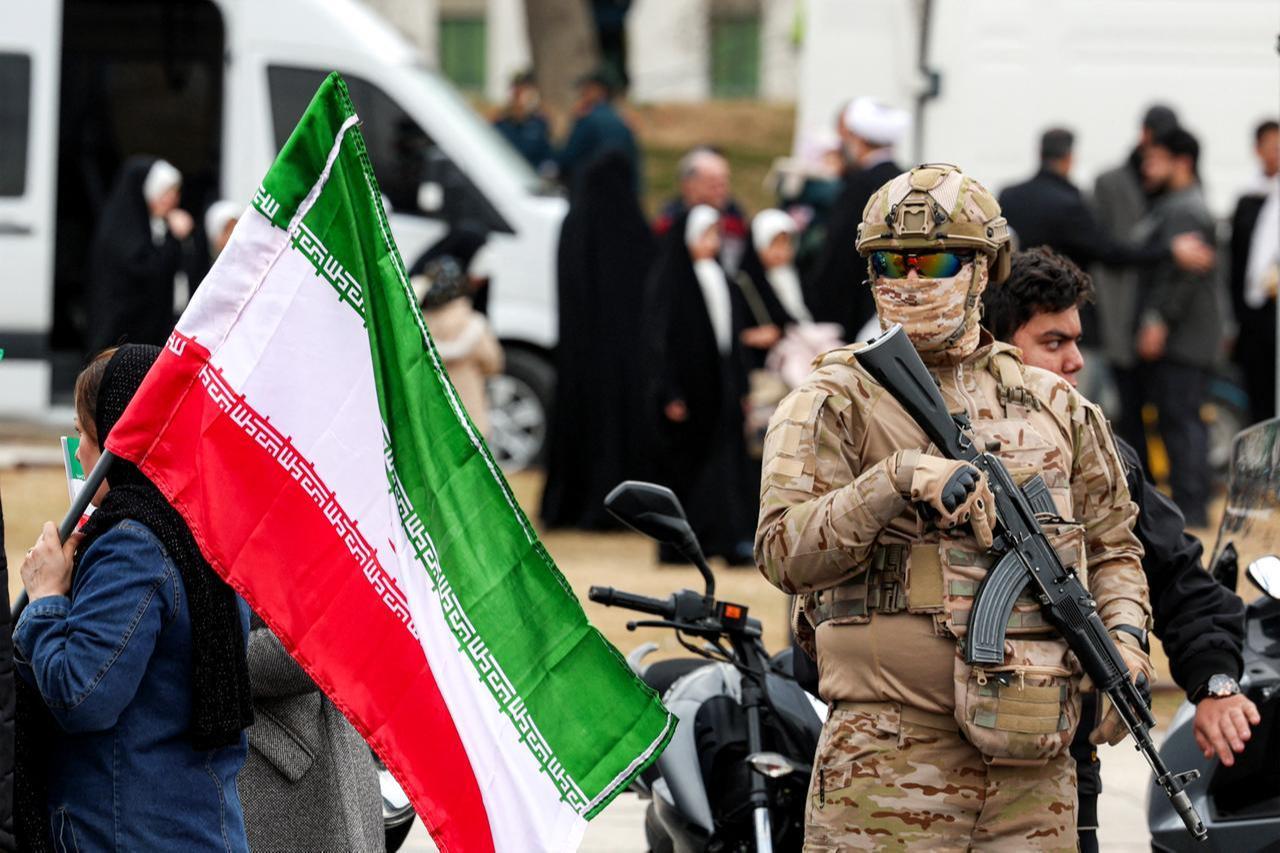
U.S. and other Western security officials said they are monitoring increasingly worrisome signs that Iran could direct proxies to conduct retaliatory attacks against American targets in Europe and the Middle East if Trump orders large-scale strikes, the Times reported separately.
The officials, speaking on condition of anonymity to discuss confidential intelligence assessments, said they have not yet detected any specific plots in the works. But they said heightened "chatter," intelligence jargon for electronic intercepts of communications, indicates some level of attack planning and coordination.
There is concern among intelligence and counterterrorism officials that Tehran could enlist the Houthis in Yemen to resume attacks on Western shipping in the Red Sea.
There is also concern in Europe that Hezbollah sleeper cells or even al-Qaida or its affiliates could be ordered to attack American bases or embassies.
One senior U.S. official speaking to NYT said, government analysts were tracking "a lot" of activity and planning but that it was unclear what could trigger an attack.
Behind the scenes, a new proposal is being considered by both sides that could create an off-ramp: a very limited nuclear enrichment program Iran could carry out solely for medical research and treatments.
The proposal emanated from Rafael Grossi, director general of the International Atomic Energy Agency (IAEA). Under it, Iran would be permitted to produce very small amounts of nuclear fuel for medical purposes at the Tehran Research Reactor.
Iran could claim it was still enriching uranium. Trump could make the case that Iran is shuttering all facilities that would enable it to build a weapon.
It is unclear whether either side would agree. Steve Witkoff, the president's special envoy, said Trump's "clear direction" was that the only acceptable outcome was "zero enrichment."
Iranian Foreign Minister Abbas Araghchi insisted Iran was not ready to give up its "right" to make nuclear fuel.
Trump discussed plans for strikes in the White House Situation Room on Feb. 18.
The meeting included Vice President JD Vance, Secretary of State Marco Rubio, Joint Chiefs Chairman Gen. Dan Caine, CIA Director John Ratcliffe and Chief of Staff Susie Wiles.
Gen. Caine discussed operational capabilities but has not been able to deliver the same reassurances he gave Trump during the Venezuela operation, in large measure because Iran is a far more difficult target, the Times reported.
Vance, who has long called for more restraint in overseas military action, did not oppose a strike but intensely questioned Gen. Caine and Ratcliffe, pressing them on risks and complexity.
"Plans for special operations commando raids on buried Iranian facilities have been shelved as too dangerous," multiple U.S. officials said.
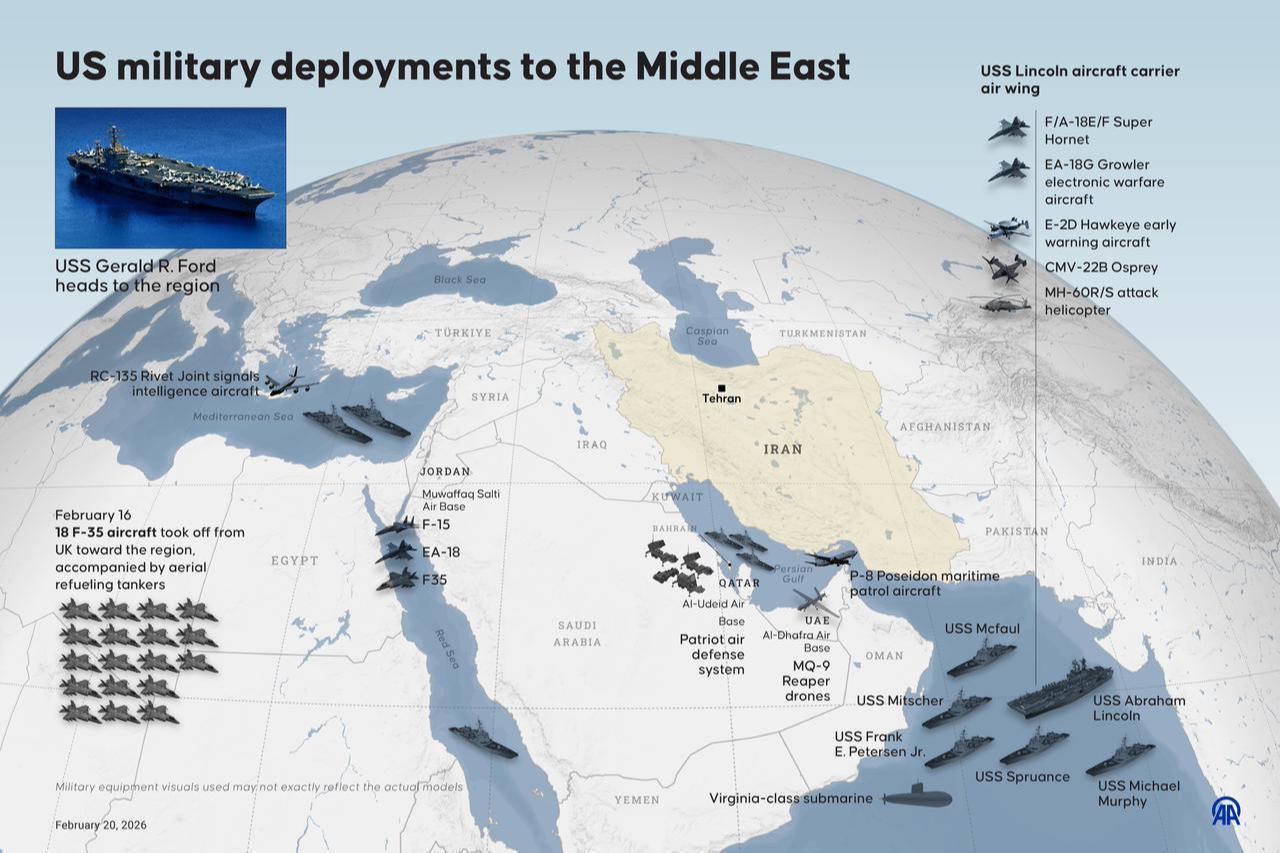
Two aircraft carrier groups, scores of fighter jets, bombers and refueling planes, and antimissile batteries have poured into the region, the largest military force concentrated there since the 2003 Iraq invasion.
Satellite imagery shows at least 66 fighter jets at Muwaffaq Salti Air Base in Jordan, including 18 F-35s, 17 F-15s and eight A-10s. EA-18 electronic warfare aircraft and cargo planes have also been spotted at the base.
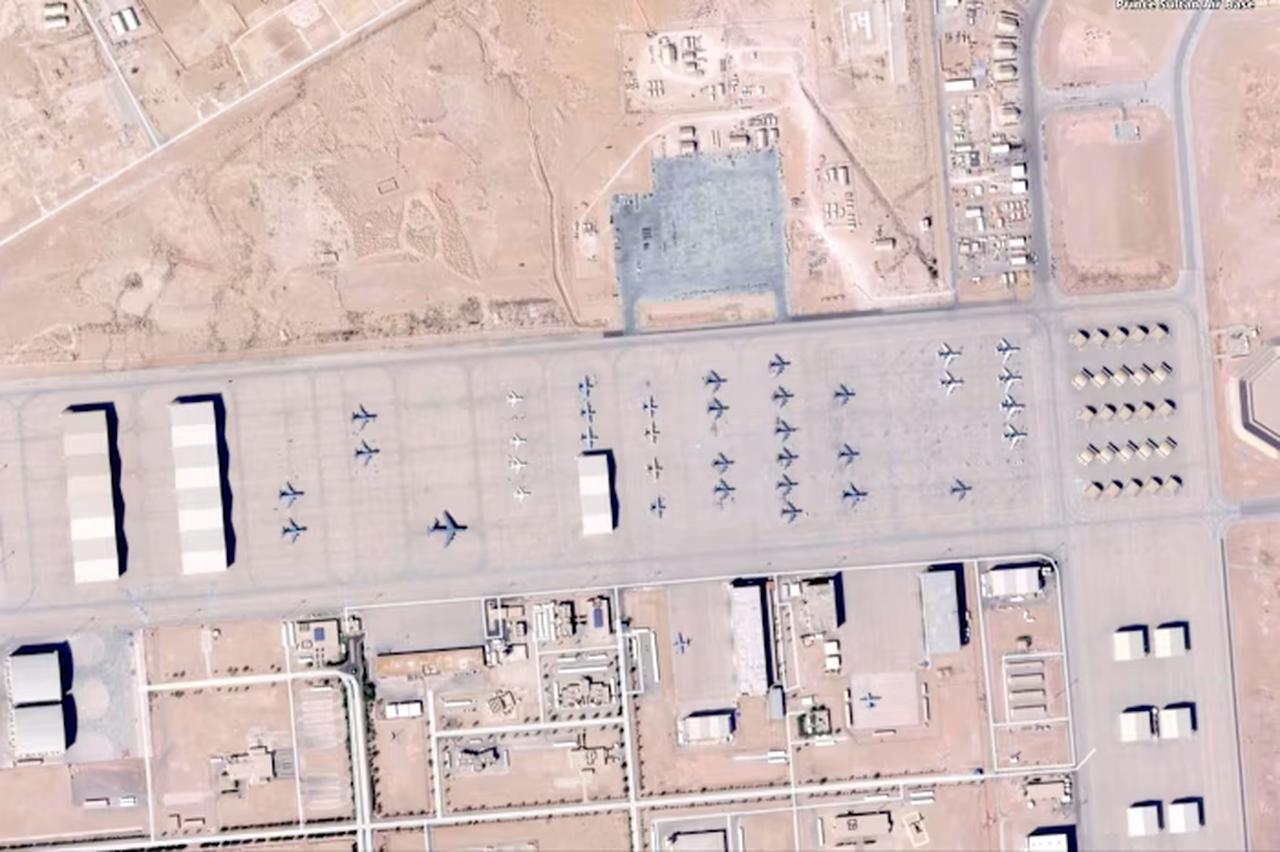
Satellite images also show an increase in jets at Prince Sultan Air Base in Saudi Arabia, including E-3 airborne warning and control system planes and C-130 and C-5 transport aircraft.
The USS Gerald R. Ford was in the Mediterranean south of Italy on Sunday and will soon be off Israel's coast. The USS Abraham Lincoln is already in the region carrying F-35s. There are 16 warships plus two support ships.
The naval fleet is the largest in the Middle East since five aircraft carrier strike groups were dispatched for the start of the 2003 Iraq invasion, according to the Center for Strategic and International Studies (CSIS).
Separately, the Financial Times (FT) reported Iran agreed a secret €500 million ($590.8 million) arms deal with Russia in December to acquire 500 man-portable Verba launch units and 2,500 missiles over three years to rebuild air defenses damaged during last year's conflict with Israel.
Under the contract, deliveries are scheduled in three tranches from 2027 through 2029.
Tehran reportedly requested the systems July 2025, days after the 12-day conflict in which the U.S. briefly joined Israel in strikes on Iran's three key nuclear facilities.
During that campaign, Iran's integrated air-defense network was heavily degraded, enabling Israel's air force to rapidly establish air superiority over large parts of the country.
"Russia would likely have viewed the deal as a way to help rebuild ties with Iran after it conspicuously failed to come to its ally's aid during the war with Israel," a former senior U.S. official who spoke to FT said.


 Set as preferred source
 Set as preferred source


 1 min read
 1 min read