

 Newsletters


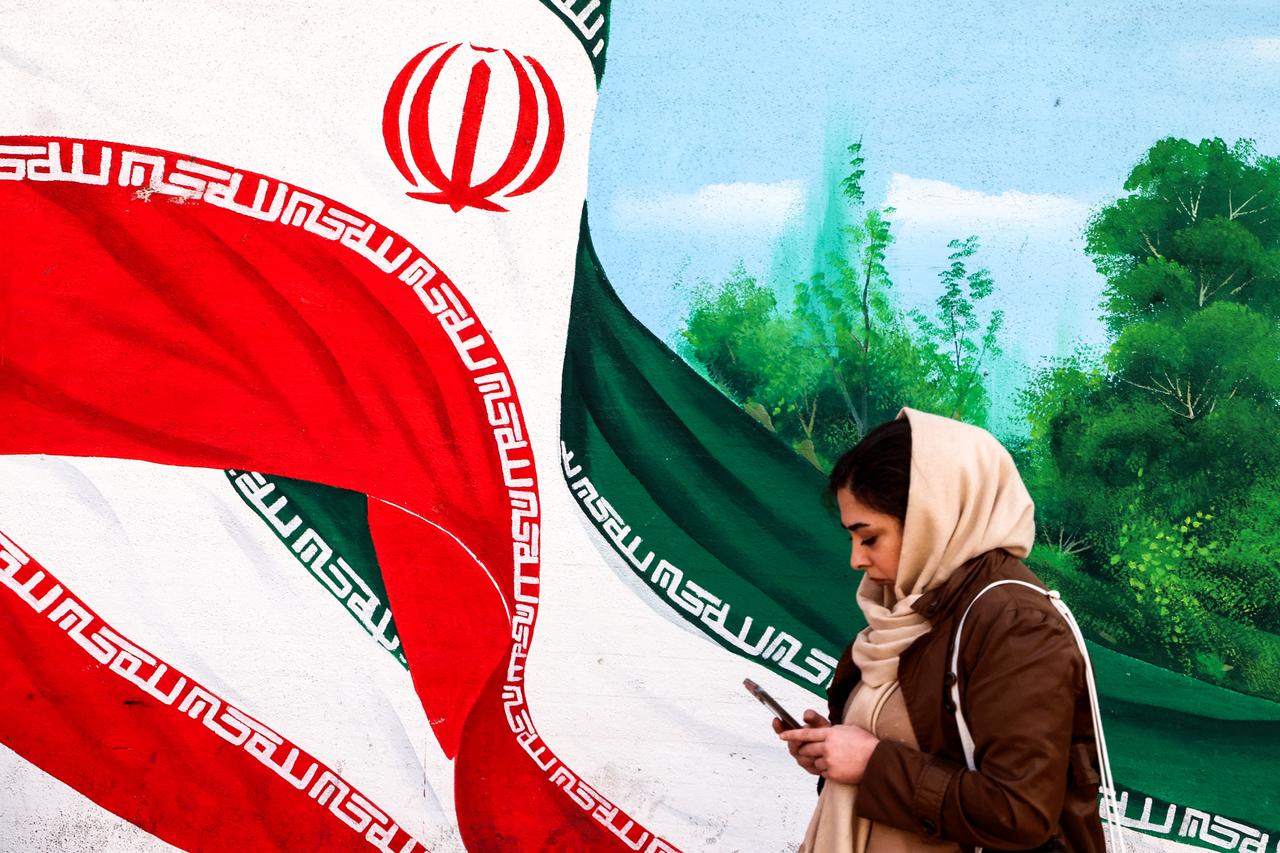


Iran and the United States have differing views over the scope and mechanism to lift sanctions on Tehran in exchange for curbs on its nuclear program, a senior Iranian official told Reuters exclusively on Sunday, Feb. 22, adding that new talks were planned in early March.
"The negotiations continue, and the possibility of reaching an interim agreement exists," the Iranian official said.
"The last round of talks showed that U.S. ideas regarding the scope and mechanism of sanctions relief differ from Iran’s demands. Both sides need to reach a logical timetable for lifting sanctions," the official who spoke to Reuters said.
"This roadmap must be reasonable and based on mutual interests," the official added.
"Tehran would likely suspend participation in talks if the U.S. launched a strike," according to a senior government official in the region speaking to Bloomberg, who asked not to be identified discussing private deliberations.

The official said Tehran could seriously consider a combination of exporting part of its highly enriched uranium (HEU) stockpile, diluting the purity of its HEU, and establishing a regional consortium for enriching uranium—but in return, Iran's right to "peaceful nuclear enrichment" must be recognized.
"Tehran will not hand over control of its oil and mineral resources," the official added, noting that, "Ultimately, the U.S. can be an economic partner for Iran, nothing more. American companies can always participate as contractors in Iran’s oil and gas fields."
"Within the economic package under negotiation, the United States has also been offered opportunities for serious investment and tangible economic interests in Iran’s oil industry," the official said.
U.S. Middle East Special Envoy Steve Witkoff claimed that Iran is "probably a week away" from producing industrial-grade bomb-making material.
"They probably, for them to have industrial-grade bomb-making material, it takes them about a week, and that's very dangerous. We cannot allow that," Witkoff said during an interview with Fox News on Feb. 21.
Witkoff said U.S. President Donald Trump gave him and Jared Kushner certain directives with "red lines" for negotiations.
"There will be no enrichment. We need to get the materials back," Witkoff said, noting that while Iran claims its enrichment is for civilian purposes, the amount exceeds civilian needs.
Witkoff said Trump wonders why Iran has not told Washington, "We don't want nuclear weapons," despite the pressure and U.S. naval forces in the region.
"I don't want to use the word 'surrender,' but he wonders why Iran still hasn't surrendered," Witkoff said.
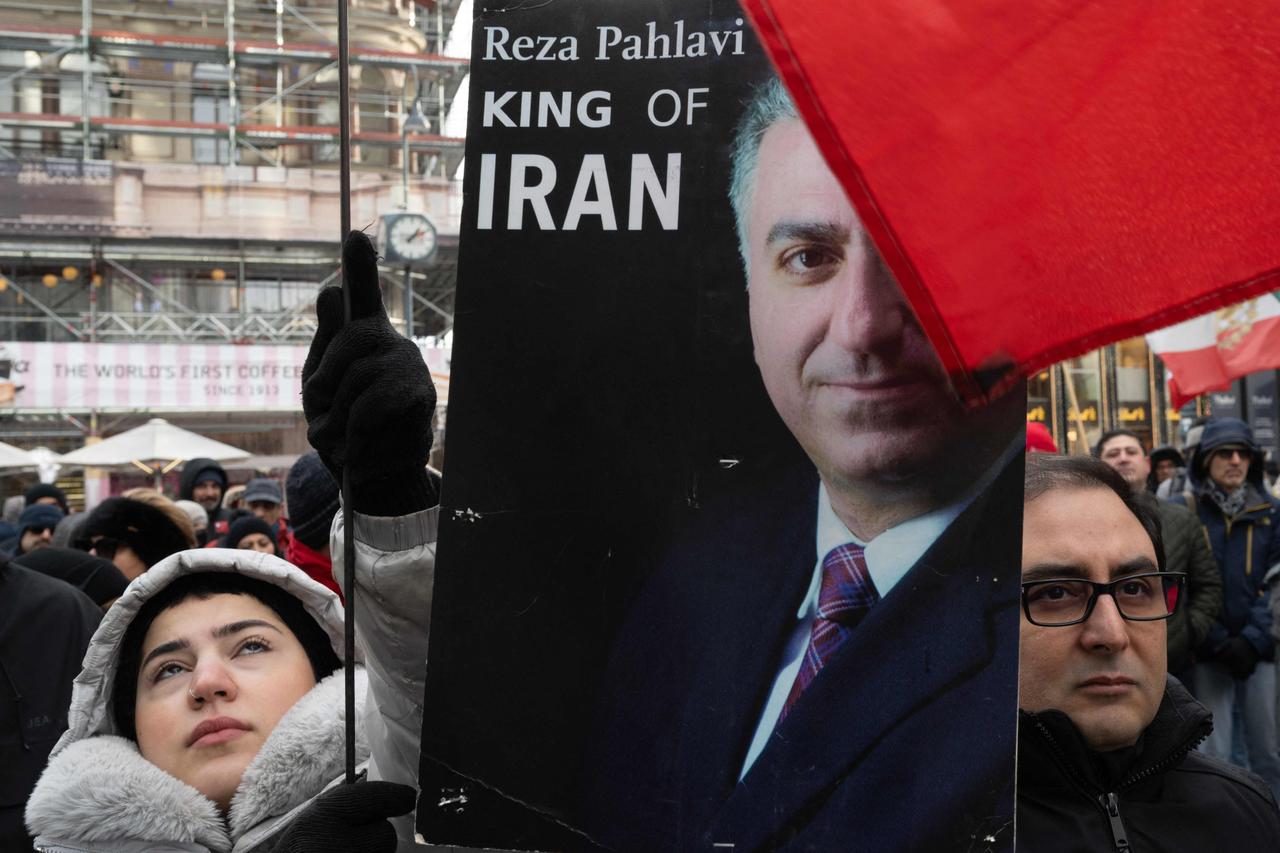
Witkoff disclosed that he met with Reza Pahlavi, the son of the deposed Shah, to discuss the protests in Iran at President Trump's direction.
"I think he's a strong person for his country. He cares about his country, but this is about President Trump's policies, not Pahlavi's policies. I think the U.S. president is interested in everyone's opinions," Witkoff said.
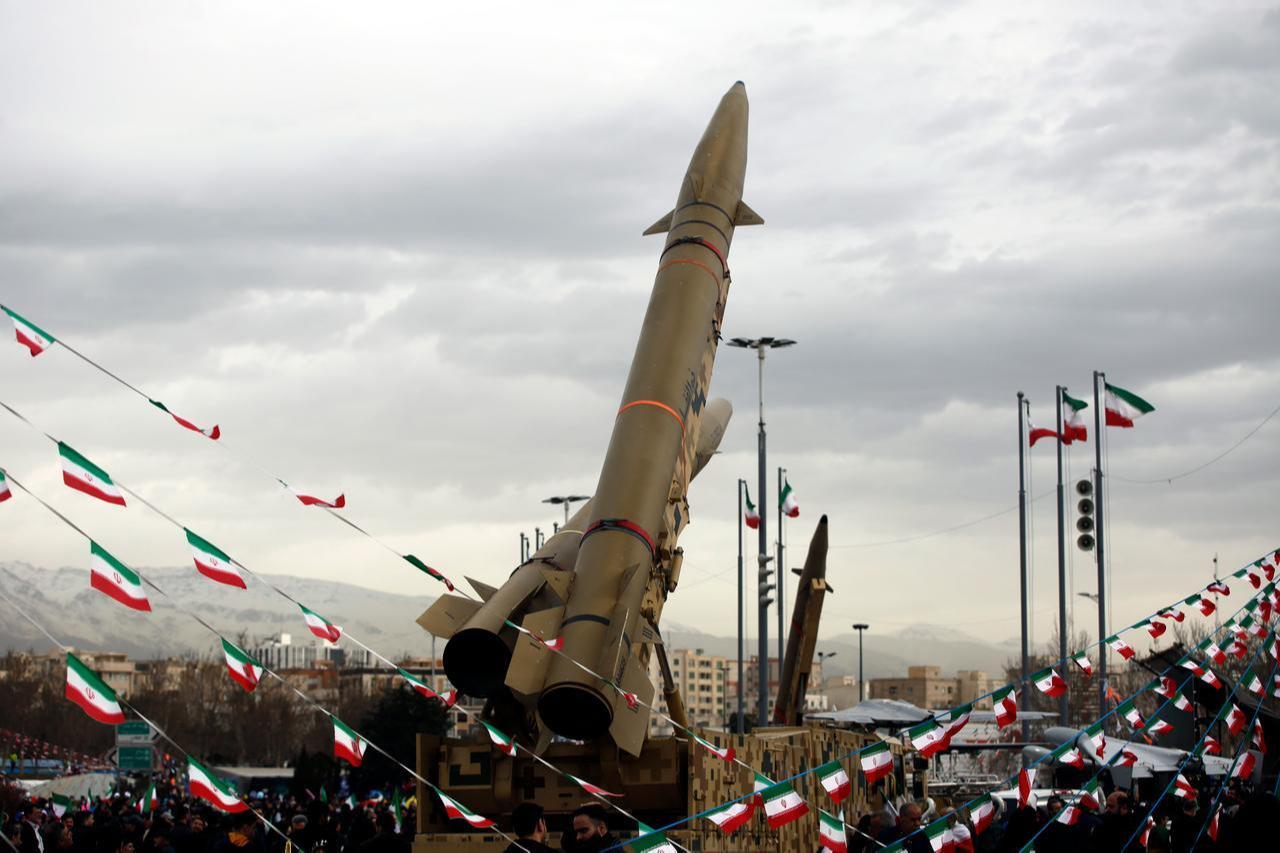
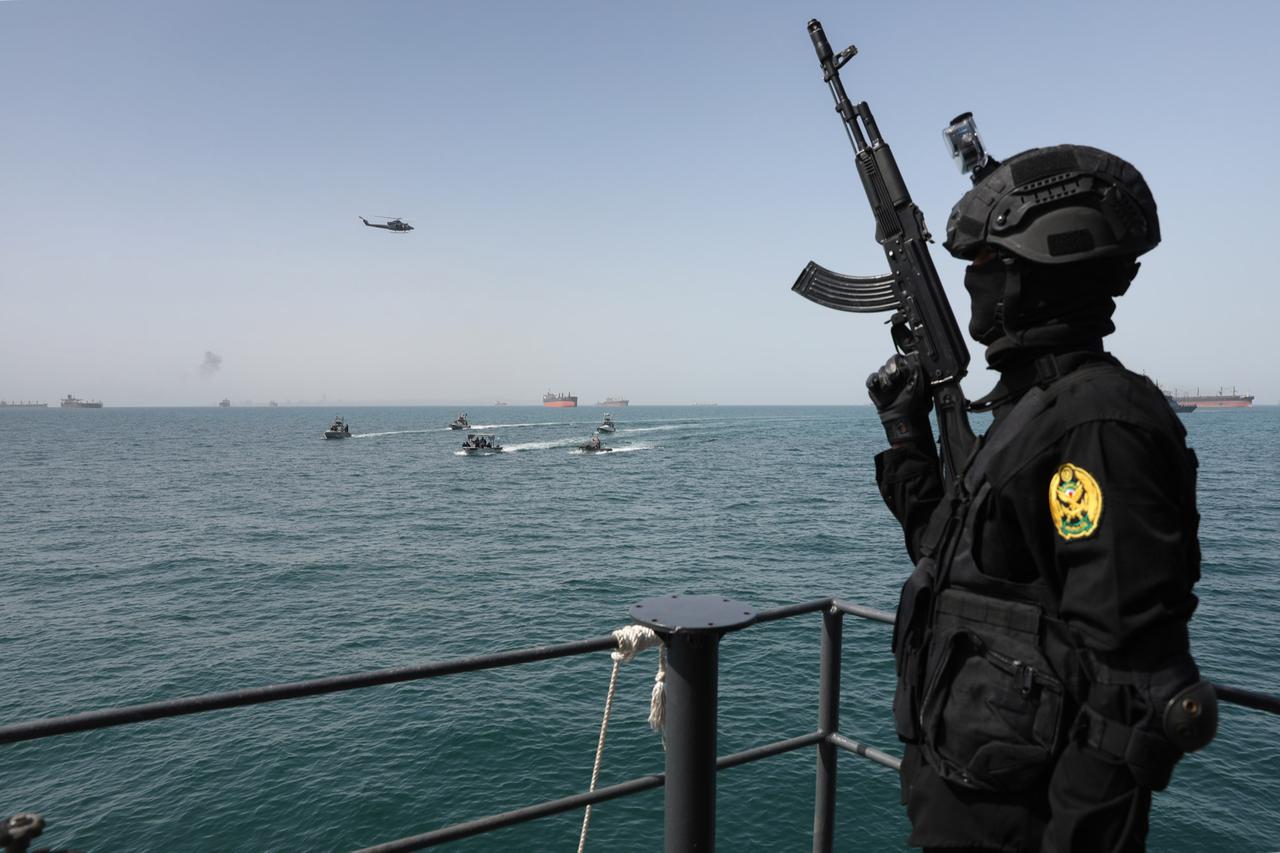
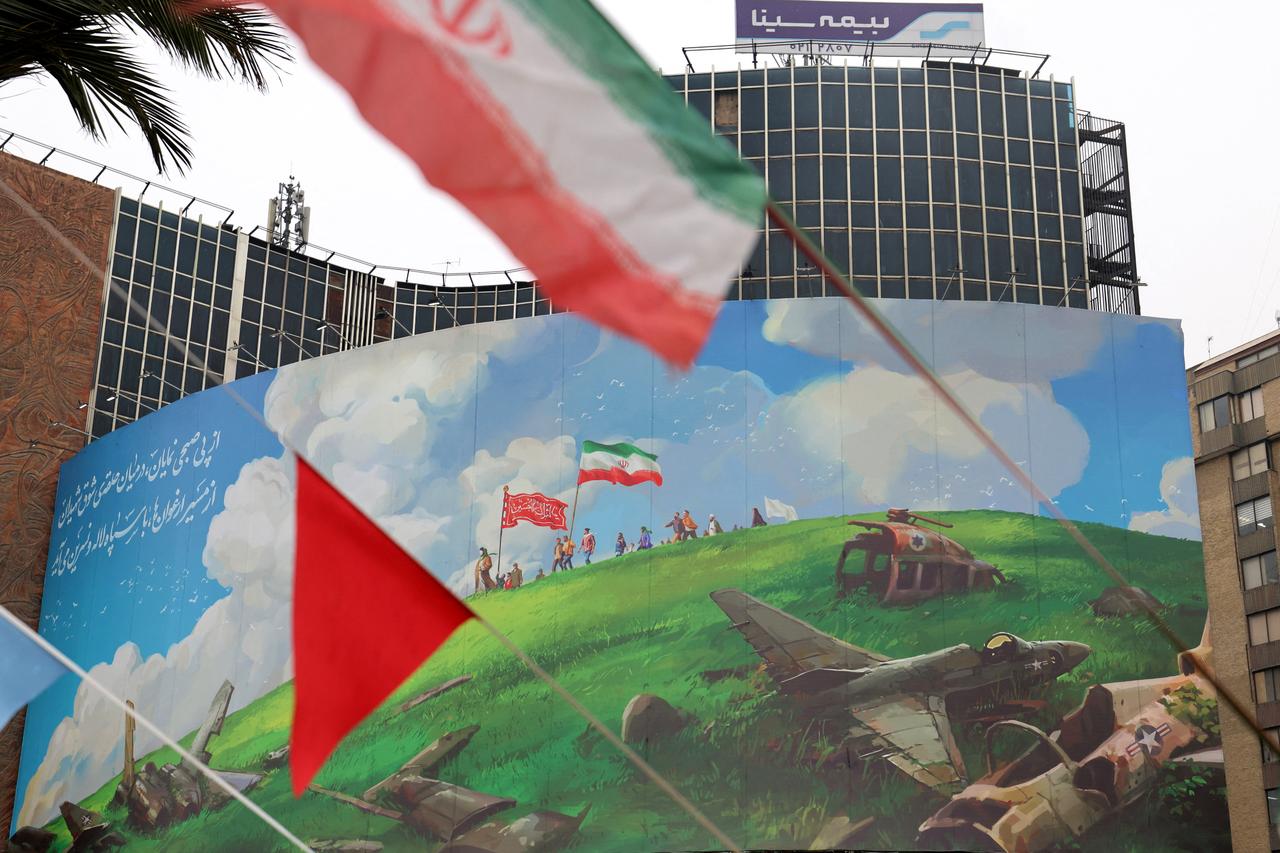
Meanwhile, Iranian Army Ground Forces Commander Brigadier General Ali Jahanshahi said military exercises in the region must continue and that "all enemy movements are being continuously monitored."
During a visit to a military unit in Piranshahr city on the Iraqi border in West Azerbaijan province, Jahanshahi emphasized that ground forces are doing everything to protect the country's territory.
"All enemy movements are constantly being monitored. Our soldiers will not allow any hostile action against these lands with advanced capabilities," Jahanshahi said.
He claimed Iran has reached a level where it can destroy potential threats "at the initial stage."
Witkoff also addressed the Russia-Ukraine war, calling it "ridiculous" and noting that the parties are essentially in disagreement over territory.
"Neither side actually wants to fight," Witkoff assessed, attributing the stalled peace process to "difficulties at the leadership level."
He said they have presented proposals to both sides that could produce results within three weeks, potentially culminating in a summit between Ukrainian President Volodymyr Zelenskyy and Russian President Vladimir Putin, with a three-way meeting including Trump, possible at a later stage.
Witkoff said Putin has "always been open" with him and has stated his red lines clearly.
"We understand where they stand, and I don't think the Ukrainians object to our assessment. That's why I think these talks are important, and I hope we will conclude this process," Witkoff said.


 Set as preferred source
 Set as preferred source


 2 min read
 1 min read


