Newsletters


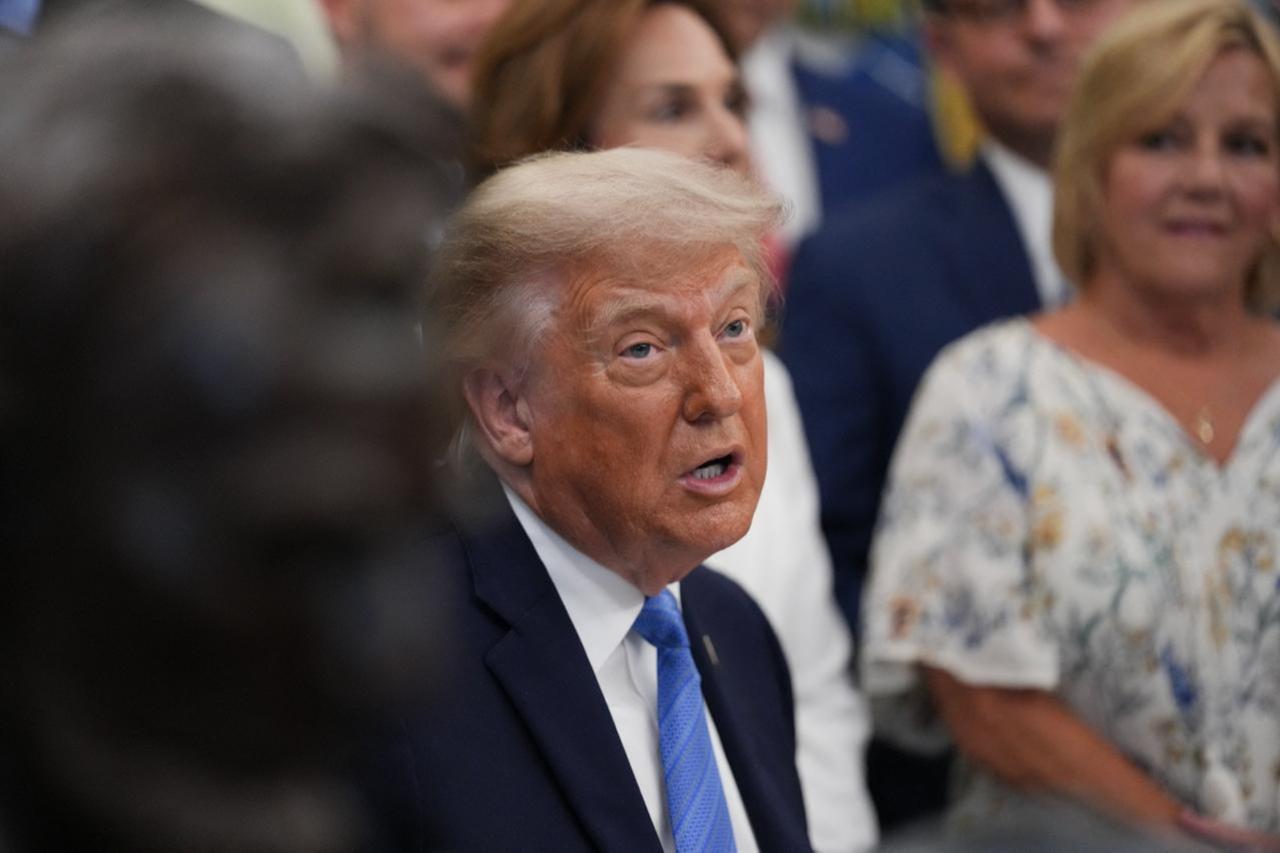


U.S. President Donald Trump announced Saturday that a peace agreement with Iran would be signed the following day, declaring the Strait of Hormuz would reopen upon signing and that the United States would collect and destroy Iran's nuclear material, even as Tehran publicly contradicted several of those terms and said no signing was imminent.
Trump posted on social media that the two countries' relationship was "completely different and much better than the relationships of previous administrations," framing the prospective accord as a historic break from decades of enmity.
Under his version of the deal, no money would change hands, Iran would forgo nuclear weapons, and the U.S. would take possession of and destroy its enriched material.
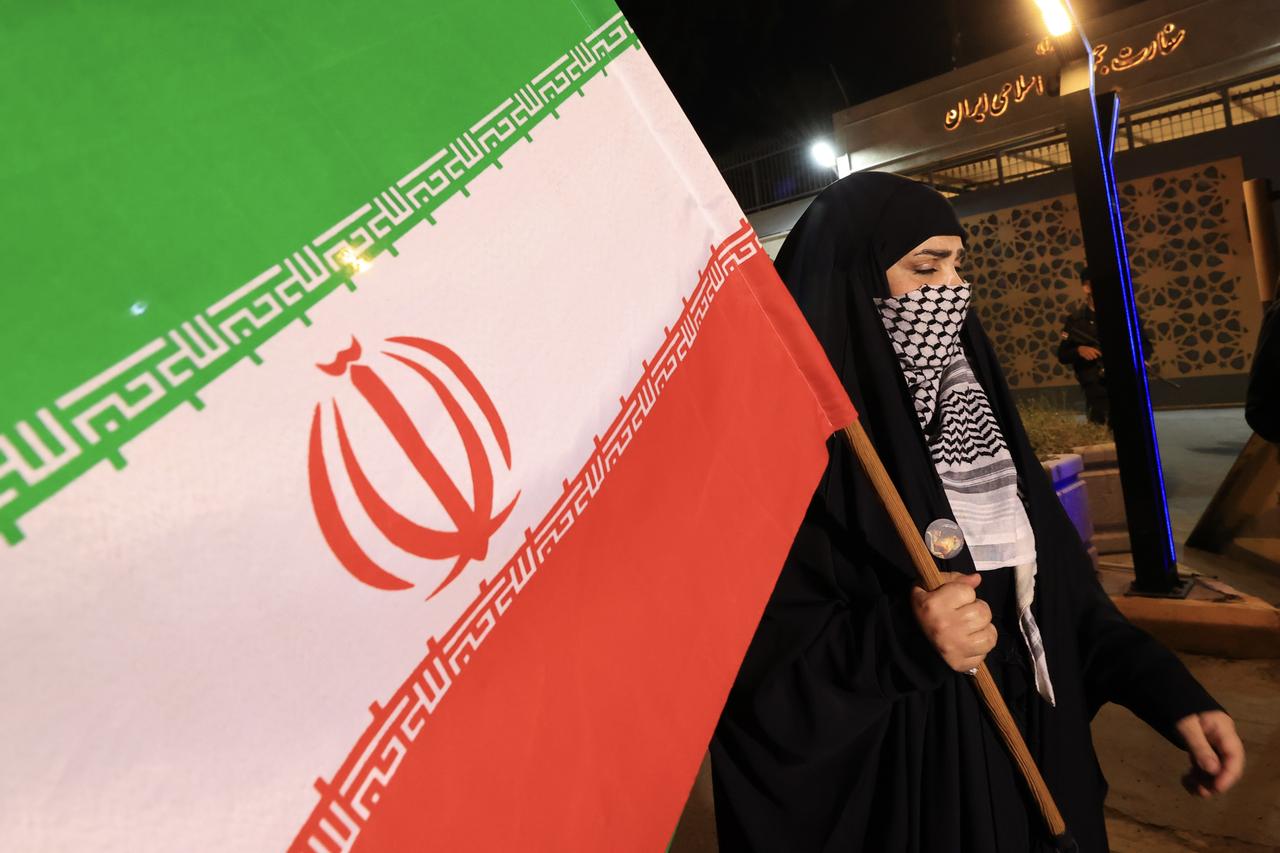
Iran's Foreign Ministry, however, offered a starkly different picture, saying the Islamabad Memorandum of Understanding, the framework document at the center of the talks, would not be signed on Sunday, and pointedly asserted that nuclear issues were not part of the current negotiations at all.
Foreign Ministry spokesman Esmaeil Baghaei, speaking through state-run Tasnim News Agency, said the MoU "focuses on ending the war," and that "at this stage it has been decided that there will be no discussion on the nuclear issue," a formulation that directly contradicts Washington's public account of the agreement's core purpose.
On timing, Baghaei left the door open for a near-term signing, saying "the possibility of this happening in the coming days cannot be ruled out," while attributing the delay to what he described as "hesitation" on the American side. He said any comment on a signing date required "caution" for that reason.
The gap between the two sides' characterizations of the deal's substance, particularly on nuclear commitments, represents a significant complication in talks that have stretched across months of direct and indirect negotiations, punctuated by repeated military escalations and ceasefire extensions.
The announcement came hours after Pakistani Prime Minister Shehbaz Sharif posted on X that the two countries were "closer to a peace deal than ever before," with finalization "likely expected in the next 24 hours."
Sharif said Pakistan was preparing for the electronic signing of the agreement to be followed by technical-level talks the following week. "We are confident that this historic peace deal will form a strong foundation for lasting peace," he said.
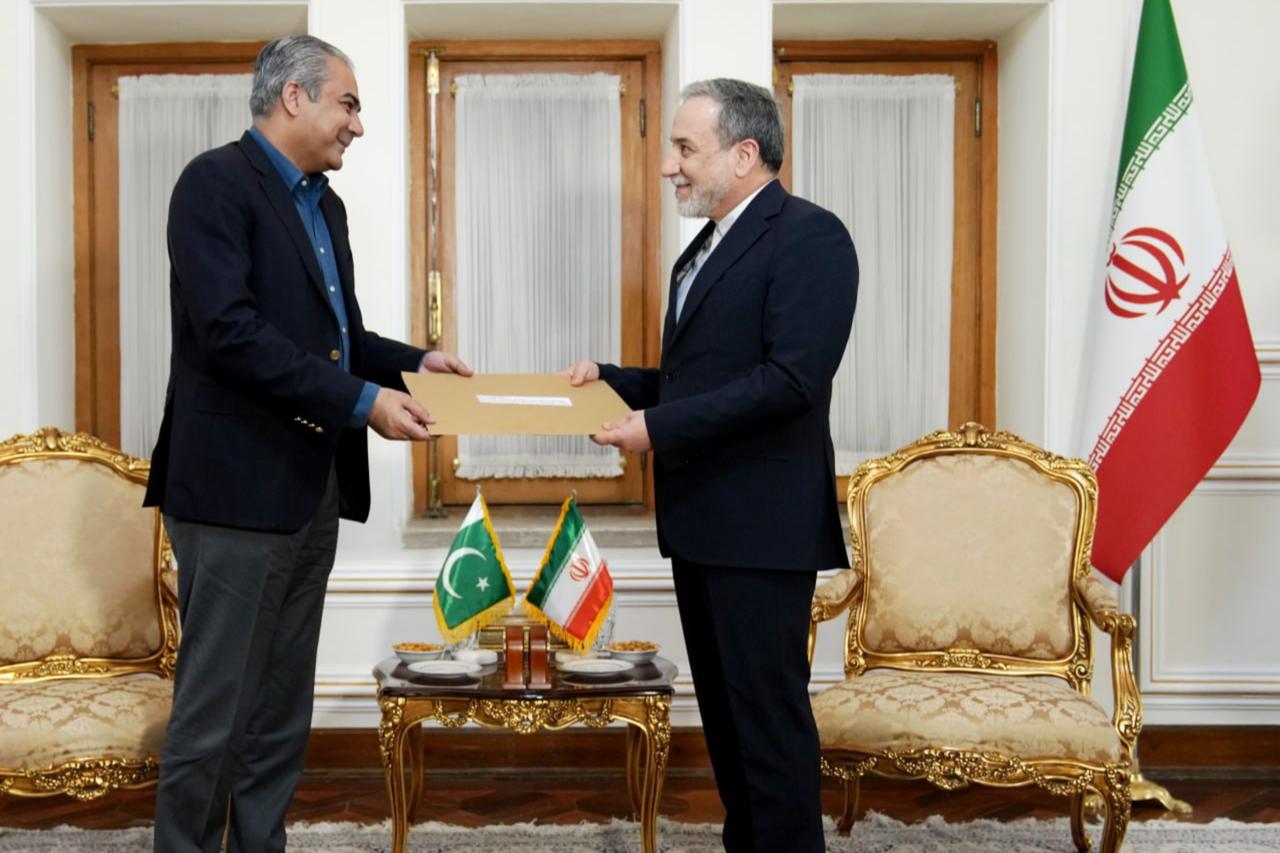
Pakistan has served as the primary mediator throughout the conflict, facilitating contacts between Washington and Tehran since a ceasefire took hold in early April.
Sharif and Pakistani Field Marshal Asim Munir have been credited by Trump himself with helping broker earlier pauses in hostilities. The Islamabad MoU takes its name from the Pakistani capital, reflecting the country's central role in hosting and bridging the negotiations.


 Set as preferred source
 Set as preferred source


 1 min read
 1 min read