Newsletters


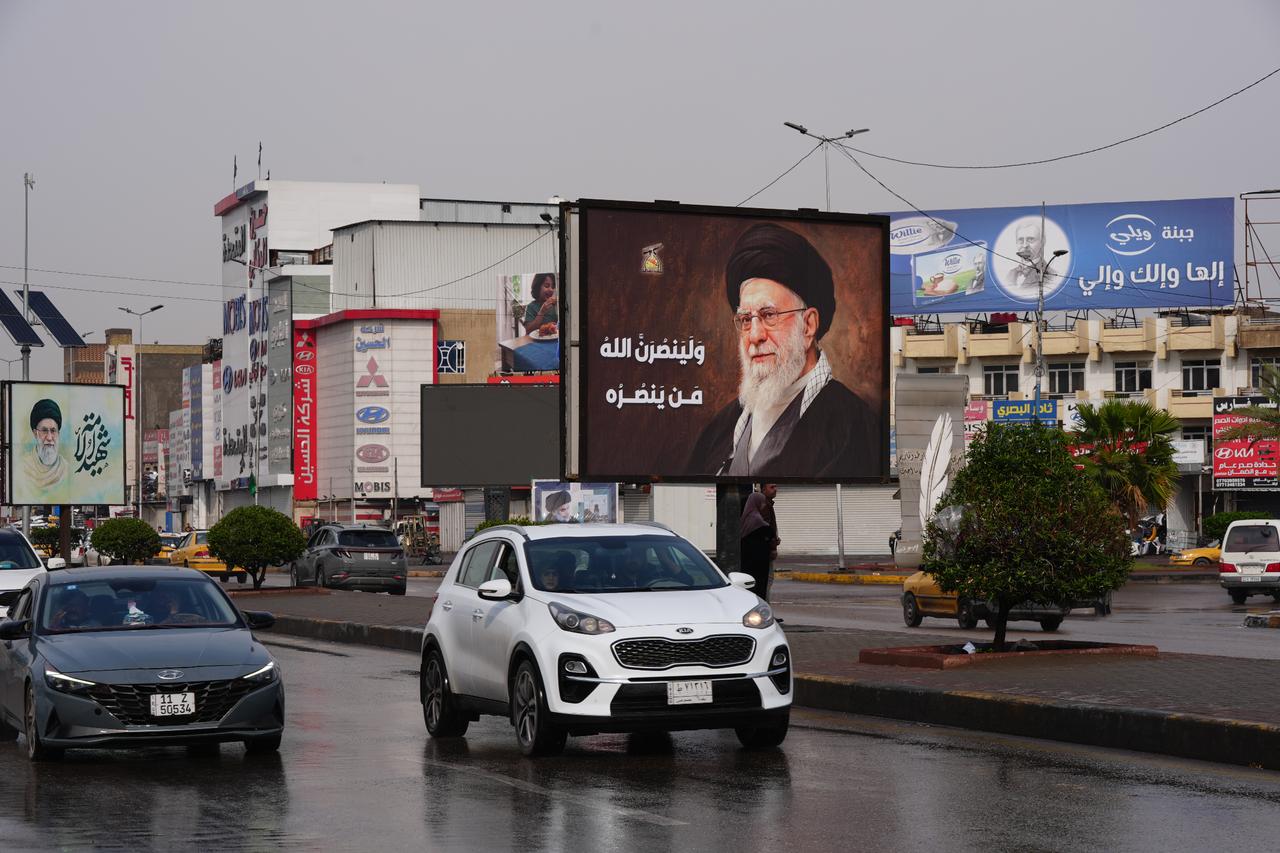


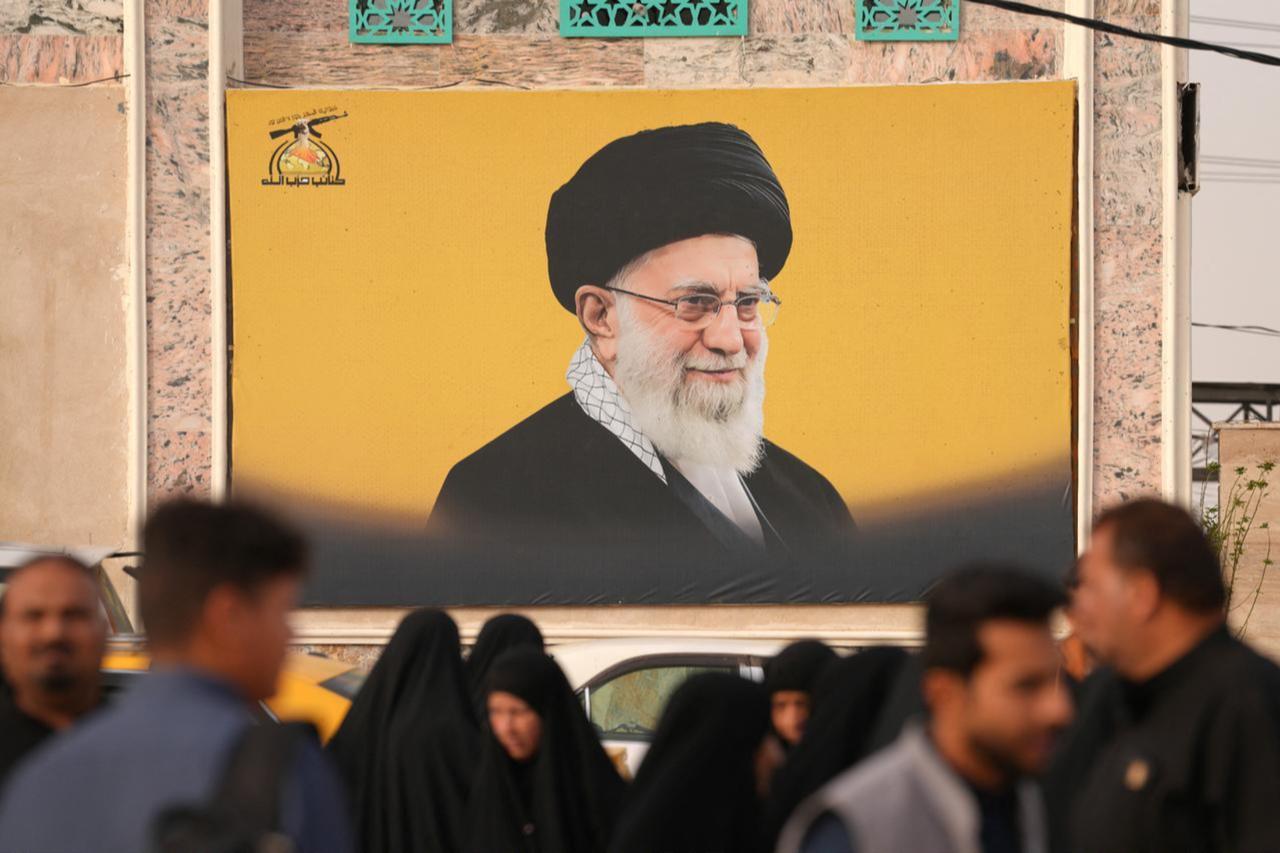
Iran's former Supreme Leader Ali Khamenei, who ruled the country for nearly 37 years before being killed in U.S.-Israeli airstrikes on Feb. 28, will be buried on July 9, state television reported Saturday.
The burial in his hometown of Mashhad, the northeastern holy city, was initially scheduled for March but postponed because of the war. It will follow three days of funeral ceremonies in Tehran beginning on July 4 and another ceremony in the holy city of Qom on July 7.
The start of the national funeral on July 4 will coincide with the 250th anniversary of U.S. Independence Day.
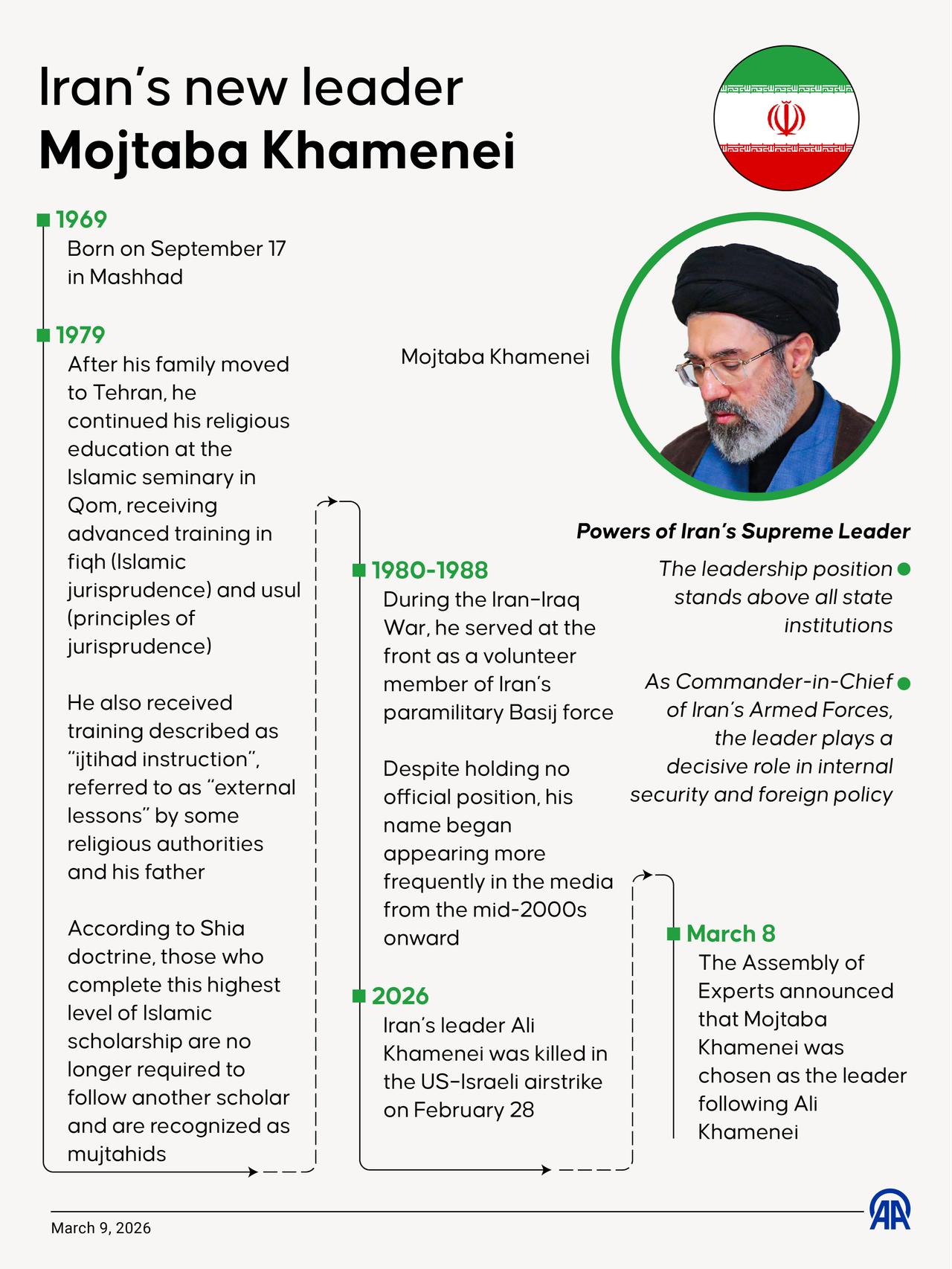
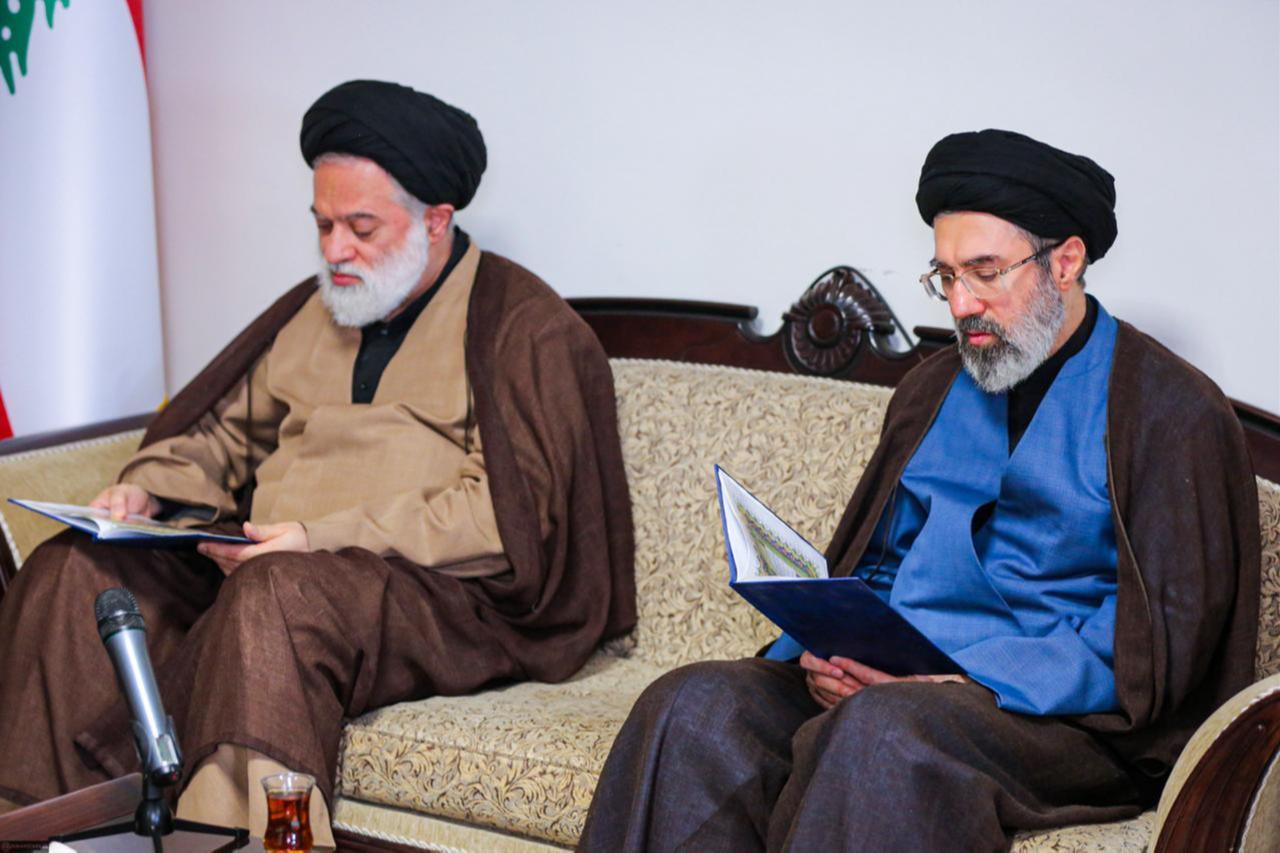
Ali Khamenei's son, Mojtaba Khamenei, succeeded him as Iran's supreme leader in early March, becoming only the third person to hold the position since the establishment of the Islamic Republic in 1979.
Mojtaba Khamenei, who was reportedly wounded in the strikes that killed his father and other senior officials, has not appeared in public since assuming the role and has communicated only through statements attributed to him.

Iranian officials have said Khamenei will be buried at the shrine of Imam Reza in Mashhad in accordance with his wishes.
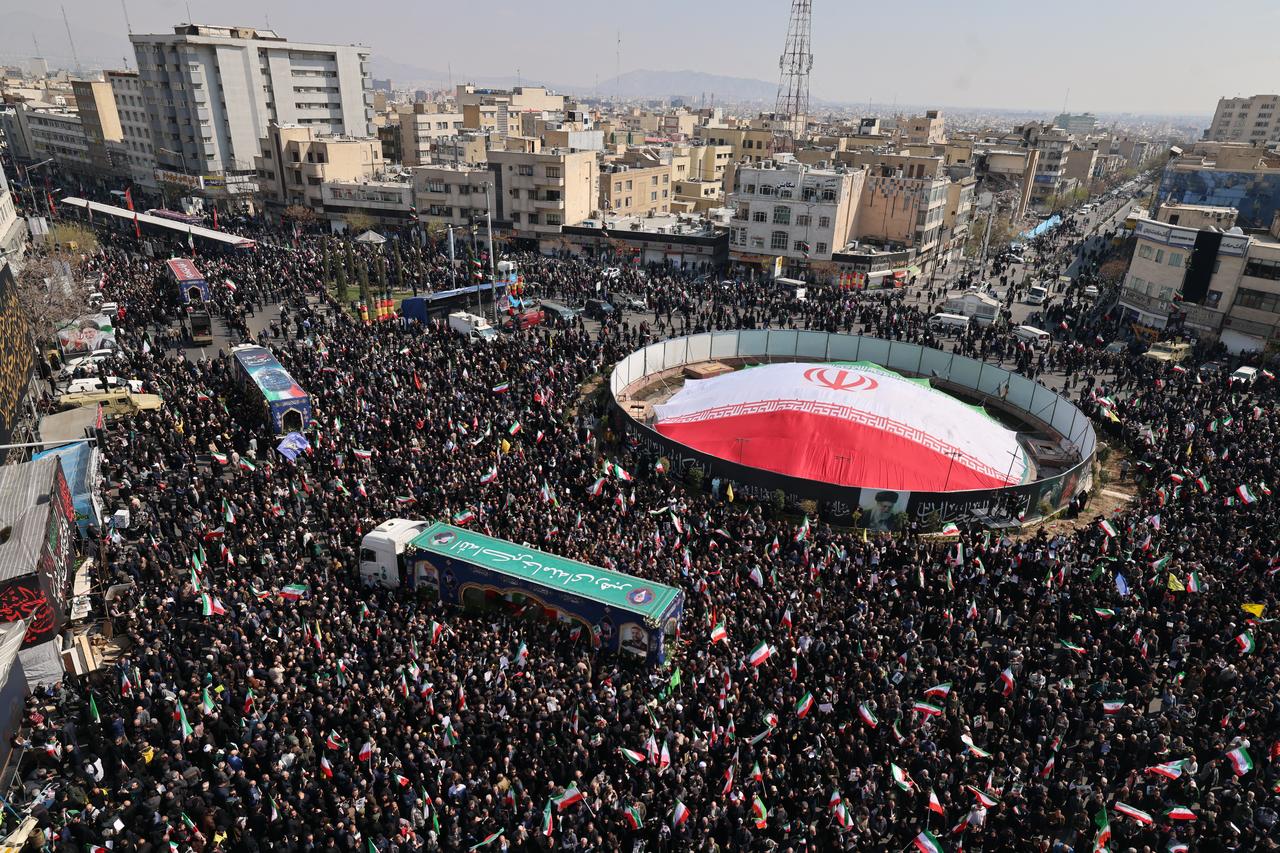
Tehran Deputy Mayor for Social and Cultural Affairs Mohammad Amin Tavakkoli-Zadeh previously said authorities were preparing for between 15 million and 20 million participants in funeral events in the capital.
He added that the Tehran funeral procession would last at least 24 hours and that memorial ceremonies would also be held across the country.
Mashhad is expected to receive large numbers of visitors from neighboring countries, including Pakistan, Afghanistan, India and Bangladesh, as well as the Kashmir region.
Khamenei was killed in the opening hours of the conflict that began with U.S.-Israeli attacks on Iran on Feb. 28.
His residence on Palestine Street in Tehran was struck during the attack, with Iranian authorities saying his wife, daughter-in-law and 14-month-old grandchild were also killed.
 1 min read
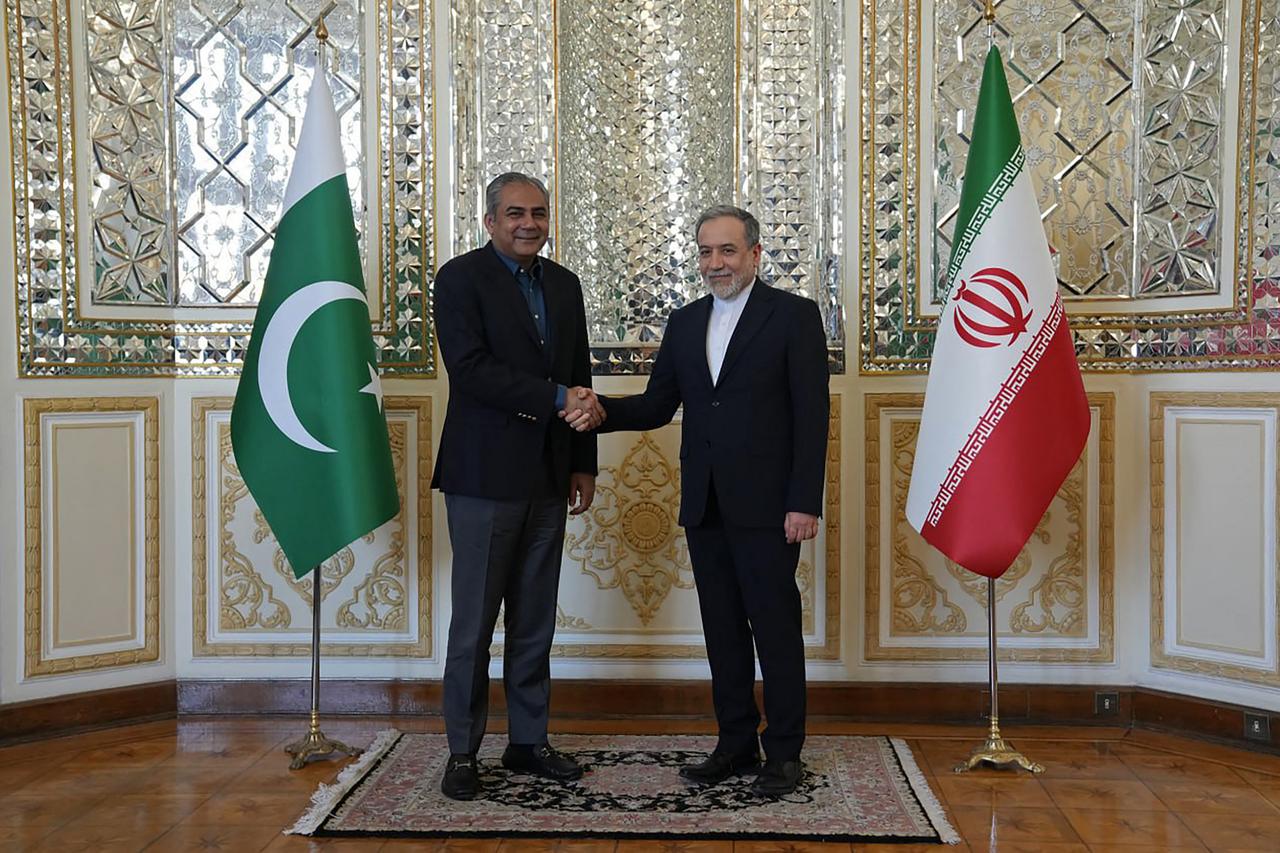
The conflict triggered a wider regional escalation, with Iran launching missile and drone attacks against Israel and U.S.-linked assets in the Gulf while also closing the Strait of Hormuz before a ceasefire brokered by Pakistan took effect on April 8.


 Set as preferred source
 Set as preferred source


 1 min read