Newsletters


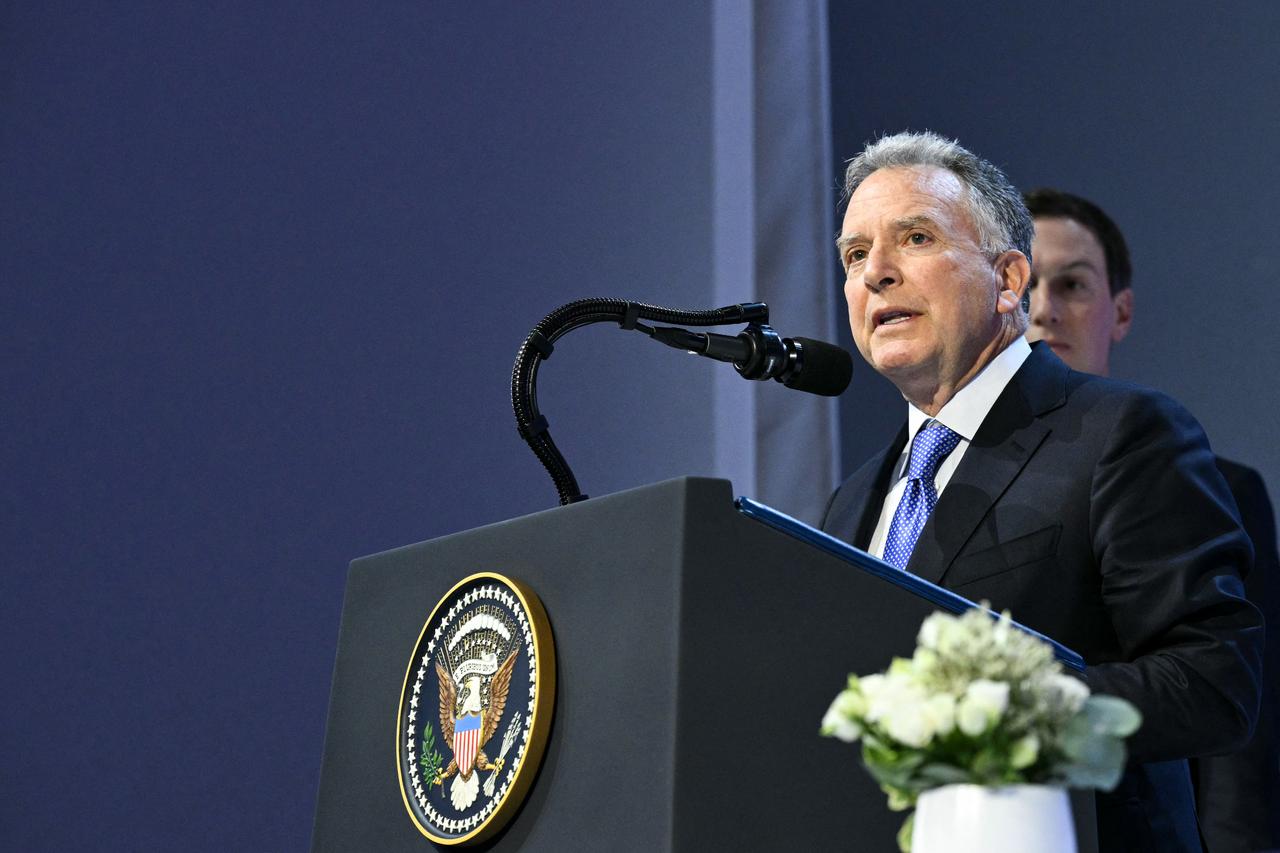


U.S. President Donald Trump's Middle East Special Envoy Steve Witkoff thanked Türkiye's Foreign Minister Hakan Fidan and National Intelligence Organization (MIT) Chief Ibrahim Kalin for their contributions to the Gaza ceasefire agreement during the Board of Peace charter signing ceremony Thursday.
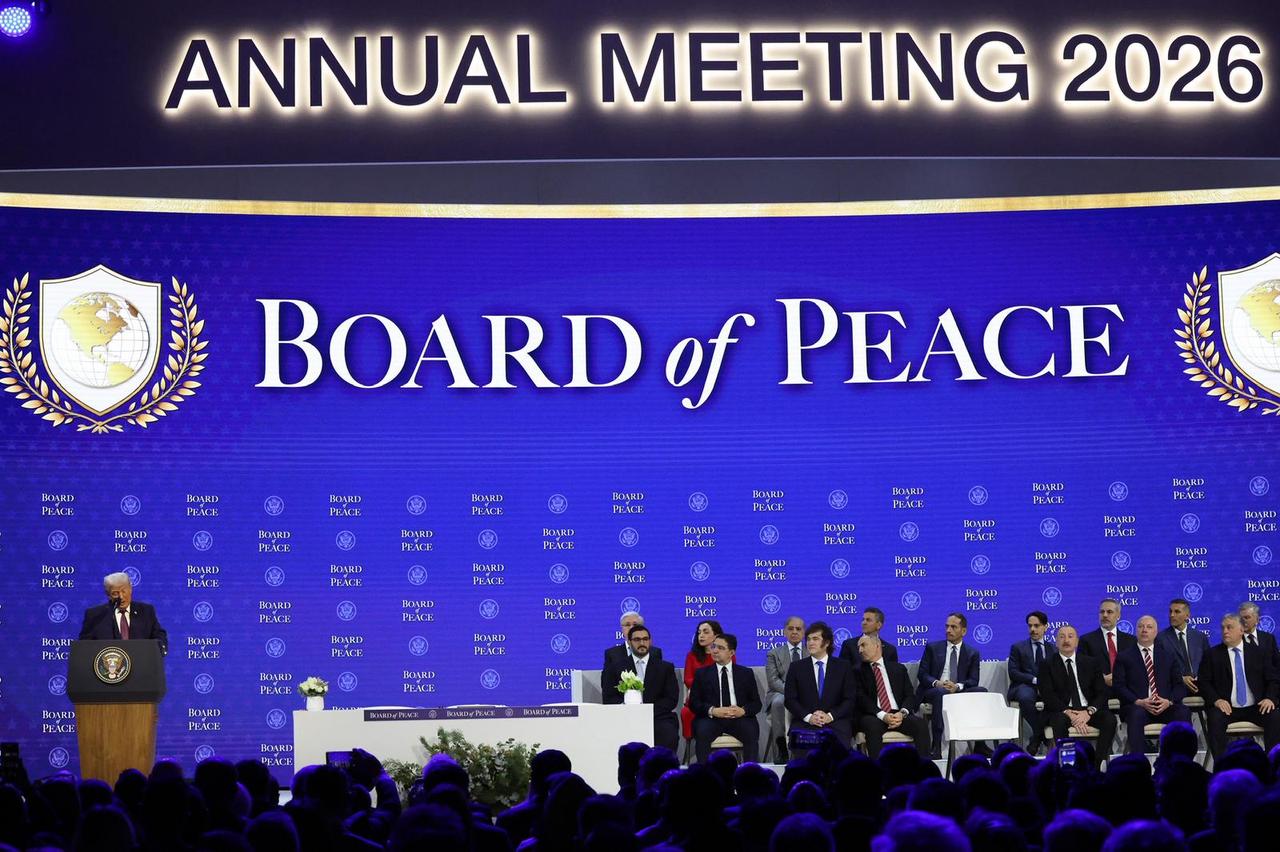

Witkoff addressed attendees at the ceremony in Davos, expressing pride in accomplishing what the world deemed "impossible" and "unattainable."
"We have achieved a peace deal in Gaza. We have brought the hostages home, all of the bodies except for one, and we will bring that body home too," Witkoff said.
The U.S. envoy extended gratitude to Qatar Prime Minister and Foreign Minister Sheikh Mohammed bin Abdulrahman Al Thani, Qatari diplomat Ali Al-Thawadi, Egyptian President Abdel Fattah el-Sisi, Egyptian Foreign Minister Badr Abdelatty and Israeli Prime Minister Benjamin Netanyahu.
Witkoff also thanked Board of Peace members who worked "nonstop" for months, including Tony Blair, Yakir Gabay, Josh Gruenbaum, Aryeh Lightstone, Leron Tunkman, Admiral Cooper and General Patrick Frank.
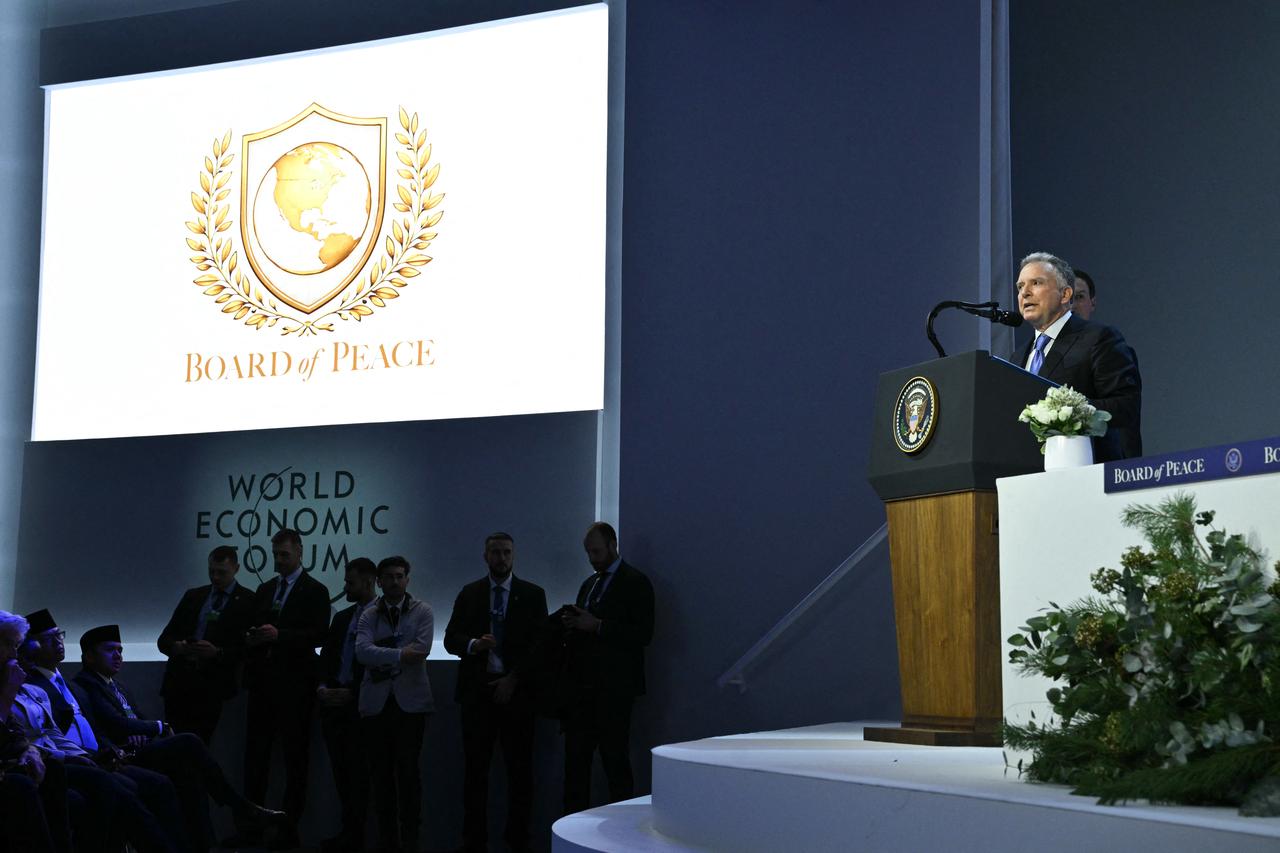
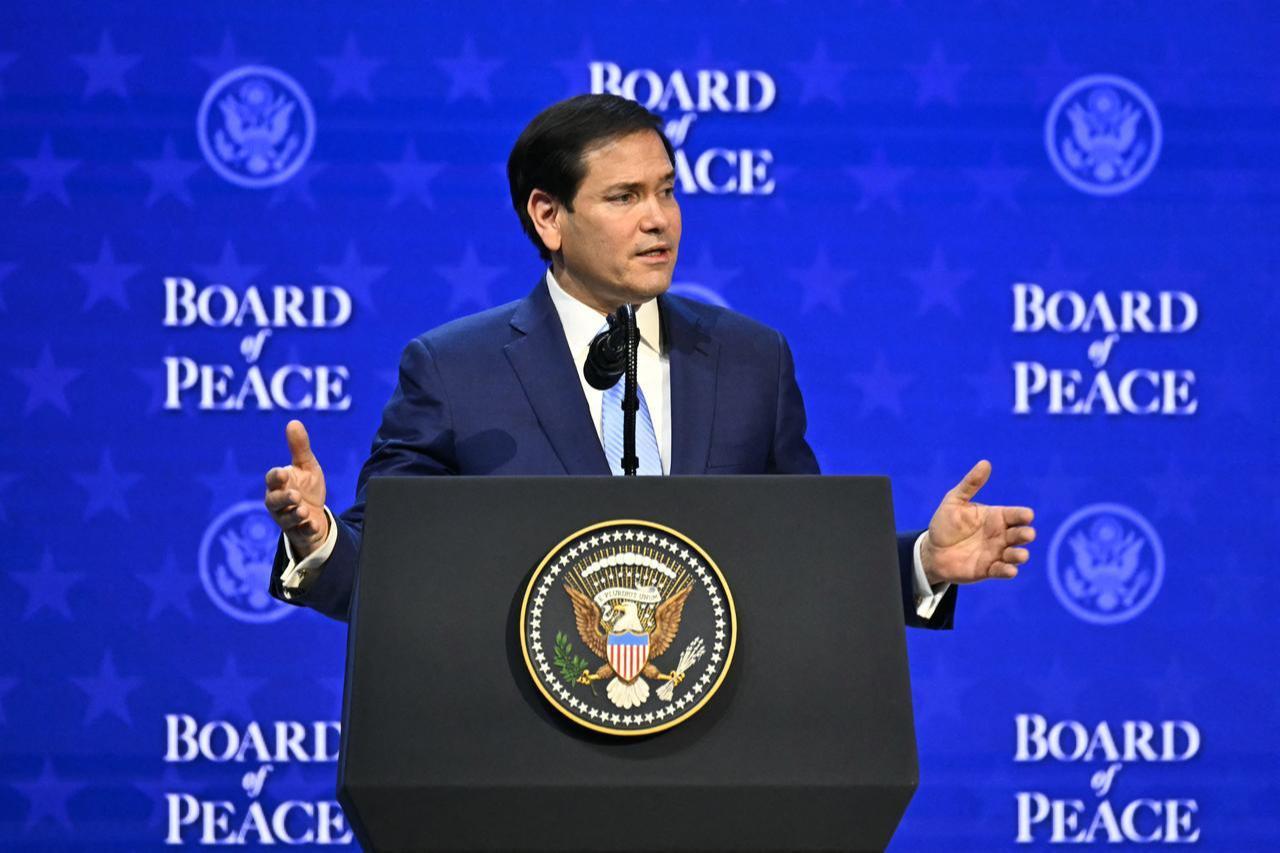
U.S. Secretary of State Marco Rubio emphasized the Board of Peace functions as an "action board" rather than merely a diplomatic forum.
"I believe the potential for this board is limitless. Of course, its priority and most important focus is to ensure that this peace agreement in Gaza becomes lasting," Rubio said.
Rubio noted that Trump is "willing to talk to or engage with anyone in the interest of peace" and is "not limited by some of the things that have happened in the past."
The secretary of state acknowledged that institutions serving the region for "the last 70 years" had done "nothing" on the Gaza situation, describing Wednesday as "the beginning of a new era."
Rubio indicated additional countries would join the board, noting some were not present due to internal constitutional procedures.
Jared Kushner, Trump's son-in-law, involved in Middle East negotiations, presented a slide deck featuring real estate development plans organized by zones.
"We do not have a plan B," Kushner said, adding that cities of 2 million to 3 million people are built in the Middle East in three years.
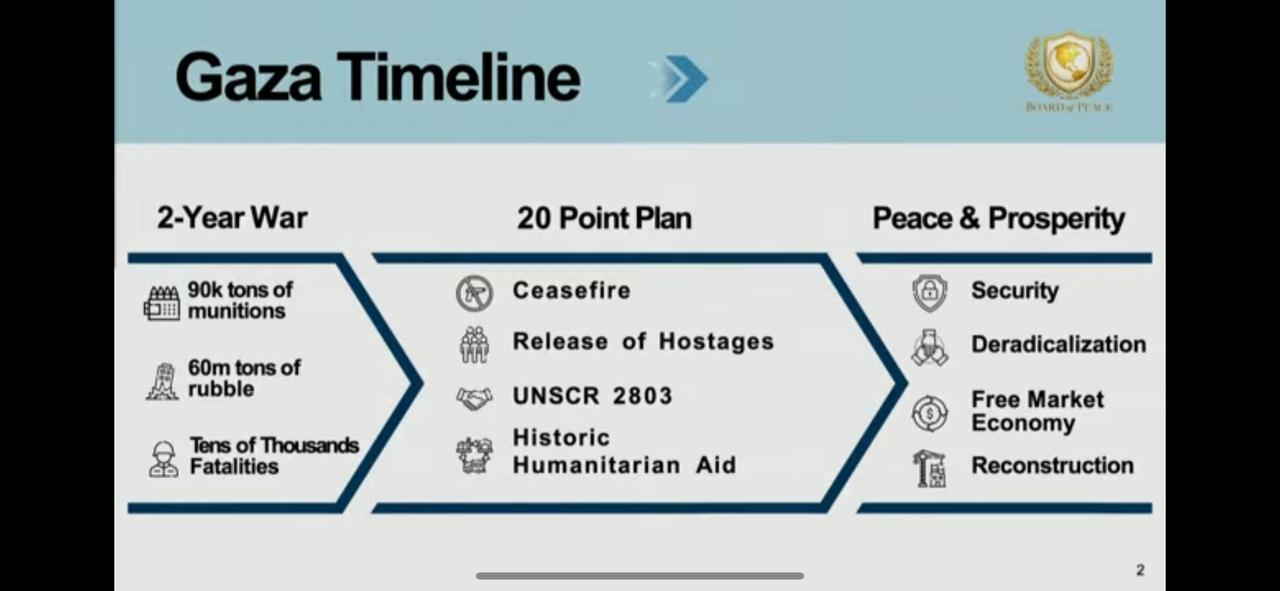
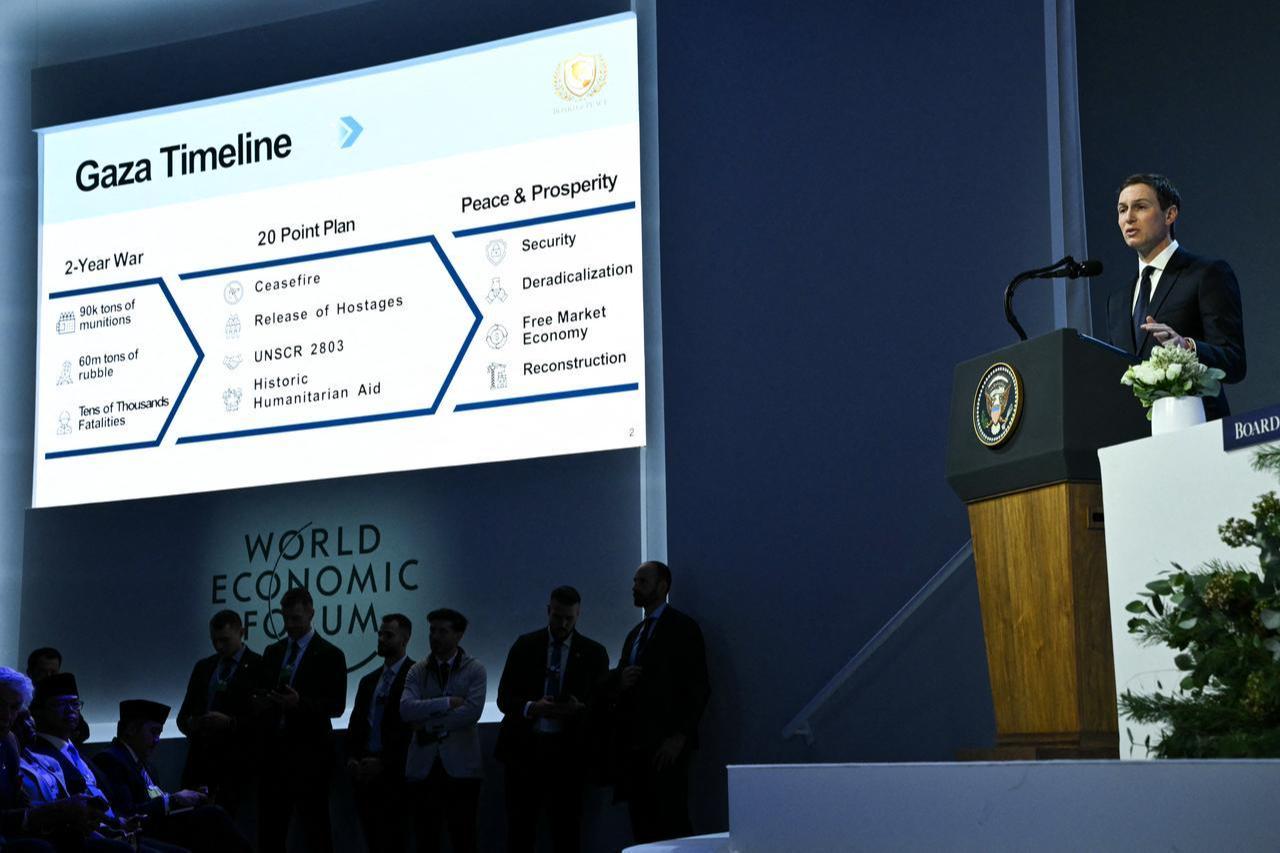
Kushner outlined the 15-month conflict's toll: 90,000 tons of munitions deployed, over 60 million tons of rubble and tens of thousands of fatalities. He detailed a 20-point ceasefire plan including hostage release and U.N. resolution passage.
The plan prioritizes security, humanitarian aid and economic development through free market principles.
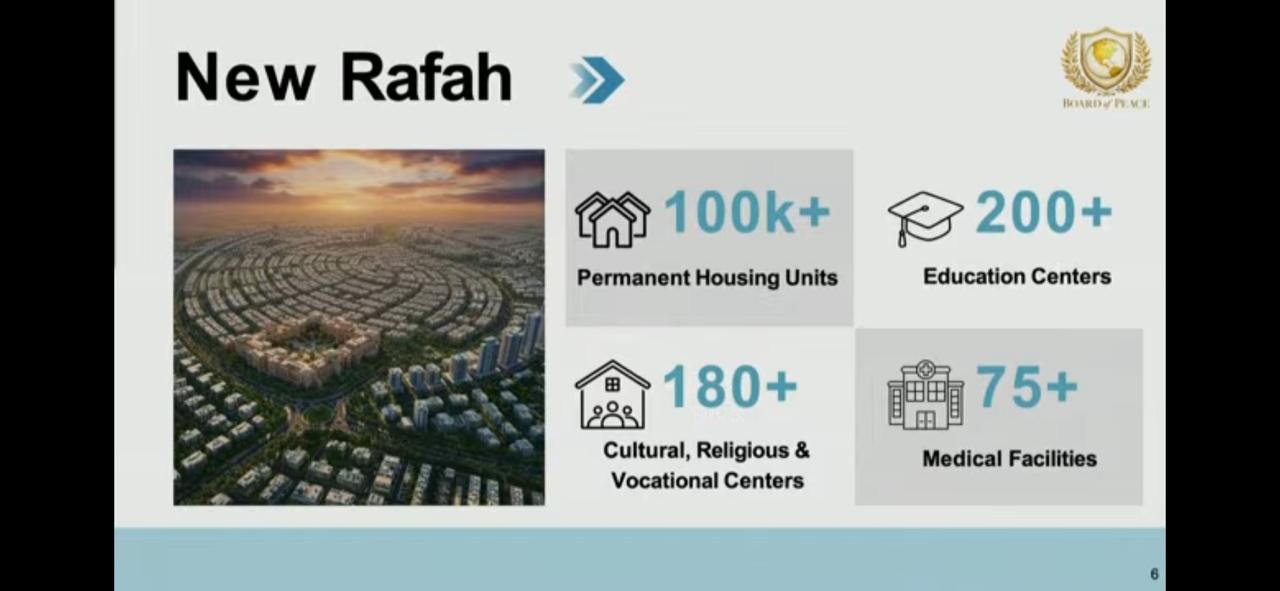
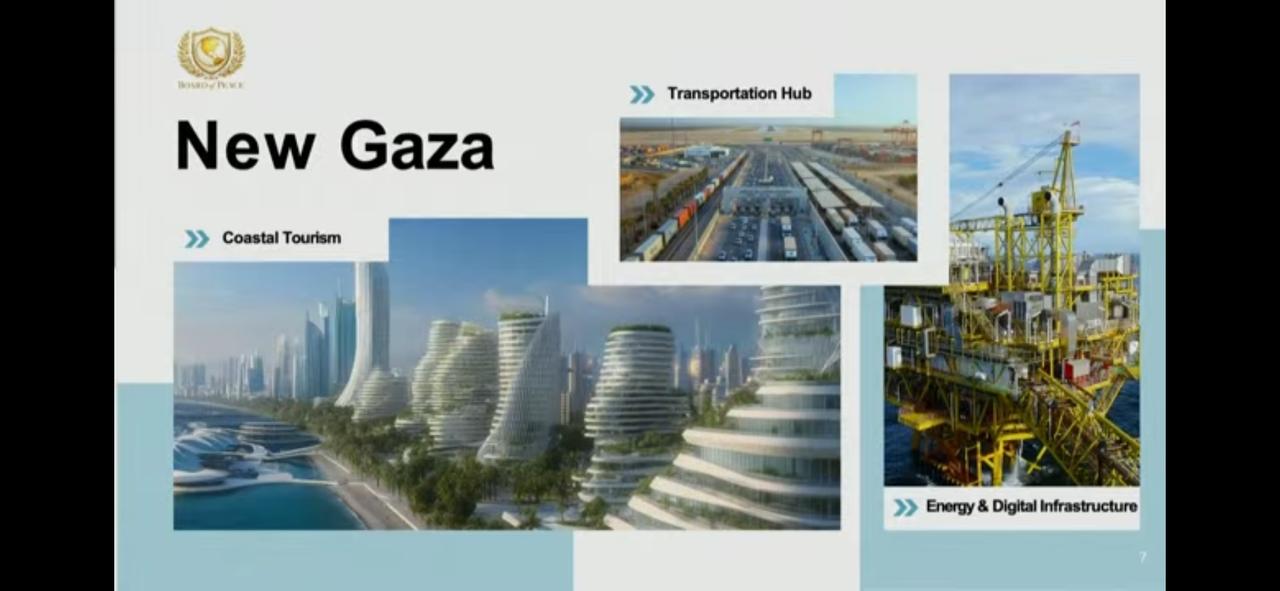
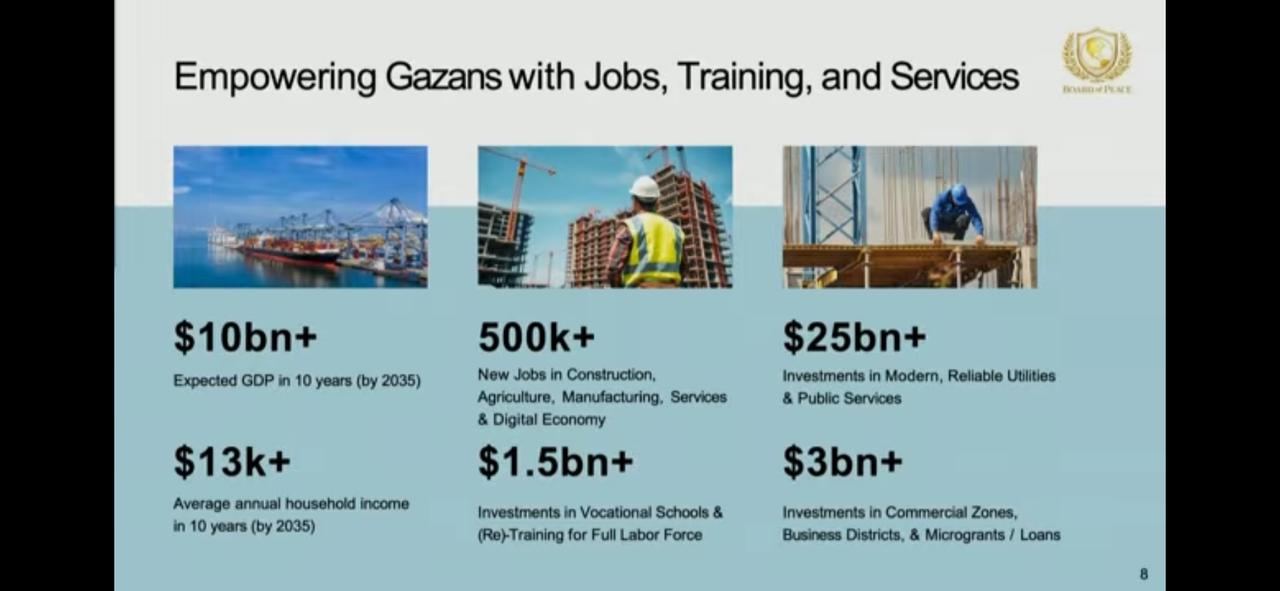
"85% of the GDP of Gaza has been aid for a long time. That's not sustainable. It doesn't give these people dignity. It doesn't give them hope," Kushner said.
He reported 100% of food needs are currently met, with over 55,000 trucks delivering more than 1.4 million pallets in what he described as "the largest humanitarian effort done into a war zone."
Kushner praised the new Gaza governance committee as "technocratic" and "apolitical," thanking Arab partners for selecting its members.
"Hamas's mission statement was that we need to destroy the state of Israel. That has not worked well for the people," Kushner said, contrasting it with the new committee's stated commitment to "peace, democracy and justice."
On demilitarization, Kushner warned: "If Hamas does not demilitarize, that will be what holds back Gaza and the people of Gaza from achieving their aspiration."
Trump, in closing remarks, referenced his real estate background and described Gaza as "this beautiful piece of property," suggesting his peace push "all began with the location."
Kushner called for regional cooperation and calm.
"This deal only happened because we worked with Israel, we worked with Türkiye, we worked with Qatar, we worked with Saudi, we worked with Egypt. Everyone worked together. We worked with UAE," Kushner said.
"I see a lot of people trying to escalate, criticizing Israel or Israelis criticizing Türkiye or Qatar. Just calm down for 30 days. I think that the war is over," he concluded.


 Set as preferred source
 Set as preferred source


 4 min read