Newsletters


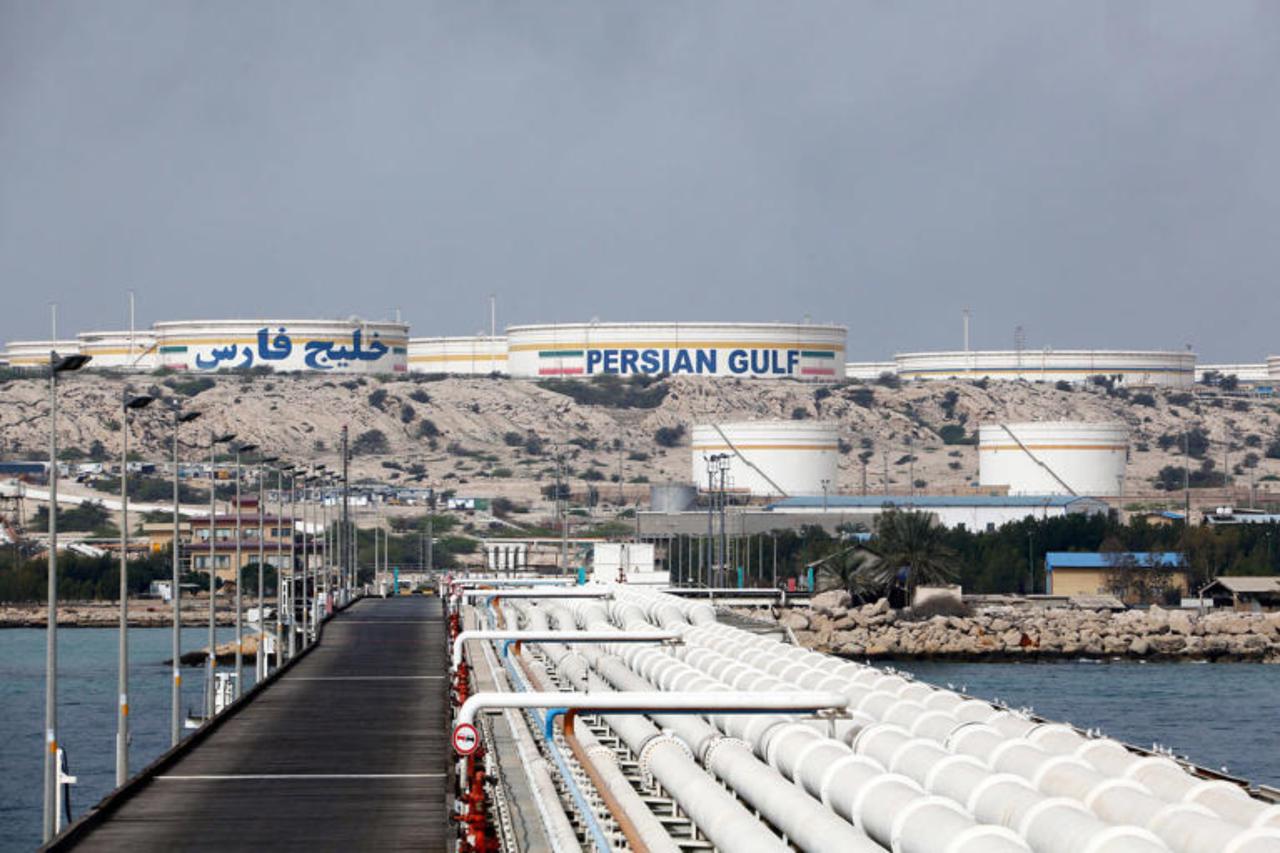


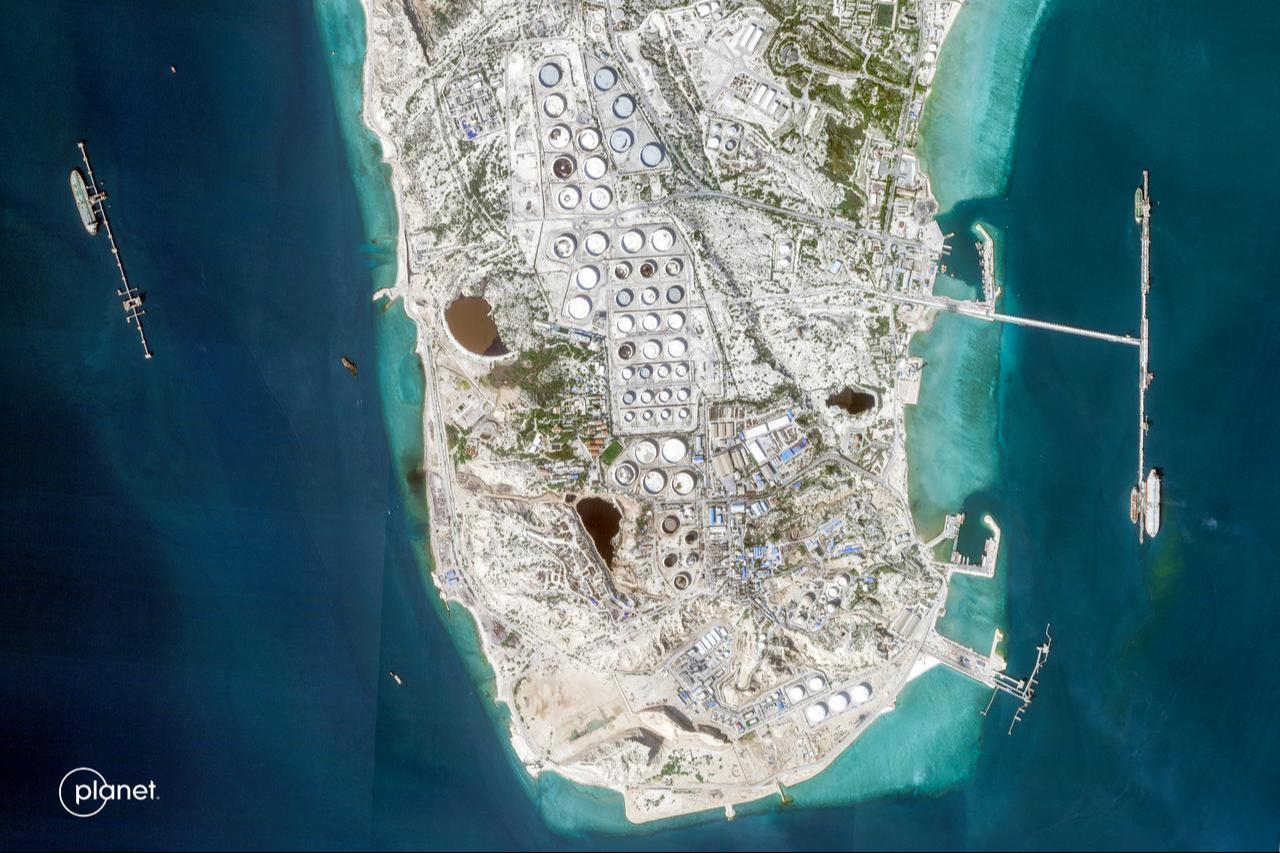
U.S. President Donald Trump said Sunday a deal with Iran could be reached "soon," but paired that message with signals that military options remain active, including scenarios that increasingly center on Iran’s Kharg Island as a strategic objective.
Speaking on the conflict entering its second month, Trump pointed to a shift in Iran’s leadership landscape, describing it as "regime change" and saying Washington is now "dealing with different people." At the same time, he did not rule out escalation, keeping the possibility of ground operations on the table.
"To be honest with you, my favorite thing is to take the oil in Iran," Trump told FT, adding that the U.S. forces "could take Kharg Island very easily."
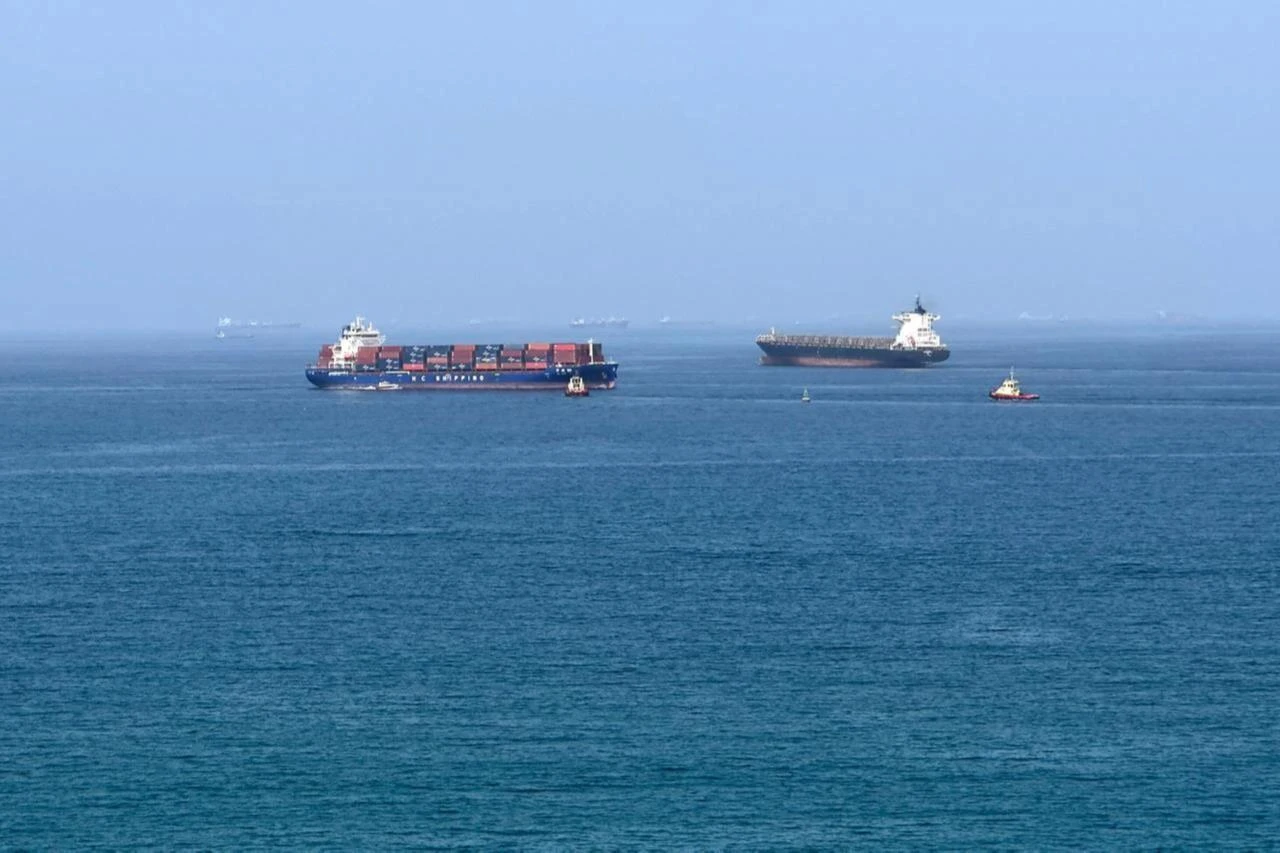
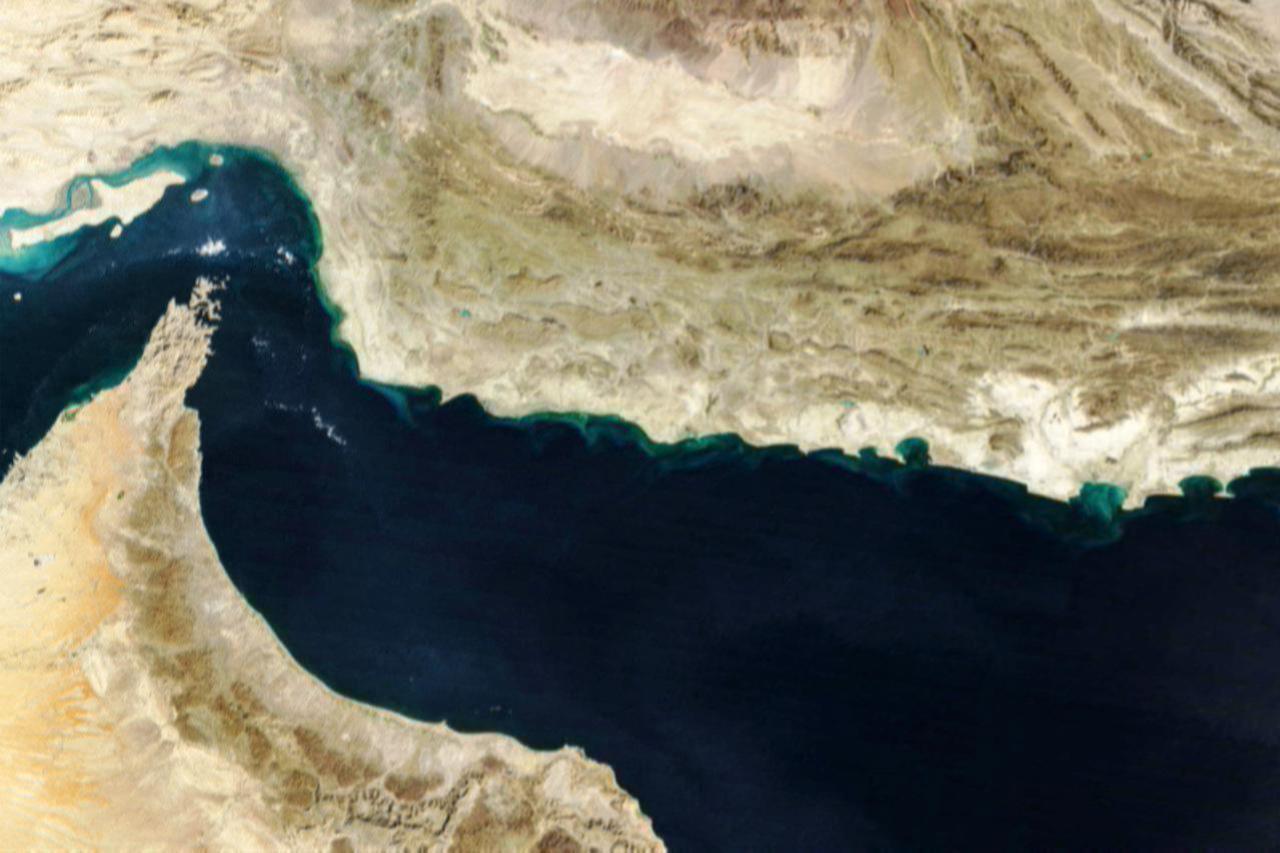
Kharg Island, along with Abu Musa and Qeshm, stands out in potential U.S. planning, mainly due to their location near the Strait of Hormuz, a key route for global oil shipments. Control of these islands could directly affect Iran’s ability to move energy and manage access in the region.
Any initial move is expected to avoid a traditional naval landing. Instead, operations would likely rely on air deployment, with U.S. troops transported by V-22 Osprey aircraft, as well as Chinook and Black Hawk helicopters. Such operations could still face challenges, including exposure to Iranian counterattacks and difficulties in sustaining supply lines once forces are on the ground.

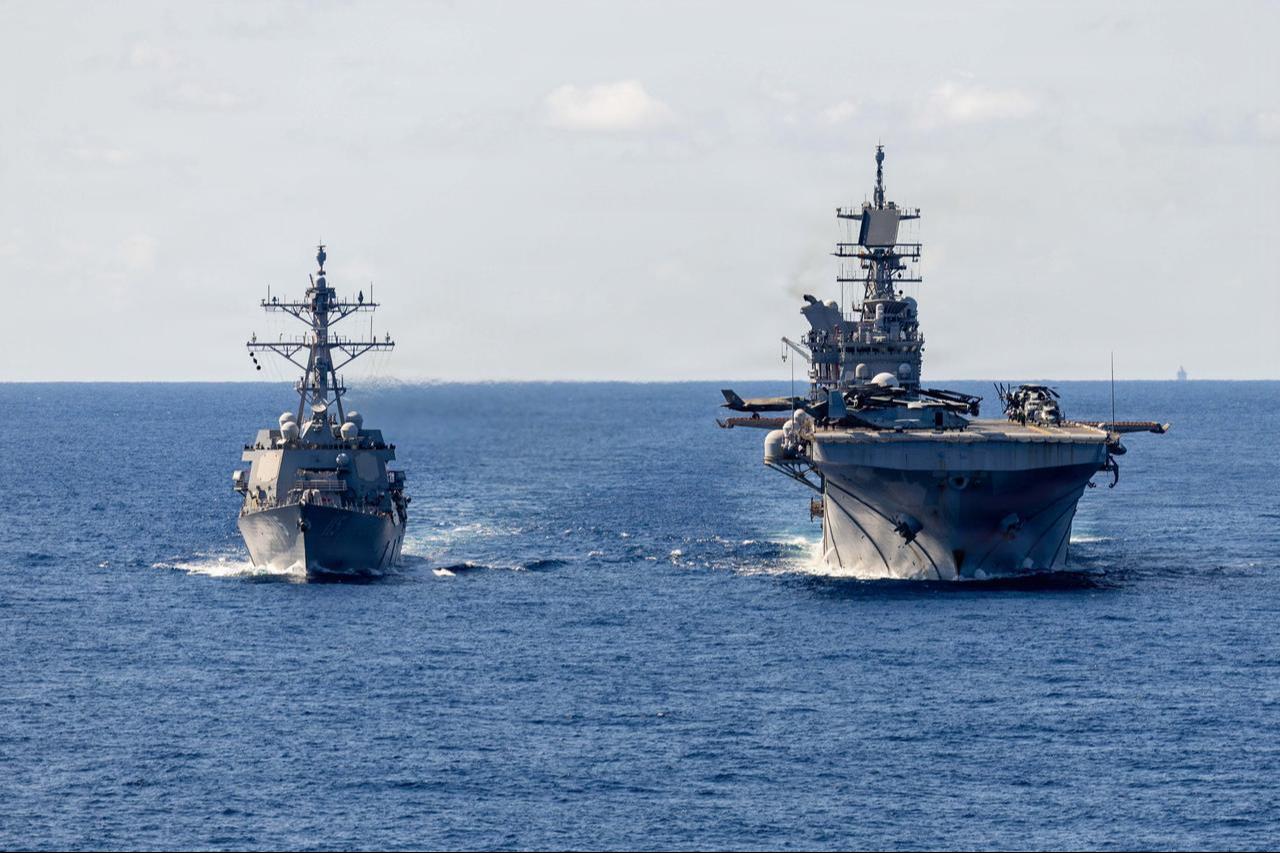
The U.S. has continued to reinforce its regional presence, including the deployment of the USS Tripoli amphibious assault ship carrying around 3,500 Marines and sailors, the Washington Post reported.
At the same time, defense planning has reportedly included the possibility of weekslong ground operations, even as diplomatic messaging continues. Washington has also taken steps to protect its forces, seeking prefabricated shelters capable of withstanding ballistic and explosive threats, with delivery timelines set at three, 15 and 30 days.
In another report, the newspaper also suggested that Trump is considering a military operation to remove approximately 453 kilograms of uranium from Iran, a move described as complex and risky that could keep American forces inside the country for days or longer. He has not yet made a final decision, weighing the risks to U.S. troops, but remains open to the idea as it could help achieve his core objective of preventing Iran from developing nuclear weapons, officials said.
Israeli and U.S. officials have stepped up consultations in recent days, focusing on how to coordinate militarily if ongoing negotiations with Iran fail, according to Israel’s Channel 12.
The report said Washington has been reinforcing its military presence in the Middle East, a move seen either as an effort to strengthen deterrence or to lay the groundwork for possible future operations. At the same time, senior officials from both sides have held frequent high-level meetings aimed at tightening coordination in case talks do not turn into an agreement.
Despite this closer coordination, differences remain between the two allies. Israeli officials are said to support strikes targeting Iran’s infrastructure, while the U.S. has been more cautious, with disagreements continuing over the scope and nature of any potential attacks.
While Trump’s threats and push for a deal continue at the same time, Iranian officials have questioned U.S. intentions. Parliament Speaker Mohammad Bagher Ghalibaf accused Washington of presenting negotiations publicly while preparing for a ground attack behind the scenes. "Our men are waiting for the arrival of the American soldiers on the ground to set them on fire," he said, according to Iranian media.
Iran has not yet responded to U.S. demands and is reportedly seeking to involve additional actors, including Gulf countries, Russia and China, in the diplomatic process. On the ground, Israel said it was striking military targets across Tehran while responding to missile launches from Iran, underscoring the continuation of hostilities.
After one month of fighting, the conflict has resulted in at least 1,825 deaths and displaced more than 3.2 million people, according to reported figures.


 Set as preferred source
 Set as preferred source


 1 min read
 1 min read