Newsletters


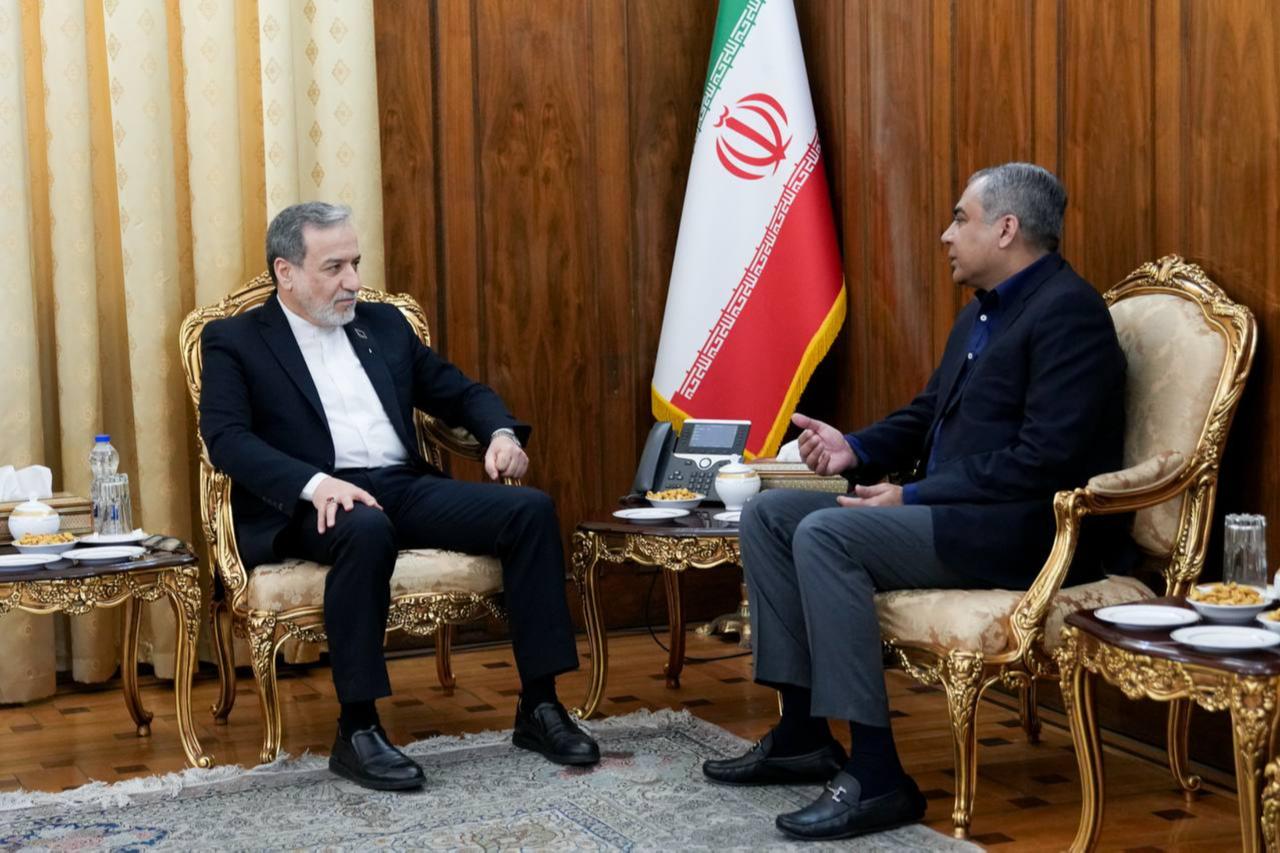


A Qatari negotiating team arrived in Tehran on Friday in coordination with the U.S. to help secure a deal that would end the war with Iran and address remaining issues, Reuters reported, citing a source with knowledge of the matter.
The move came as Iran said it was not seeking “any concessions” from the U.S., but wanted sanctions lifted, frozen assets released and the blockade linked to the Strait of Hormuz ended.
“A Qatari negotiation team is in Tehran on Friday,” the source told Reuters, adding that the team had traveled in coordination with the U.S. to help “reach a final deal that would end the war and address outstanding issues with Iran.”
The Qatari Ministry of Foreign Affairs did not immediately respond to a Reuters request for comment.

Qatar had previously distanced itself from mediation in the Iran war after it was targeted by Iranian missiles and drones during the latest conflict.
Doha has worked as a mediator in the Gaza war and other international crises. Its re-engagement reflects its role as a U.S. ally in the region and a back-channel between Washington and Tehran, Reuters reported.
Pakistan has served as the official mediator since the fighting began.
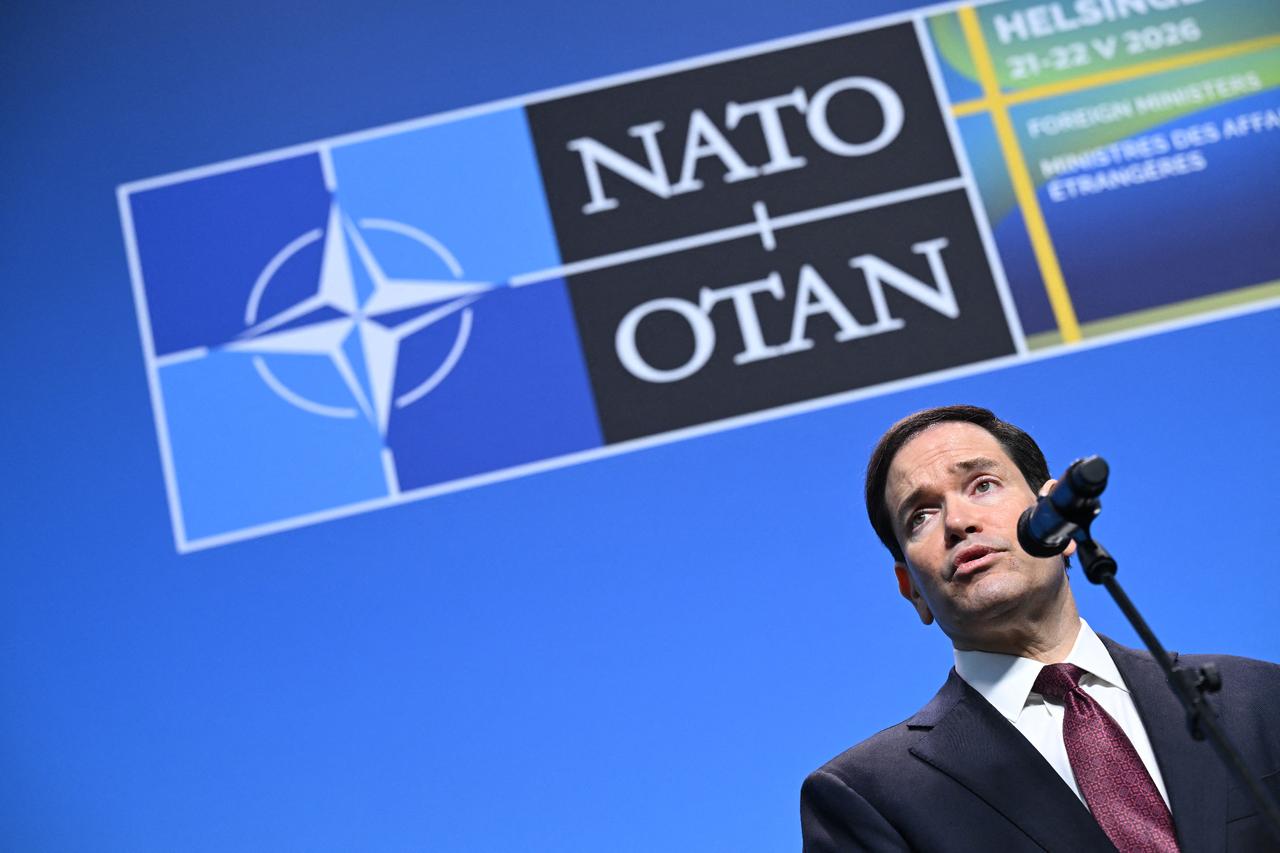
Asked about the Qatari team in Iran, U.S. Secretary of State Marco Rubio told reporters on the sidelines of a NATO foreign ministers’ meeting in Sweden that Pakistan remained the main interlocutor in the Iran talks and had done an “admirable job.”
“Obviously other countries have interests, because especially Gulf countries that are, you know, in the middle of all this — they have their own situation going. And we talk to all of them,” Rubio said.
“I would just say that the primary country we've been working with on all of this, is Pakistan, and that remains the case,” he added.
Iranian Foreign Ministry spokesperson Esmaeil Baghaei said Friday that Tehran was not seeking “any concessions” from Washington, according to Iran’s Tasnim news agency.
“We do not want any concessions from the United States; we are only seeking our rights,” Baghaei said.
He said Iran wanted sanctions lifted and frozen assets released.
“Sanctions must be lifted, Iran’s frozen assets must be released and made available to the country,” he said.
Baghaei also called for an end to the U.S. naval blockade, describing it as “completely contrary to international law.”
He said there had been “no nuclear threat from Iran against any actor in the region or the world.”
A shaky cease-fire remains in place in the war that began with U.S.-Israeli strikes on Iran on Feb. 28.
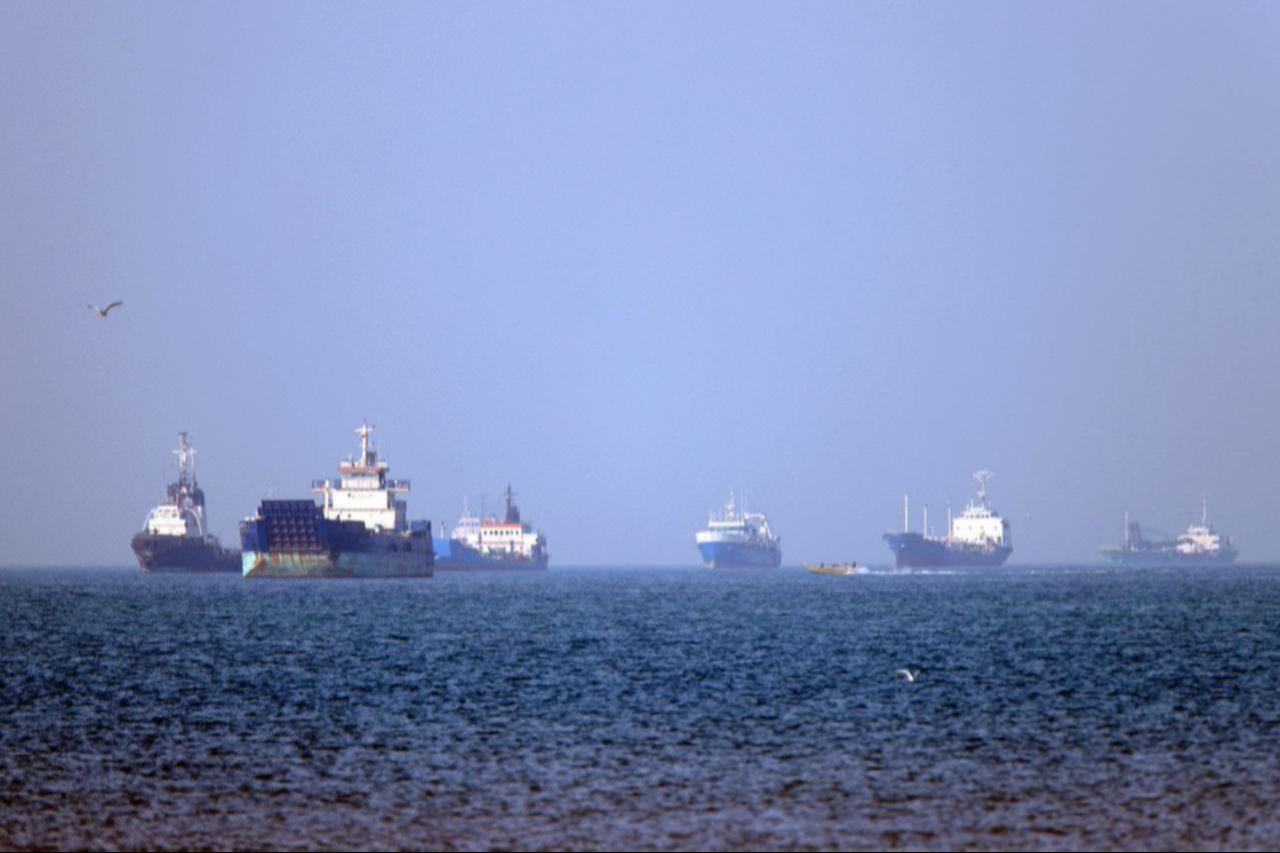
There has been no major breakthrough, with a U.S. blockade of Iranian ports and Tehran’s effective closure of the Strait of Hormuz complicating negotiations.
A senior Iranian source told Reuters on Thursday that no deal had been reached but that gaps had narrowed.
The source said Iran’s uranium enrichment and its control over the Strait of Hormuz were among the remaining sticking points.
Rubio said Thursday there were signs of progress.
“There's some good signs,” he said. “I don't want to be overly optimistic ... So, let's see what happens over the next few days.”
Regional tensions have remained high since the U.S. and Israel launched strikes against Iran in February.
Tehran retaliated with strikes targeting Israel and U.S. allies in the Gulf, along with the closure of the Strait of Hormuz.
A ceasefire took effect on April 8 through Pakistani mediation, but talks in Islamabad failed to secure a lasting agreement.
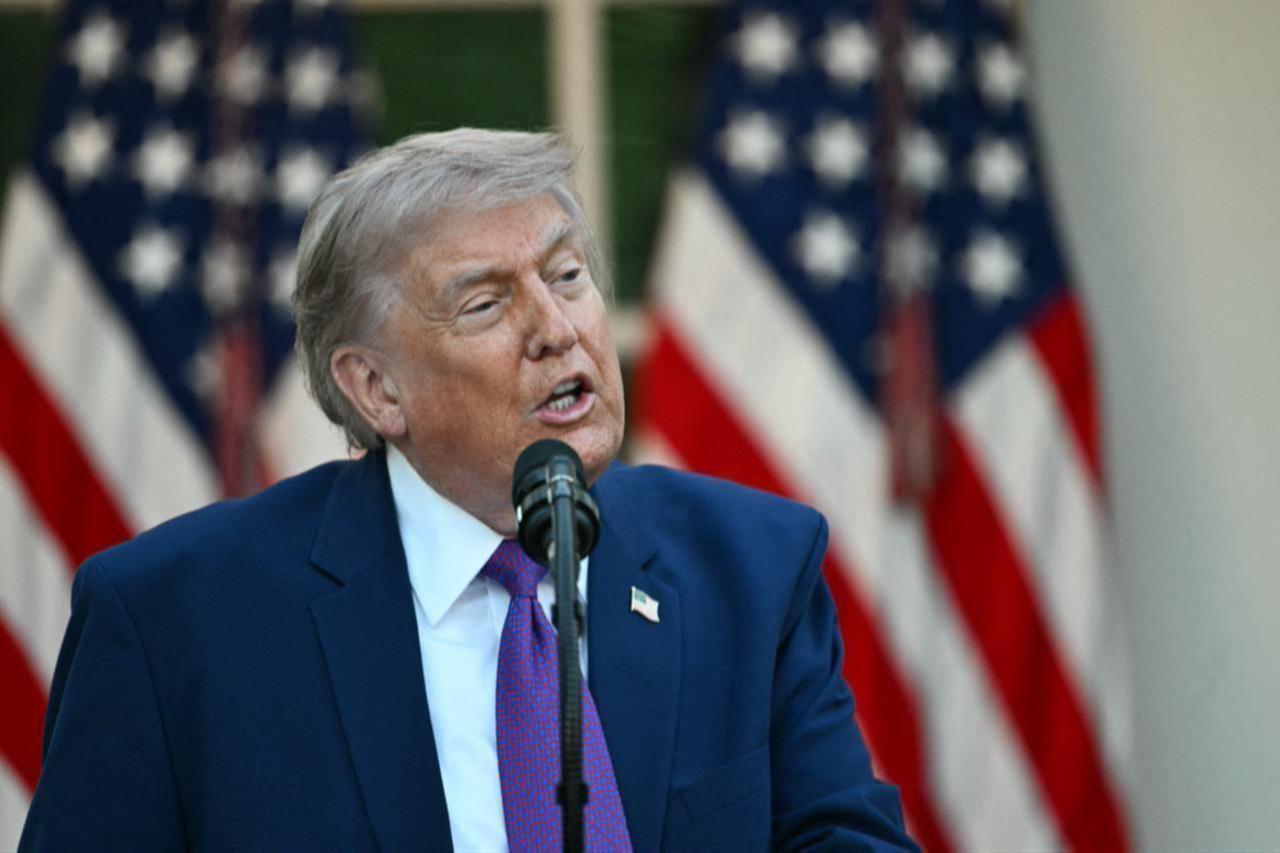
U.S. President Donald Trump later extended the truce indefinitely while keeping a blockade on vessels traveling to or from Iranian ports through the strategic waterway.
Qatar’s renewed role comes despite Iranian strikes that targeted civilian infrastructure and its liquefied natural gas facility at Ras Laffan, Reuters reported.
The attack wiped out about 17% of Qatar’s LNG export capacity. Qatar had already halted LNG production on March 2 following Iranian strikes.
Before the war, about 20% of global LNG trade passed through the Strait of Hormuz, primarily from Qatar.
Iran’s effective closure of the strait has cut off virtually all of Qatar’s LNG export capacity.
Qatar is a designated major non-NATO ally of the U.S. and hosts Al Udeid Air Base, the largest U.S. military installation in the Middle East.


 Set as preferred source
 Set as preferred source


 1 min read
 1 min read