Newsletters


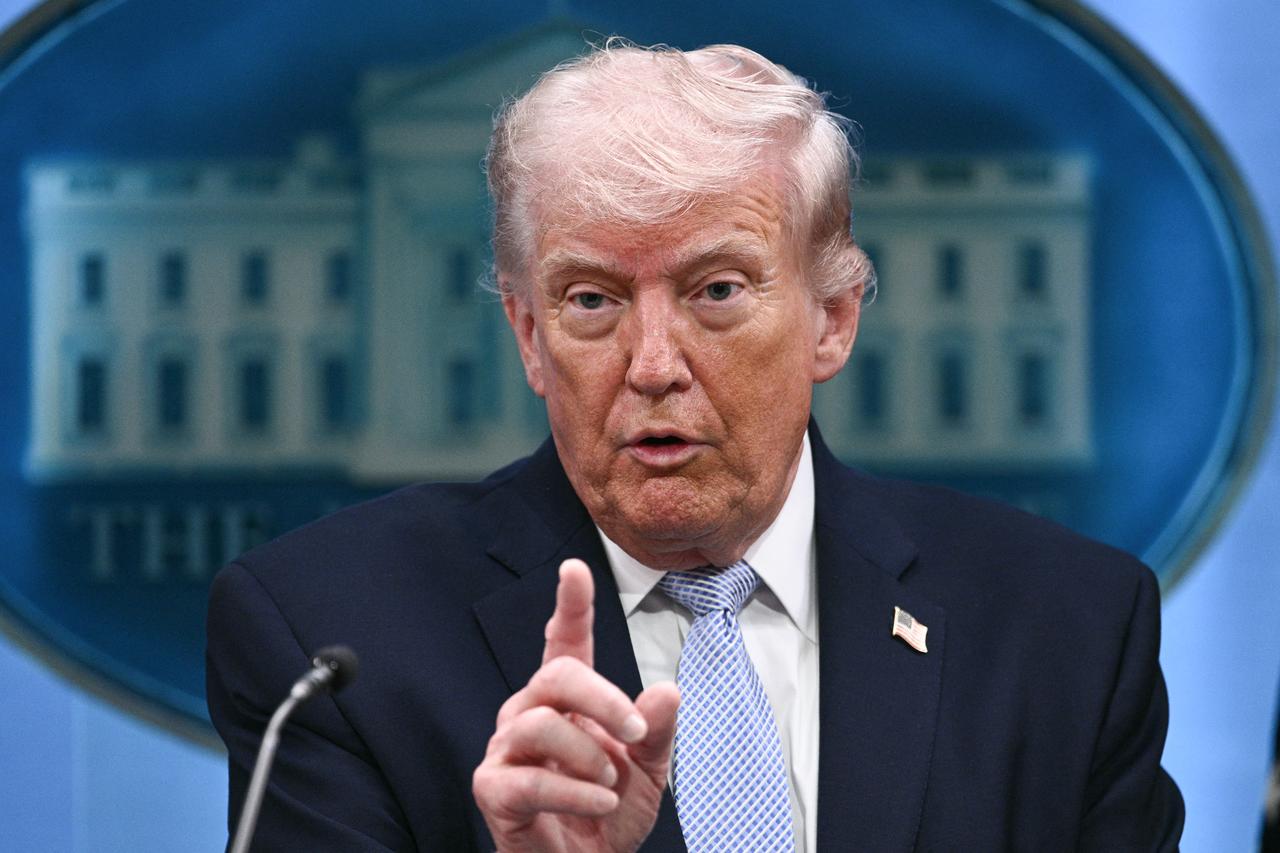


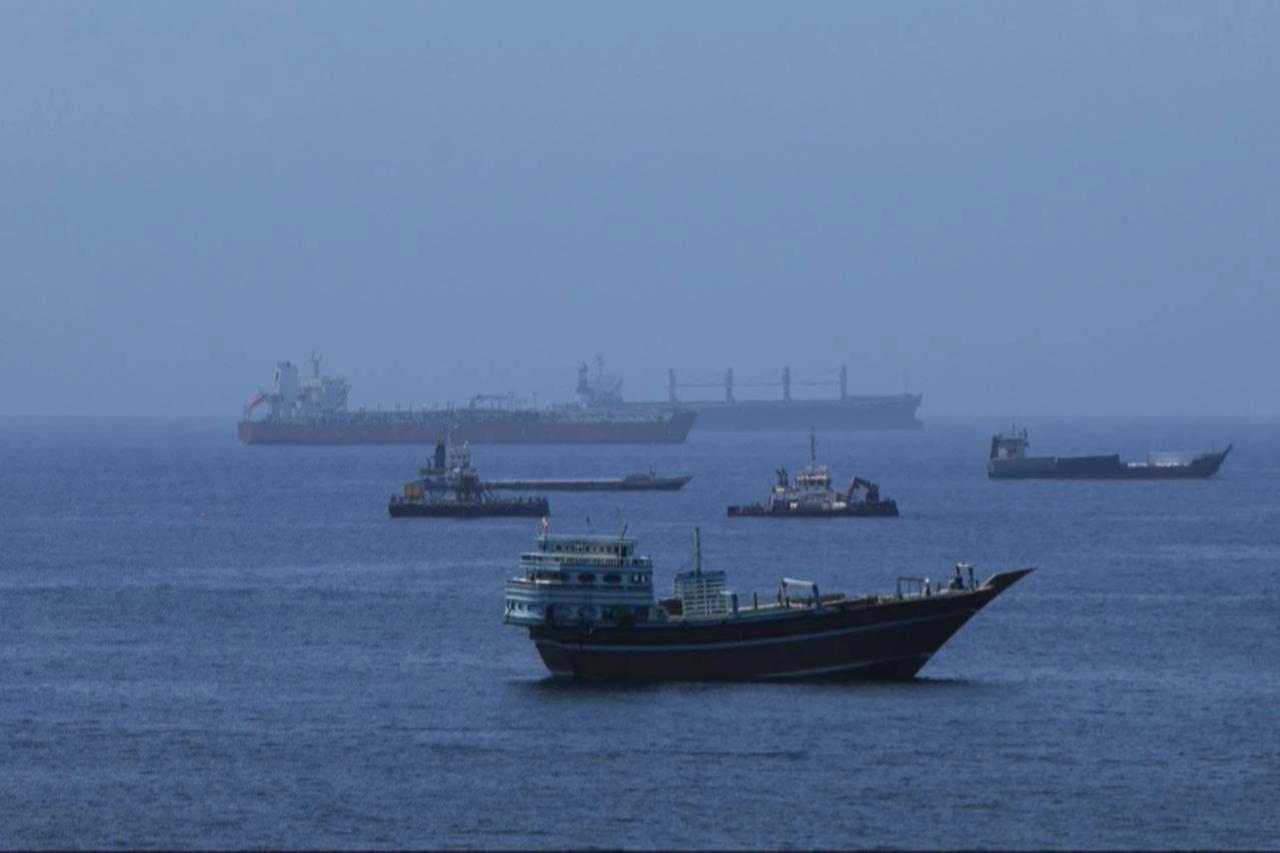
U.S. President Donald Trump has given European allies a matter of days to commit warships or other military assets to help secure the Strait of Hormuz, Der Spiegel reported Thursday.
The demand came during a closed-door meeting at the White House between Trump and Mark Rutte. Rutte subsequently told European capitals that Washington is seeking “concrete commitments” in the coming days, the magazine reported, citing European diplomats who spoke on condition of anonymity.
The diplomats characterized the request as an “ultimatum,” saying the Trump administration made clear that vague “political pledges” from allies are no longer sufficient. It remained unclear whether the United States is pushing for a formal NATO mission or coordinated national deployments.
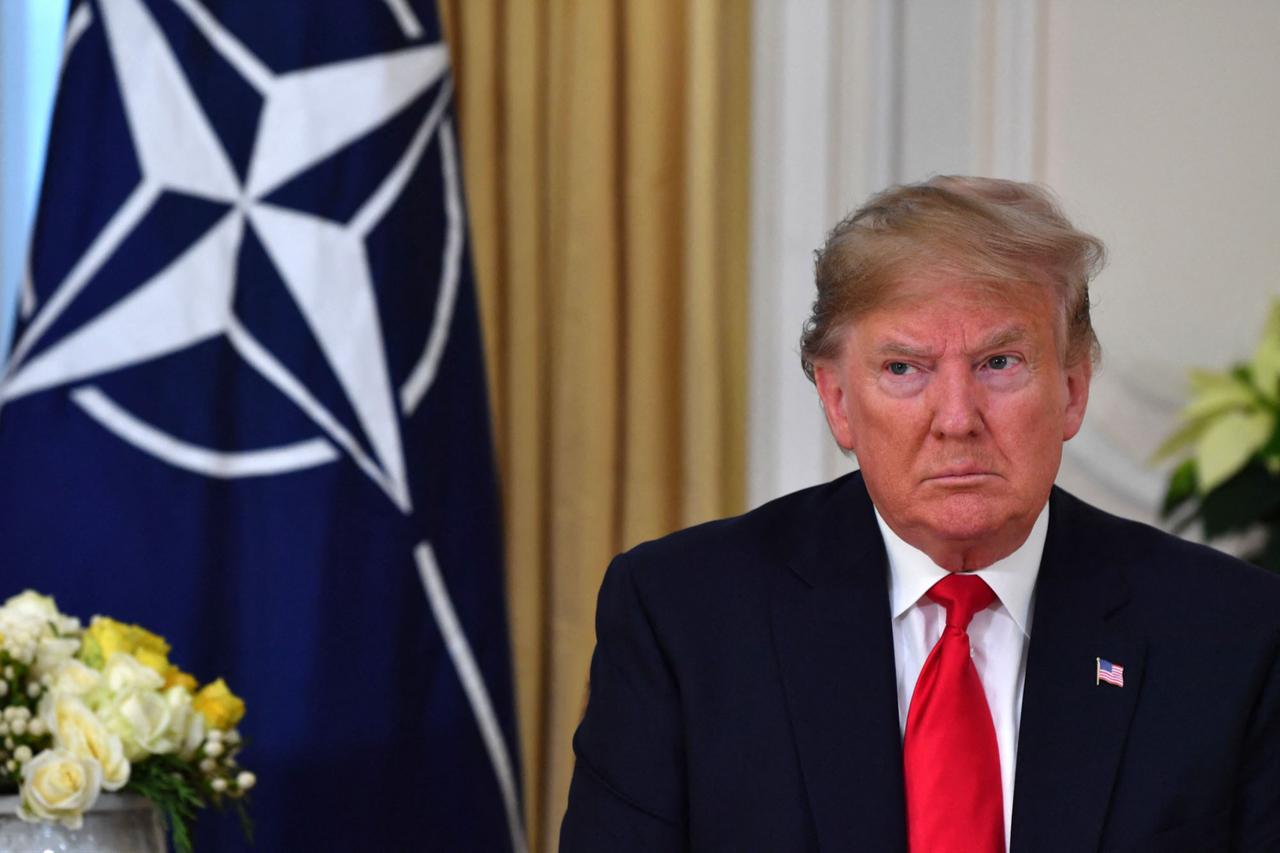
Meanwhile, Trump criticized NATO in a post on his Truth Social account Thursday.
He said, “none of these people, including our own, understood anything unless they have pressure placed upon them.”
In a separate post following his meeting with Rutte on Wednesday, Trump continued his criticism of European allies.
“NATO wasn’t there when we needed them, and they won’t be there if we need them again,” he wrote.
White House spokeswoman Karoline Leavitt also said Trump believes NATO was “tested, and they failed” during the Iran war.
“It’s quite sad that NATO turned its back on the American people over the course of the last six weeks when it’s the American people who have been funding their defense,” she said.
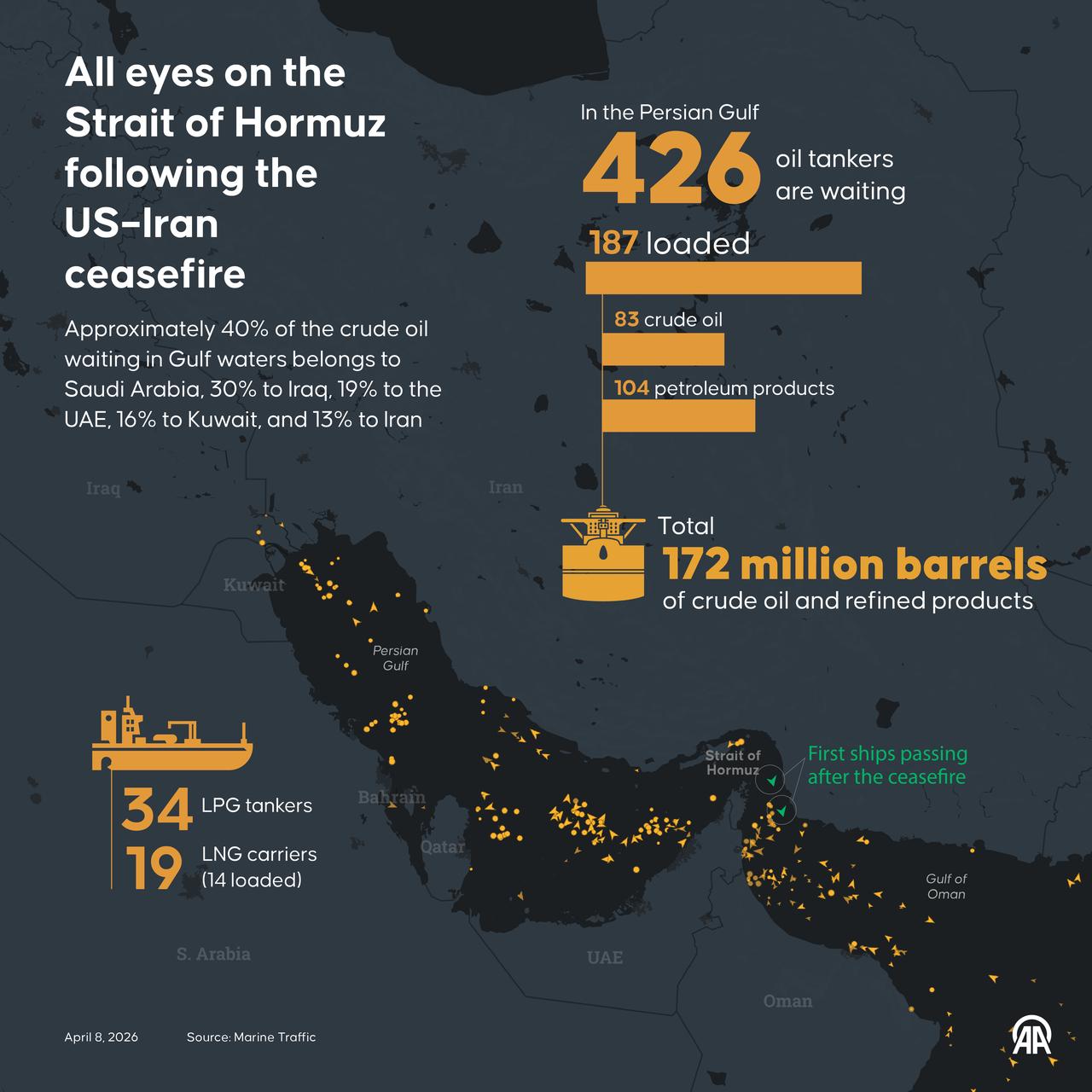

Major European allies, including Germany, have so far been reluctant to send naval forces to ensure free navigation through the Strait of Hormuz, saying the United States and Israel did not consult them before launching the war against Iran.
German Chancellor Friedrich Merz previously criticized the United States and Israel for lacking a clear strategy to end the conflict.
He said Germany could help secure navigation in the strait only after a ceasefire, and only with an international mandate and approval from the German parliament.
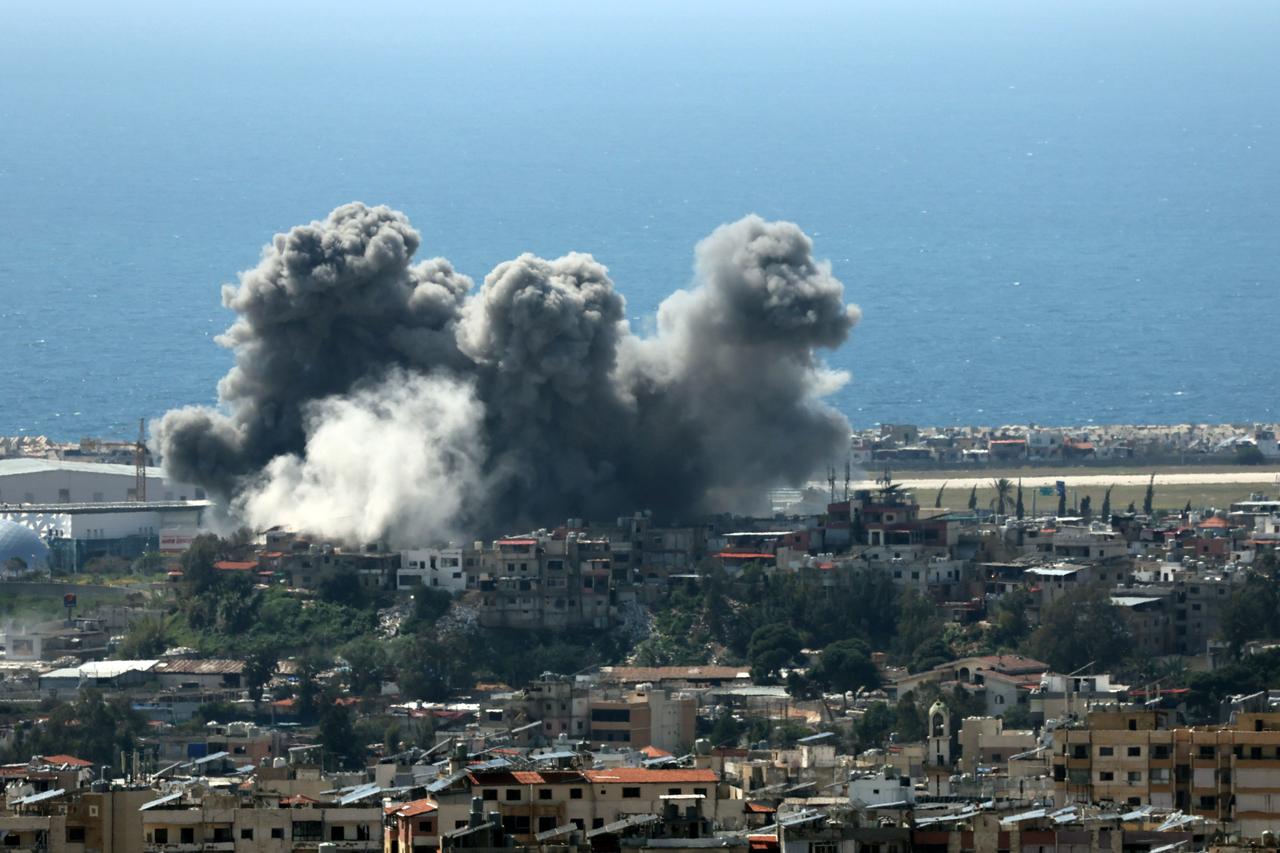
Regional tensions have escalated since the United States and Israel launched a joint offensive against Iran on Feb. 28, killing more than 3,000 people, including then-Supreme Leader Ali Khamenei.
Iran has retaliated with drone and missile strikes targeting Israel, as well as Jordan, Iraq and Gulf countries hosting U.S. military assets.
On Tuesday, Trump announced a two-week ceasefire with Iran aimed at paving the way for a final agreement to end the conflict.


 Set as preferred source
 Set as preferred source


 1 min read
 1 min read