Newsletters


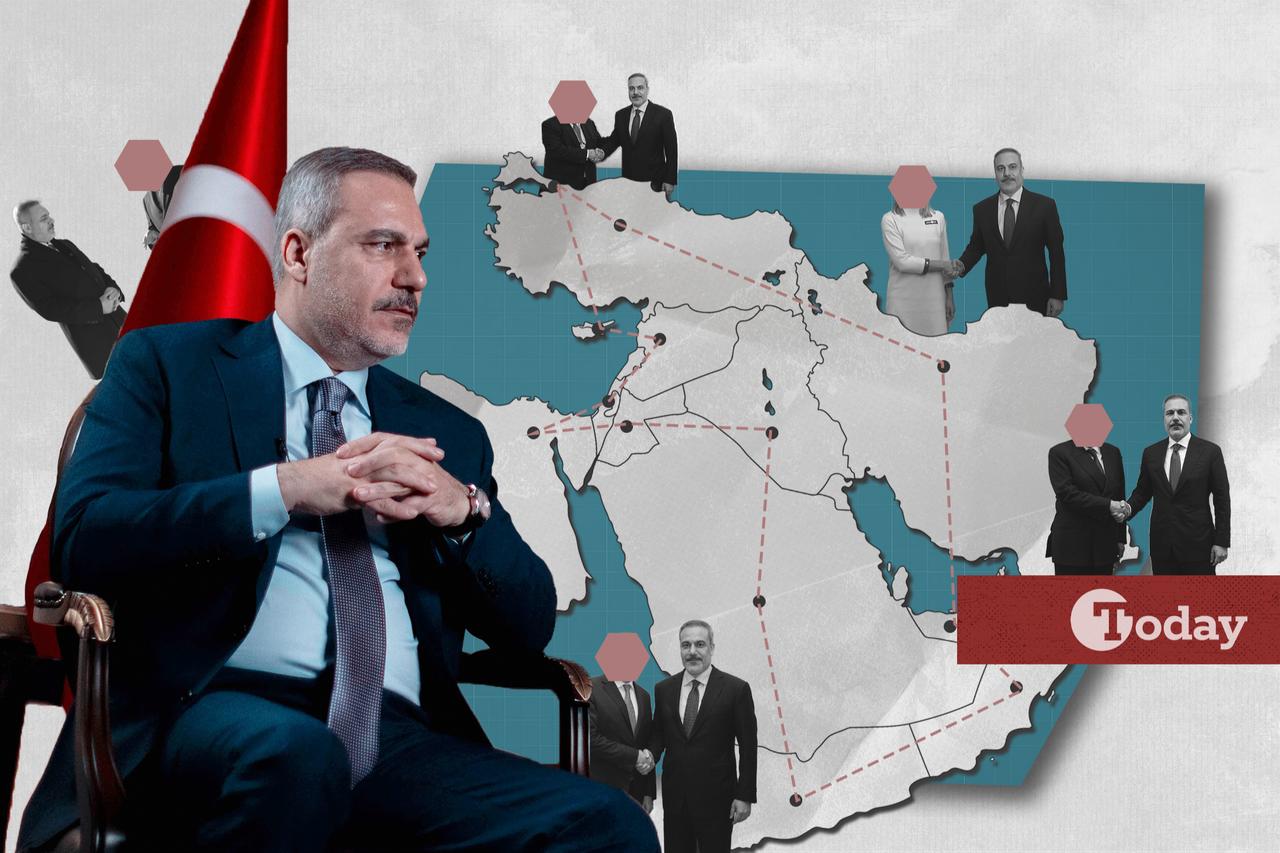


Türkiye played a key role in securing the ceasefire between Iran and the United States, with intensive diplomatic efforts on the ground, Turkish diplomatic sources said to Türkiye Today.
In the process leading to the ceasefire, Türkiye’s position as a country capable of simultaneously engaging both the region and the West proved decisive, the sources added.
A temporary ceasefire announced after days of escalating tensions came as a result of intensive diplomatic efforts led by Türkiye, with Erdogan briefed at every stage and Fidan playing a central role both on the ground and through phone diplomacy.
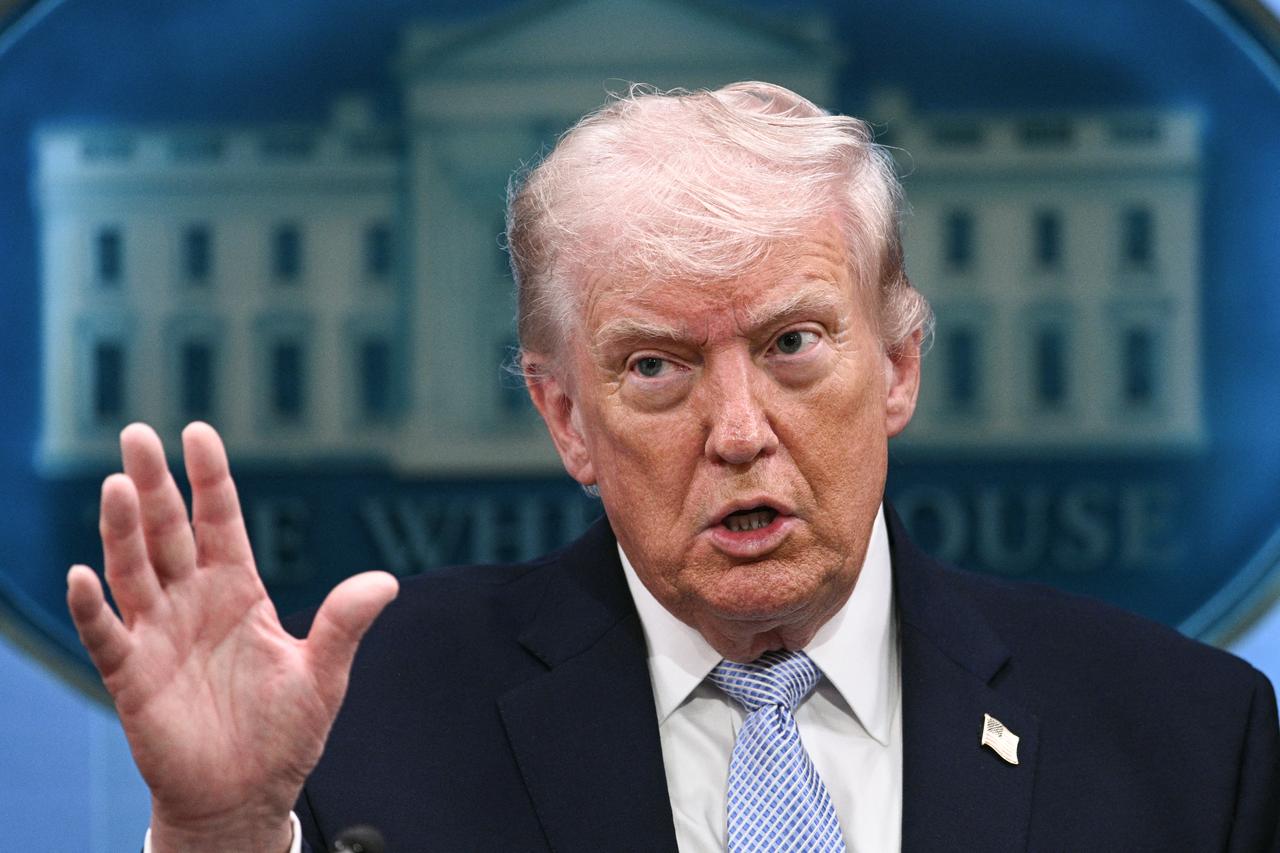
Iran and the United States announced a two-week truce on Tuesday aimed at paving the way for a final agreement to end the war launched by the United States and Israel against Iran on Feb. 28, which has left many dead and wounded.
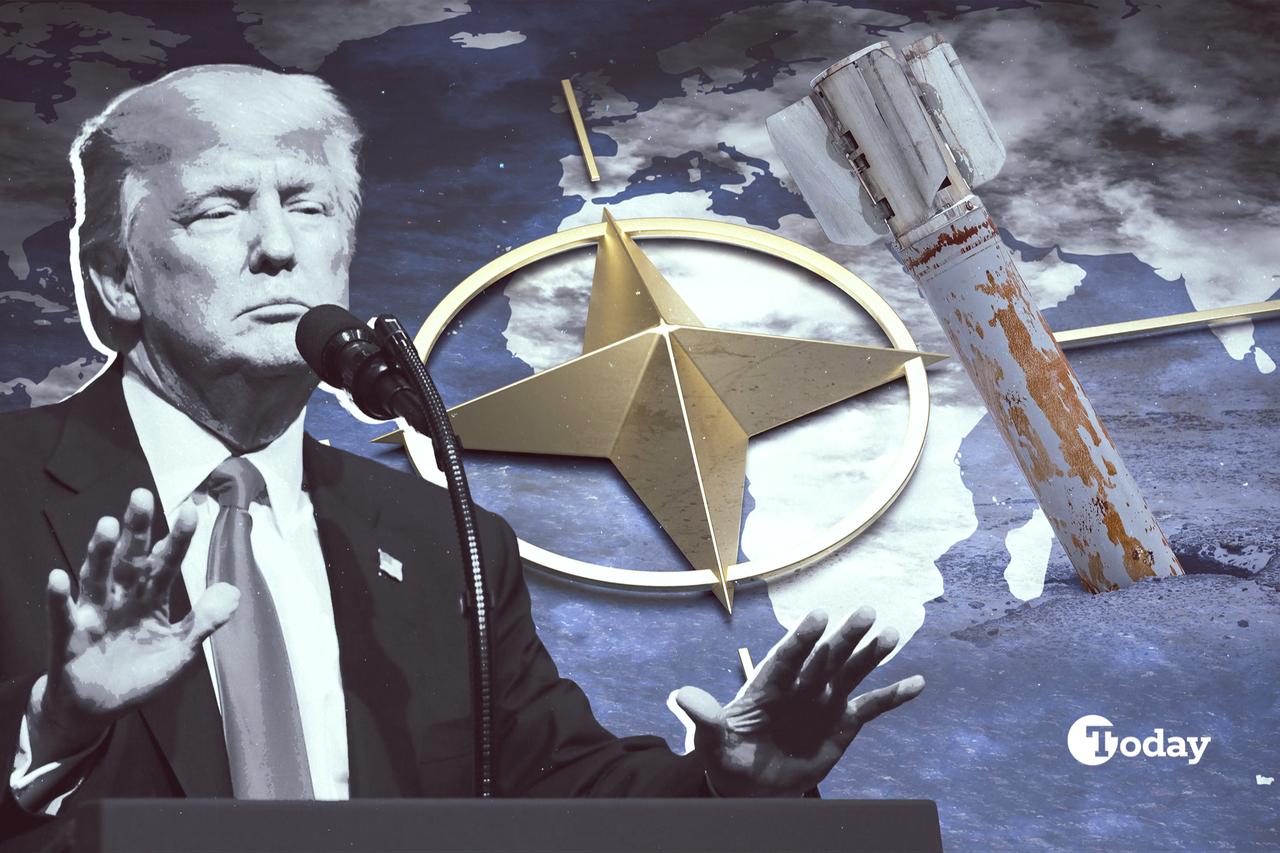
The announcement came less than two hours before the expiration of a deadline that Donald Trump had repeatedly extended for Iran to reopen the Strait of Hormuz and accept an agreement or face “the destruction of an entire civilization.”
Islamabad is set to host talks between delegations from the United States and Iran after the two-week ceasefire was secured late Tuesday.

At the outset of the conflict, Türkiye set two priorities: preventing a regional war and shifting the focus of the conflict toward the United States, the sources said.
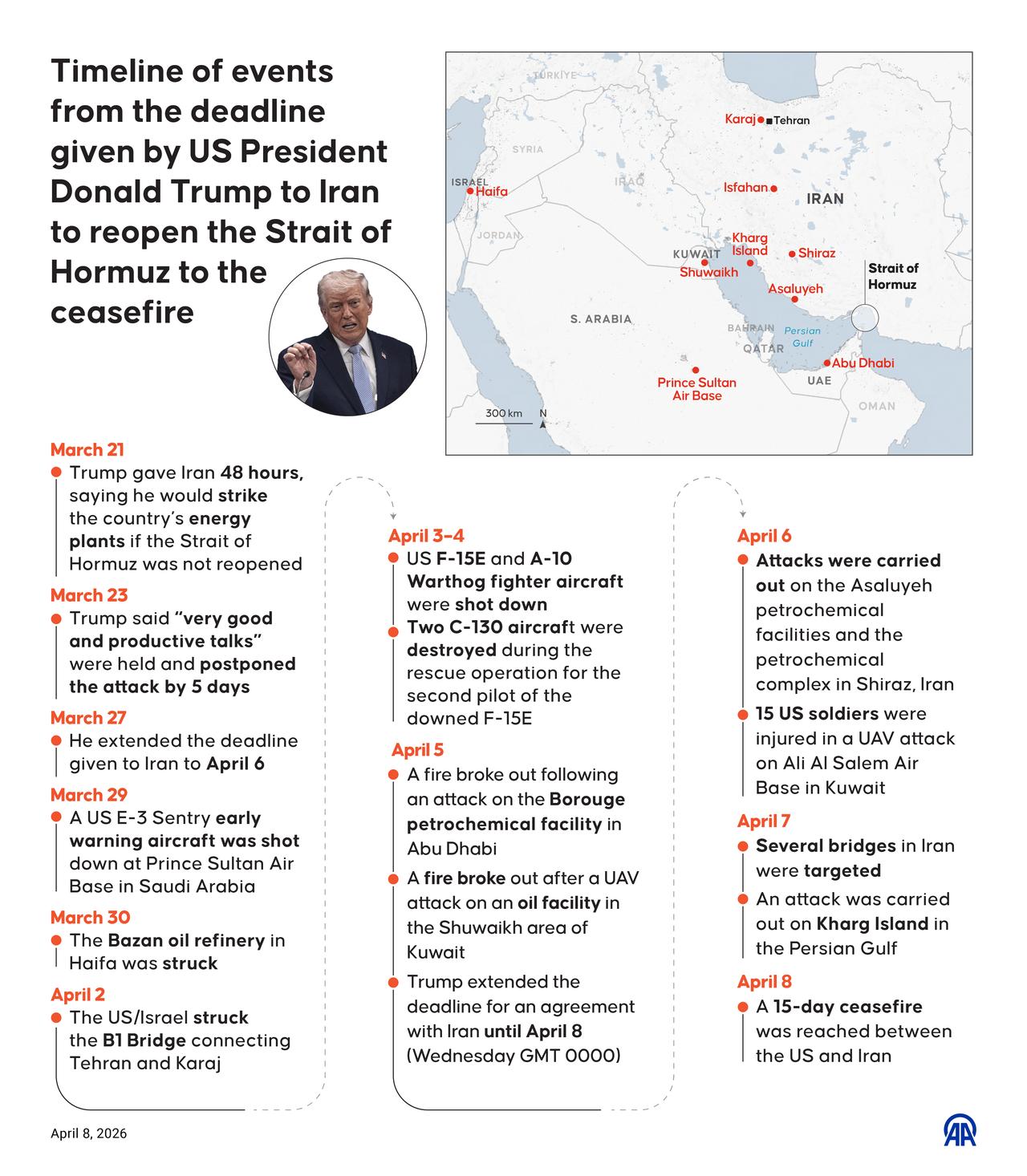
In line with these goals, Fidan held more than 150 phone calls over the past 10 days.
On the night the ceasefire was declared, Ankara maintained uninterrupted contact with Washington, Tehran, Islamabad, and Doha until 2 a.m., according to the sources.
Following Iranian strikes, Gulf states considered retaliatory action, raising the risk of a broader regional war.
On the first day of Eid, Fidan traveled to Riyadh, Doha, and Abu Dhabi for talks with regional leaders. He met Gulf foreign ministers in Riyadh, Qatar’s Emir Sheikh Tamim bin Hamad Al Thani in Doha, and officials in the United Arab Emirates.
After the meetings, tensions eased in the Gulf, with observers noting that “fingers were taken off the trigger.”
At the same time, Ankara conveyed warnings to Tehran regarding target selection.
Pakistan’s Chief of Army Staff Asim Munir held one-on-one talks only with Türkiye during the process, the sources said.
During Fidan’s late March–early April visit to Islamabad, the framework of the ceasefire text was drafted.
In the past week alone, nearly 50 calls were held with Pakistan’s foreign minister and army chief. The agenda and format of Friday’s meeting in Pakistan were also finalized under Ankara’s coordination.
Türkiye’s contributions included discouraging Gulf states from retaliating against Iran, preventing Kurdish groups from joining the conflict, delivering timely messages to all parties, and keeping Iran’s 10-point proposal deliberately vague to avoid derailing talks.
The ceasefire process highlighted Türkiye’s ability to engage simultaneously with both regional actors and Western powers.
With Erdogan’s direction and Fidan’s diplomatic efforts, Ankara played a pivotal role in securing the truce, Turkish diplomatic sources said.


 Set as preferred source
 Set as preferred source


 1 min read
 1 min read