Newsletters


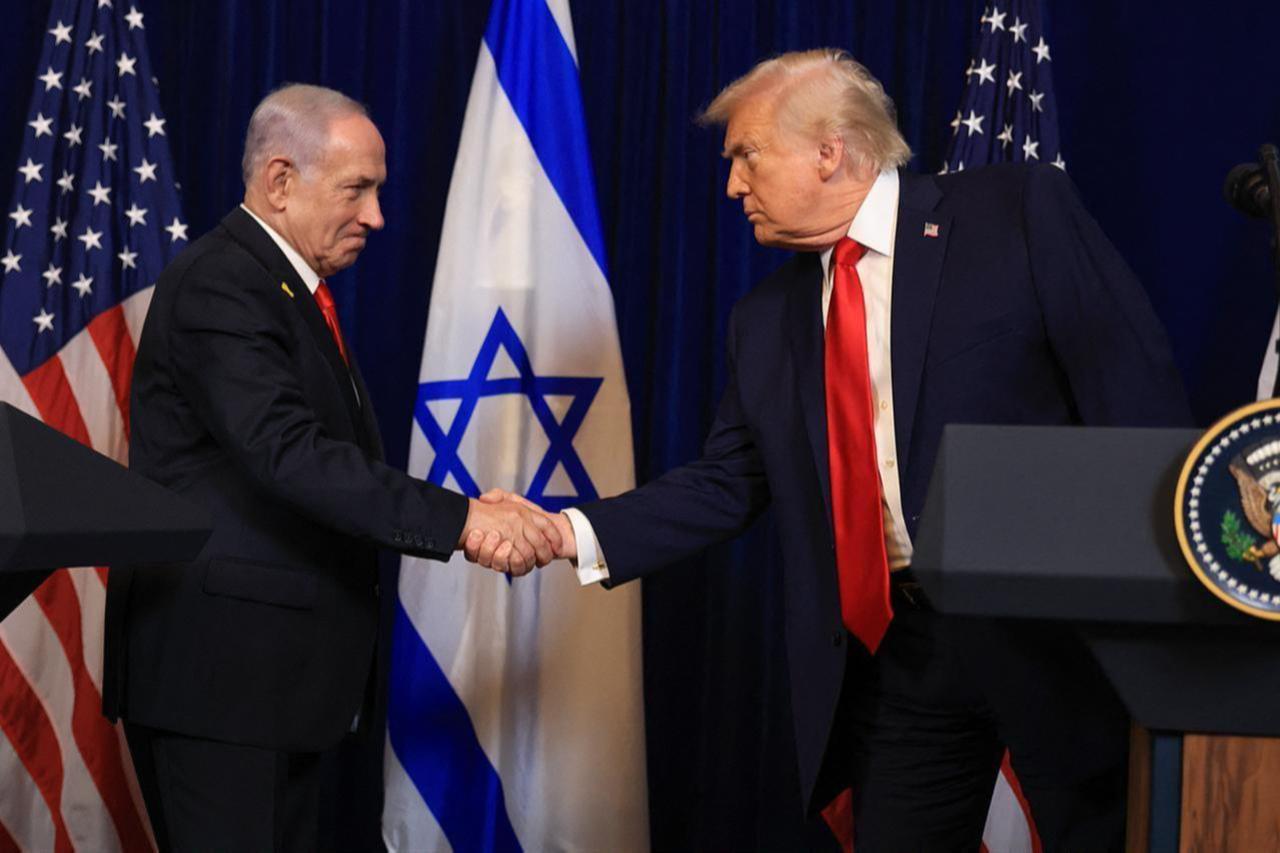


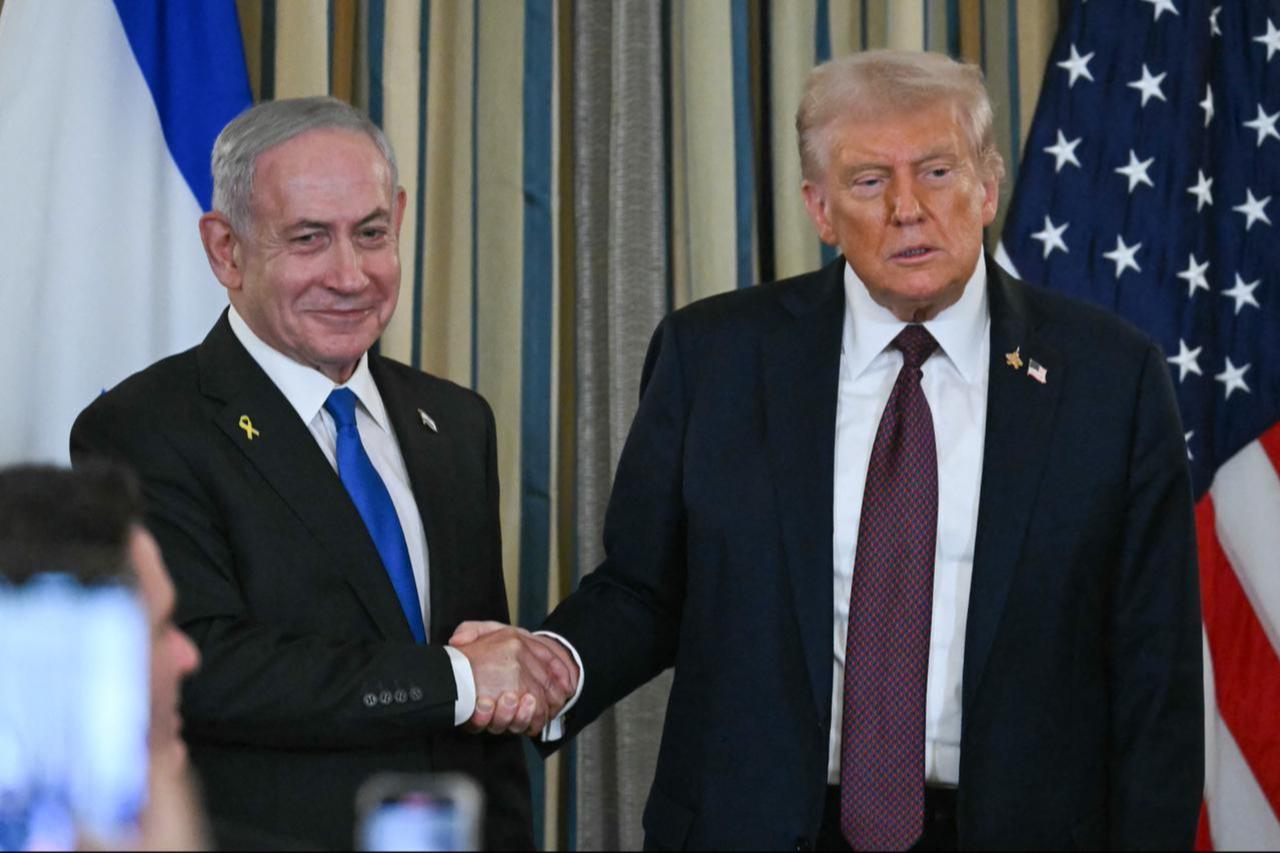
U.S. President Donald Trump and Israeli Prime Minister Benjamin Netanyahu agreed to step up economic pressure on Iran, particularly targeting its oil sales to China, Axios reported Saturday, citing two American officials briefed on the matter.
The agreement was reached during a meeting at the White House on Wednesday.
“We agreed that we will go full force with maximum pressure against Iran, for example, regarding Iranian oil sales to China,” a senior U.S. official said, according to the report.
More than 80% of Iran’s oil exports go to China, and any reduction in Chinese purchases would significantly intensify economic pressure on Tehran and could shift its calculations regarding its nuclear program.
An executive order recently signed by Trump allows the U.S. to intensify economic pressure on Iran, including provisions enabling the heads of state and commerce departments to recommend tariffs of up to 25 percent on countries maintaining trade ties with Tehran.
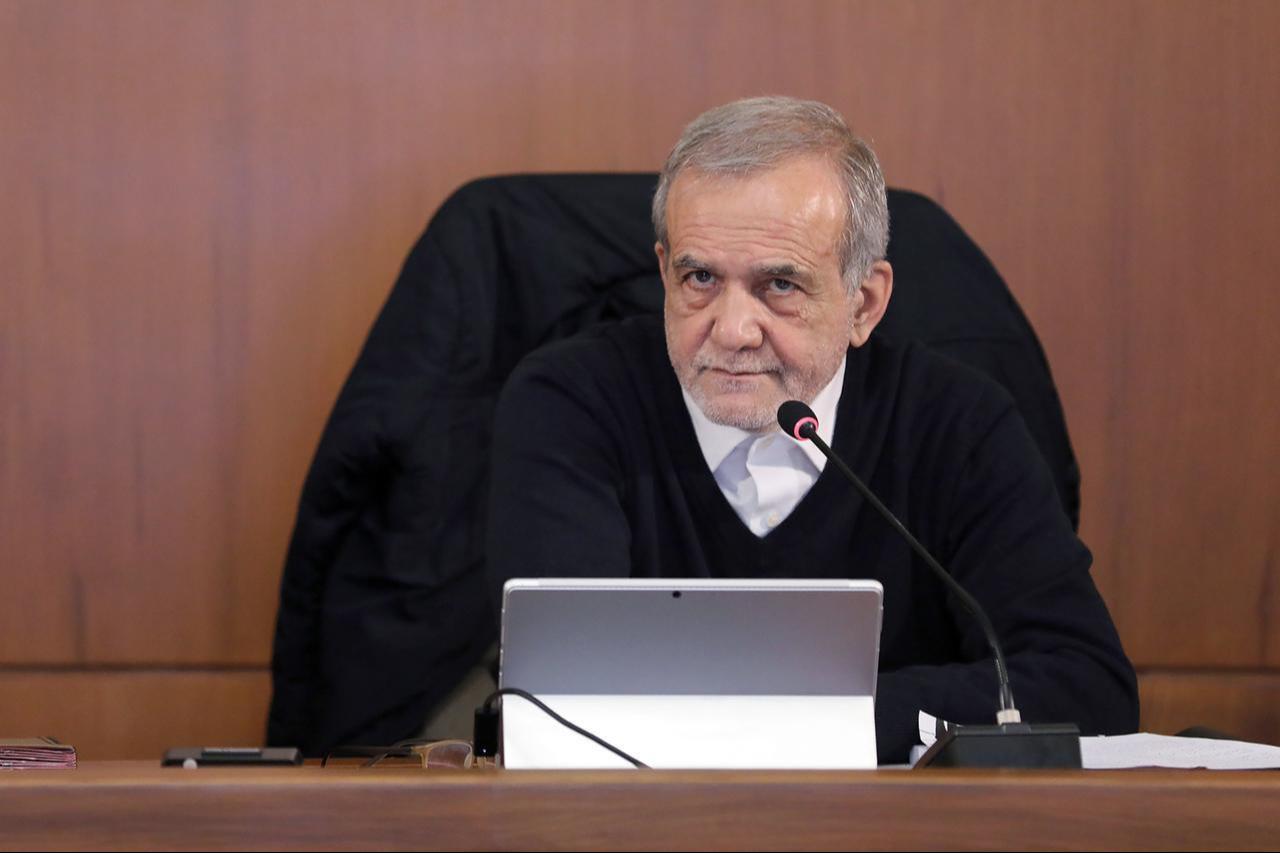

Despite agreement on increasing pressure, Trump and Netanyahu differed on the prospects of a diplomatic agreement with Iran.
Netanyahu told Trump that a reliable agreement with Tehran is unattainable and would likely be violated. Trump said he believes a deal is possible.
“We’ll see if it’s possible—let’s give it a shot,” Trump said, according to a U.S. official.
U.S. officials said Washington will pursue its maximum pressure campaign alongside nuclear negotiations and a continued military buildup in the Middle East to maintain the option of strikes if diplomatic efforts collapse.
Canadian Foreign Affairs Minister Anita Anand said Canada wants a change of government in Iran and would not reopen diplomatic relations unless that occurs.
“We will not open diplomatic relationships with Iran unless there is a regime change. Period,” Anand told the Globe and Mail in an interview in Germany, where she was attending the Munich Security Conference.
Canada cut diplomatic ties with Iran in 2012.
Anand announced further sanctions against seven individuals connected with the Iranian government and said Canada’s focus in the region is on the repression of human rights.
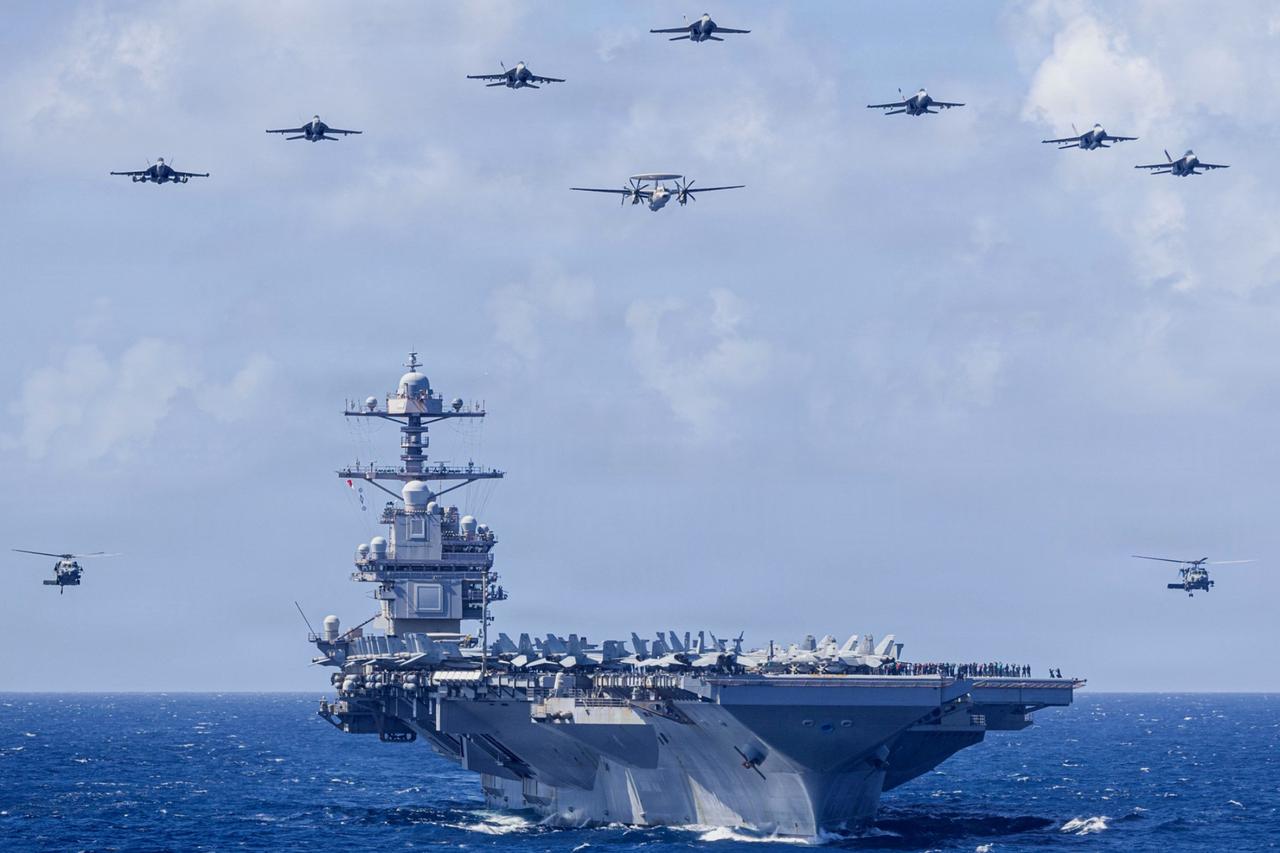
On Friday, Trump embraced the possibility of government change in Iran as the Pentagon sent a second aircraft carrier to the region.
Two U.S. officials told Reuters that the U.S. military is preparing for the possibility of sustained, weeks-long operations against Iran if Trump orders an attack, which could lead to a more serious conflict than previously seen between the countries.
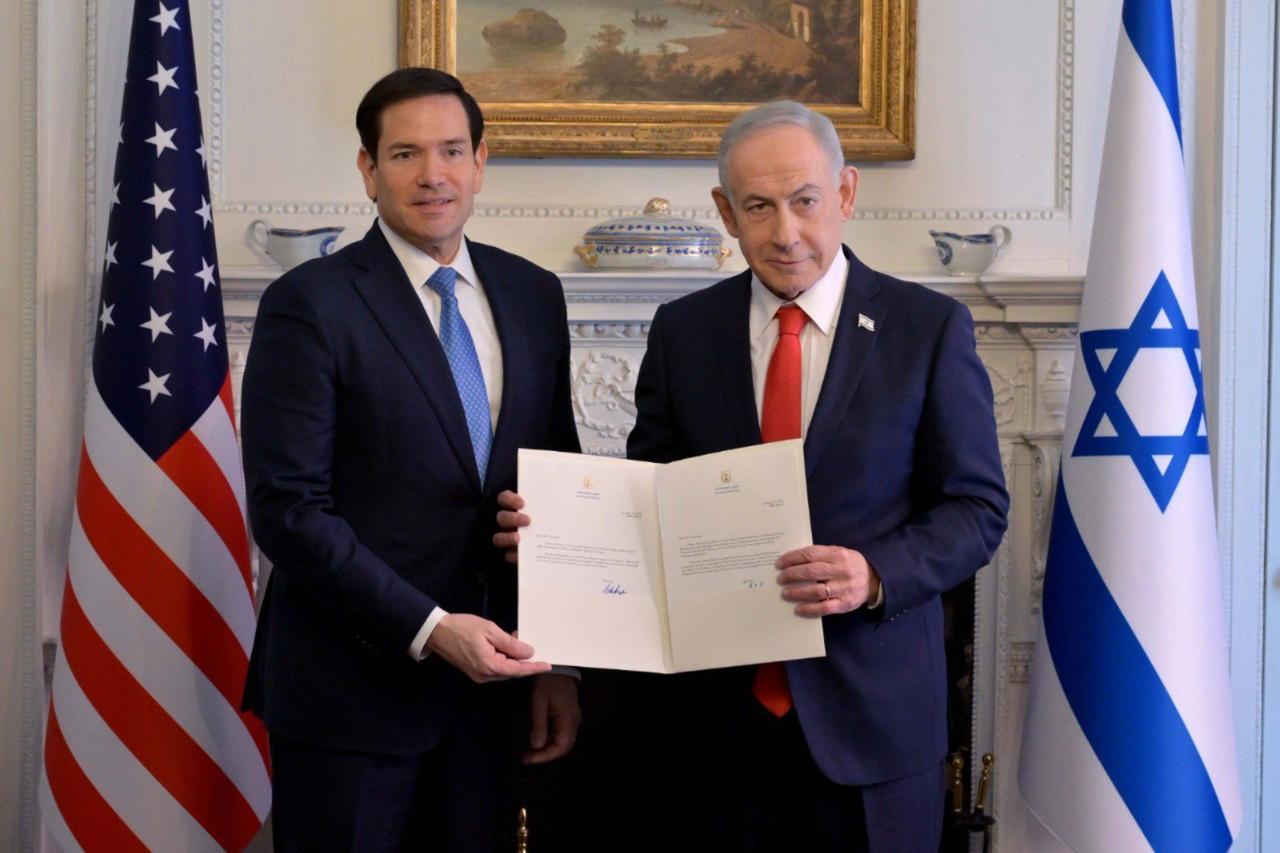
U.S. Secretary of State Marco Rubio said Trump prefers to resolve issues with Iran through negotiations.
“The president has said that his preference is to reach a deal with Iran. That's very hard to do, but he's going to try. And that's what we're trying to do right now,” Rubio said in an interview with Bloomberg.
Rubio said Trump is willing to meet with anyone.
“I’m pretty confident in saying that if the Ayatollah Ali Khamenei said tomorrow he wanted to meet with President Trump, the president would meet him, not because he agrees with the Ayatollah, but because he thinks that’s the way you solve problems in the world,” he said.
Asked about the deployment of a second U.S. aircraft carrier to the Middle East, Rubio said Iran obtaining a nuclear weapon “will never be allowed,” calling it a threat to the U.S., Europe, the region, and global security.
“We obviously want to have forces in the region because Iran has shown the willingness and the capability to lash out and strike out at the United States' presence in the region,” Rubio said, adding that the U.S. maintains bases due to its alliances in the region.
“Iran has shown in the past that they're willing to attack us and or threaten our bases,” he said, adding that the U.S. must have “sufficient firepower in the region to ensure that they don't make a mistake and come after us and trigger something larger.”


 Set as preferred source
 Set as preferred source


 1 min read
 1 min read