Newsletters


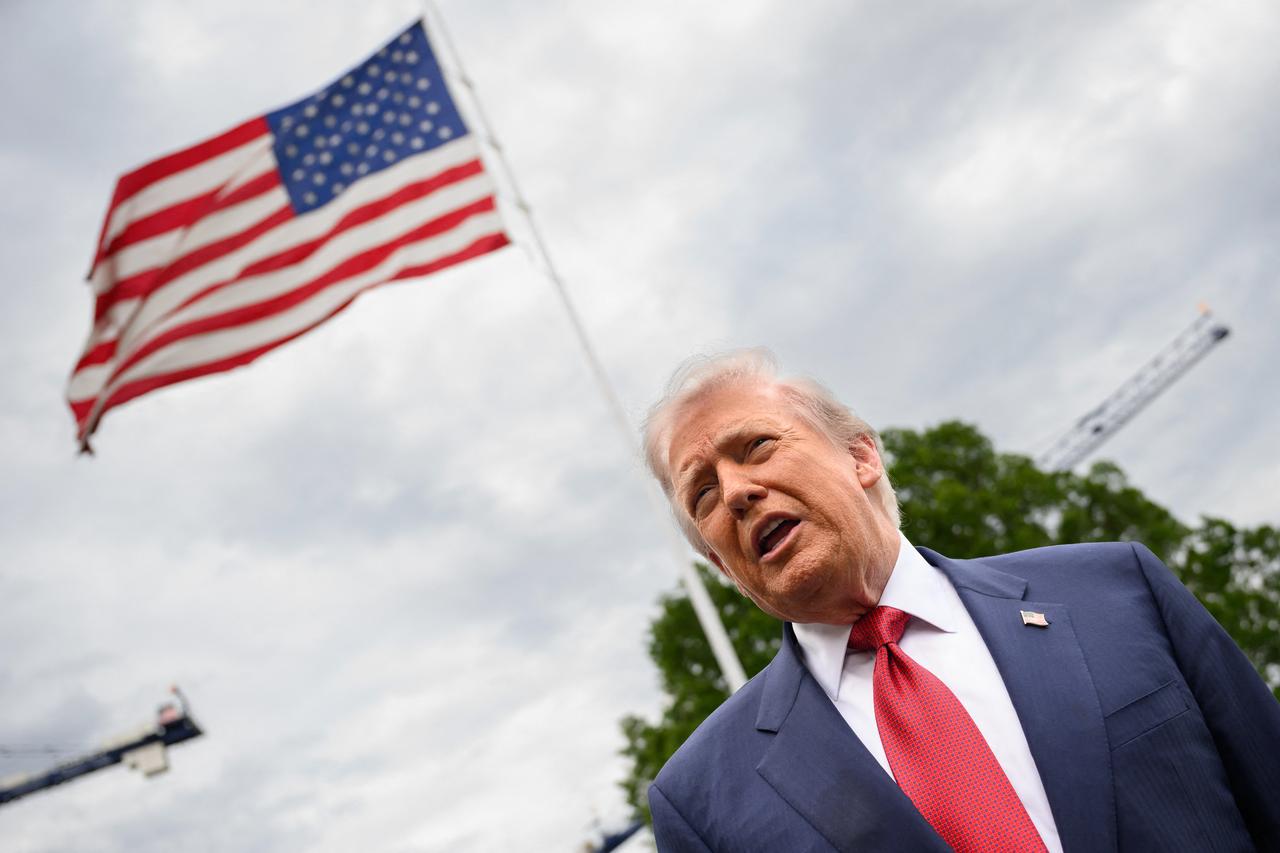


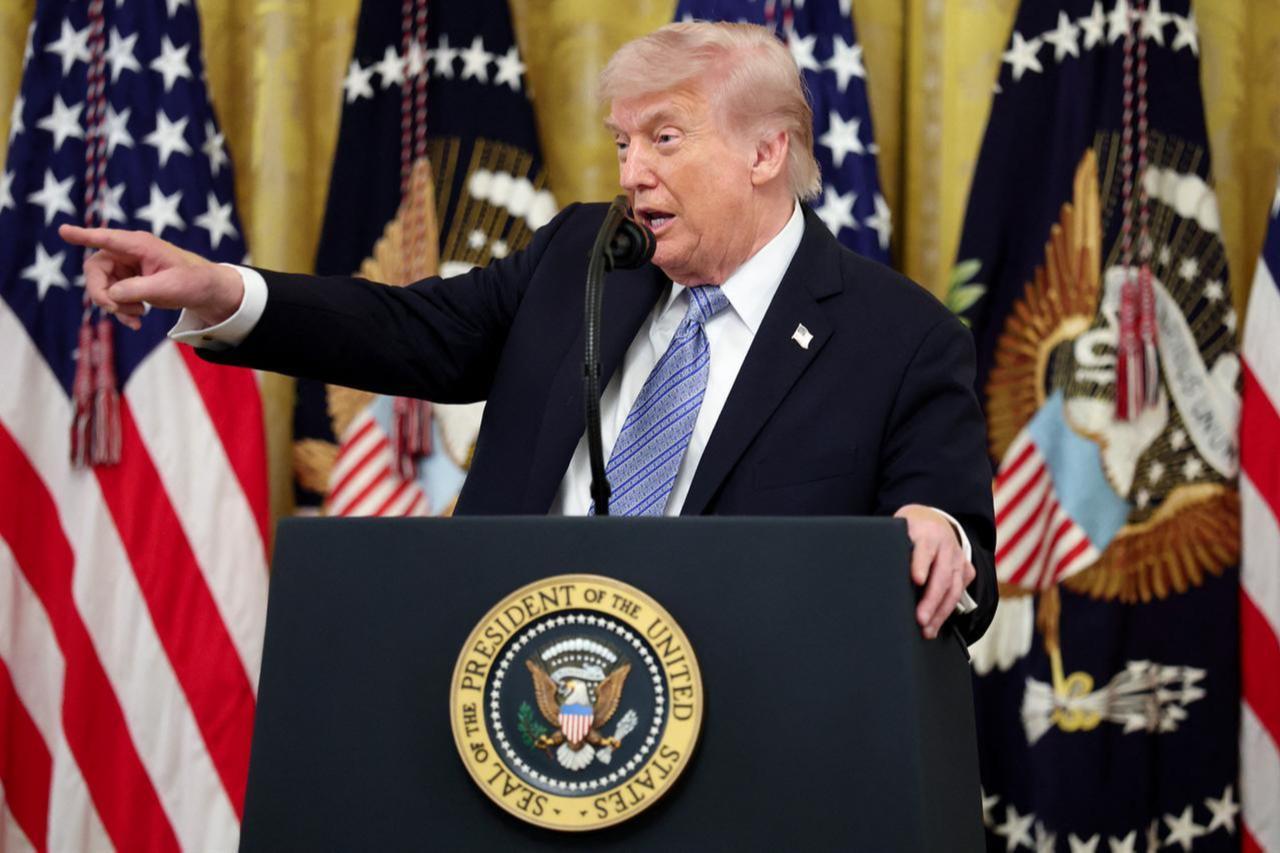
U.S. President Donald Trump on Sunday declared Iran's response to a U.S. war-ending peace proposal "totally unacceptable," dashing hopes of an imminent deal and sending oil prices sharply higher.
Tehran's counter-proposal insisted on lifting sanctions, ending the naval blockade, guaranteeing Iranian management of the Strait of Hormuz, and receiving compensation for war damages, conditions U.S. negotiators were far from ready to accept.
"I have just read the response from Iran's so-called 'Representatives.' I don't like it, totally unacceptable!" Trump posted on Truth Social.
He told Axios in a brief phone call that "I don't like their letter. It's inappropriate. I don't like their response," declining to elaborate on the contents.
He noted he had also spoken with Israeli Prime Minister Benjamin Netanyahu on Sunday and said of the Iran negotiations: "It's my situation, not everybody else's."

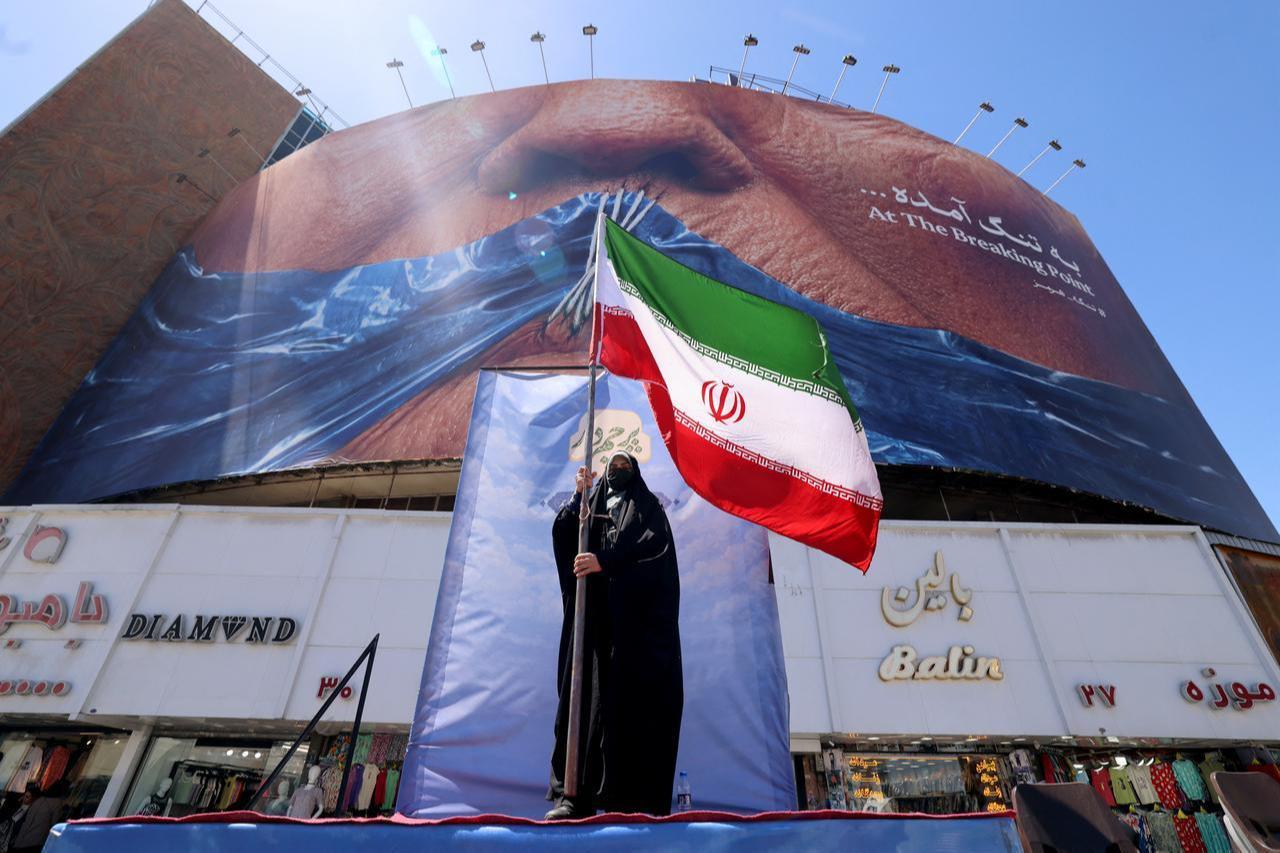
Iran's response, transmitted through Pakistani mediators on Sunday and reported by Tasnim News Agency, focuses on ending the war "on all fronts, especially Lebanon," ensuring shipping security, and enshrining guarantees against resumption of hostilities.
Key demands include:
Iran's state TV described Washington's proposal as meaning "Iran's surrender to Trump's excessive demands."
Iranian President Masoud Pezeshkian posted to X: "We will never bow down to the enemy, and if there is talk of dialogue or negotiation, it does not mean surrender or retreat."
An informed Iranian source told Tasnim that Trump's rejection "has no importance" and "doesn't matter at all," adding: "No one in Iran writes proposals to please Trump. The negotiating team should draft proposals only for the rights of the Iranian people, and when Trump is dissatisfied with them, naturally that is better."
The Wall Street Journal (WSJ), citing people familiar with the matter, reported that Iran's counter-proposal included the possibility of diluting some of its highly enriched uranium (HEU) with the remainder transferred to a third country, with Tehran seeking guarantees the uranium would be returned if negotiations failed or Washington abandoned the agreement.
Iranian state media made no mention of nuclear concessions in their own reporting of the response.
Netanyahu, whose forces launched the war alongside the U.S. on Feb. 28, told CBS's "60 Minutes": "It's not over, because there's still nuclear material, enriched uranium, that has to be taken out of Iran. There's still enrichment sites that have to be dismantled."
Trump did not clarify in his Axios call whether he intended to resume negotiations or consider military options.
 1 min read
Regional tensions have escalated since the U.S. and Israel launched strikes against Iran on Feb. 28, triggering retaliatory attacks by Tehran against Israel and U.S. allies in the Gulf as well as the closure of the Strait of Hormuz.
A ceasefire took effect on April 8 through Pakistani mediation, but talks in Islamabad failed to secure a permanent agreement.
Trump later extended the truce without setting a deadline, allowing diplomatic efforts to continue.


 Set as preferred source
 Set as preferred source



 1 min read