Newsletters


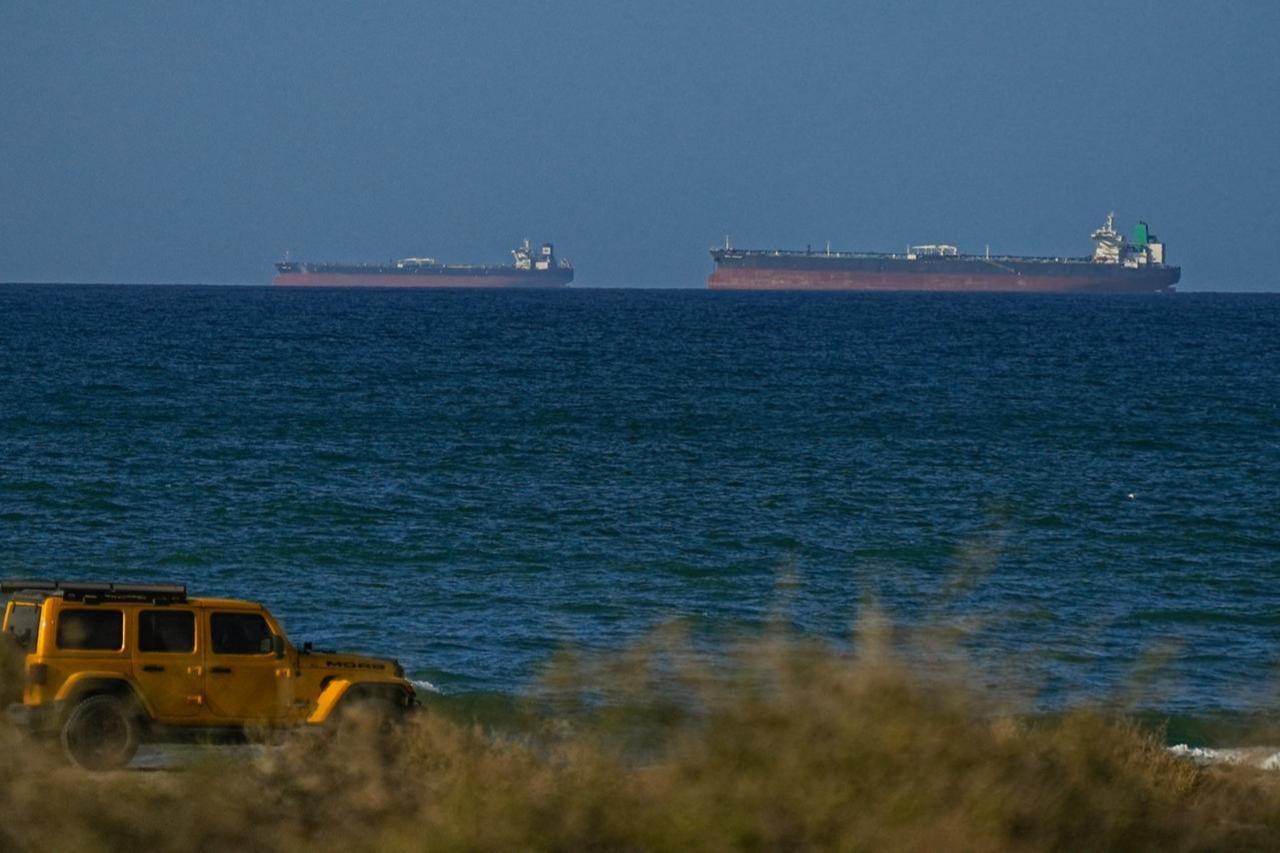


U.S. President Donald Trump declared Monday that the United States naval blockade of the Strait of Hormuz is designed to compel Iran back to diplomatic negotiations, as he reported a sharp increase in vessel transits through the strategically vital waterway and signaled that Tehran has already reached out seeking a deal.
Speaking publicly, Trump said 34 ships crossed the strait on Sunday, which he described as "by far the highest number since this foolish closure began," framing the figure as evidence that U.S. pressure is reshaping maritime conditions in the region. The Strait of Hormuz, a narrow passage between Iran and Oman, handles roughly a fifth of the world's oil supply, making it one of the most consequential chokepoints in global energy markets.

Trump was unequivocal on the nuclear question, stating that Iran would never be permitted to acquire a nuclear weapon. He added that without Iranian acceptance of that condition, no agreement would be possible. On the fate of Iran's existing nuclear material, Trump struck a more assertive tone, saying the United States intends to recover what he called Iran's nuclear "dust," adding, "We'll get it back, either we'll get it back from them, or we'll take it."
The president also pushed back firmly against any suggestion that Tehran retains leverage over global commerce. "No country can blackmail the world," he said, accusing Iran of doing precisely that by threatening access to the strait. He added that the blockade would remain in place, saying Iran currently cannot conduct any business, and that there is, for now, no active military conflict.
Despite the combative rhetoric, Trump claimed that Iran has made contact and indicated it wants to reach a deal, saying Tehran called and wants to make one "very badly." The president framed this as validation of the blockade's coercive logic, suggesting that economic isolation is achieving its intended effect. He also noted that other countries would be joining the naval blockade, without specifying which nations.
Trump added a broader historical note, saying many American presidents have come to regret not acting more decisively on Iran when they had the opportunity.
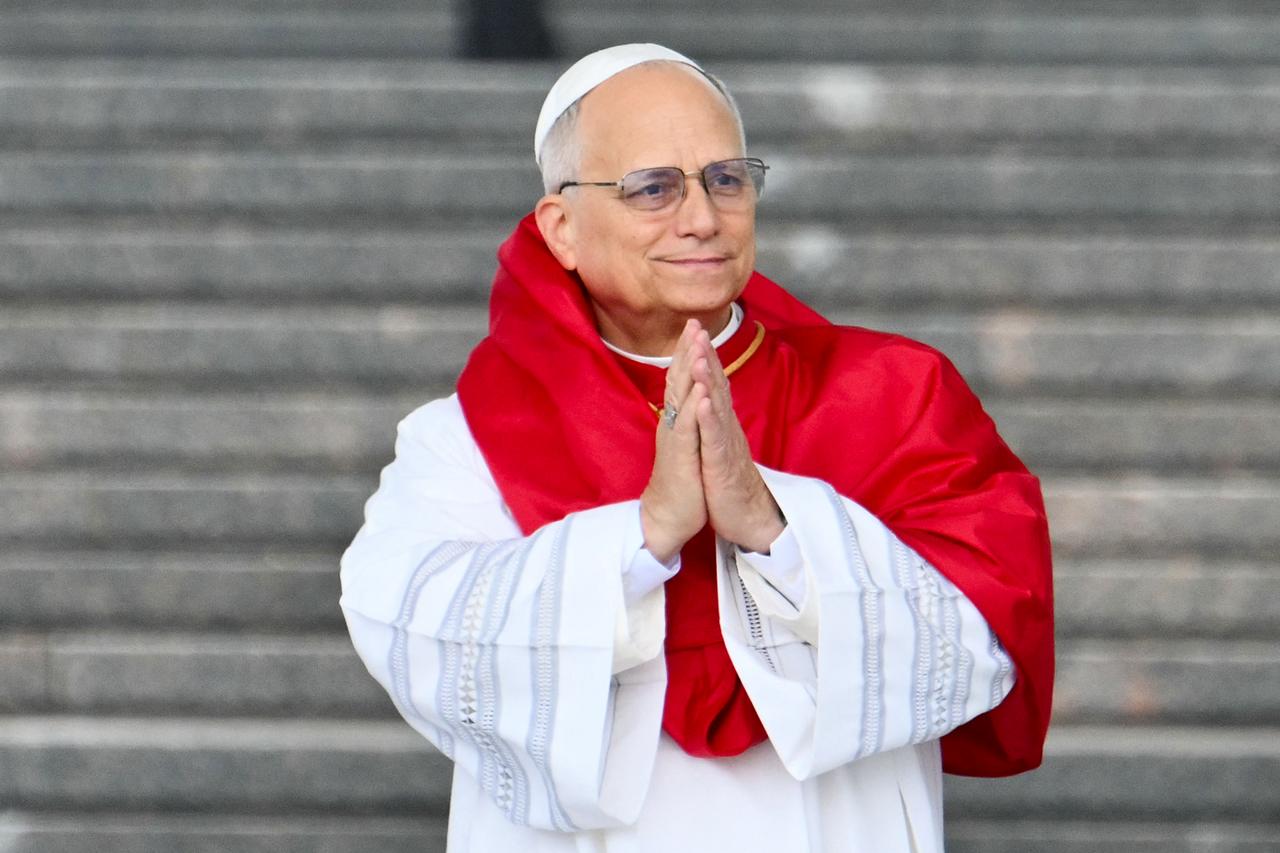
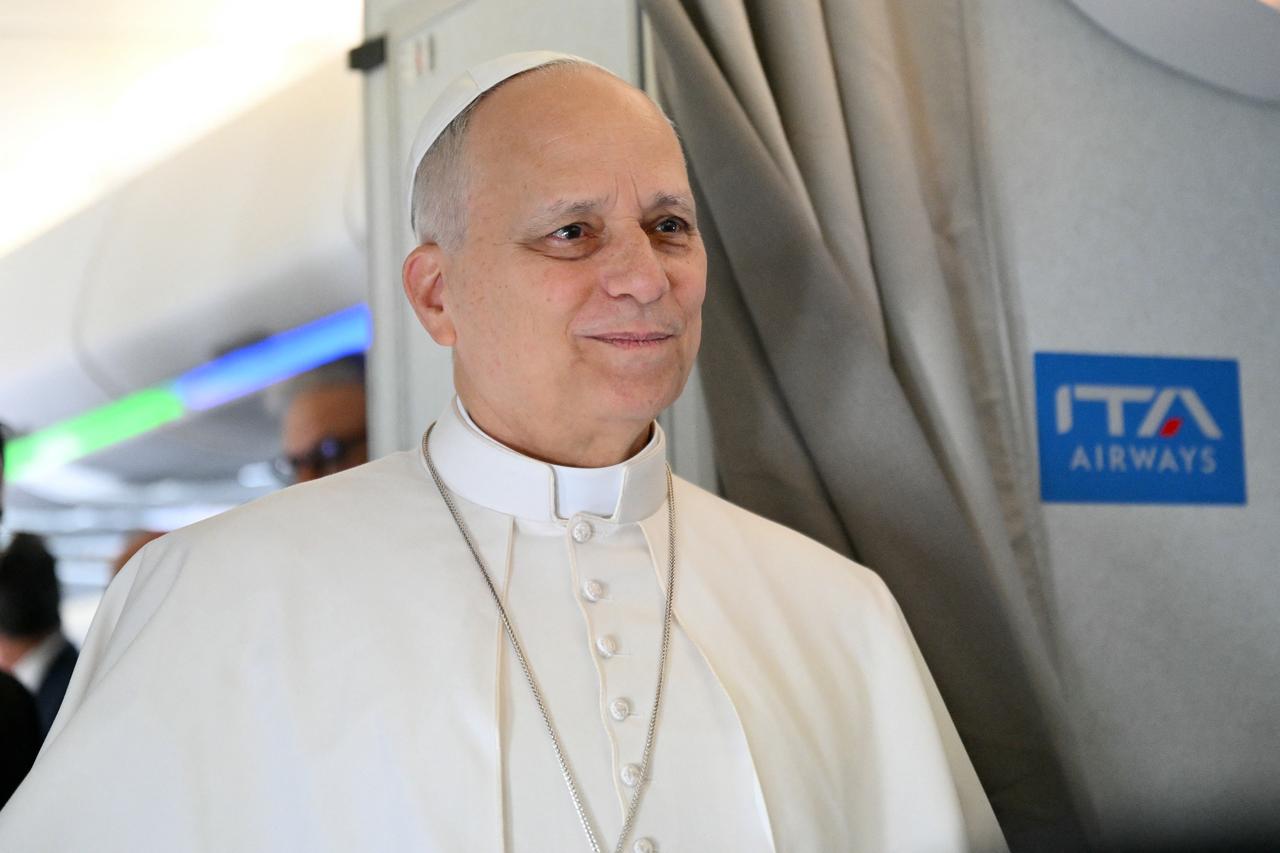
On unrelated matters, Trump declined to apologize to Pope Leo, whom he referred to as "very weak," and made a brief remark suggesting Cuba could be a future focus of U.S. attention after the Iran situation concludes, calling Cuba a failed country.


 Set as preferred source
 Set as preferred source


 1 min read
 1 min read