Newsletters


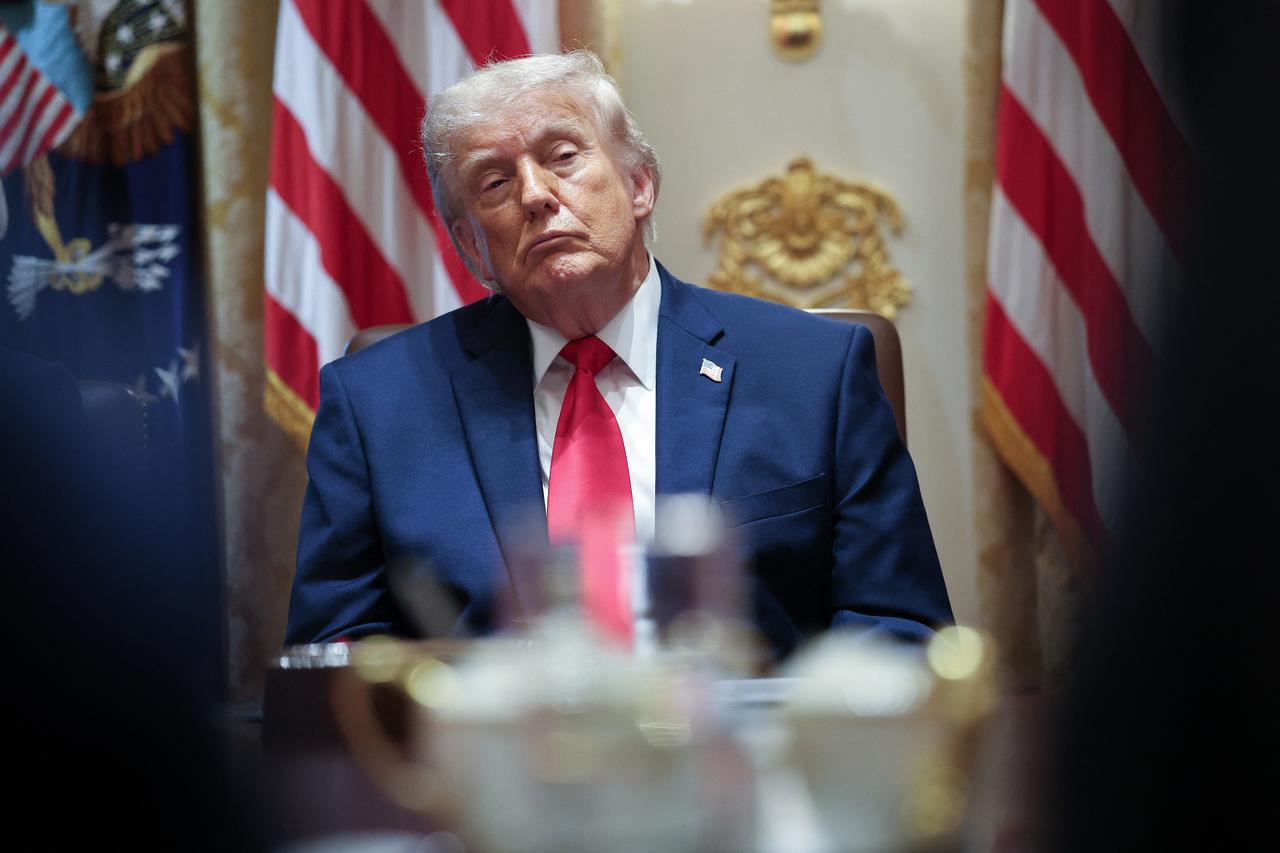


U.S. President Donald Trump said Monday he expects the U.S. and Iran to reach an agreement within the next week that would extend the ceasefire and pave the way for reopening the Strait of Hormuz.
Trump described ongoing negotiations as positive despite a temporary setback over Israel's continued attacks on Lebanon. "Looking good, looking good," Trump told ABC News when asked about the prospects for an agreement.
He acknowledged there had been "a little glitch" but added that it was resolved quickly.
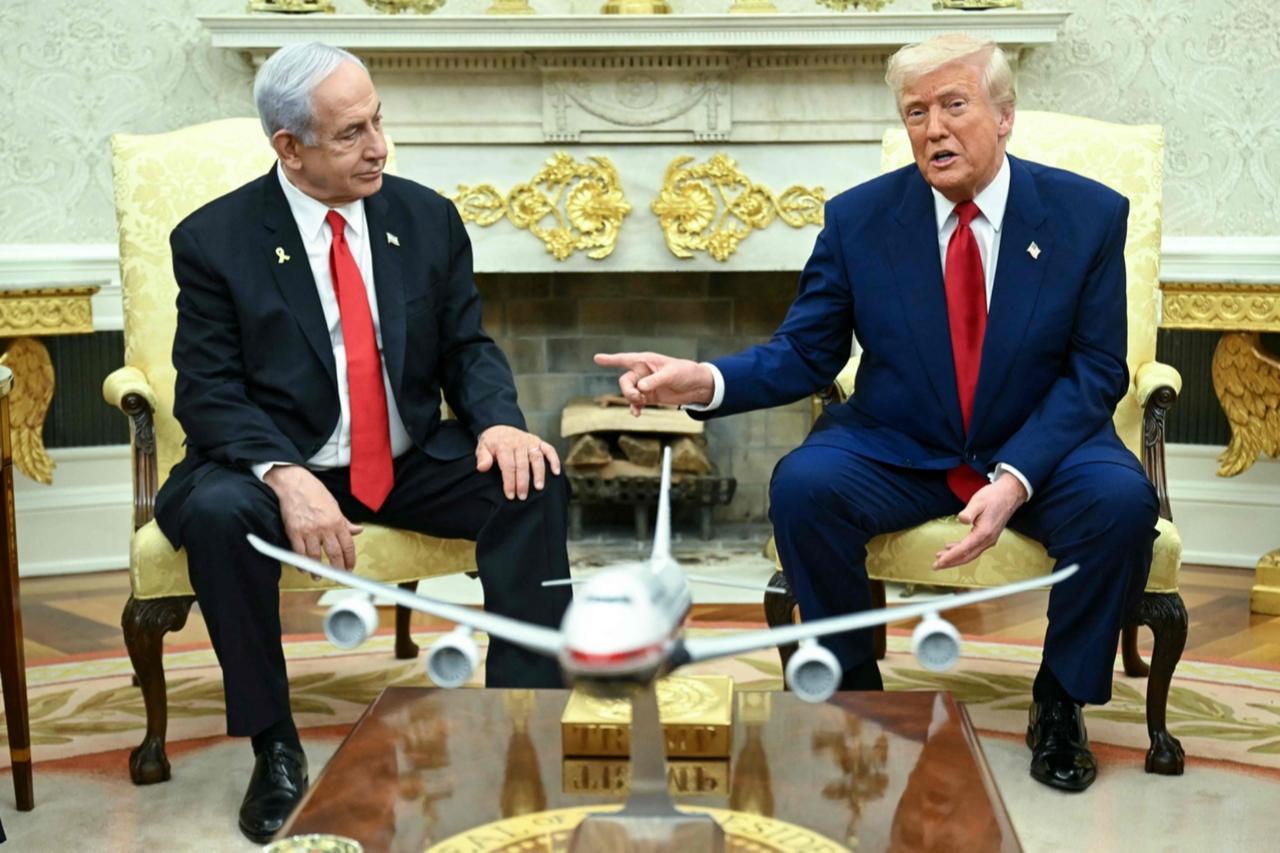
According to Trump, Iranian concerns over Israel’s military actions in Lebanon briefly complicated the discussions. "So, I spoke with Hezbollah, and I said no shooting, and I talked to Bibi [Israeli Prime Minister Benjamin Netanyahu], and said, no shooting, and they both stopped shooting each other," he said.
Trump argued that a diplomatic breakthrough with Tehran could prove more significant than a military success. "It’s not a simple thing," he noted, while asserting that the negotiations are challenging for both sides because of longstanding hostility. "But we're getting what we need to get."
Asked when a memorandum of understanding on reopening the Strait of Hormuz could be finalized, Trump pointed to a short timeline. "I think you're talking about over the next week," he said, while stressing that several outstanding issues still need to be resolved before any agreement is signed.
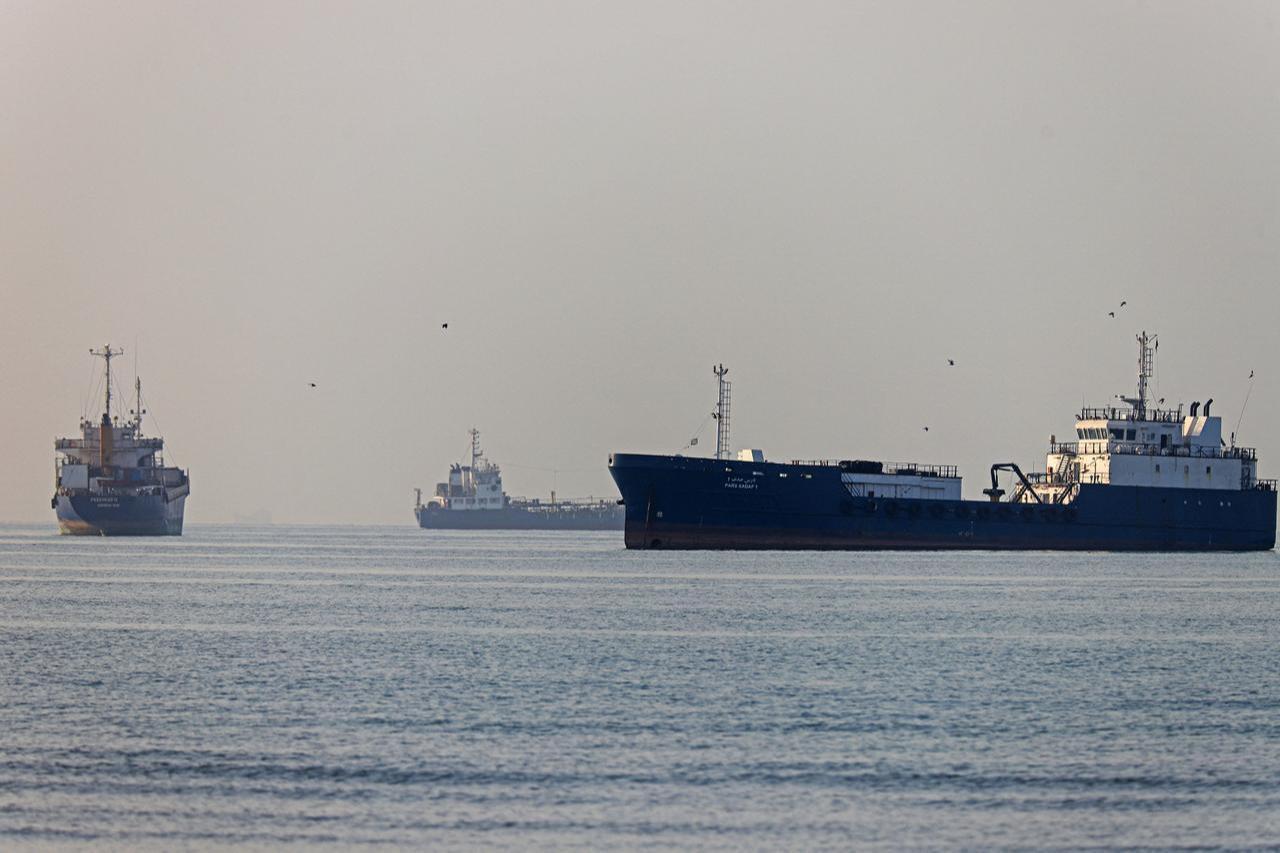

Israel has continued military operations in Lebanon despite a ceasefire that took effect on April 17 and was later extended by 45 days following indirect U.S.-mediated talks.
The fighting has increasingly complicated Washington's parallel negotiations with Tehran. Trump claimed Monday that Iranian concerns over Israeli attacks in Lebanon briefly disrupted the talks, prompting him to intervene directly.
"I had a very productive call with Prime Minister Bibi Netanyahu, of Israel, and there will be no troops going to Beirut, and any troops that are on their way, have already been turned back," Trump wrote on Truth Social, adding that both sides agreed to stop attacking each other.
Despite Trump's push for de-escalation, Netanyahu has signaled that Israel intends to press ahead with its campaign in Lebanon. After Israeli forces captured the strategic Beaufort Castle, the Israeli prime minister described the development as "a dramatic stage and a dramatic shift" in Israel's policy toward Hezbollah.
"We have broken the barrier of fear. We are taking the initiative," Netanyahu said, adding that Israeli forces are operating "on all fronts—in Syria, Gaza, and Lebanon." He also announced plans to "deepen and expand" Israel's hold in areas previously controlled by Hezbollah.
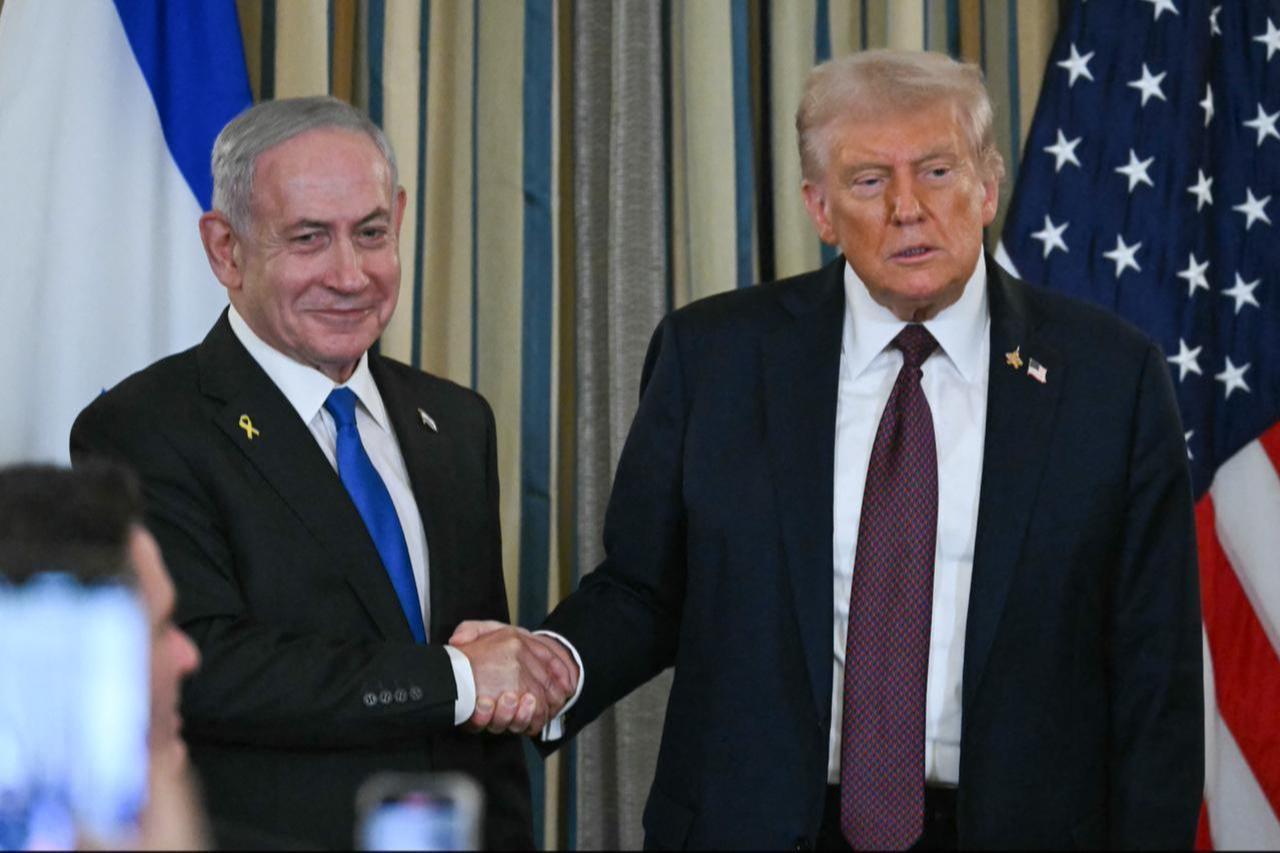
Iran's Parliament Speaker Mohammad Bagher Ghalibaf, meanwhile, warned that continued Israeli attacks could jeopardize ongoing diplomacy between Tehran and Washington. Speaking with Lebanese Parliament Speaker Nabih Berri, Ghalibaf said Iran had spent the previous two days pursuing efforts to halt Israeli operations in Lebanon.
If the attacks continue, Tehran would not only suspend negotiations with the U.S. but also "stand against" Israel, he warned, according to Iran's Fars News Agency. Ghalibaf added that any future agreement between Tehran and Washington would require an end to attacks across all fronts, particularly in Lebanon.
"Any agreement between Iran and the United States must be accompanied by a halt to aggression on all fronts, especially in Lebanon," Ghalibaf said. He also stressed that Iran remains committed to securing a ceasefire throughout Lebanon, particularly in the country's south.
Describing ties between Iran and Lebanon as "inseparable," Ghalibaf praised Hezbollah and the Amal Movement for what he called their role in defending Lebanon and the wider Muslim community.
According to Lebanon’s Health Ministry, more than 3,400 people have been killed in attacks since March 2.


 Set as preferred source
 Set as preferred source


 1 min read
 1 min read