Newsletters


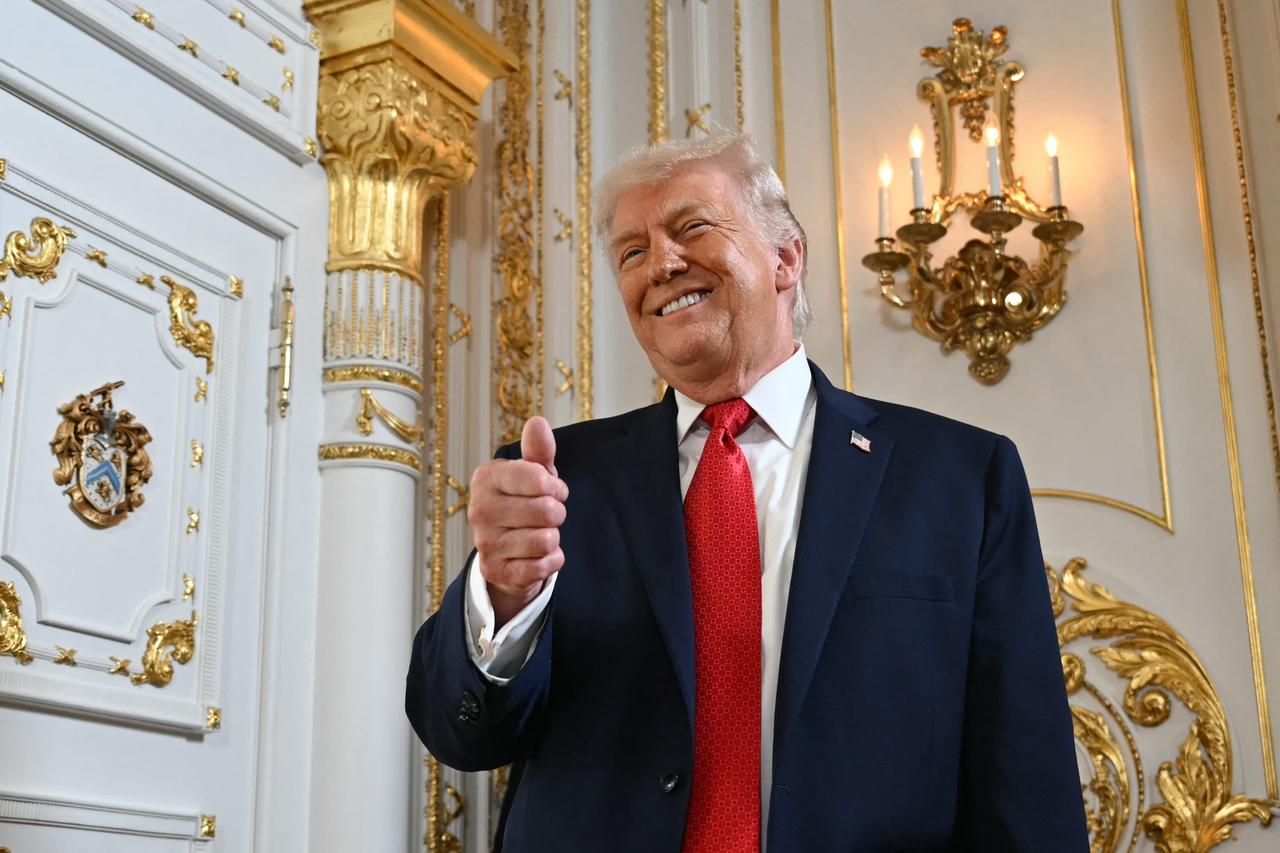


United States President Donald Trump is asking countries seeking a permanent seat on his proposed 'Board of Peace' to contribute at least $1 billion, according to a Bloomberg report published Saturday.
Citing a draft charter seen by Bloomberg, the report said Trump would serve as the board’s inaugural chairman and personally decide which countries are invited to join. While decisions would formally be taken by majority vote, with each member state holding one vote, all outcomes would remain subject to the chairman’s approval.
Under the draft, member states would normally serve terms of no more than three years, renewable at the chairman’s discretion. That limit would not apply, however, to countries contributing more than $1 billion in cash within the first year after the charter enters into force.
“The three-year membership term shall not apply to Member States that contribute more than $1 billion in cash funds to the Board of Peace within the first year of the Charter’s entry into force,” the draft says.
The organization would become official once three countries agree to the charter.

Critics have voiced concern that the initiative amounts to an attempt to create an alternative to the United Nations, an institution Trump has long criticized as ineffective and politicized.
The charter describes the Board of Peace as “an international organization that seeks to promote stability, restore dependable and lawful governance, and secure enduring peace in areas affected or threatened by conflict.”
The document also grants Trump authority to approve the organization’s official seal.
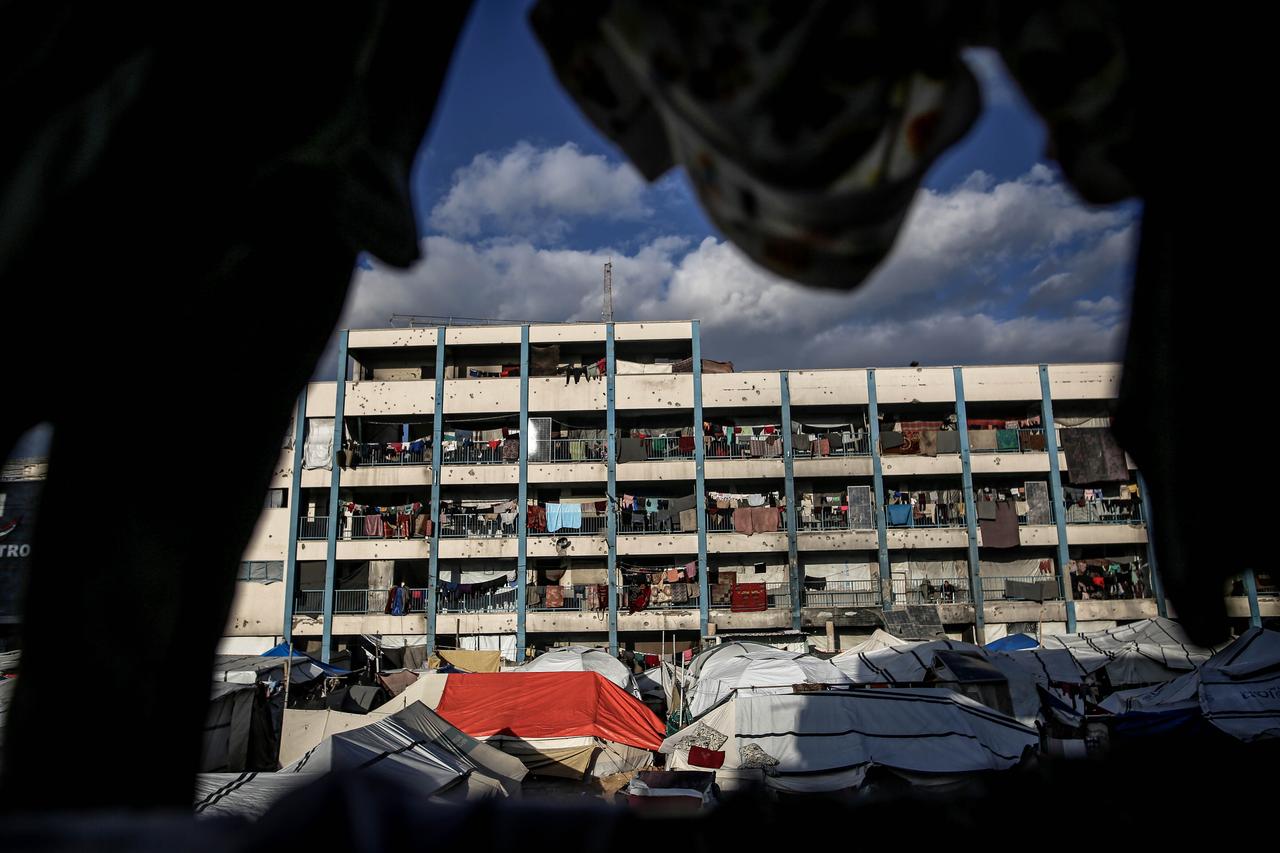
Trump has invited several world leaders, including Turkish President Recep Tayyip Erdogan, to participate in a Board of Peace for Gaza, which would operate under the broader framework of the new organization.
The White House on Friday announced the members of Gaza’s Board of Peace and the head of the National Committee for the Administration of Gaza (NCAG) as part of Trump’s 20-point plan to end Israel’s war on the territory.
The NCAG will be led by Ali Sha'ath, a former deputy minister in the Palestinian Authority, according to a White House statement. The administration described Sha’ath as a technocratic figure tasked with restoring public services, rebuilding civil institutions, and stabilizing daily life in Gaza during the transition period.
An executive board has also been established to guide governance and service delivery. Its members include Turkish Foreign Minister Hakan Fidan, Trump’s special envoy Steve Witkoff, Trump’s son-in-law Jared Kushner, former British Prime Minister Tony Blair, UAE Minister of State Reem Al-Hashimy, Qatari diplomat Ali Al-Thawadi, Egypt’s intelligence chief Hassan Rashad, former U.N. envoy Nickolay Mladenov, Cypriot-Israeli businessman Yakir Gabay and Dutch politician Sigrid Kaag.
A separate Gaza Executive Board, chaired by Trump, includes Secretary of State Marco Rubio, Witkoff, Kushner, Blair, billionaire Marc Rowan, World Bank Group President Ajay Banga and U.S. political adviser Robert Gabriel.
Mladenov will serve as a high representative for Gaza, coordinating between the Board of Peace and the NCAG, while Jasper Jeffers will command the International Stabilization Force.
The U.S. also appointed Aryeh Lightstone and Josh Gruenbaum as senior advisers to oversee day-to-day strategy and operations.
The announcement follows Witkoff’s statement on Wednesday that the second phase of the Gaza ceasefire plan had begun, shifting focus toward demilitarization, technocratic governance and reconstruction.
The ceasefire, which took effect in October, halted the war, allowed a partial Israeli withdrawal, enabled the exchange of Israeli captives for Palestinian prisoners and permitted limited humanitarian aid.
The second phase calls for a full Israeli withdrawal, the disarmament of Hamas, deployment of the international force and temporary governance by the NCAG.
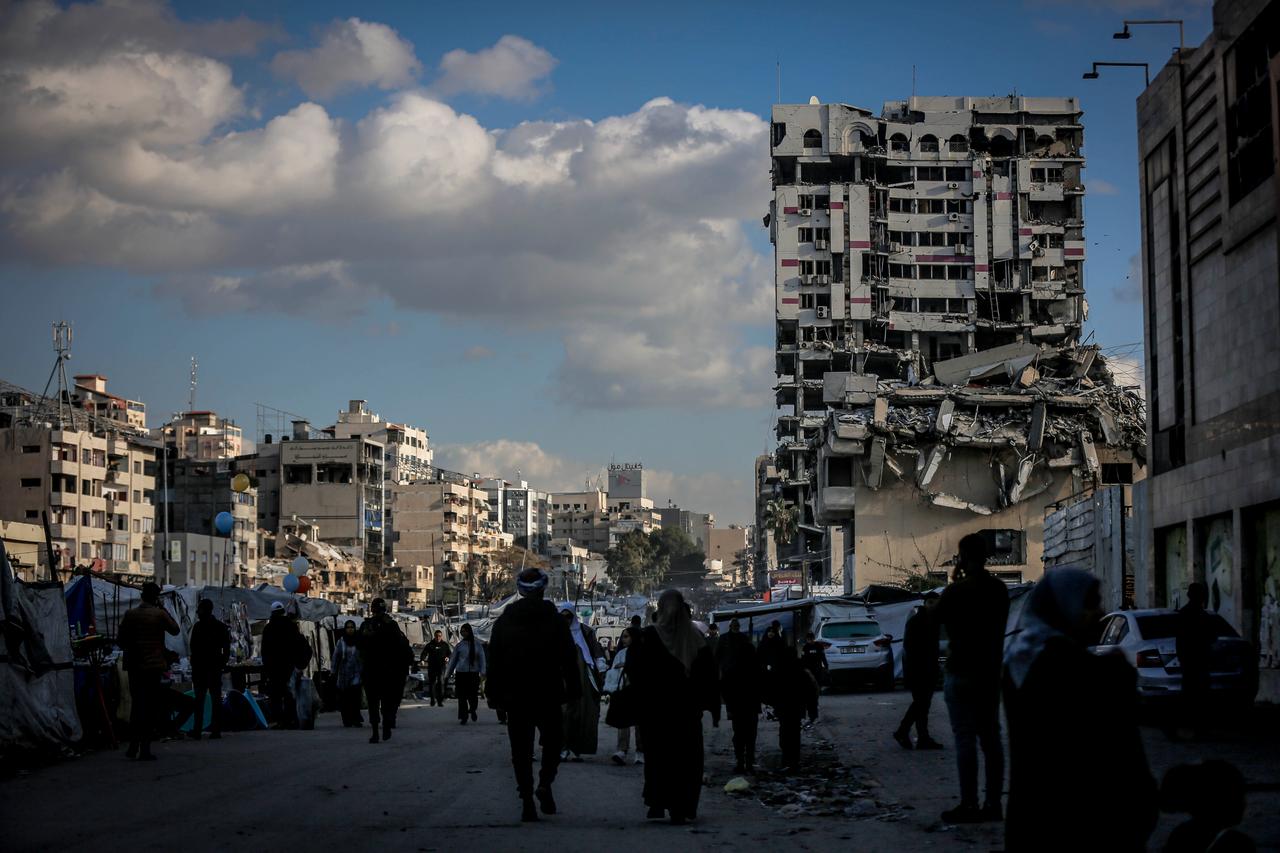
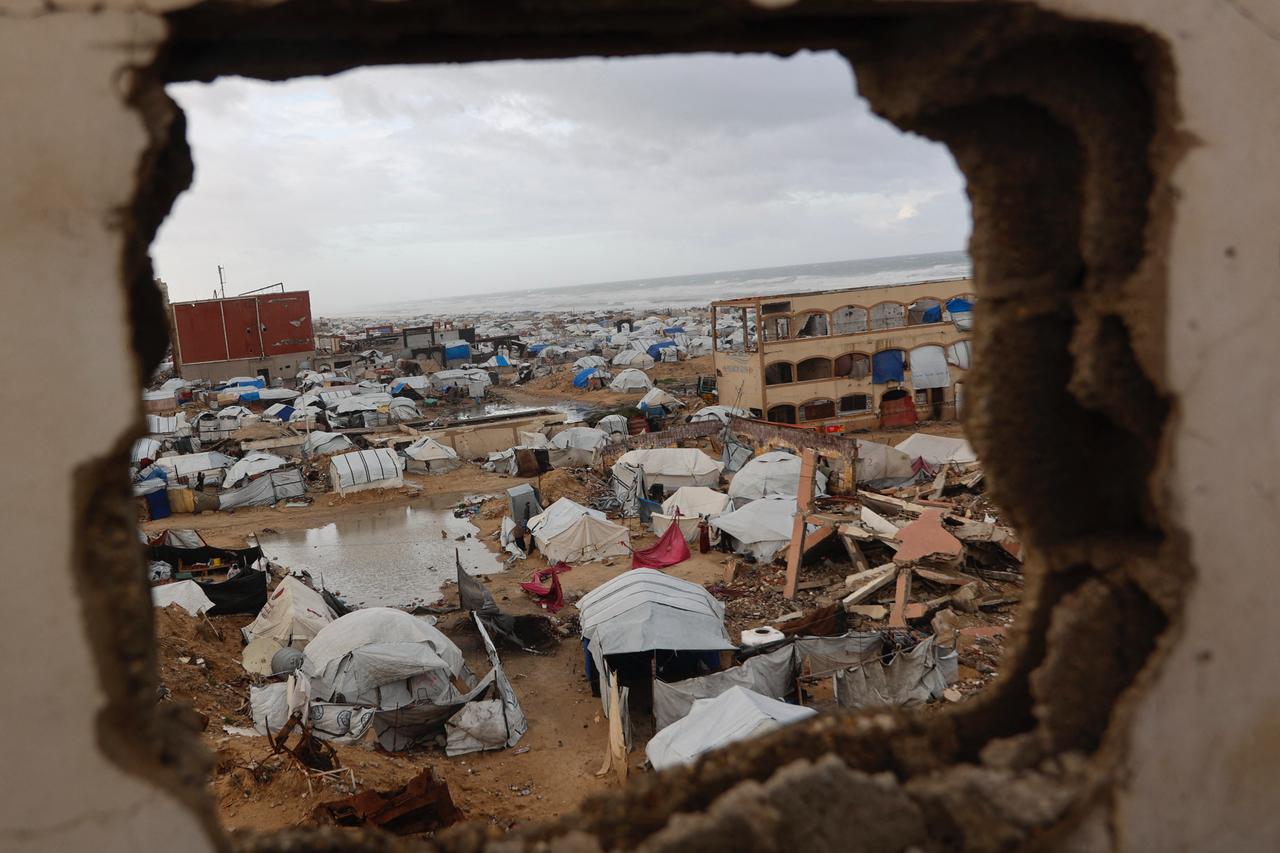
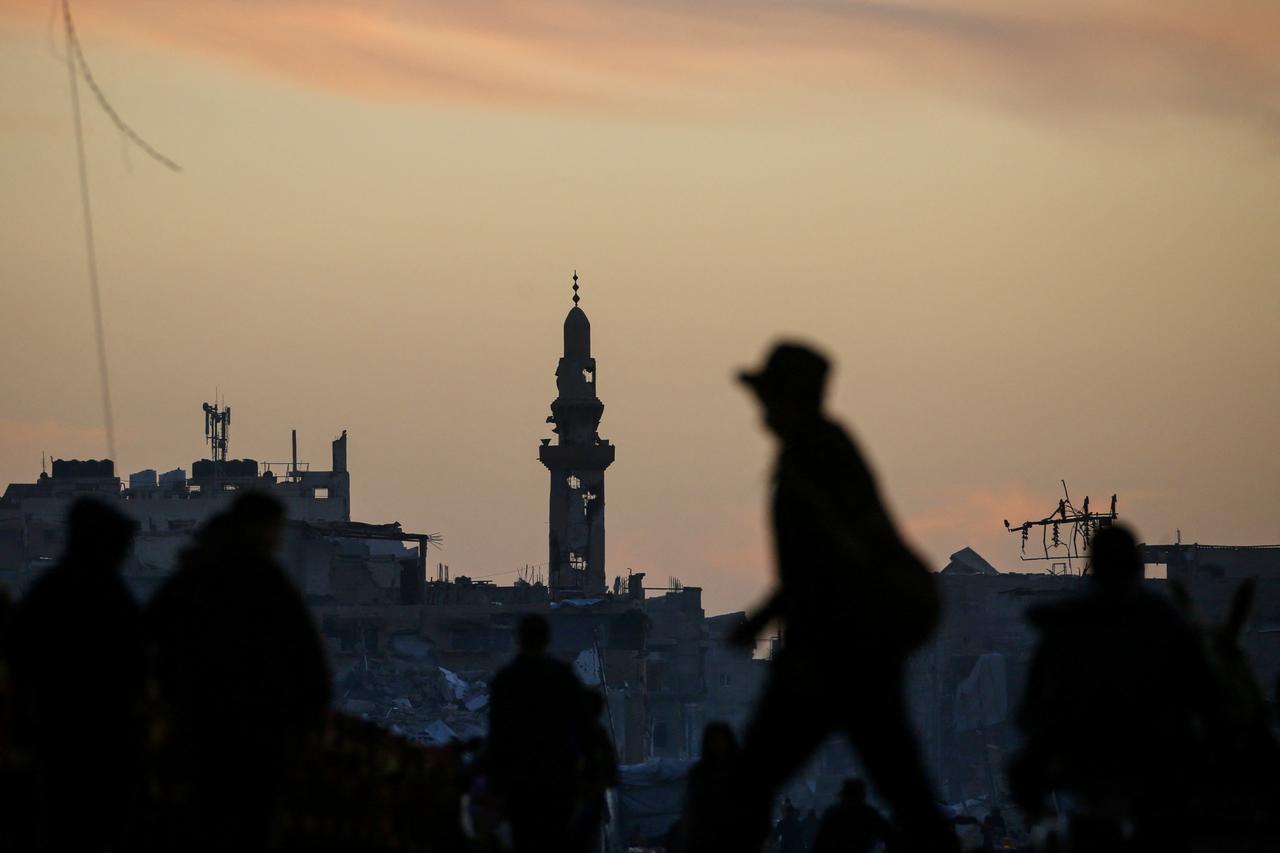
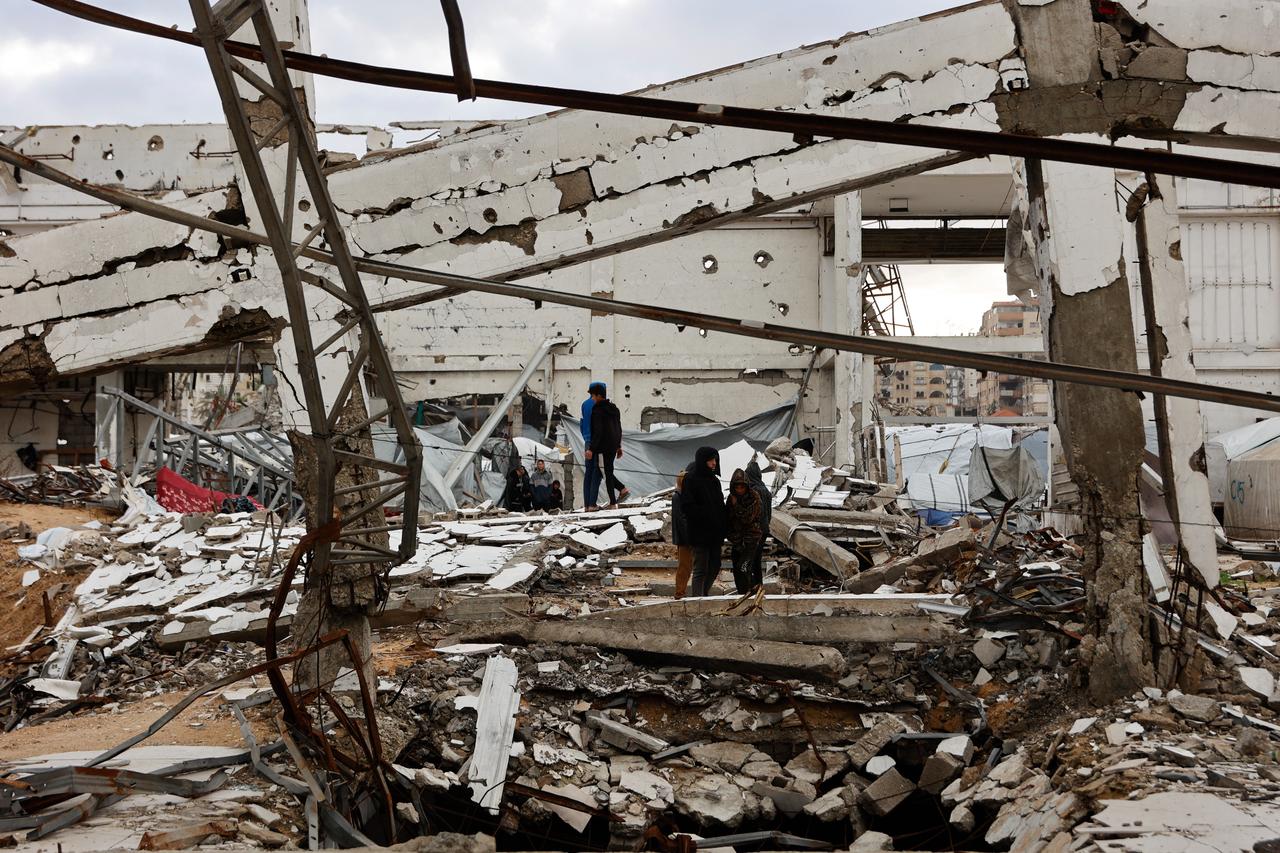
Palestinian officials say Israel has repeatedly violated the ceasefire. Gaza health authorities report that more than 71,000 people, mostly women and children, were killed during the war, with over 171,000 injured. Since the truce began, nearly 450 Palestinians have been killed and more than 1,200 wounded, according to the Gaza Health Ministry.


 Set as preferred source
 Set as preferred source


 1 min read
 1 min read