Newsletters


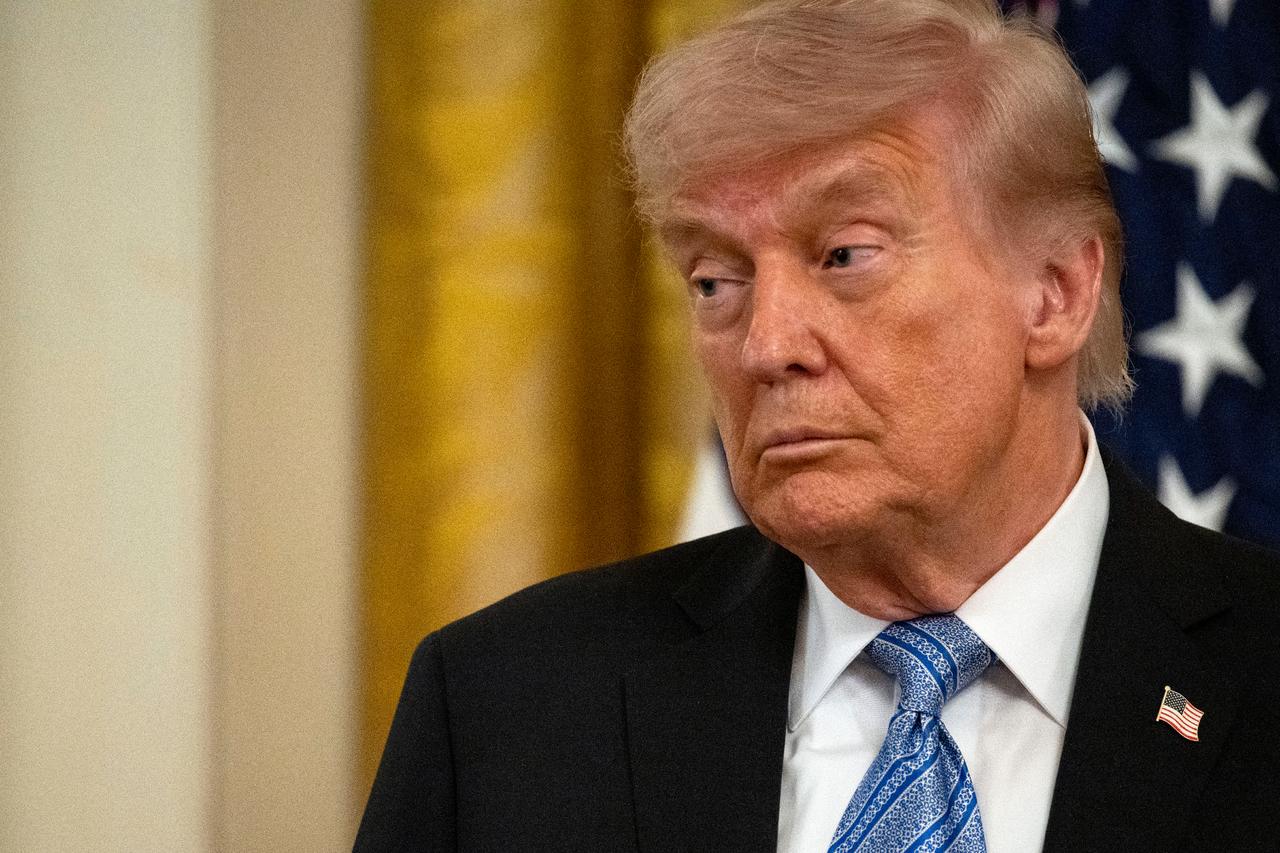


U.S. President Donald Trump warned Wednesday that Iran could face renewed strikes “at a much higher level and intensity” if it refuses to accept the terms of a proposed agreement aimed at ending the war.
In a post on Truth Social, Trump stated that the conflict could come to an end if Tehran agrees to the conditions currently under negotiation between the two sides. He added that the Strait of Hormuz would reopen to all shipping, including Iranian vessels, if an agreement is finalized.
"Assuming Iran agrees to give what has been agreed to, which is, perhaps, a big assumption, the already legendary Epic Fury will be at an end," Trump wrote.
Following the post, Trump told the New York Post that direct face-to-face peace talks between Washington and Tehran were still "too soon," despite reports that both sides were nearing a framework agreement.
Asked whether another round of negotiations in Islamabad was likely, Trump responded that he did not think so, adding that such a trip would be "too much" and "too far."
Earlier the same day, Trump announced a temporary halt to "Project Freedom," a U.S. military operation intended to secure commercial shipping through the Strait of Hormuz. He linked the decision to ongoing diplomatic progress with Tehran.
According to Axios, Washington believes it is close to reaching a framework agreement with Iran that could stop the conflict and launch broader negotiations on Tehran’s nuclear program, sanctions relief and maritime security.
The report stated that Trump envoys Steve Witkoff and Jared Kushner have been working with Iranian officials, both directly and through mediators, on a one-page, 14-point memorandum of understanding. U.S. officials reportedly expect Iran’s response on the remaining issues within 48 hours.
Under the current draft, the memorandum would formally end the war and begin a 30-day negotiation process covering the Strait of Hormuz, Iran’s nuclear activities and sanctions relief. Talks are expected to take place in Islamabad or Geneva, the report suggested.
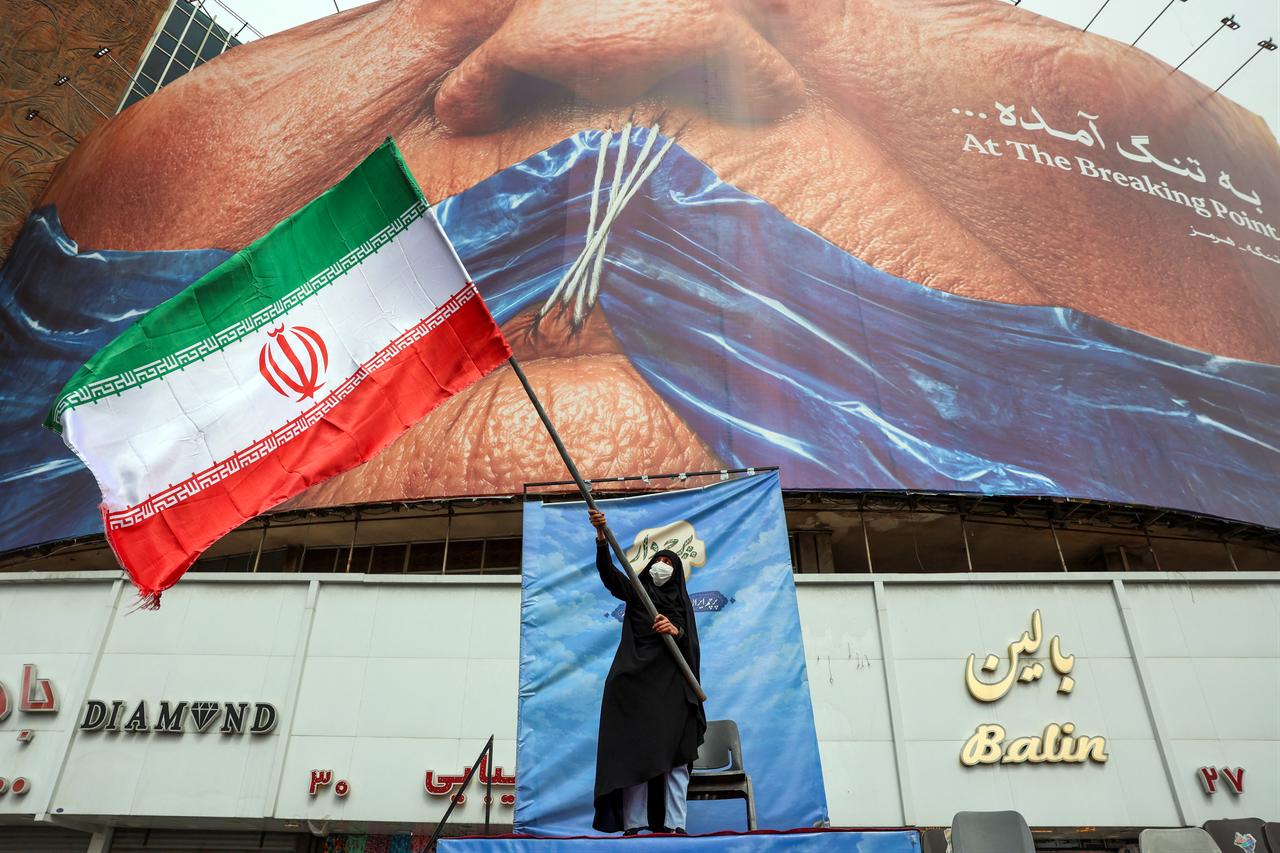

Pakistani Prime Minister Shehbaz Sharif welcomed Trump’s announcement and expressed hope that the current momentum would lead to a lasting agreement.
Pakistan hosted initial indirect discussions between the sides in Islamabad last month, though the talks failed to produce a breakthrough.
Meanwhile, Iranian Foreign Minister Abbas Araghchi met Chinese Foreign Minister Wang Yi in Beijing on Wednesday during his first visit to China since the war began.
Araghchi stated that the meeting focused on ongoing negotiations aimed at ending the conflict. Following the talks, China called for an end to hostilities and urged both sides to reopen the Strait of Hormuz as soon as possible.
Before the visit, U.S. Secretary of State Marco Rubio called on Beijing to pressure Tehran into ending the blockade, arguing that Iran was becoming increasingly isolated internationally.


 Set as preferred source
 Set as preferred source


 1 min read
 1 min read