Newsletters


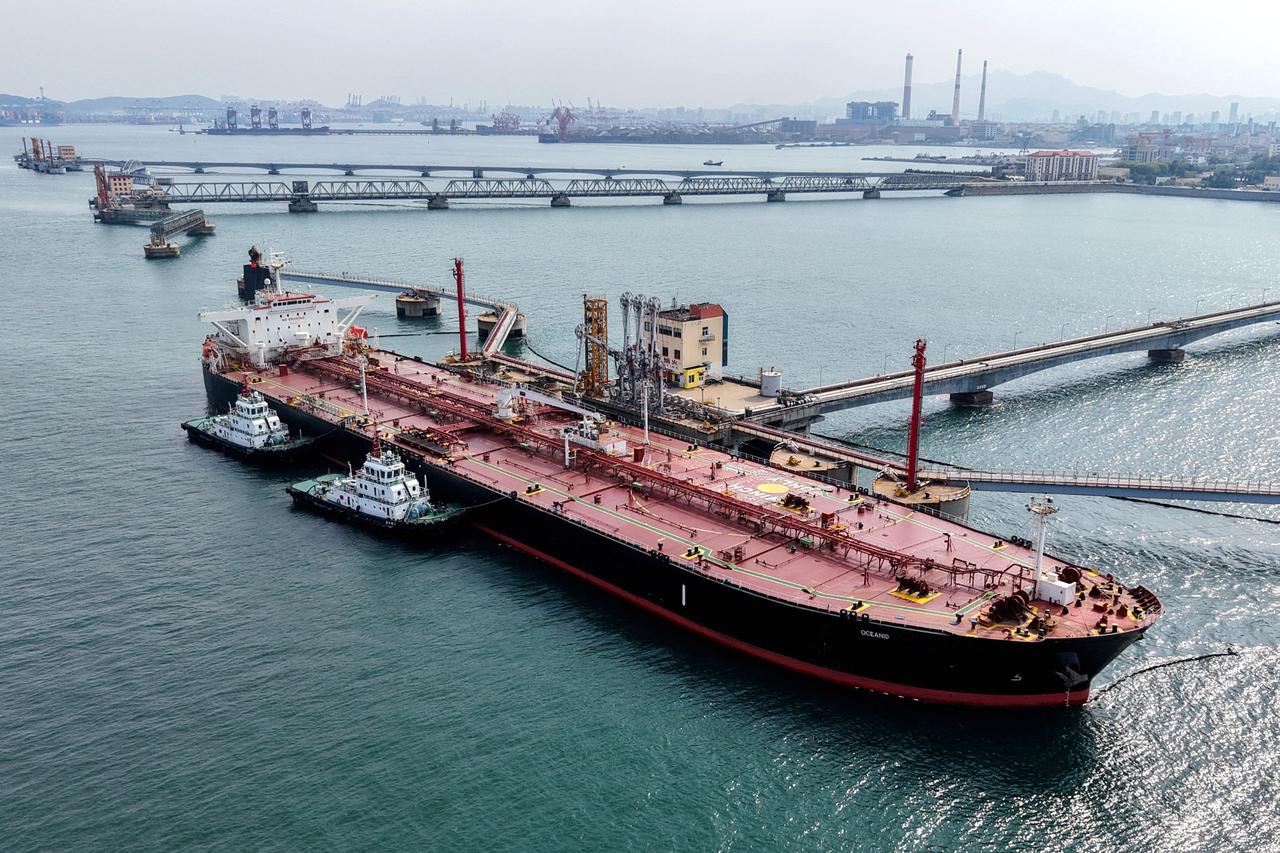


Oil and gas prices tumbled on Wednesday as hopes for a possible U.S.-Iran agreement eased concerns over disruptions in the Strait of Hormuz.
Both international oil benchmarks erased more than 10% of their value, with international benchmark Brent falling to $98.5 per barrel, while U.S. benchmark WTI dropped to $90 per barrel as of 10:55 a.m. GMT.
European gas prices at the Dutch TTF Hub also mirrored the decline, falling to €41.1 ($48.3) per megawatt hour.
The decline followed growing expectations that tensions around the Strait of Hormuz may subside, reducing fears of long-term supply disruptions through one of the world’s most critical energy routes, which carries roughly a fifth of global oil and gas flows.
U.S. President Donald Trump announced a temporary suspension of "Project Freedom," a military operation launched to secure commercial shipping in the Strait of Hormuz, pointing to progress in ongoing negotiations.
Axios reported that White House officials see a deal with Iran as close, with talks focused on a 14-point MoU aimed at ending the war and launching negotiations on the Strait of Hormuz, Tehran’s nuclear program and sanctions relief.
Trump later warned on Truth Social that Iran could face renewed strikes "at a much higher level and intensity" if it rejects a proposed deal, adding that the Strait of Hormuz would reopen to all shipping, including Iranian vessels, if an agreement is reached.


Since the war began on Feb. 28, shipping traffic in the Persian Gulf has remained largely restricted as Iran moved to tighten oversight of the strait, effectively disrupting most traffic.
Tehran also introduced a tolling system for vessels seeking safe passage through the strait, sparking backlash from the international community.
At its peak last week, Brent crude rose to $126 per barrel following reports that Washington was preparing a “final blow” strike against Iran to force Tehran to comply with its nuclear demands.
Despite retreating from peak levels, both Dutch TTF gas and Brent crude prices remain around 40% higher than pre-war levels after having doubled during the conflict.


 Set as preferred source
 Set as preferred source


 1 min read
 1 min read