Newsletters


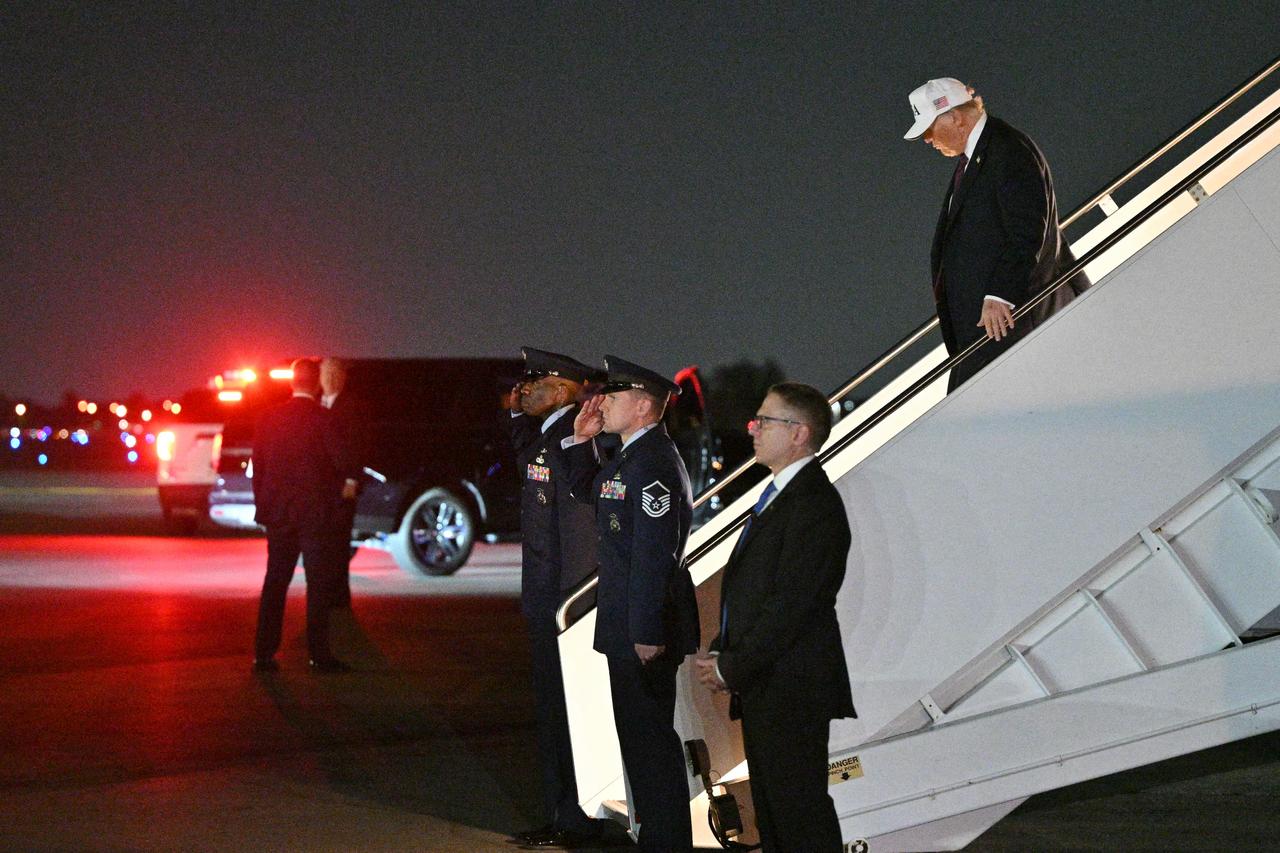


In the days before the United States launched its most ambitious military operation in more than two decades, President Donald Trump sat through a series of intelligence briefings that painted a stark picture: American service members would likely die, but the payoff could reshape the Middle East for a generation, according to a U.S. official with knowledge of the discussions speaking to Reuters.
The briefings, delivered by Trump's most senior national security advisers, framed what the Pentagon would dub "Operation Epic Fury" as a high-risk, high-reward proposition, one that acknowledged the near-certainty of U.S. casualties while arguing the strategic gains could tilt the regional balance of power decisively toward Washington.
The operation began Saturday with coordinated U.S. and Israeli strikes across Iran, immediately drawing retaliatory Iranian missile attacks against Israel and Gulf Arab states and plunging the Middle East into its most volatile moment since the 2003 invasion of Iraq.
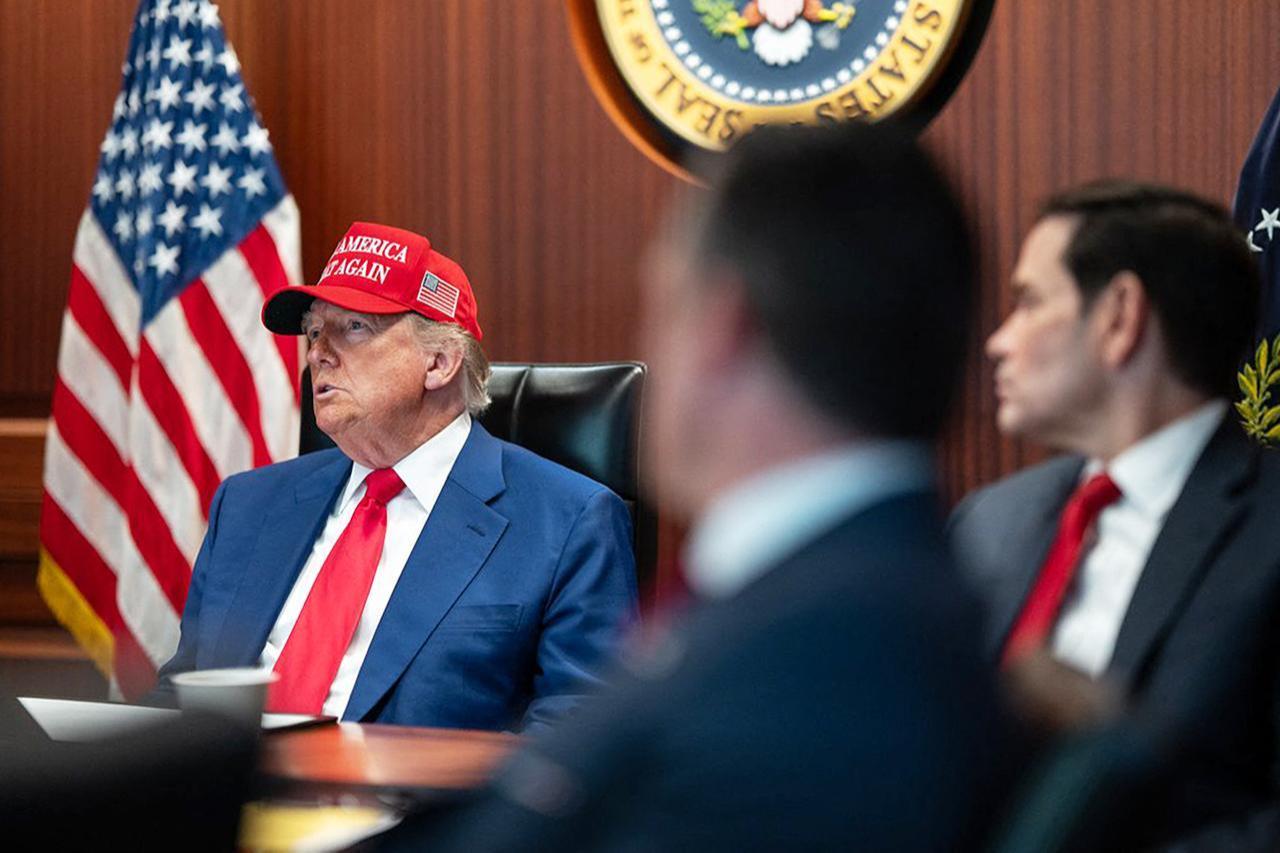

Trump received multiple briefings ahead of the strikes from a who's who of his national security apparatus: CIA Director John Ratcliffe, Joint Chiefs of Staff Chairman General Dan Caine, Secretary of State Marco Rubio and Defense Secretary Pete Hegseth, according to the official, who spoke on condition of anonymity due to the sensitivity of the internal discussions.
On Thursday, Admiral Brad Cooper, the head of U.S. Central Command overseeing American forces across the Middle East, flew to Washington to join deliberations in the White House Situation Room, a sign of the gravity attached to the final decision-making.
A second U.S. official said the White House had been warned of specific risks, including Iranian retaliatory missile strikes on multiple American bases in the region that could overwhelm existing air defenses. Briefers also flagged the likelihood that Iranian proxy forces would attack U.S. troops stationed in Iraq and Syria, the official said.
Despite weeks of military buildup that saw additional forces and equipment rushed to the region, the second official acknowledged that there were limits to what the air defense systems could absorb. Neither official indicated that the Pentagon's planning guaranteed any particular outcome.
The White House did not immediately respond to requests for comment. The Pentagon declined to comment.
 1 min read
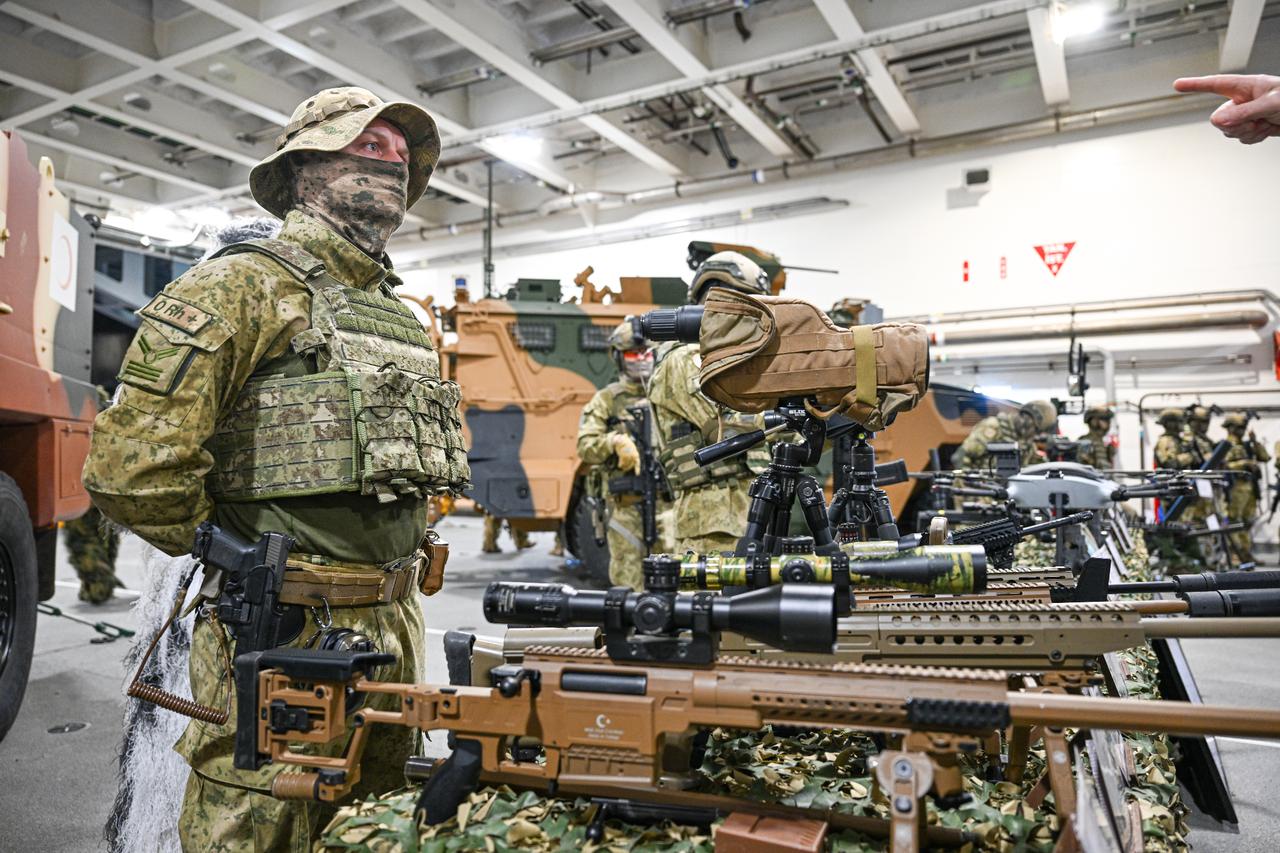
When Trump announced the start of combat operations in a video address, he appeared to echo the tone of the briefings, acknowledging the human cost while casting the campaign in historic terms. "The lives of courageous American heroes may be lost," he said. "But we're doing this not for now, we're doing this for the future, and it is a noble mission."
His stated objectives went far beyond a limited military action. Trump said the United States would destroy Iran's missile infrastructure, eliminate its naval capacity, neutralize its network of regional proxy forces and deny Tehran the ability to develop nuclear weapons, a capability Iran has long maintained it does not seek. He also called directly on Iranians to overthrow their government.
"For 47 years, the Iranian regime has chanted death to America and waged an unending campaign of bloodshed and mass murder," Trump said. "We're not gonna put up with it any longer."
In the weeks preceding the strikes, Trump had ordered a major military buildup across the Middle East. Reuters previously reported that military planners had prepared for a sustained campaign against Iran, including the targeting of individual officials. An Israeli official said strikes were directed at Supreme Leader Ayatollah Ali Khamenei and President Masoud Pezeshkian, though the results remained unclear.


 Set as preferred source
 Set as preferred source



 1 min read