Newsletters


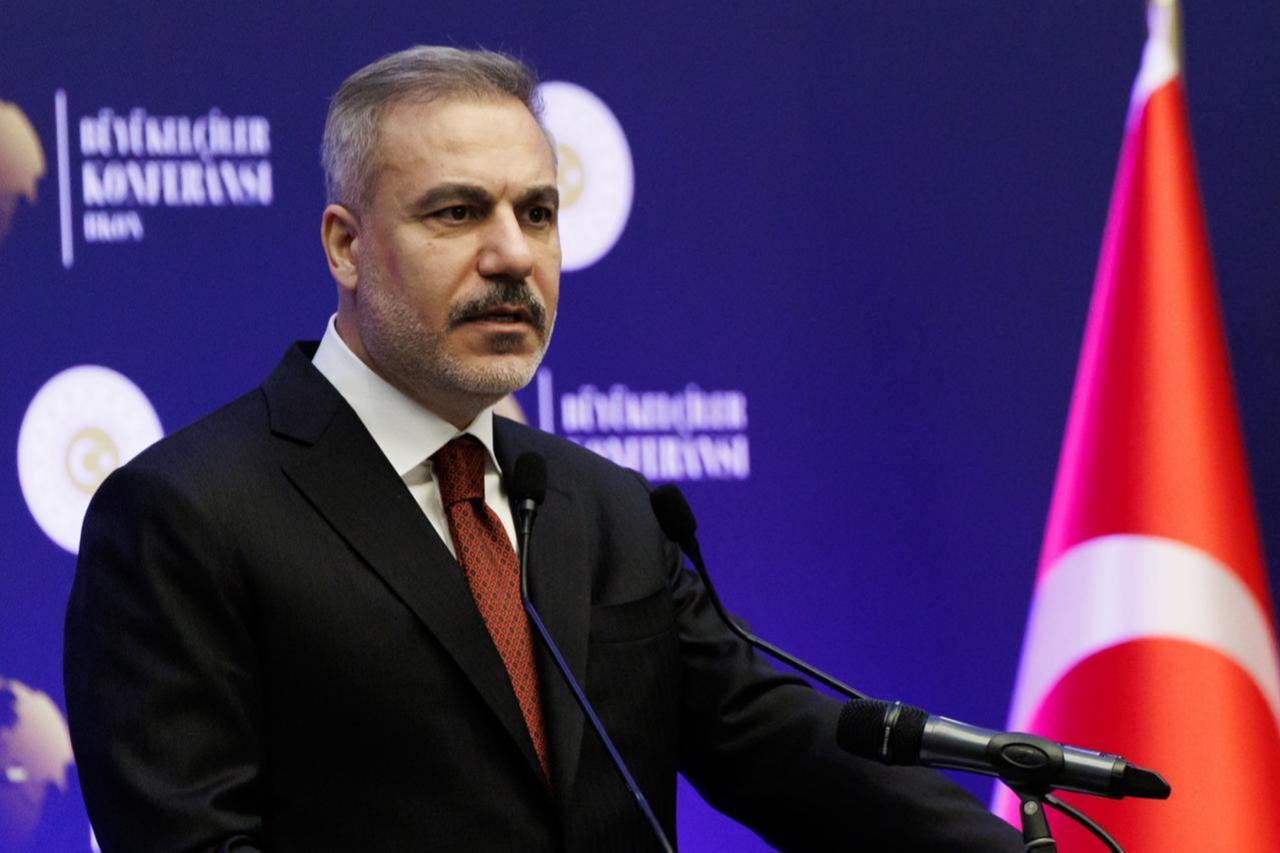


Türkiye’s Foreign Minister Hakan Fidan on Monday joined a high-level virtual meeting with officials from the United States, Egypt, and Qatar to discuss preparations for the second phase of the Gaza peace plan, Turkish diplomatic sources confirmed.
The meeting follows earlier talks held in Miami, Florida, in late December 2025 as part of discussions on implementing the next phase of the Gaza ceasefire. The ceasefire, in place since October 10, 2025, is part of a broader 20-point peace initiative introduced by U.S. President Donald Trump, which outlines measures for de-escalation, political transition, and reconstruction efforts in the Gaza Strip.
The second phase is expected to go beyond halting violence, aiming to establish longer-term arrangements for security, governance, and reconstruction in the Gaza Strip.
Among the issues under discussion are the demilitarization of Hamas, including the dismantling of offensive infrastructure, and the potential deployment of an international stabilization force to ensure security on the ground.
Talks have also focused on setting up an interim technocratic administration to oversee civil governance in Gaza, with coordination from an international "Board of Peace" comprising officials from countries involved in the negotiations. The proposed administrative framework is intended to ensure continuity of essential services and prepare the ground for longer-term political solutions.
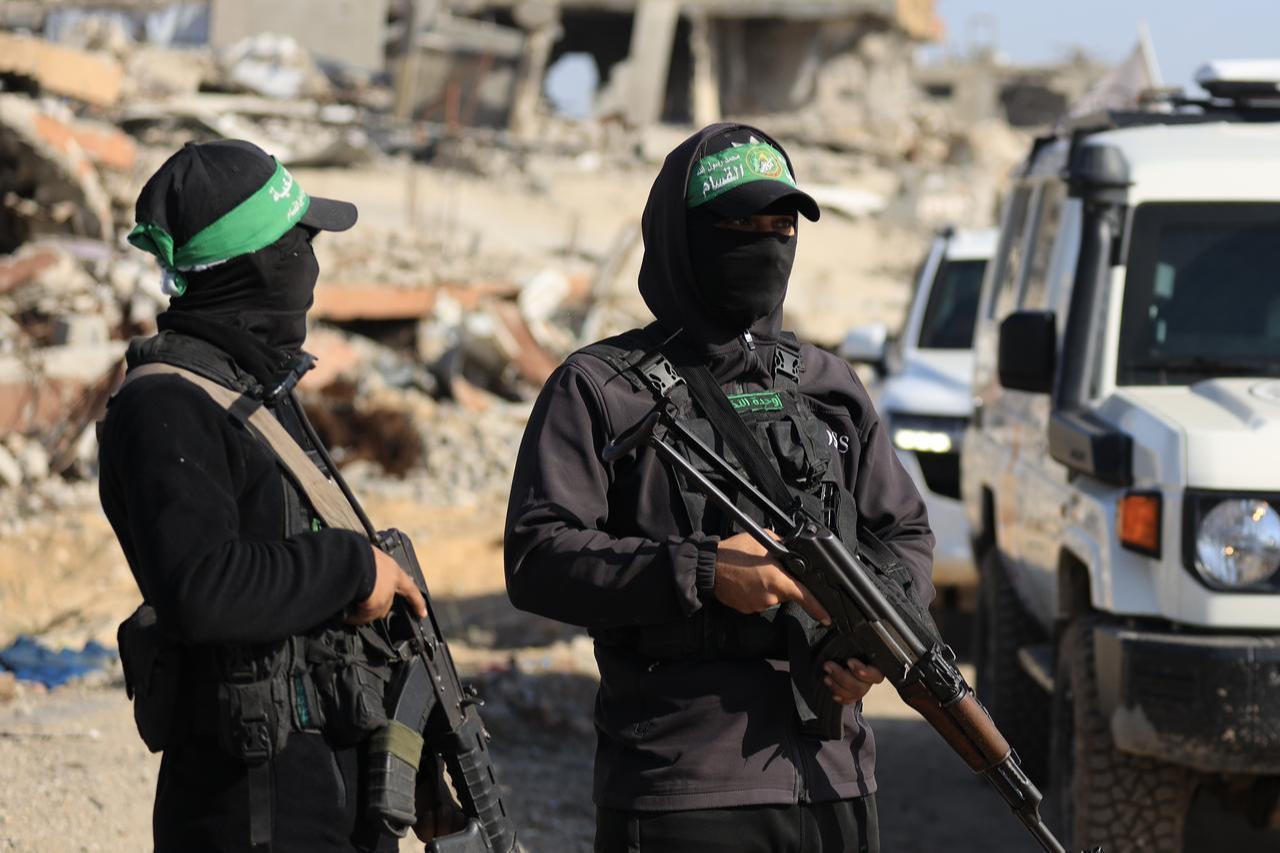

Meanwhile, Hamas is preparing to hold internal elections in the first months of 2026 to renew its leadership, following the wartime deaths of several senior figures. The vote will reshape the 50-member Shura Council, which elects the group’s 18-member Political Bureau, including its overall leader. Members from Gaza, the West Bank, external branches, and prisoners in Israeli jails are eligible to participate.
Since the assassinations of former leaders Ismail Haniyeh and Yahya Sinwar in 2024, Hamas has operated under an interim five-member committee based in Qatar. The upcoming vote is expected to determine a new chief, with two frontrunners emerging: Khalil al-Hayya, a senior negotiator with strong internal support, and Khaled Meshaal, a former bureau chief now heading the group’s diaspora office.
Other potential candidates include West Bank leader Zaher Jabarin and Shura Council head Nizar Awadallah.


 Set as preferred source
 Set as preferred source


 1 min read
 1 min read