Newsletters


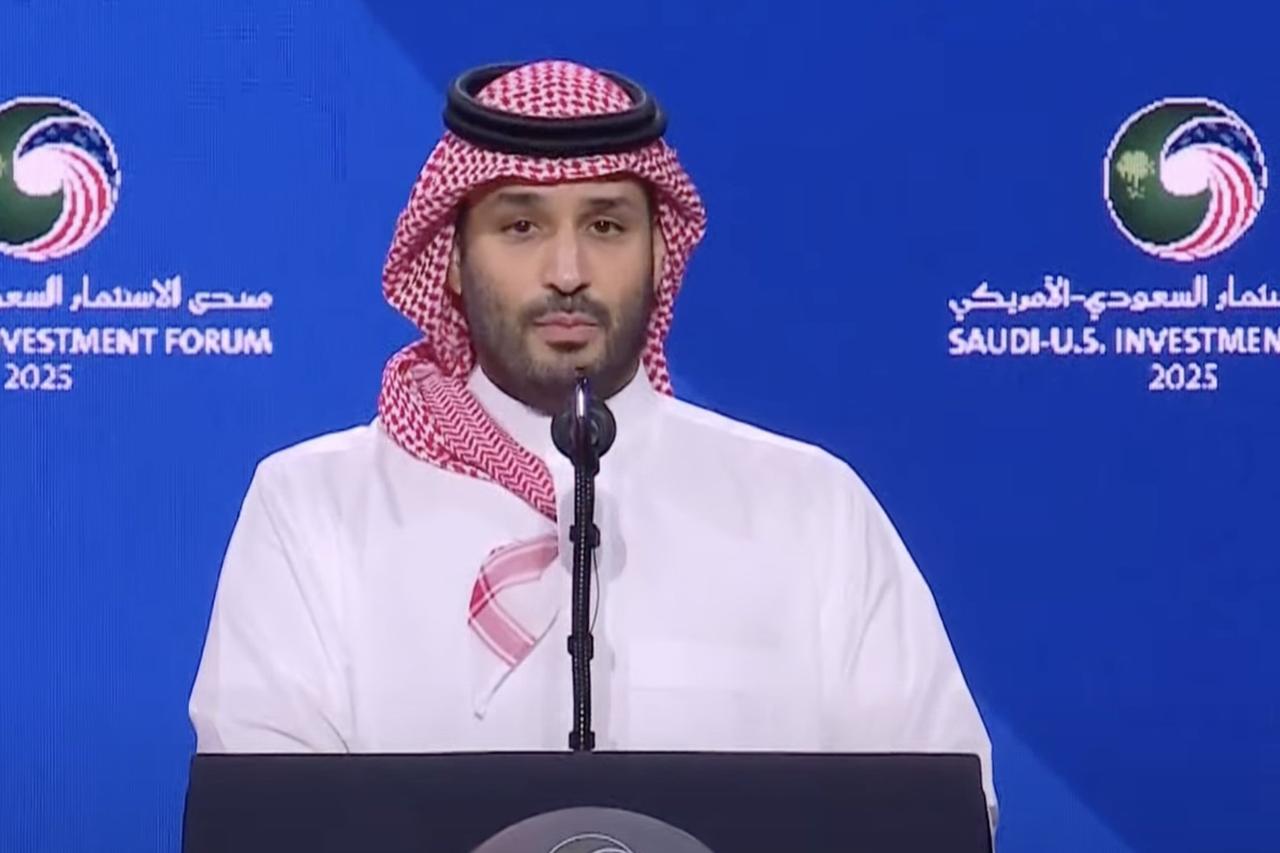


A video clip attributed to Saudi Crown Prince Mohammed bin Salman has circulated online, showing him speaking about what was described as an "updated version of Islam" that would allow the celebration of Christmas, with several Turkish news platforms sharing it without verifying its authenticity.
According to the fake video, bin Salman suggests that this "updated version of Islam" would allow the celebration of Christmas as well as Christian and Jewish holidays, indicating that there are "ready-made fatwas" permitting it.
In the circulating video, bin Salman is heard saying: "We used to ban celebrating Christmas and other religious holidays, but we now have an updated version of Islam, produced by our sheikhs on my recommendations. We can celebrate Christian occasions, and we have ready-made fatwas."


The clip sparked widespread engagement and notable controversy on the X platform and was shared by several Turkish news platforms without verifying its authenticity.
In an opinion article published on the Turkish website T24 on Thursday, writer Ertugrul Ozkok presented what he described as the "full text" of remarks attributed to the Saudi crown prince, relaying them in a matter-of-fact tone that suggested they had indeed been made before building comparisons and conclusions on that basis.
The article includes quotes attributed to the crown prince, including: "We used to ban celebrating Christmas ... and now we have a new, updated version of Islam ... we can celebrate Christian and Jewish holidays ... we have ready-made fatwas that allow celebrating and entertainment."
Regardless of the article's framing or angle, the problem begins when widely circulated material without a verified source becomes the foundation for published analysis that a broad audience reads as fact-based.

Although one account that posted the clip indicated it had been altered using artificial intelligence, writing, "AI imagines bin Salman’s view on celebrating Christmas," this was not clear to many users who interacted with the video as if it were authentic.
Akhbar Meter’s team verified the original footage and found it was taken from a speech delivered by Crown Prince Mohammed bin Salman at the Saudi-U.S. Investment Forum. His remarks were purely economic, with no reference to religious matters, celebrating Christmas, or issuing fatwas.
The team also used specialized tools to detect audio manipulation, including UndetectableTM AI and TruthScan. The analysis results indicated that the added audio had been altered using artificial intelligence, with manipulation detected at a rate of 99%.
Ozkok criticized the circulating clip, describing it as a "fatwa" coming from the "lands of the Kaaba," then went on to analyze the text attributed to the Saudi crown prince, citing it as material fit for inference.
This raises questions about verification standards when dealing with highly sensitive content sourced from social media, and about the line between opinion and analysis on one hand and treating a "quote" as an established, published fact on the other.
According to the article, Ozkok did not treat the clip as a claim requiring scrutiny or comparison with the original source but as a statement in its own right. He presented what he called the "full text" of the alleged remarks, then built an interpretation, reading and comparisons around it.
This shift from handling widely shared content as a "possibility" to presenting it as a "fact" is what makes the difference between resharing a controversial social media post and publishing a journalistic piece that may, unintentionally, help cement misinformation in the public mind.
Saudi Arabia does not recognize the public practice of non-Islamic religious rites, according to rights reports that have reviewed the kingdom's legal framework on religious freedoms.
In practice, Saudi Arabia has seen in recent years a degree of social and commercial easing around the holiday season. The report notes that some shops have begun selling Christmas-related decorations, and that some supermarkets in Riyadh stock seasonal products such as Advent calendars.


 Set as preferred source
 Set as preferred source


 1 min read

 1 min read