Newsletters


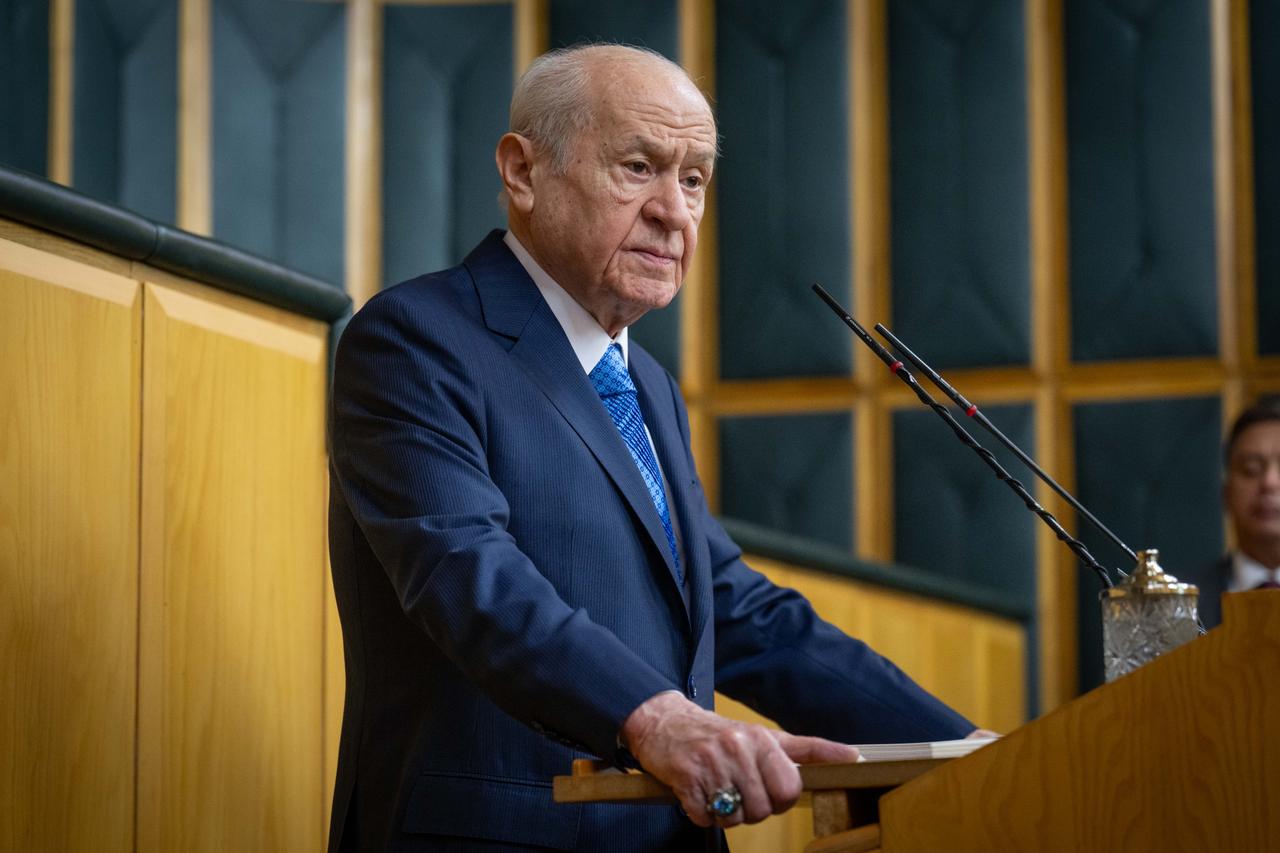


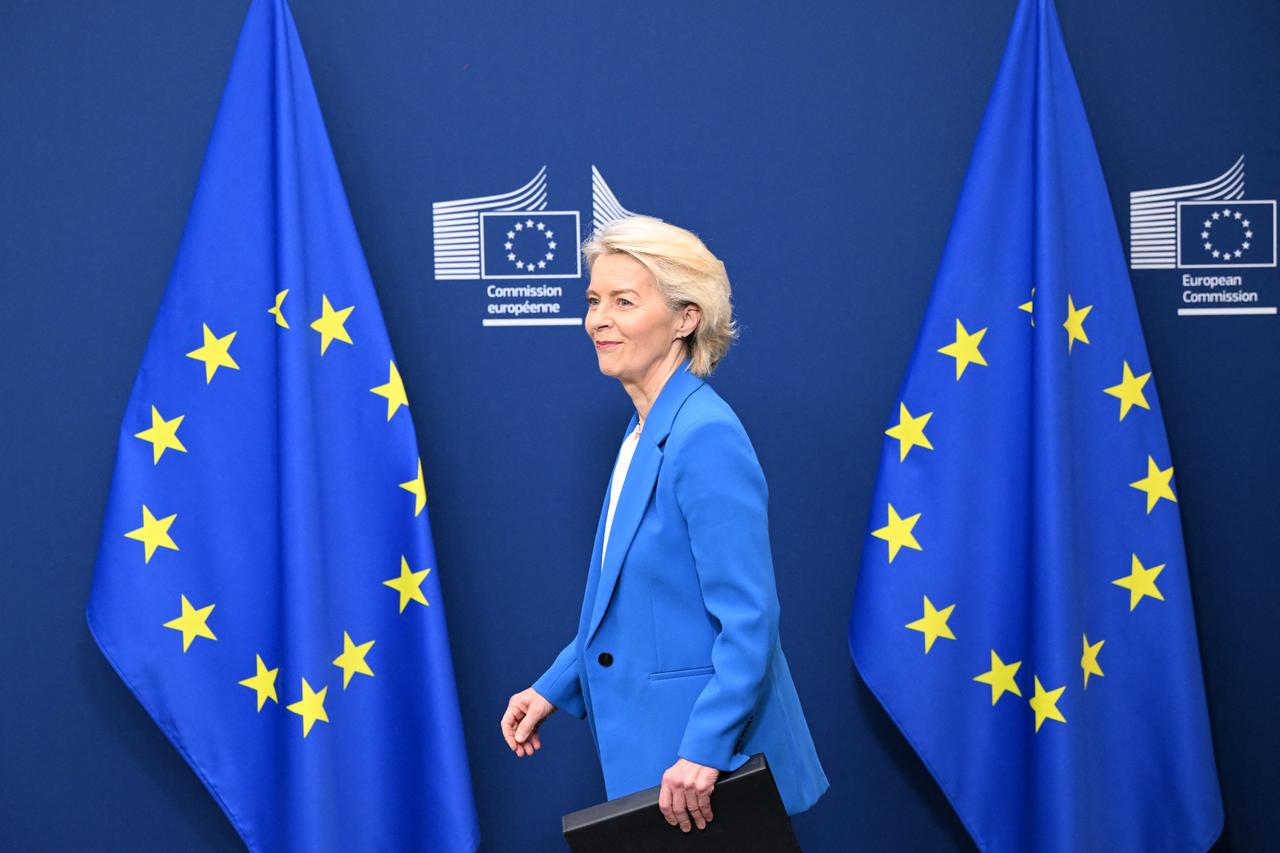
Nationalist Movement Party (MHP) Chairman Devlet Bahceli on Tuesday criticized European Commission President Ursula von der Leyen’s remarks on Türkiye, saying they reflected “classification, arrogance, and double standards” rather than a simple slip of the tongue.
Speaking at his party’s parliamentary group meeting, Bahceli said the world was going through a difficult test and that cracks in the pillars of the global system had become more visible.
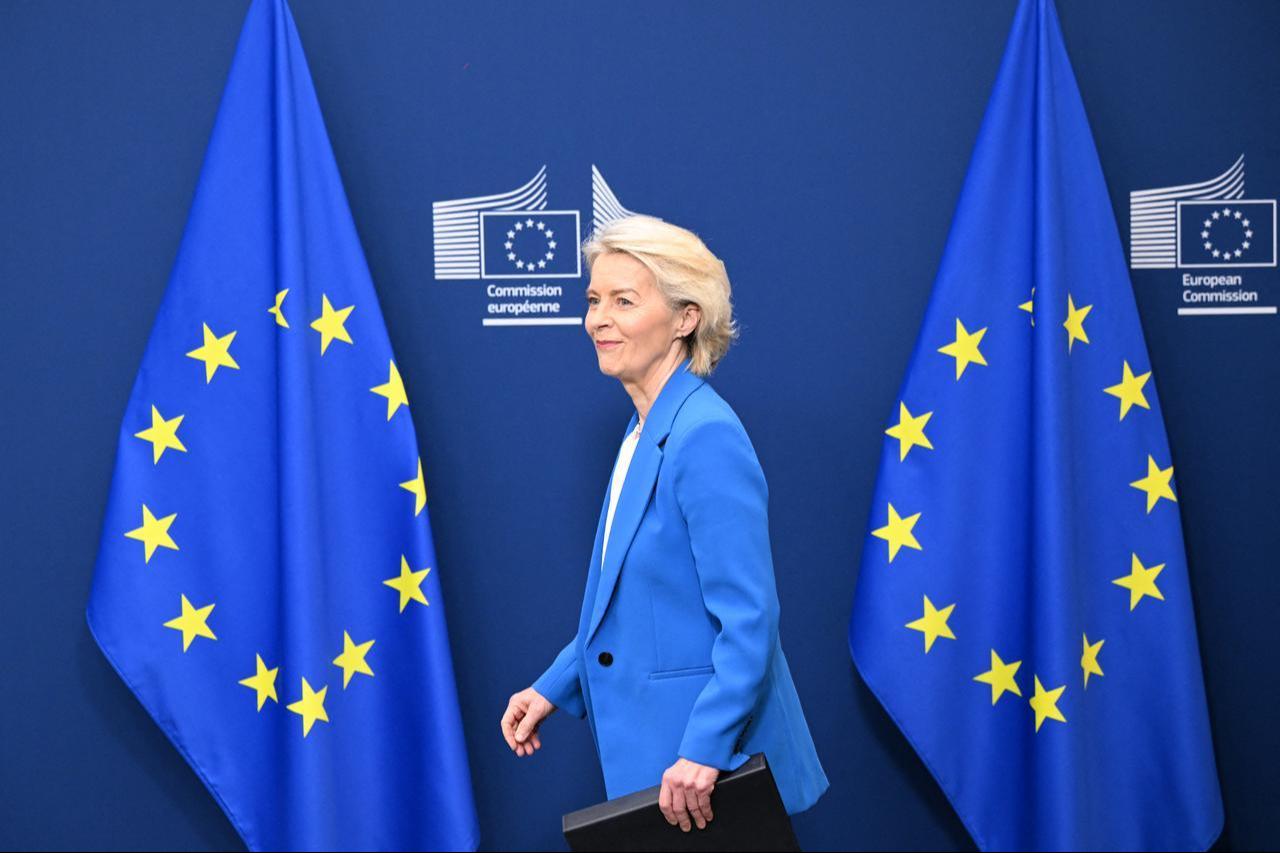
Bahceli referred to von der Leyen’s statement that Europe should complete the continent so it does not fall under “Russian, Turkish or Chinese influence.”
“This sentence cannot be dismissed as an ordinary phrase,” Bahceli said, adding that it came from the highest political office of the EU’s executive body.
“This statement from the mouth of the European Commission president cannot be seen as a slip of the tongue. It is the expression of a classification, arrogance and double standard hidden deep in the mind,” he said.
Bahceli said the language used by von der Leyen had also been described in European circles as “geopolitically problematic,” “detached from reality” and “double-standard.”
He said those same circles had been forced to recognize Türkiye as “a fundamental ally for European security, a vital artery for energy routes and resources, a key partner in migration management, and an indispensable power for regional balance.”

Bahceli said Europe has for years tried to keep Türkiye “outside” on EU membership, “inside” on security, distant in its values discourse, and close when burden-sharing is needed.
He said the EU had pointed to criteria, principles, norms and harmonization on one side while calling Türkiye back whenever it needed an energy corridor, transport gateway, digital connection ground, security partner or buffer.
“This attitude is defective in terms of political morality and inconsistent in terms of strategic reason,” Bahceli said. “This approach cannot produce a language of partnership, sincerity or trust.”
Bahceli said Türkiye stands at the center of geopolitical knots and serves as a key point and main gate.
“The issue is not where Türkiye stands, but where the European Union is drifting,” he said. “The issue is not Ankara’s direction but Brussels’ hypocritical politics.”
Addressing “all European opinion” through von der Leyen, Bahceli said Türkiye cannot be treated as an actor that comes when called and leaves when told.
“Türkiye is a friend, but its friendship is not open to insult,” he said.
“Europe cannot do without Türkiye,” Bahceli said. “It cannot do without Türkiye in security, energy, migration management, transportation or while establishing regional balance.”
Bahceli said Türkiye’s silence should not be misunderstood as passivity, and its patience should not be seen as retreat.
“Our calm cannot be read as weakness. Our patience cannot be interpreted as a sign of withdrawal,” he said.
He said Türkiye is a state that does not lose direction during turbulence, does not panic under pressure, and turns provocation into reason, tension into strategy and threats into will.
“Türkiye’s silence is not an empty silence,” Bahceli said. “It is the silence of accumulated memory, calculated timing and controlled power.”
He said Türkiye’s ties with Russia, China, the Turkic world, Islamic geography, Europe and other global centers would be shaped by national interest and state reason, not by bloc prejudice.
“Neither Brussels can show us where we came from, nor can European bureaucracy define the path Türkiye will walk,” he said.
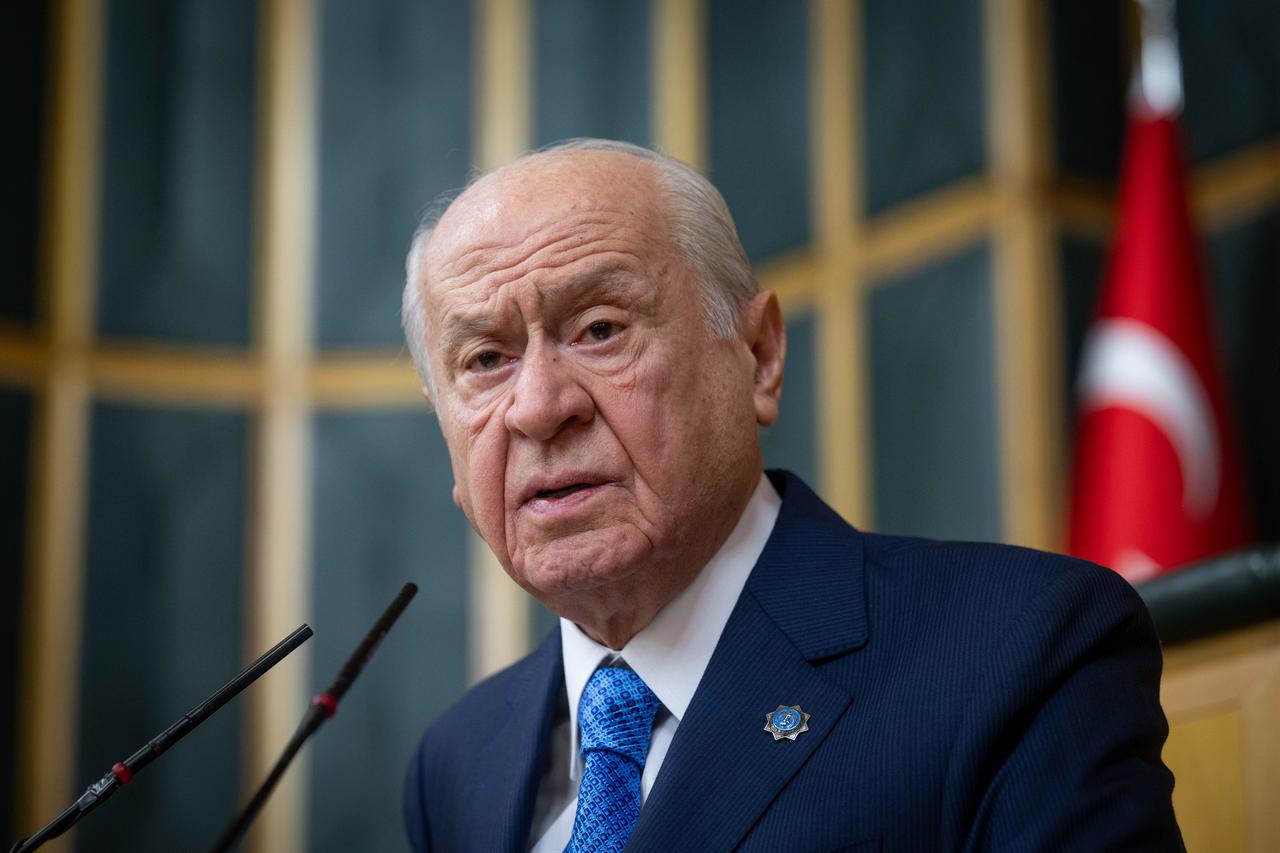
Bahceli said Europe should confront what he called disrespect embedded in its mindset and renew its language toward Türkiye based on reality and rationality.
“Türkiye is not a country condemned to Europe’s classifications,” he said.
“Türkiye is history, state, memory, geography, center and truth even without Europe.”
Bahceli said Türkiye would not be an “extra” in scenarios written by others.
“The Republic of Türkiye will not be an extra in a scenario written by others,” he said. “It will not be weighed on scales set by others. It will not walk on roads dictated by others.”
“We have the power to remind those who try to show us our place where they stand,” he added.


 Set as preferred source
 Set as preferred source


 1 min read
 1 min read