Newsletters


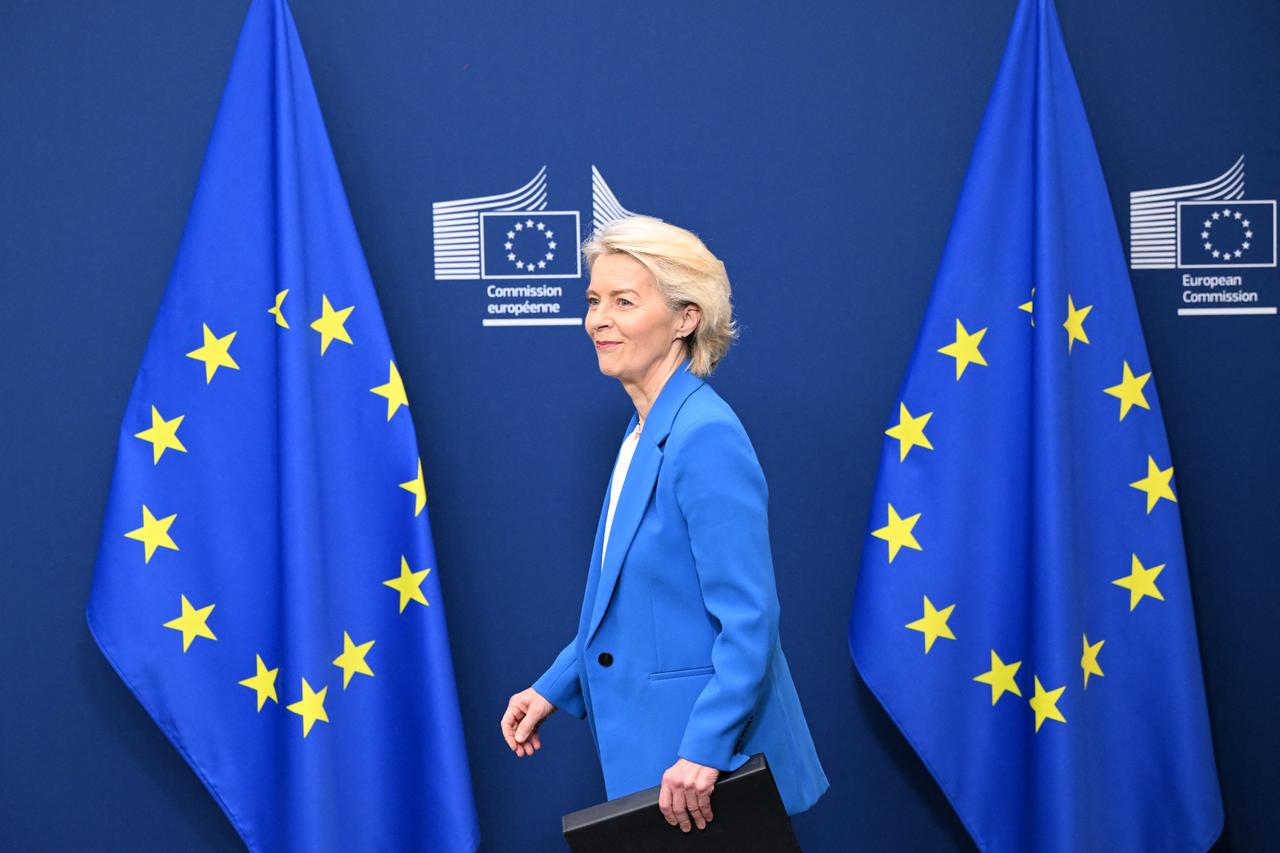


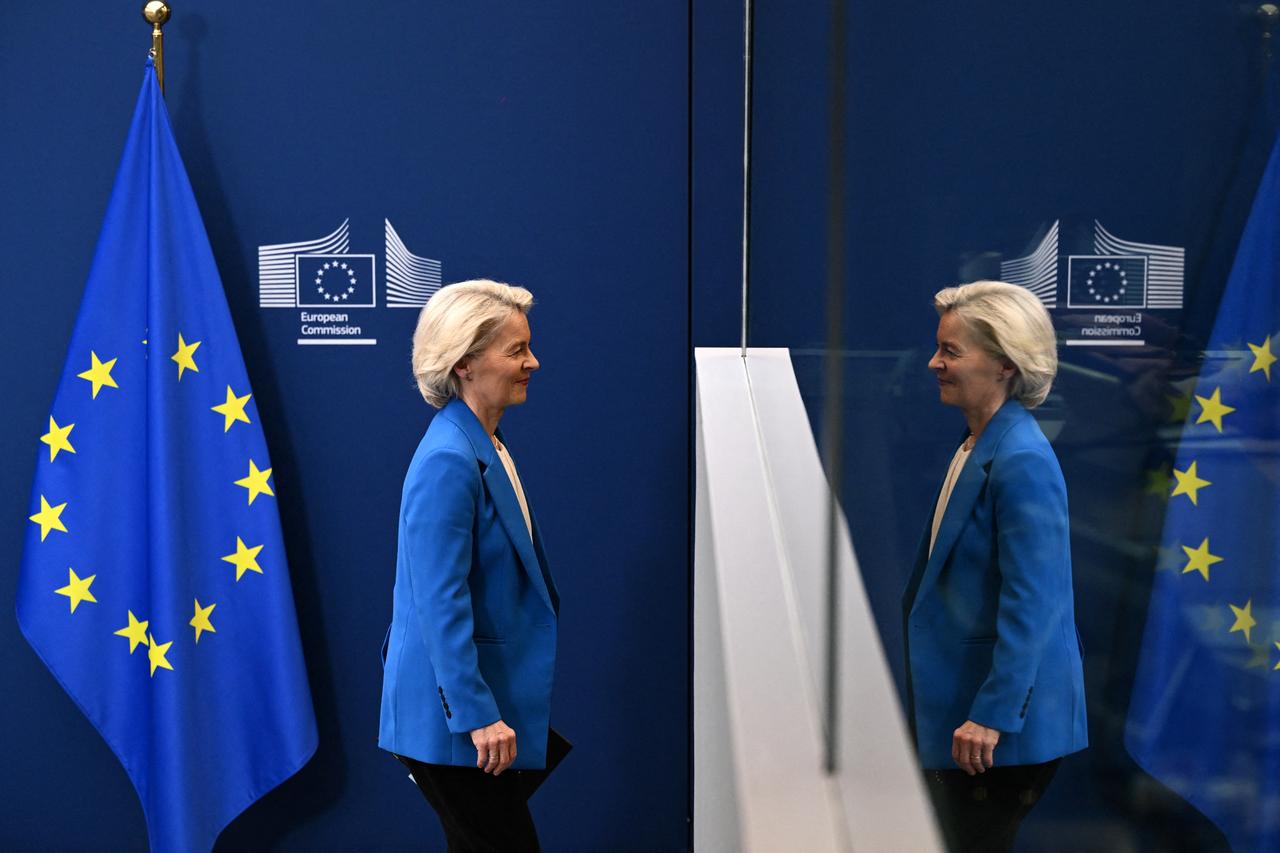
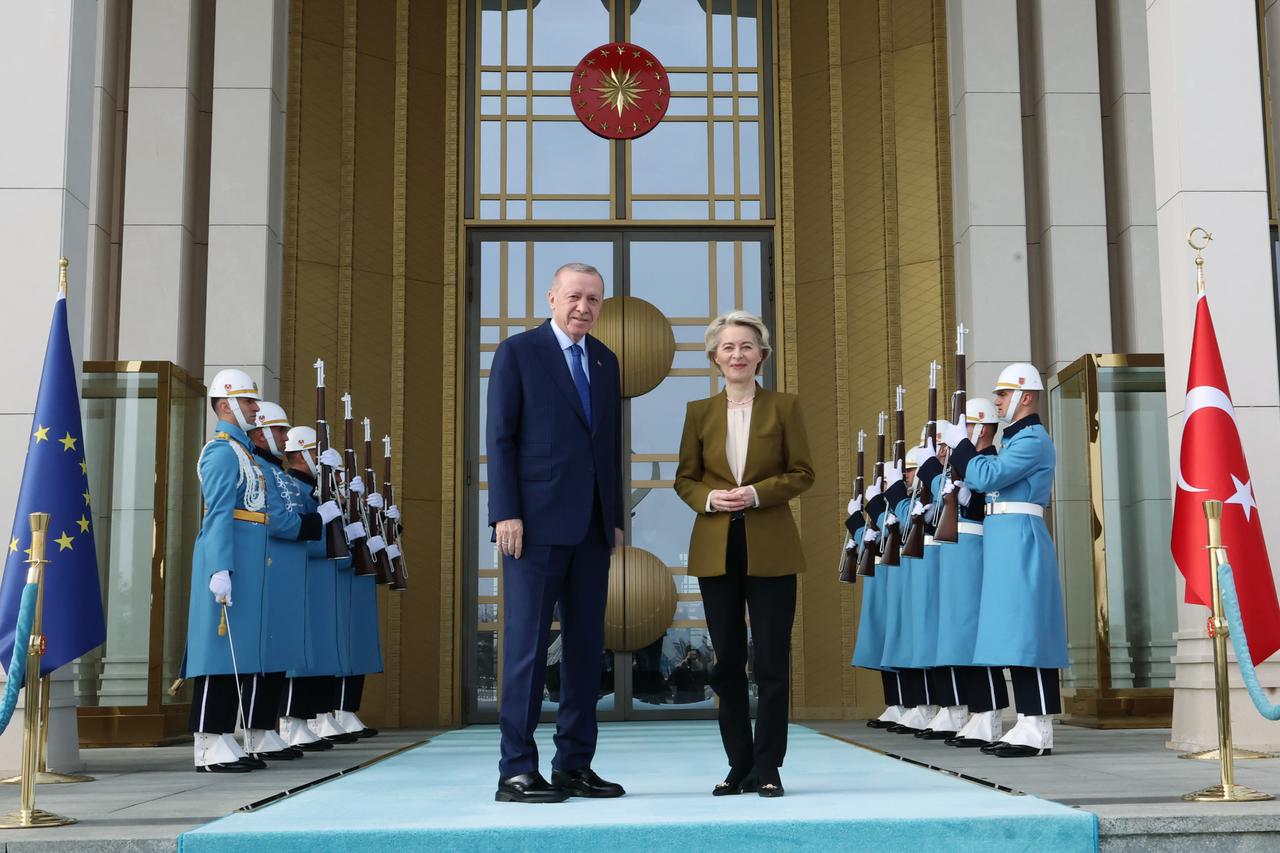
Türkiye's ruling Justice and Development (AK) Party Deputy Chairman and Spokesperson Omer Celik stated on Wednesday that European Commission President Ursula von der Leyen's grouping of Türkiye with Russia and China was a "manifestation of visionlessness" that would trigger tension lines in the Balkans.
The Turkish official declared that the EU's "entire political springs have run dry" and that Brussels was incapable of producing a coherent vision even for the Balkans, "right on its doorstep."
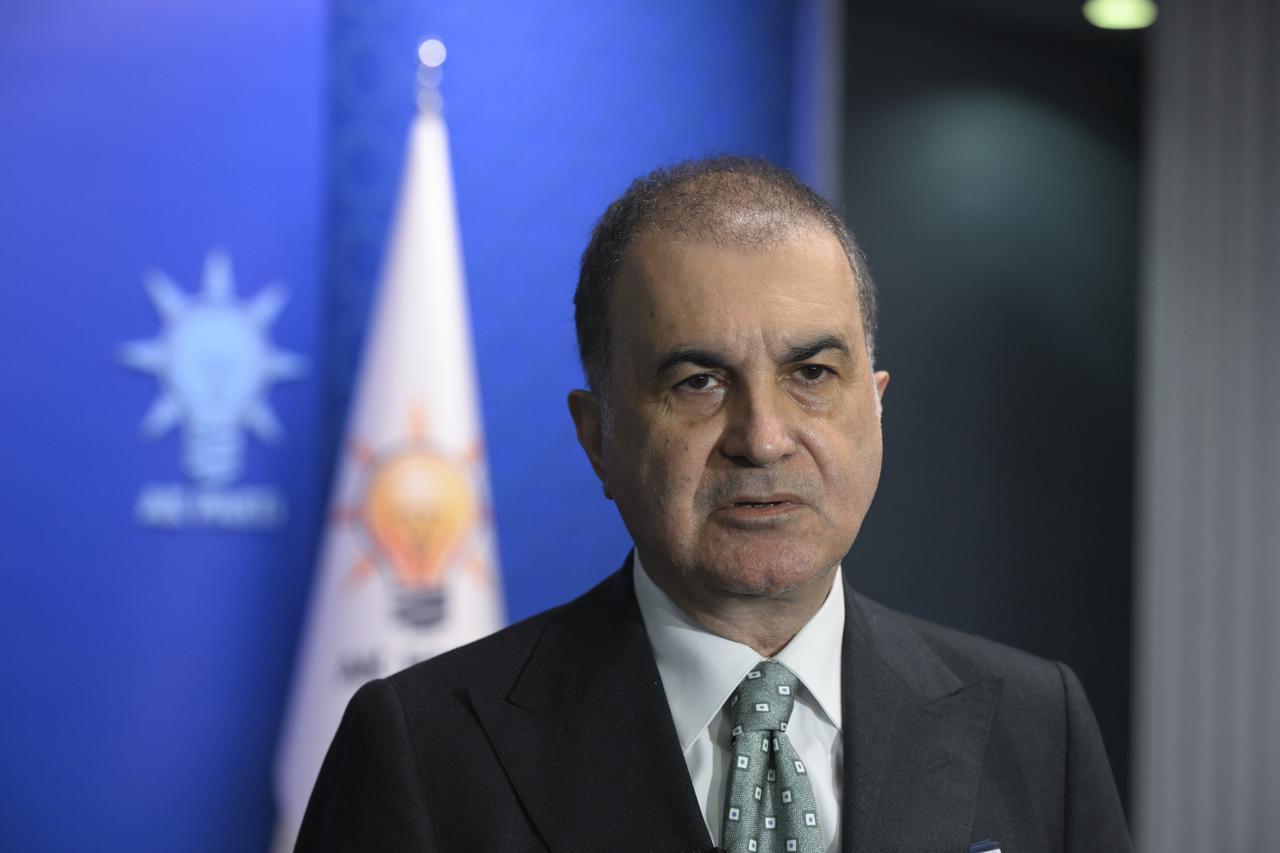

Celik told Türkiye's state-run Anadolu Agency (AA) that von der Leyen's Balkans framing was dangerous at a fundamental level.
"Von der Leyen's statement on the Balkans must be treated as a manifestation of visionlessness. Europeans approaching the matter this way will further trigger the tension lines in the Balkans and produce stress," he said.
He said von der Leyen had exposed the EU's structural incapacity.
"Positioning Türkiye, an EU candidate country and a major NATO nation, as a rival actually shows that the EU's entire political springs have run dry. Leaving aside regional developments, the Mediterranean, the Black Sea, the EU is shown to be utterly devoid of content even on the Balkans, right on its doorstep," Celik added.
The ruling party spokesperson noted that Ursula von der Leyen's framing was logically self-defeating for the EU's own stated goals.
"If the EU is going to seek integration in the Balkans, one of the biggest facilitators and vision-holders there is Türkiye. Türkiye's Balkan vision is based on peace, against the fragmentation policies we call 'Balkanization,' and built on values," Celik said.
"Counting Türkiye among the countries positioned as opponents of the EU is a truly grave mental and political contradiction," he added.
He said Türkiye was clear about what European values meant, political values and integration, while the Commission had reduced the concept to a mechanical "Christian club" framework that allowed Central Europe to dominate the rest of the continent.
Celik cited President Erdogan's longstanding position that the EU cannot be a global power without Türkiye.
"Today look at the NATO debates, the table that emerged from the U.S.-Israel attack on Iran, the Gaza issue, the Russia-Ukraine war, the EU carries no political weight and constitutes no center of gravity in any of these. This is the direct result of that visionlessness," he said.
He said the Commission's walk-back by the spokesperson was insufficient.
"Some actors, spokespeople and others are trying to contain this, but it doesn't look like a situation that can be contained. What needs to change is the software itself. Both the EU's software toward the Balkans and its software toward Türkiye are wrong from top to bottom. This is not something a spokesperson can fix, it is something von der Leyen herself must fix," he noted.
Foreign Economic Relations Board (DEIK) Türkiye-Europe Business Councils Chairman Mehmet Ali Yalcindag said von der Leyen's remarks appeared "driven more by tactical considerations than geopolitical realities."
He warned that such an approach "weakens Europe's strategic capacity in the long term."
He cited EU Enlargement Commissioner Marta Kos, who told the European Parliament that Europe needs Türkiye as a strategic partner, not only an EU candidate, citing its role as one of the EU's largest trading partners, its position on trade routes between Europe and Asia and its importance for Black Sea security.
Speaking to AA, Chatham House researcher and Türkiye Today contributor Timothy Ash also called the statement "extraordinary," saying Türkiye remained "a loyal NATO ally" with soldiers helping defend Europe's borders and the capacity to fill gaps in European defense at a moment of U.S. unreliability.
"It is irrational that von der Leyen would make such statements when Türkiye should be an integral part of Europe's defense," Ash said.
IstanPol think tank Foreign Policy Coordinator Riccardo Gasco, who also spoke to AA said that further distancing Türkiye would be "politically counterproductive and strategically shortsighted."
"Europe's current limitations in defense and economic strategy make cooperation with Türkiye more necessary, not less," he concluded.


 Set as preferred source
 Set as preferred source


 1 min read
 1 min read