Newsletters


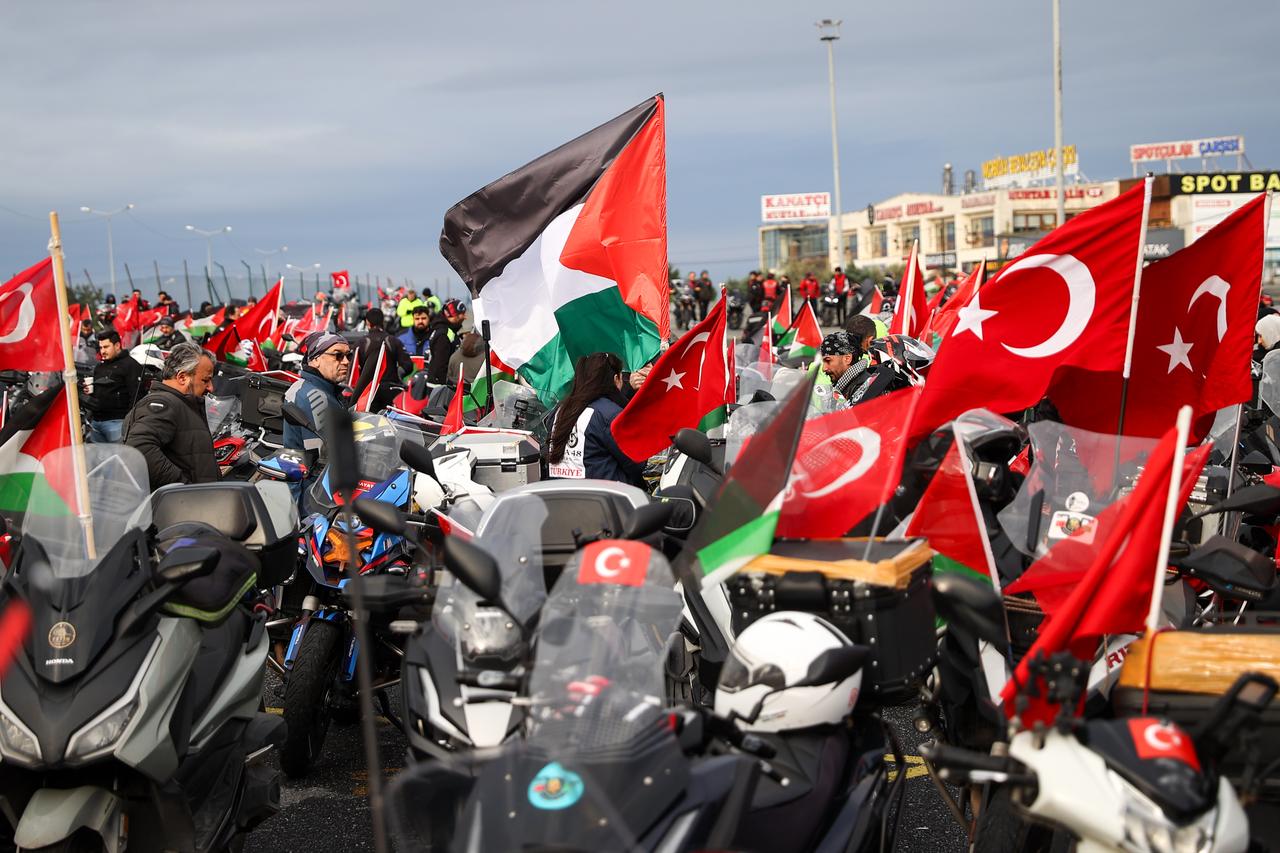


Türkiye on Sunday reaffirmed its support for an independent and sovereign Palestinian state based on the 1967 borders, with East Jerusalem as its capital, marking the 38th anniversary of Palestine's declaration of independence.
In a statement posted on Turkish social media platform X, the Turkish Foreign Ministry congratulated the Palestinian people and reiterated Ankara's commitment to protecting their rights.
"We will continue to stand against all forms of injustice and oppression faced by the Palestinian people," the ministry said.
The ministry emphasized that establishing an independent, sovereign and territorially contiguous Palestinian state along the 1967 borders, with East Jerusalem as its capital, remained an unwavering objective of Türkiye's foreign policy.
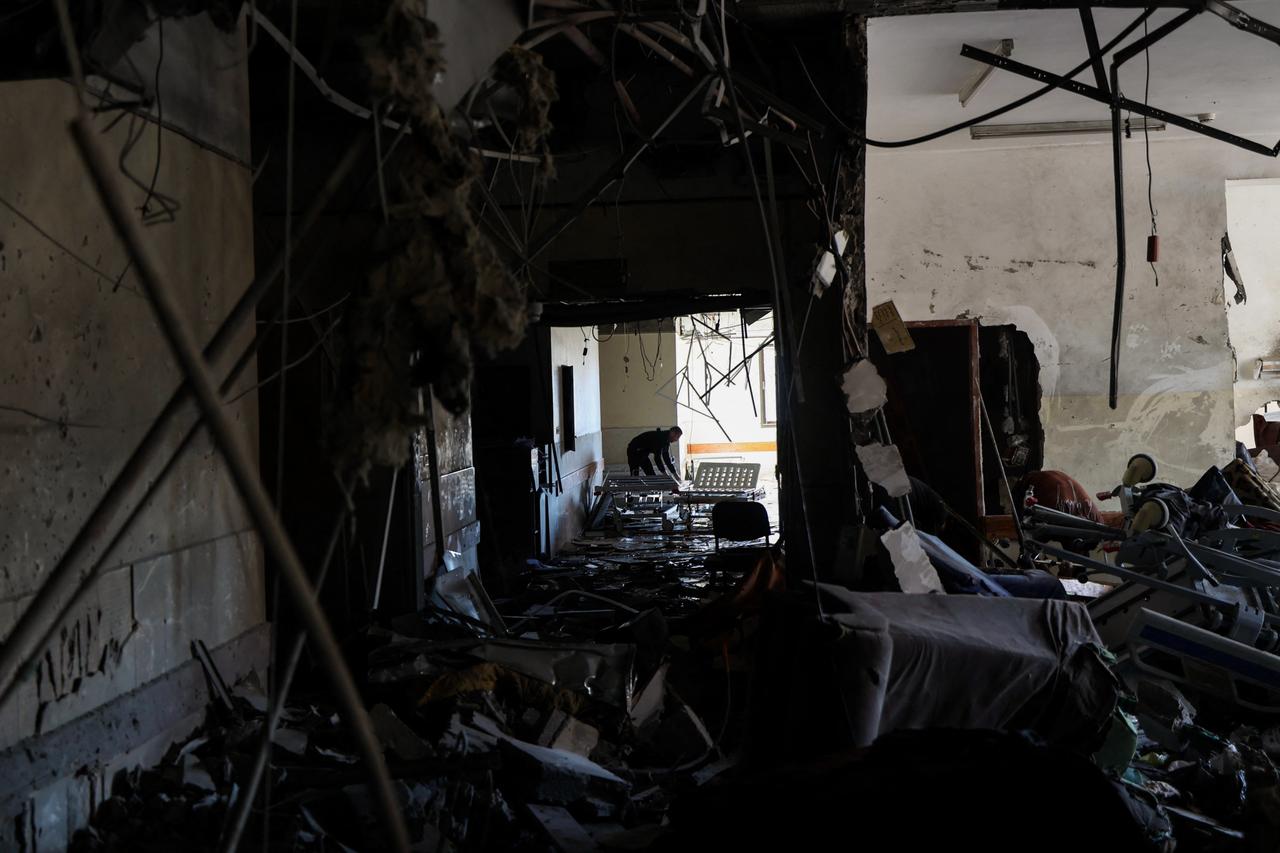
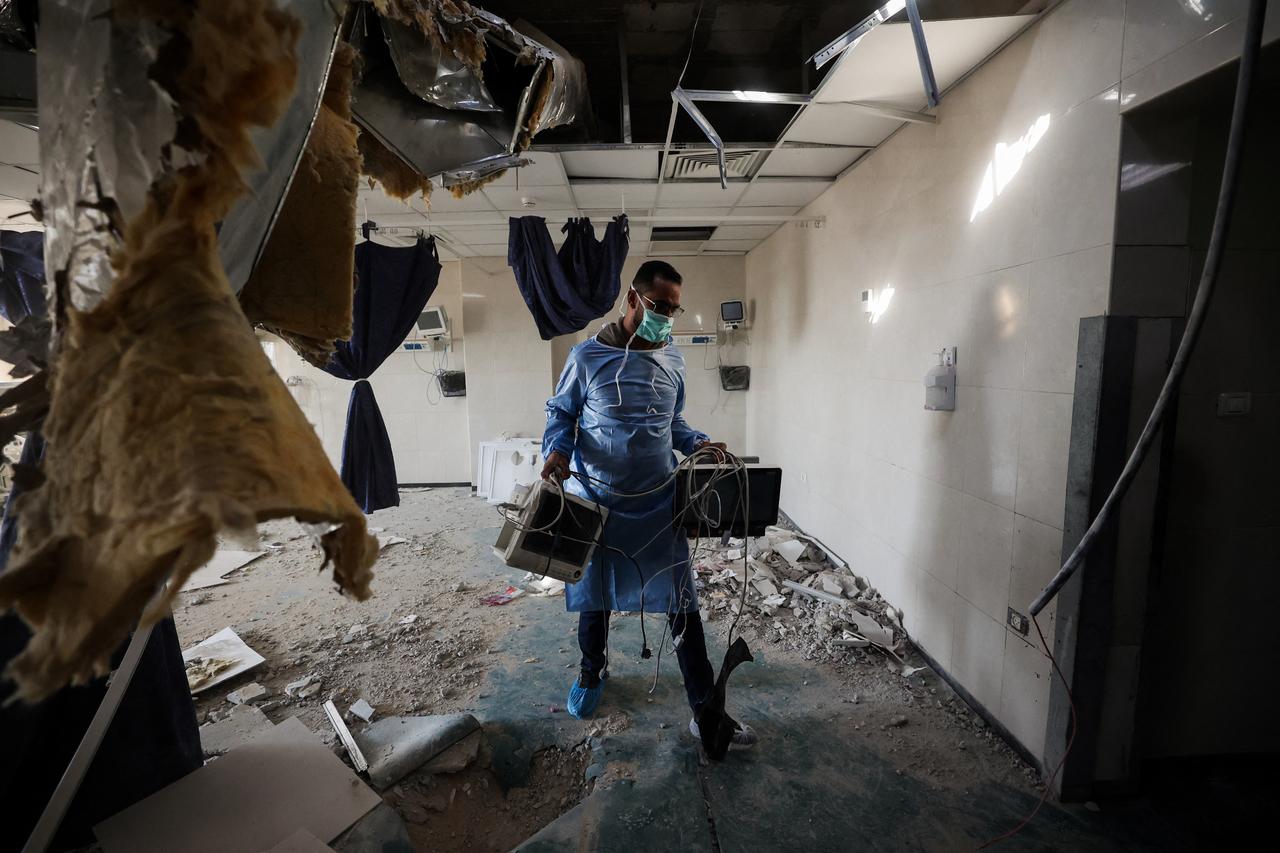
The statement came a day after Türkiye and 17 other countries condemned an Israeli airstrike on the Nasser Medical Complex in Khan Younis, southern Gaza, and called for the full implementation of the ceasefire and unrestricted humanitarian access.
In a joint statement issued Saturday, the foreign ministers of Türkiye, Algeria, Djibouti, Egypt, Indonesia, Jordan, Kuwait, Lebanon, Libya, Mauritania, Oman, Pakistan, Palestine, Qatar, Saudi Arabia, Somalia, Sudan and the United Arab Emirates condemned the attack on Nasser Medical Complex, which reportedly caused casualties among patients and medical personnel.
The ministers said the strike violated international humanitarian law, which provides special protection for medical facilities and healthcare workers.
They also condemned continued Israeli attacks on Palestinian civilians, including strikes targeting tents and shelters housing displaced people.
The ministers warned that such attacks threatened the ceasefire and undermined efforts to restore stability and security in Gaza, describing them as inconsistent with U.S. President Donald Trump's comprehensive peace plan.
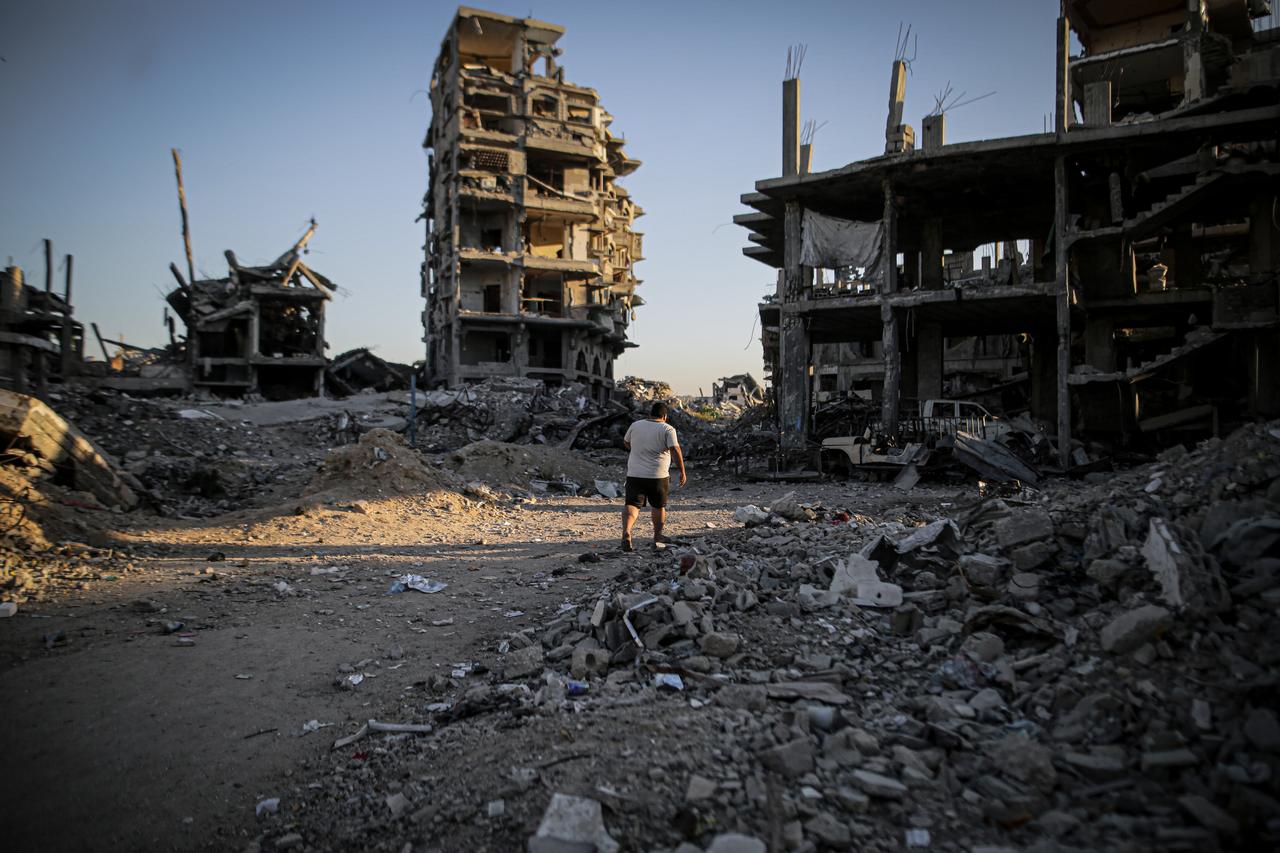

The joint statement also expressed serious concern over continued Israeli restrictions on humanitarian assistance, shelter materials and medical supplies entering Gaza.
The ministers warned that deteriorating living conditions, inadequate shelter and worsening access to water, sanitation and healthcare were exposing civilians, particularly children and infants, to life-threatening risks as winter approached.
They urged Israel to fulfill its obligations under the Sharm El-Sheikh Agreement, Trump's Comprehensive Plan and U.N. Security Council Resolution 2803 (2025).
The ministers called for the protection of civilians and medical facilities, continued respect for the ceasefire and the safe, sustained and unhindered delivery of sufficient humanitarian assistance.
They emphasized that aid deliveries must include shelter materials, early recovery supplies and equipment needed to restore essential infrastructure.
The statement also called for U.N. agencies and humanitarian organizations to be allowed to operate without obstruction.
The ministers stressed that commitments under the first phase of the ceasefire agreement were to take effect upon signing and must be implemented without delay or additional political or security conditions.
They emphasized that urgent humanitarian assistance should not depend on progress in later phases of the agreement.
The statement called on the United States and the Board of Peace to intensify efforts, within their respective roles, to ensure Israel fulfills its commitments and removes restrictions on humanitarian aid entering Gaza.
The ministers warned that the credibility of the agreements and efforts to consolidate the ceasefire depended on their implementation.
They reaffirmed their commitment to working with regional and international partners to strengthen the ceasefire, implement all phases of the plan and expand humanitarian assistance to Palestinians in Gaza.


 Set as preferred source
 Set as preferred source


 1 min read
 1 min read