Newsletters


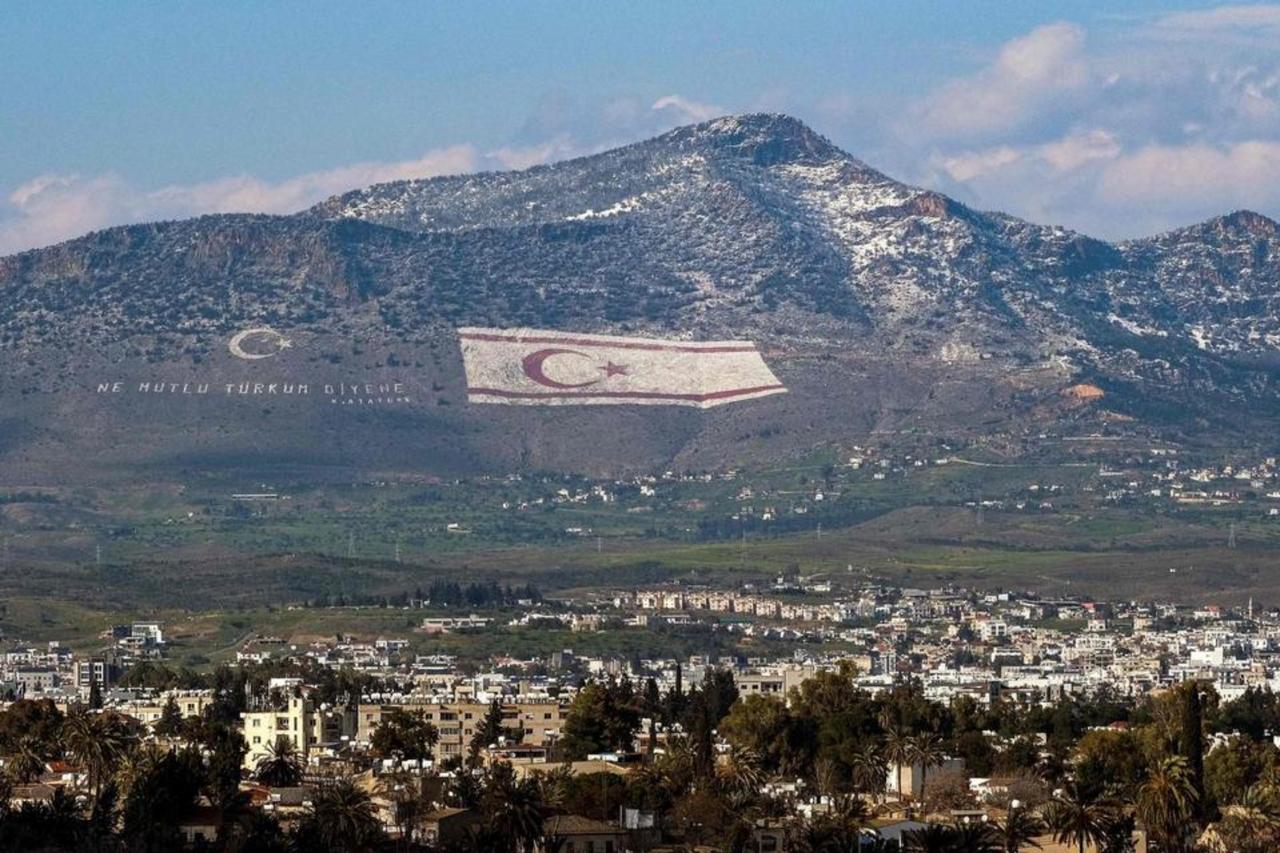


Türkiye on Sunday commemorated the 62nd anniversary of the "Bloody Christmas" massacre, in which Greek Cypriot EOKA terrorists launched attacks against Turkish Cypriots on Dec. 21, 1963, marking the beginning of intercommunal violence on the island.
"Sixty-two years ago today, members of the Greek terrorist organization EOKA carried out the massacre that went down in history as Bloody Christmas, the first step of the barbaric attacks they waged against the Turkish Cypriot people," the Ministry of Foreign Affairs said in a statement.
"However, with the unwavering support of the motherland and guarantor Türkiye, and the epic struggle for independence and sovereignty of Turkish Cypriots, especially the heroic Mujahideen of the Turkish Resistance Organization, the EOKA terrorists were defeated," the ministry added.
The ministry said Turkish Cypriots who lost their lives in the "barbaric Greek attacks" are remembered with mercy, and veterans with gratitude.
"The martyrs who gave their lives for Cyprus, Türkiye's national cause, will never be forgotten," the statement said.
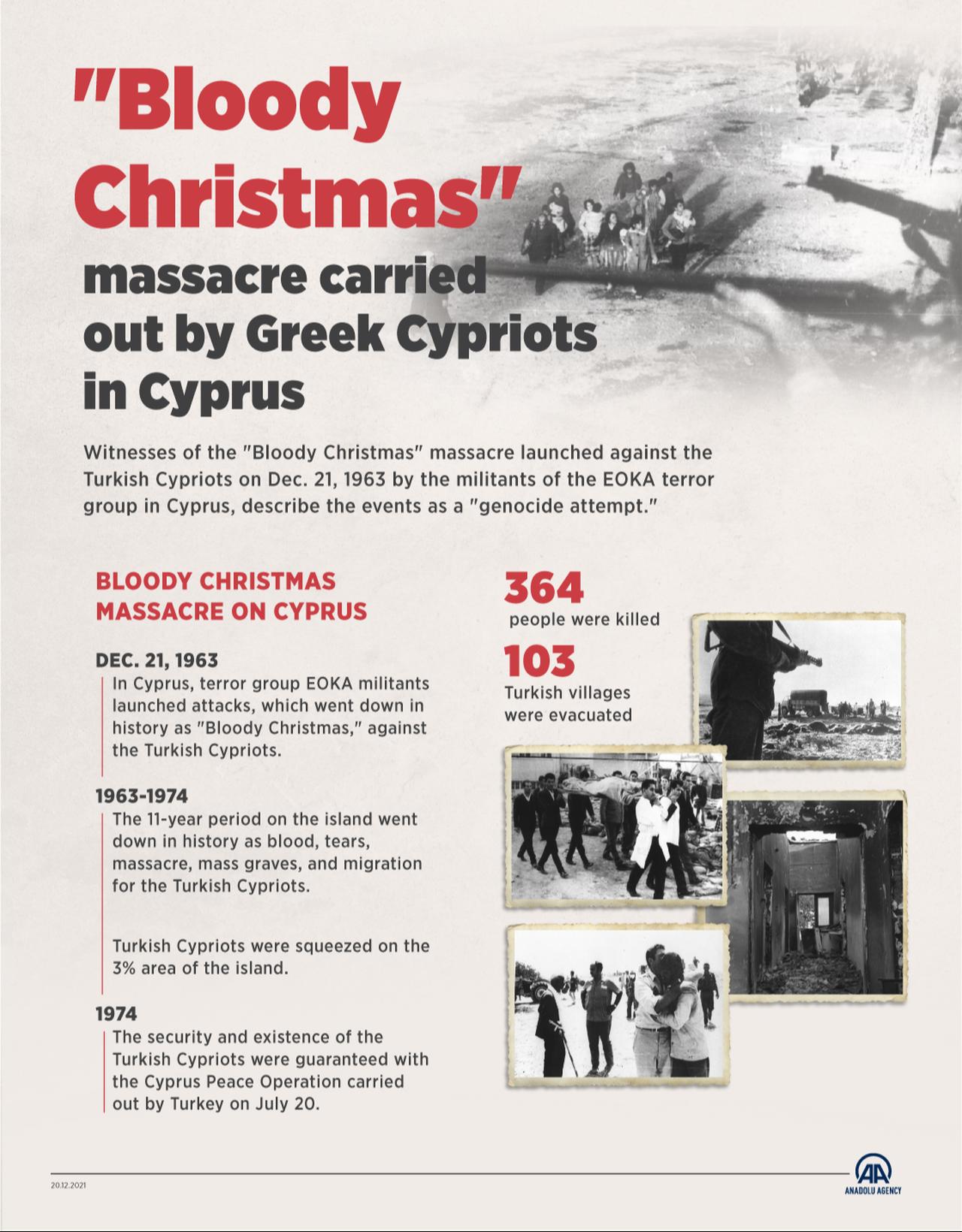

The violence began on the night of Dec. 20-21, 1963, when EOKA militants launched attacks in Nicosia as part of the Akritas Plan, which aimed to eliminate Turks from the island and achieve Enosis—the union of Cyprus with Greece.
The first victims were Zeki Halil and Cemaliye Emirali, Turkish Cypriots shot in their car in Nicosia's Tahtakale neighborhood on the night of Dec. 20, 1963.
In the initial attacks in Nicosia alone, 92 Turks were killed and 146 wounded.
EOKA militants carried out their first major massacre on Dec. 23, 1963, in Ayvasil village near Nicosia. Twenty-one Turkish Cypriots taken prisoner were executed with their hands tied and buried in a mass grave.
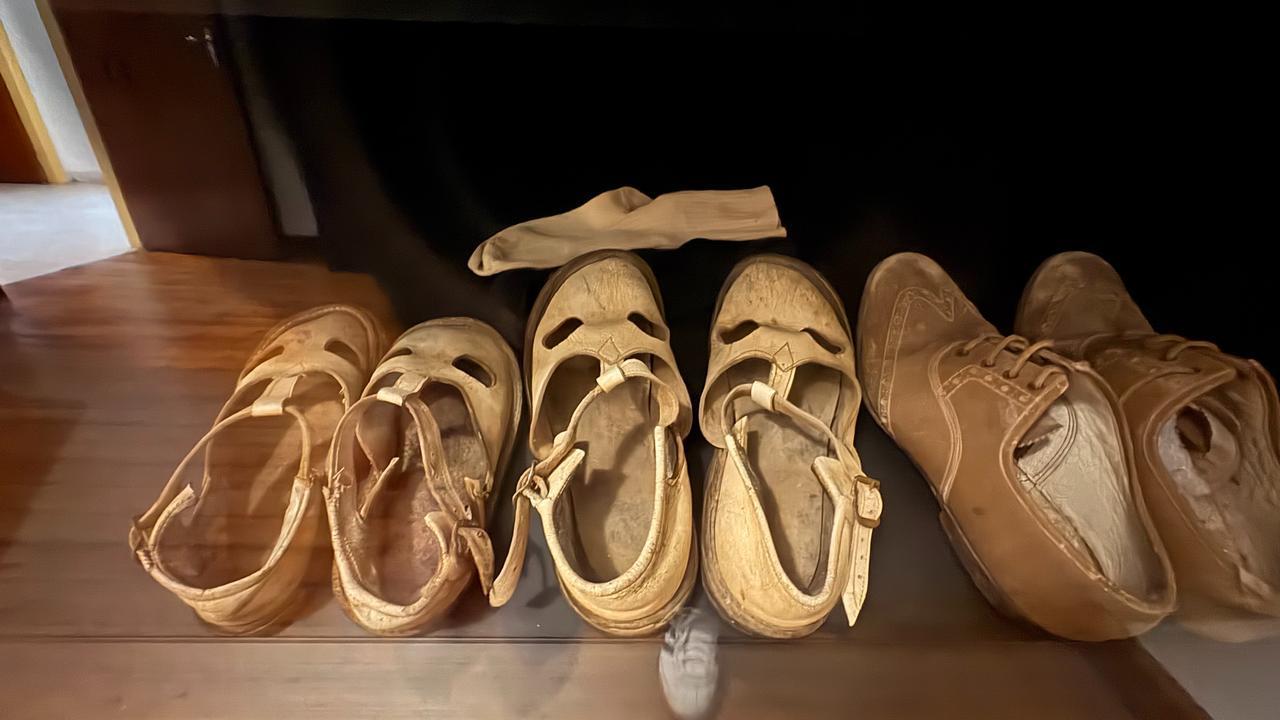
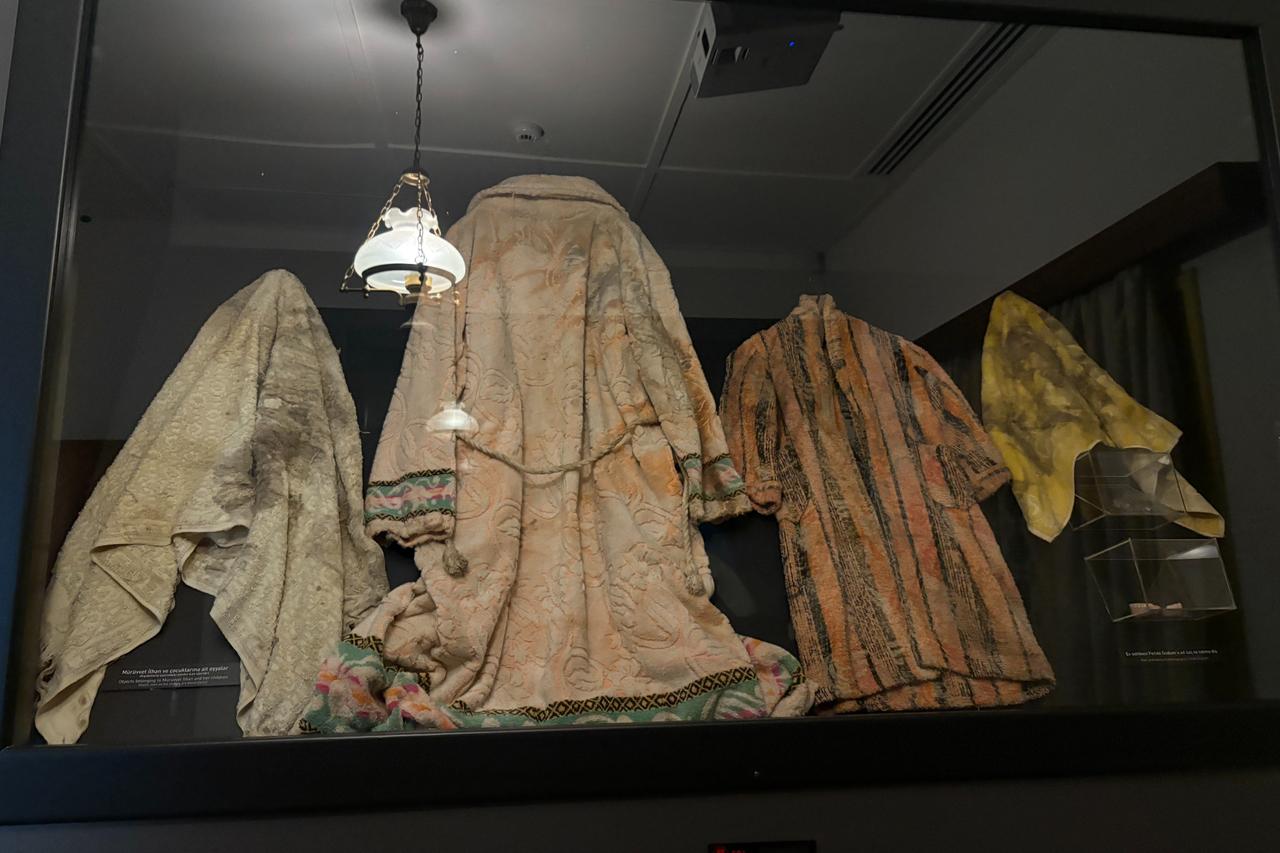
On Dec. 24, 1963, Greek Cypriot gangs attacked the Kumsal neighborhood of Nicosia, killing the wife and three children of Major Nihat Ilhan, a doctor serving with the Turkish Regiment in Cyprus.
Major Ilhan's wife Muruvet and their children Murat, Kutsi and Hakan, were found dead in the bathtub of their home. The incident is known as the "Kumsal Massacre" or "Bathtub Massacre," and the house was later opened as the Museum of Barbarism.
The violence that began in 1963 and continued into 1964 resulted in 364 Turkish Cypriot deaths. A total of 103 Turkish villages were forced to evacuate.
The attacks prompted the U.N. Security Council to deploy peacekeeping forces to the island. The first UN Peacekeeping Force (UNFICYP) arrived on March 14, 1964. However, the U.N. presence did not prevent continued Greek Cypriot attacks on Turkish Cypriots.


 Set as preferred source
 Set as preferred source


 1 min read
 1 min read