Newsletters


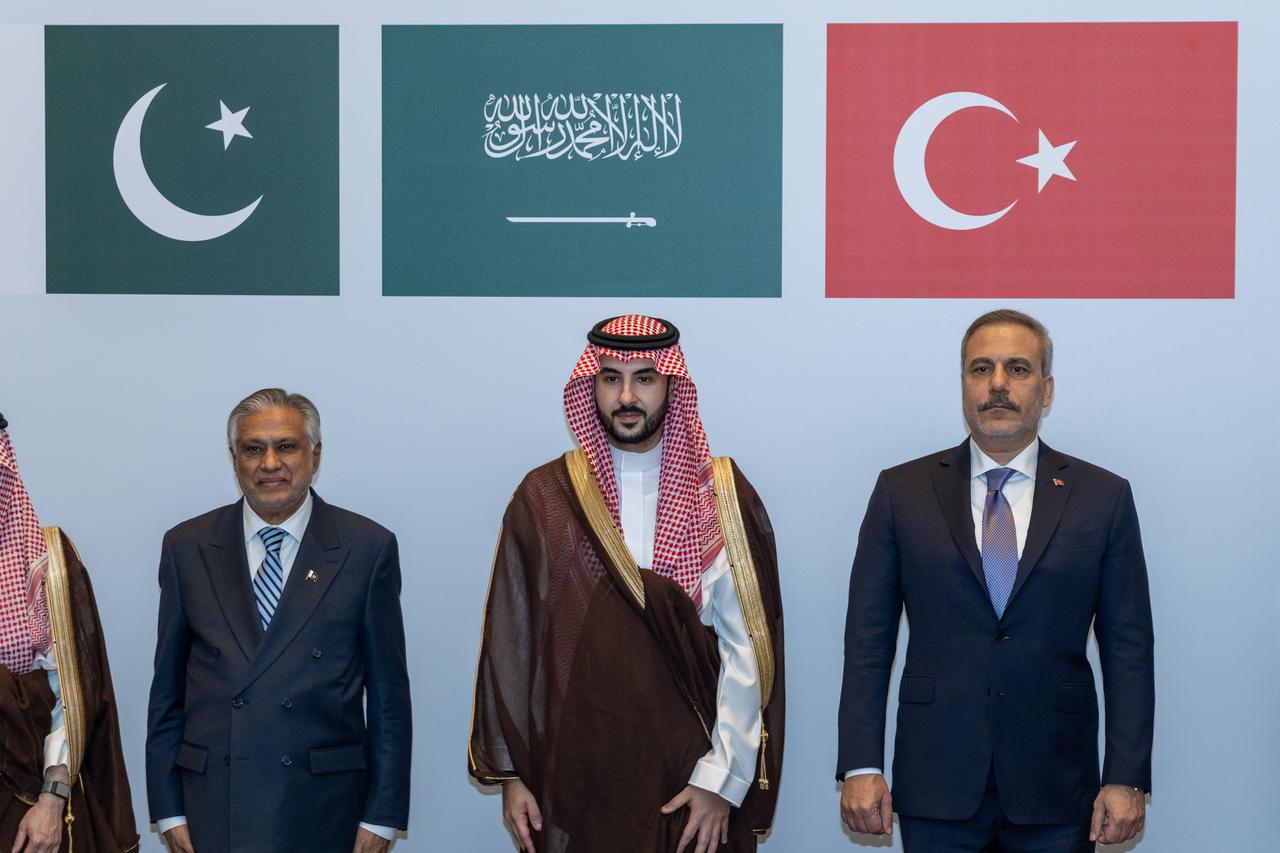


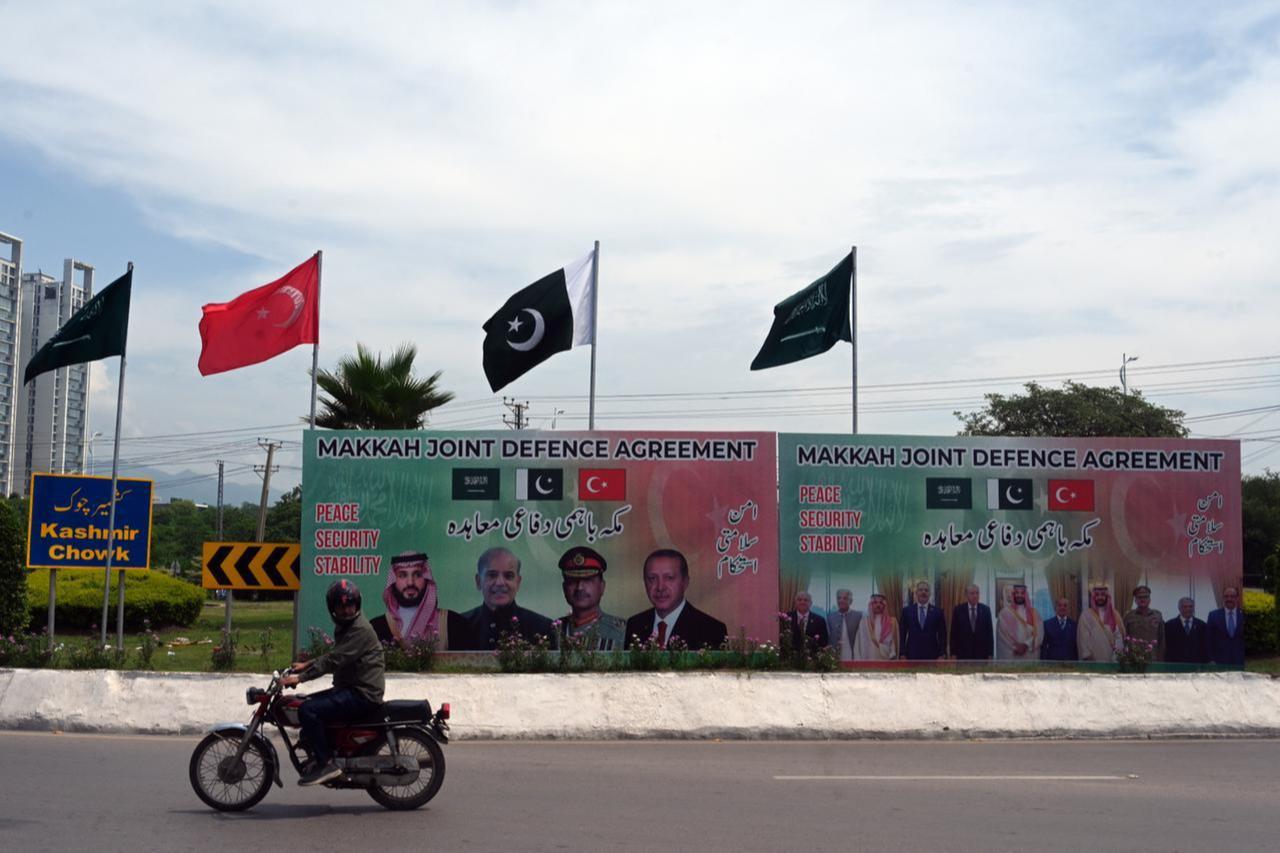
Saudi Arabia, Pakistan and Türkiye agreed Monday to begin the practical implementation of their collective defense pact, deciding to rapidly deploy agreed military forces and capabilities to the kingdom after an emergency meeting convened in response to recent attacks on Saudi territory.
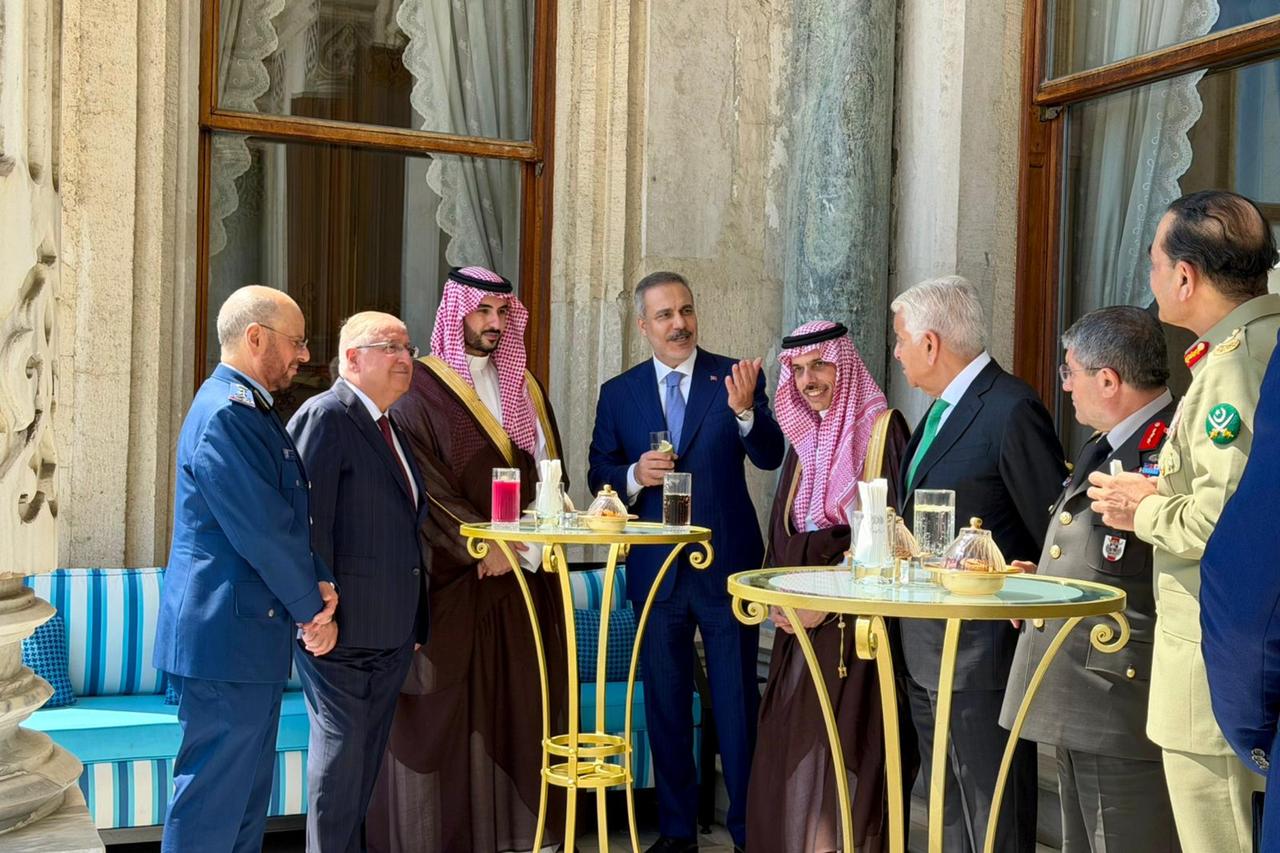
The decision came out of an emergency session of the Strategic Political and Defense Committee of the Mecca Alliance for Defense, held in Riyadh and bringing together the three member states. In a joint statement issued after the meeting, the parties said they had reviewed political and military consultations held in advance of the gathering and approved a set of recommendations affirming what they called a firm, unified commitment to collective defense.
According to the statement, the committee decided to move immediately on its collective defense commitments, directing that the agreed military forces and capabilities be made available to Saudi Arabia and deployed rapidly, in line with arrangements the three countries had previously approved and consistent with each country's national legislation.
The statement described the move as a way to strengthen readiness, deepen military integration and expand the alliance's collective capacity to confront threats.
The parties also condemned what they described as an attempted targeting of Mecca and Madinah, Islam's two holiest cities, along with ongoing attacks on Saudi cities and on civilian and economic facilities in the kingdom.
They reaffirmed what the statement called an unequivocal rejection of any attack or threat against Saudi Arabia's security and territorial integrity. Pakistan and Türkiye separately praised the readiness and professionalism of the Saudi armed forces in responding to the threats.
The statement framed the measures as evidence that the three countries are translating the Mecca Agreement for Joint Defense from a written commitment into concrete action, saying this would reinforce deterrence and prove the three nations' determination to defend their security, sovereignty and territorial integrity.
As part of the alliance's institutional buildup, the committee also appointed retired Lt. Gen. Nauman Mahmood of Pakistan as the alliance's first secretary-general, for a three-year term. The parties welcomed the appointment and voiced confidence in his ability to help advance the alliance's objectives.
The Mecca Joint Defense Agreement was signed on August 7, 2026, in Mecca by Saudi Crown Prince and Prime Minister Mohammed bin Salman, Turkish President Recep Tayyip Erdogan and Pakistani Prime Minister Shehbaz Sharif, establishing a mutual defense framework under which an armed attack against Pakistan, Saudi Arabia or Türkiye would be considered an attack against all three countries.
The pact followed a separate Strategic Mutual Defense Agreement signed between Pakistan and Saudi Arabia in September 2025, and the alliance's institutional structure, including a Saudi-based secretariat initially led by Pakistan, was set up at the alliance's first strategic meeting, held in Istanbul on August 31.
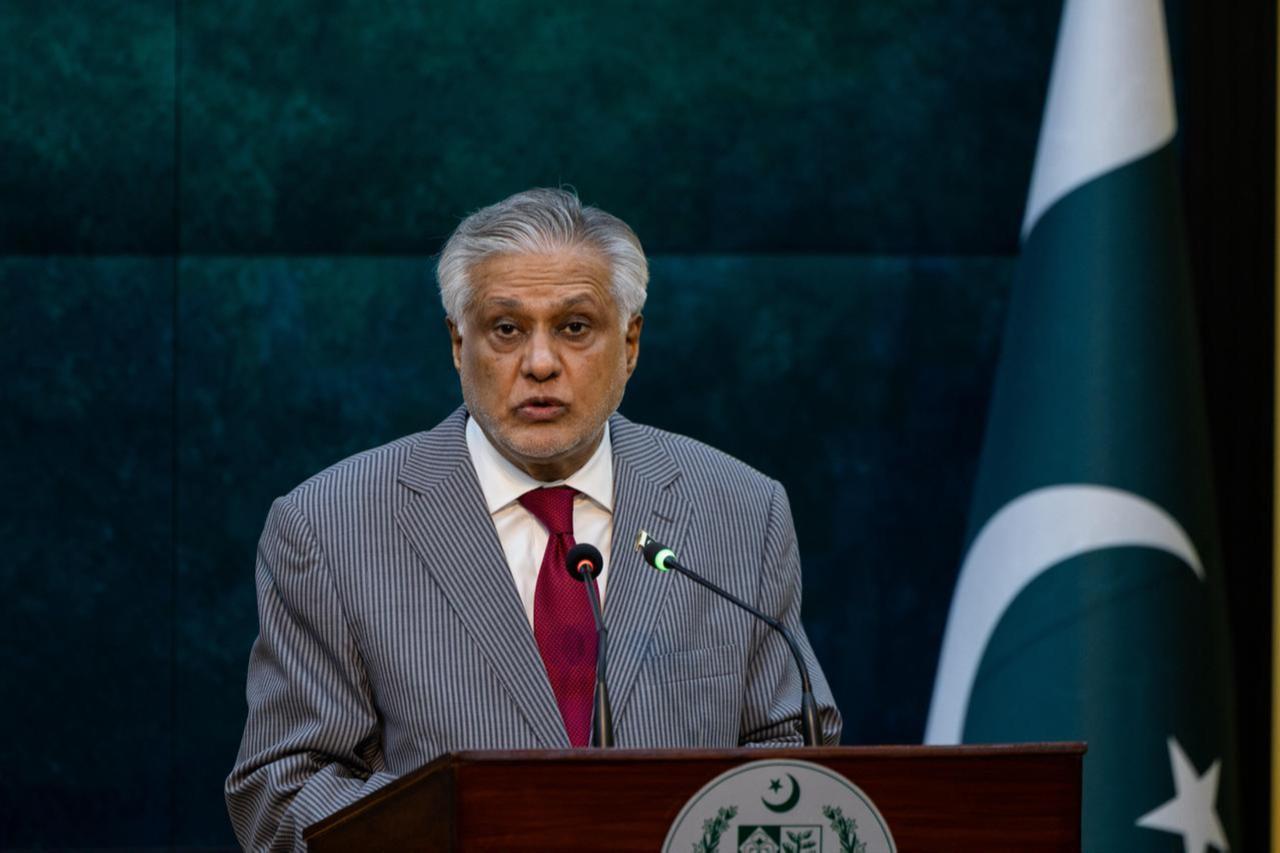
Speaking to reporters after the meeting, Foreign Minister Hakan Fidan said the gathering had originally been planned to advance the alliance's institutionalization but was moved up and held on an emergency basis because of developments in the Yemen-Saudi Arabia situation.
He said the committee had discussed matters including the structure of the secretariat and the appointment and confirmation of the new secretary-general, adding that extensive work toward institutionalizing the Mecca alliance agreement had "come to an end."
Fidan said the three countries had also discussed how the dispute between Yemen and Saudi Arabia could be resolved peacefully through dialogue, describing Saudi Arabia's approach to resolving the issue as constructive and saying Türkiye had shared some of its own views after hearing the Saudi position again.
He said the decisions taken reflected an intent expressed by Turkish President Recep Tayyip Erdogan on the matter.
He also said Turkish Defense Minister Yasar Guler and Chief of General Staff Gen. Selcuk Bayraktaroglu had presented productive assessments on military, operational and technical issues during the talks, addressing both institutional defense cooperation and the current situation. Fidan summed up the day's discussions on what steps could be taken militarily, technically and institutionally within the alliance as "a productive day."


 Set as preferred source
 Set as preferred source


 1 min read
 1 min read