Newsletters


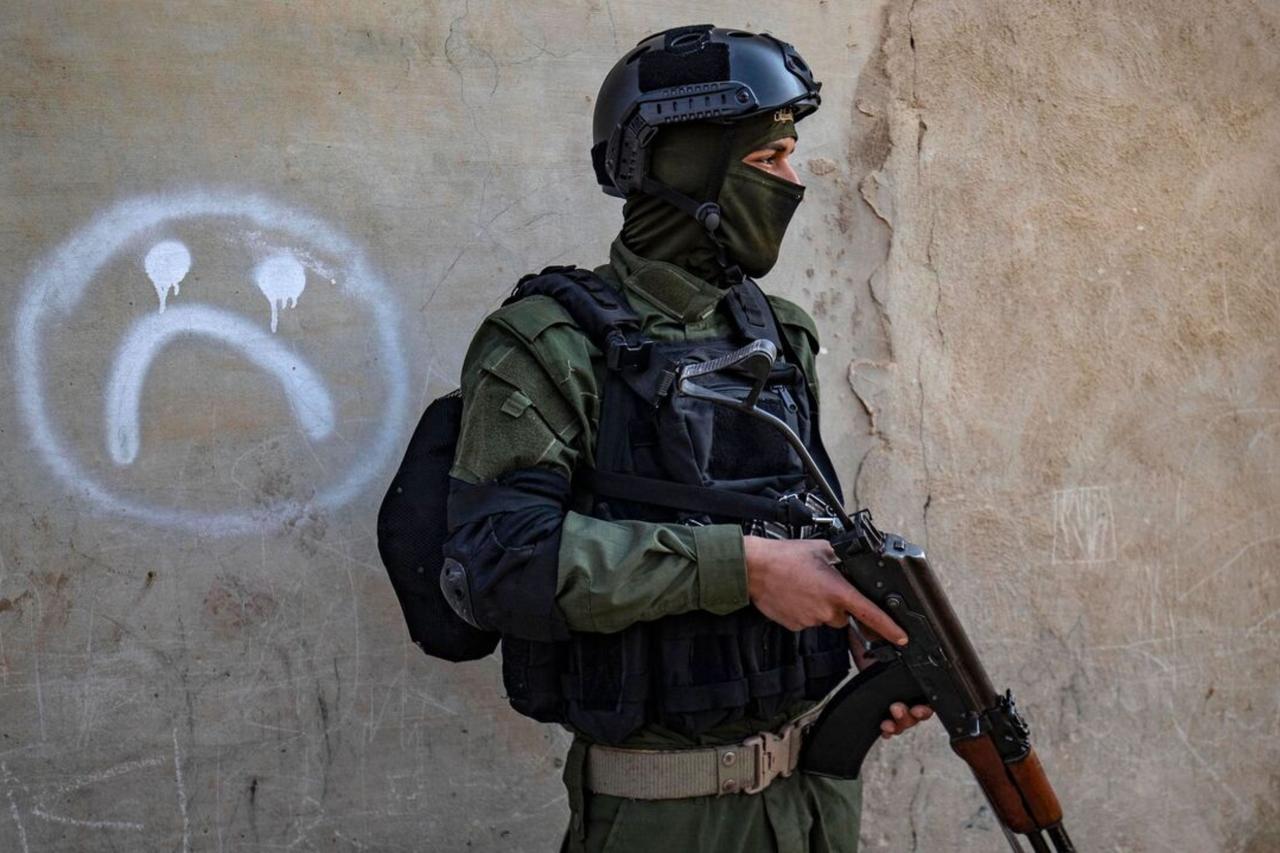


Türkiye has issued a final warning that time is running out for the U.S.-backed SDF, which is dominated by the terrorist group YPG, the Syrian branch of the terrorist organization PKK, to integrate with Damascus authorities, with Turkish and Syrian officials indicating military action could follow if negotiations fail, according to Turkish media outlet Hurriyet's columnist Hande Firat.
"The majority of sand grains in the hourglass on Damascus and Ankara's table are no longer at the top," Firat reported on Tuesday, saying, "When the hourglass stops, not only time but also the rules of the game will have changed."
Syrian Information Minister Hamza al-Mustafa recently declared that federalism or radical decentralization is off the table, emphasizing that the country's "unitary and centralized" structure is non-negotiable. That the U.S.-backed YPG/SDF's "legitimacy searches" are unacceptable.
In an interview with the state-run Anadolu Agency (AA), he said SDF commander Mazloum Abdi has misread the situation and "missed historic opportunities," emphasizing that the issue of federalism and political decentralization is completely off the table.
There is "no alternative to the March 10 agreement with the SDF," the minister noted.
Mustafa said Abdi agreed to the deal, but the SDF failed to honor its commitments and sought to stall and buy time. "The state offered a middle option through the March 10 integration deal, which Abdi accepted but has not implemented," he added.
"The SDF behavior reflects an attempt to delay while waiting for changes, especially after recent events in Suwayda," he said, accusing Abdi of using "orientalist language" when speaking about Druze and Alawites.
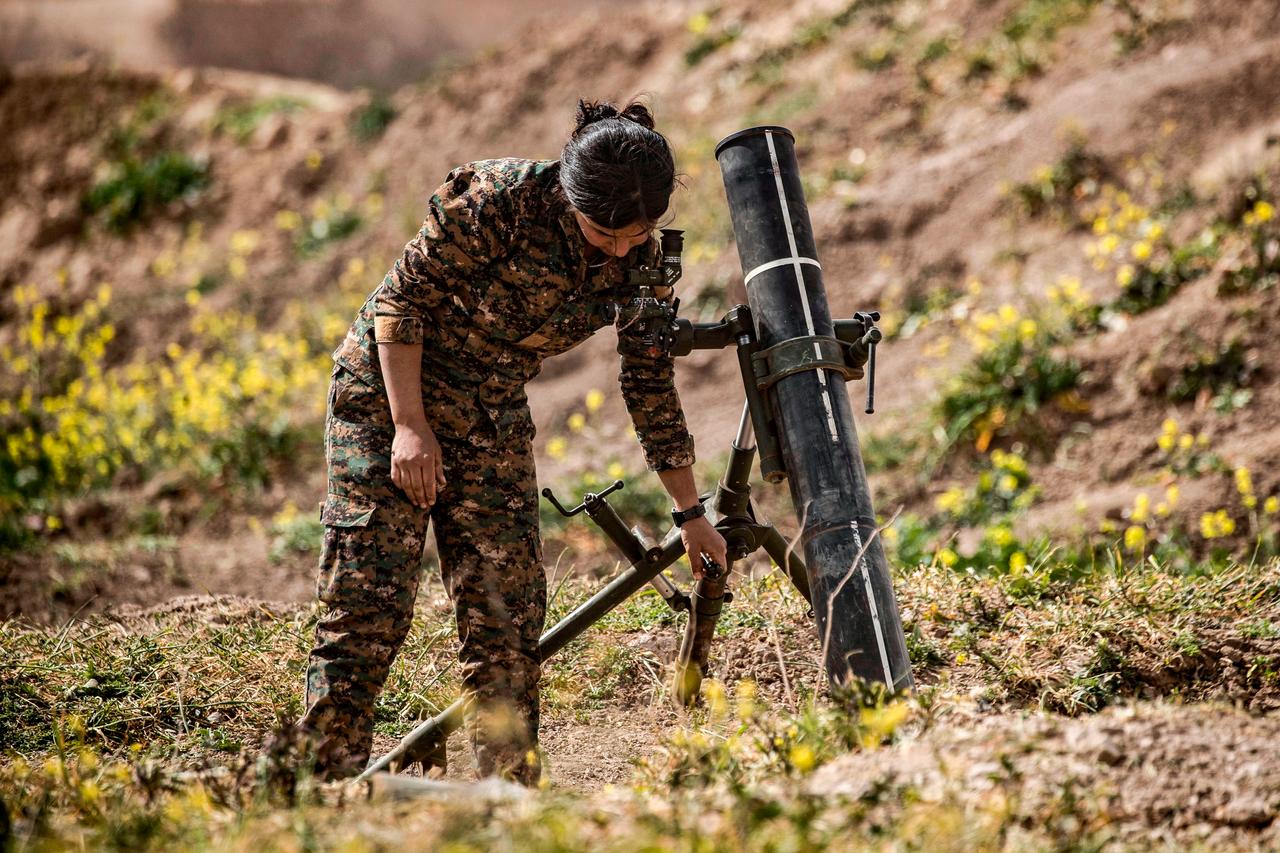

Negotiations between Damascus and the SDF, overseen by the United States and Türkiye, have stalled over critical issues, including what percentage of armed elements would be dissolved versus integrated and under which umbrella they would operate.
The SDF wants collective integration without internal divisions and seeks to appoint its own commanders to battalion leadership positions. Damascus rejects this, stating, "A state's army is governed by the state," according to Firat's report.
"A final reminder has been given to the SDF to comply with the timeline regarding the items in the document," the columnist stated, noting that neither Damascus nor Ankara has seen any goodwill steps from the SDF as the year ends.
Türkiye maintains three non-negotiable positions:
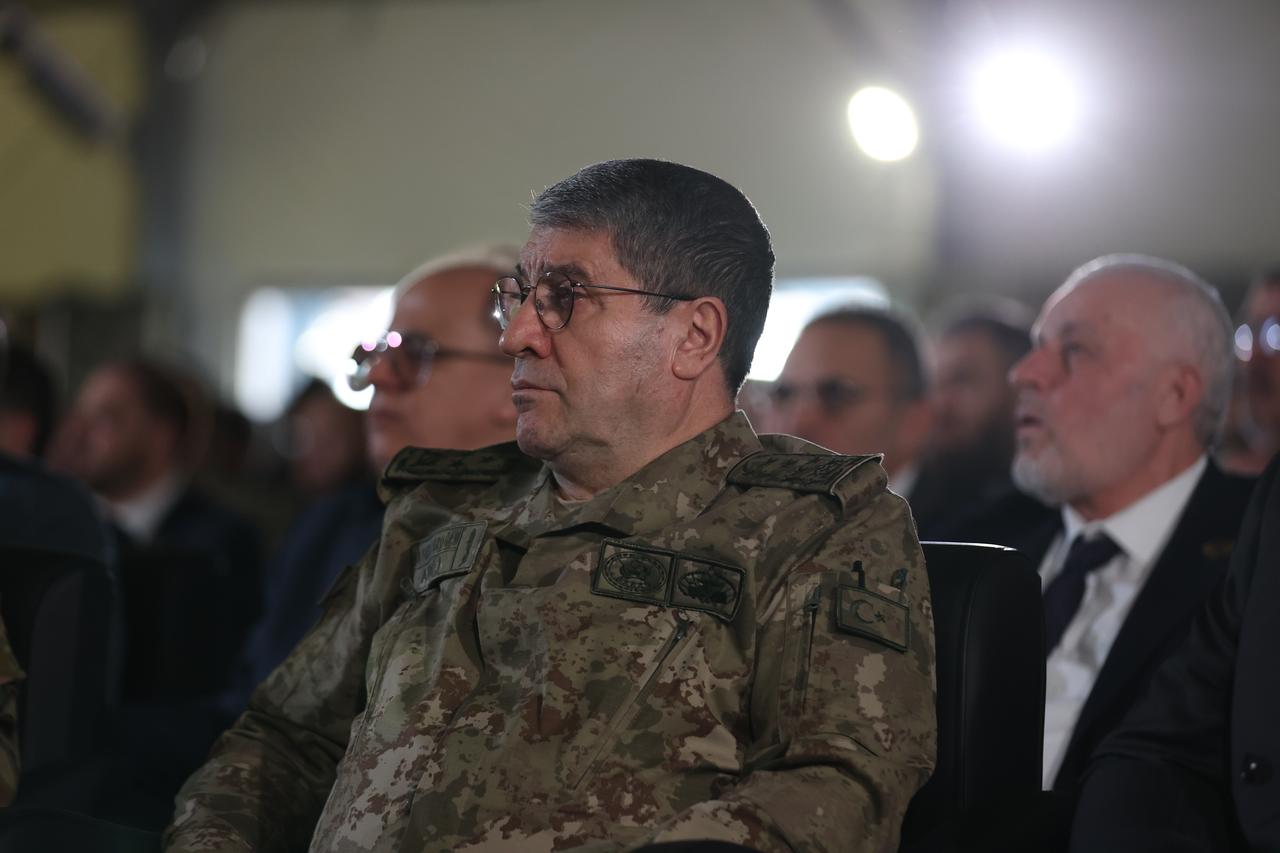
Turkish Chief of General Staff Selcuk Bayraktaroglu's recent Damascus visit served as a warning to the SDF and all actors supporting it, the columnist noted.
Türkiye has conveyed to the United States that "words are exhausted, necessary pressure must be applied, the problem must be solved," with President Recep Tayyip Erdogan expected to potentially call U.S. President Donald Trump specifically about this issue.
"Trump gave instructions to his team to solve the problem," after Ankara clearly communicated its demands to the United States, according to the columnist's report.
The SDF, facing weakening U.S. support, is focused on "integrating with the regime to survive" while preserving some field gains, with Israel reportedly backing this approach, Firat wrote.

If U.S. pressure on the SDF fails to yield results, both Damascus and Ankara are expected to take action on the ground when "the last grain of sand falls" in the hourglass, the report stated.
The coming days will see either:
"Which of these two options materializes will depend significantly on U.S. pressure in the field and telling Israel to 'Stop,'" Firat concluded.

"No matter how we look at it, 'sovereignty within Syria' and 'Türkiye's security doctrine' must intersect," the columnist's report stated, noting that in the past week:
These developments indicate that either detailed integration negotiations addressing Türkiye's security concerns or military action is imminent, with the outcome depending heavily on U.S. field pressure and restraining Israel's destabilizing activities.


 Set as preferred source
 Set as preferred source


 1 min read


 1 min read