Newsletters


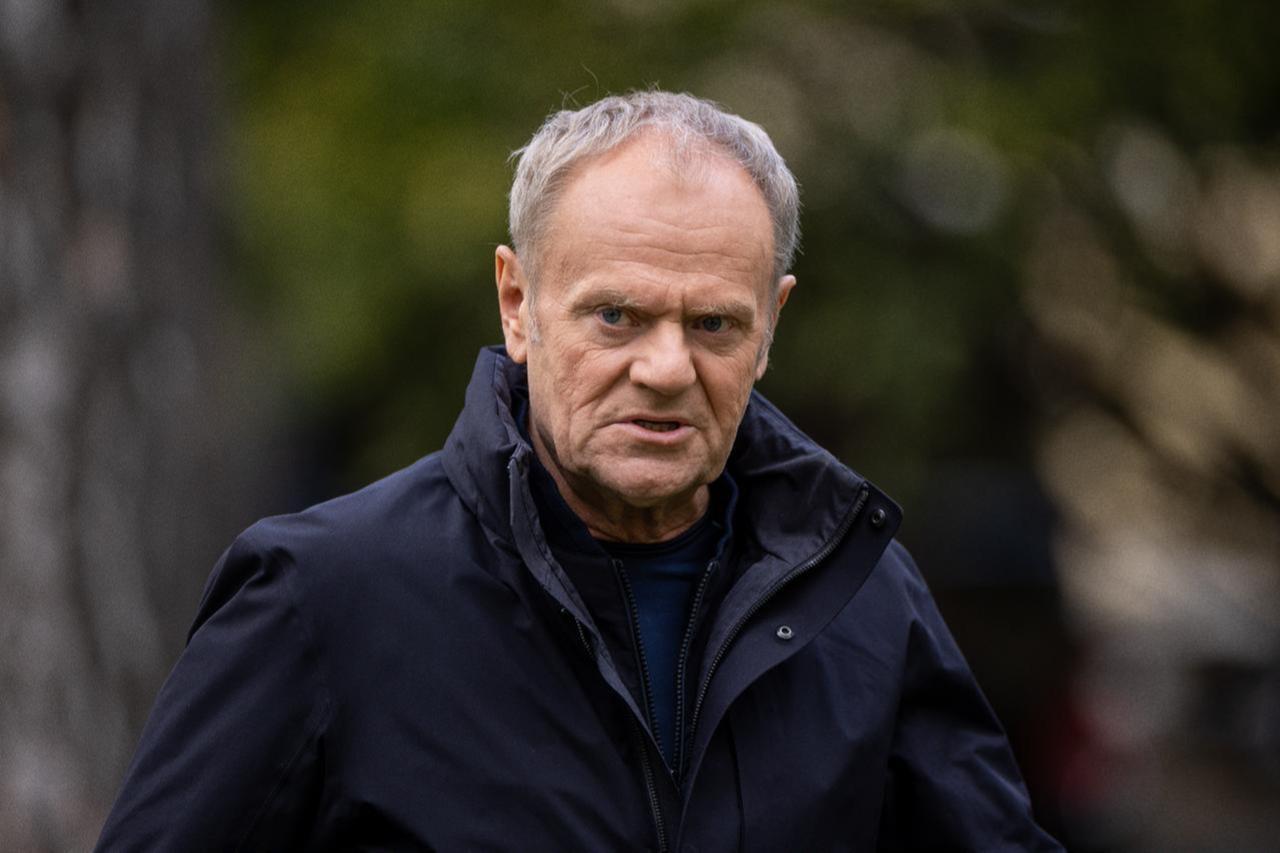


Polish Prime Minister Donald Tusk convened an emergency security briefing Monday after a false emergency report prompted firefighters and police to forcibly enter a Gdansk apartment belonging to a member of President Karol Nawrocki's family, the latest in what officials say is a growing wave of targeted hoax calls aimed at political figures.
The incident, which took place Saturday, began when emergency operators received a report of a fire and a life at risk inside the property. A second call followed shortly after, claiming someone inside was suffering cardiac arrest. Services were dispatched and firefighters forced entry into the apartment, which Nawrocki's office confirmed belonged to his mother.
Tusk characterized the episode as "another telephone provocation" and convened a session of the Government Centre for Security, attended by ministers responsible for interior affairs, digital policy, defense, and emergency coordination.
While he acknowledged that first responders had acted correctly under existing protocols, he said Poland must sharpen its ability to detect and respond to malicious calls before they escalate. "The provocateurs' actions are aimed at national security," Tusk wrote, warning that those responsible would be pursued regardless of who organized or directed the campaign.
The Gdansk incident is part of a broader pattern that Polish officials say has grown sharply in 2026. Deputy Interior Minister Czeslaw Mroczek disclosed that Poland had received nearly 1,200 similar false emergency notifications this year alone, a figure that underscores both the scale of the problem and the difficulty of filtering fabricated calls from genuine emergencies. Mroczek argued that responders have no choice but to treat every report as credible until evidence suggests otherwise.
Conservative figures, journalists, and institutions aligned with the opposition have been disproportionately targeted, according to Nawrocki's office, which accused authorities of failing to halt what it described as a coordinated campaign of harassment. Figures in the opposition camp have in turn argued that emergency services risk being turned into unwilling instruments of political intimidation, even absent deliberate state involvement.
The practice, known internationally as swatting, involves fabricating emergency reports with the intent of dispatching armed or specialist response teams to a target's address. Security experts and law enforcement agencies in Europe and North America have long flagged it as a criminal act rather than a prank, warning that it strains public safety resources and exposes both targets and responding officers to physical danger.
Politicians, journalists, and public figures have been among its most frequent victims in recent years, with perpetrators often exploiting spoofed numbers and anonymizing technology to evade detection.
Poland has a history of hoax bomb threats and false emergency calls against schools, courts, and public buildings, but officials say the current wave differs in its apparent focus on individuals with a specific political profile. Conservative broadcaster circles and figures linked to the opposition have reportedly been among those affected.
Tusk's decision to convene a formal ministerial briefing reflects the degree to which the Polish government views the surge in false reports as something beyond routine law enforcement and closer to a deliberate effort to destabilize public trust in institutions. By framing it as a national security matter, his government is signaling intent to pursue the perpetrators with the same legal tools available for hybrid threats.
Nawrocki's office, however, has used the episode to press a competing narrative, suggesting that the pattern of incidents directed at conservative figures reveals either institutional negligence or selective inaction on the part of authorities.
As of Monday no arrests had been announced in connection with the Gdansk incident.


 Set as preferred source
 Set as preferred source


 1 min read
 1 min read