Newsletters


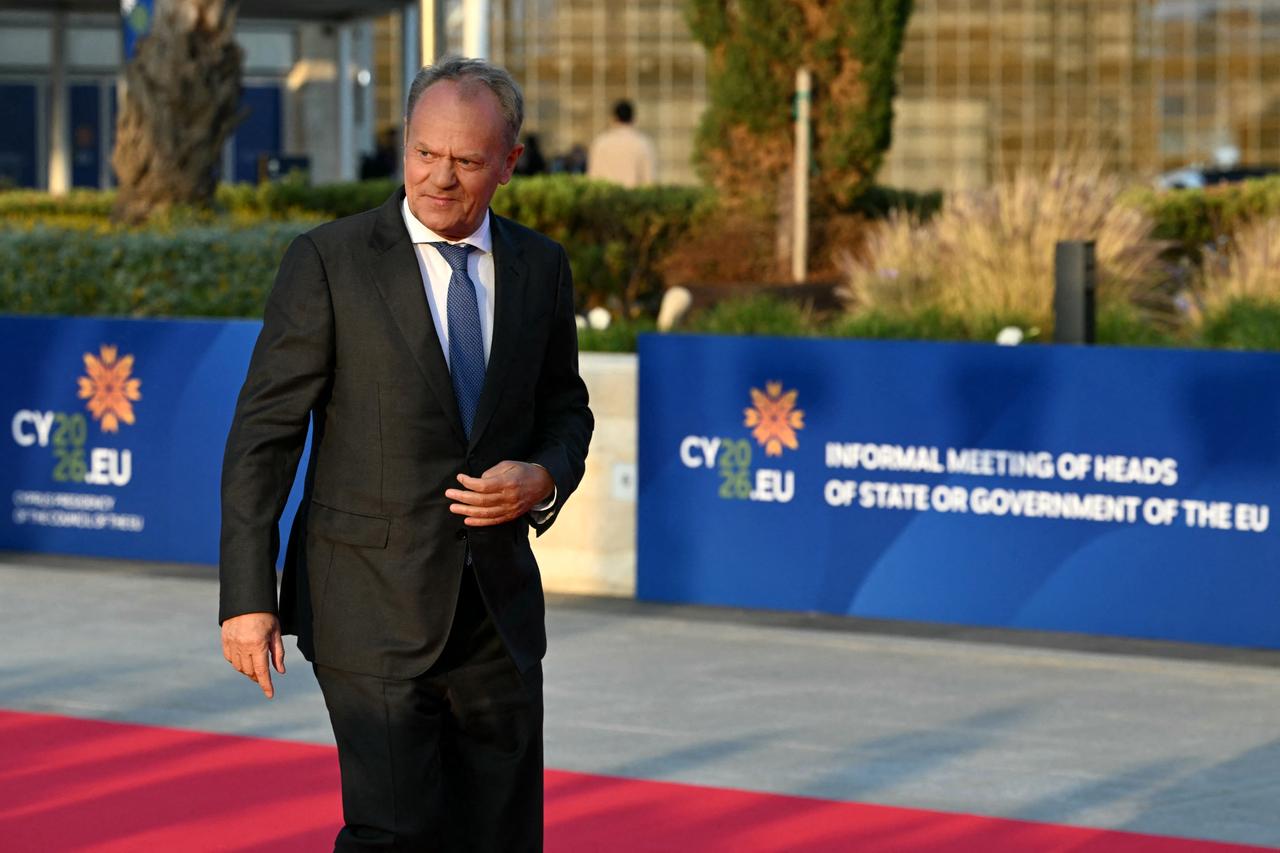


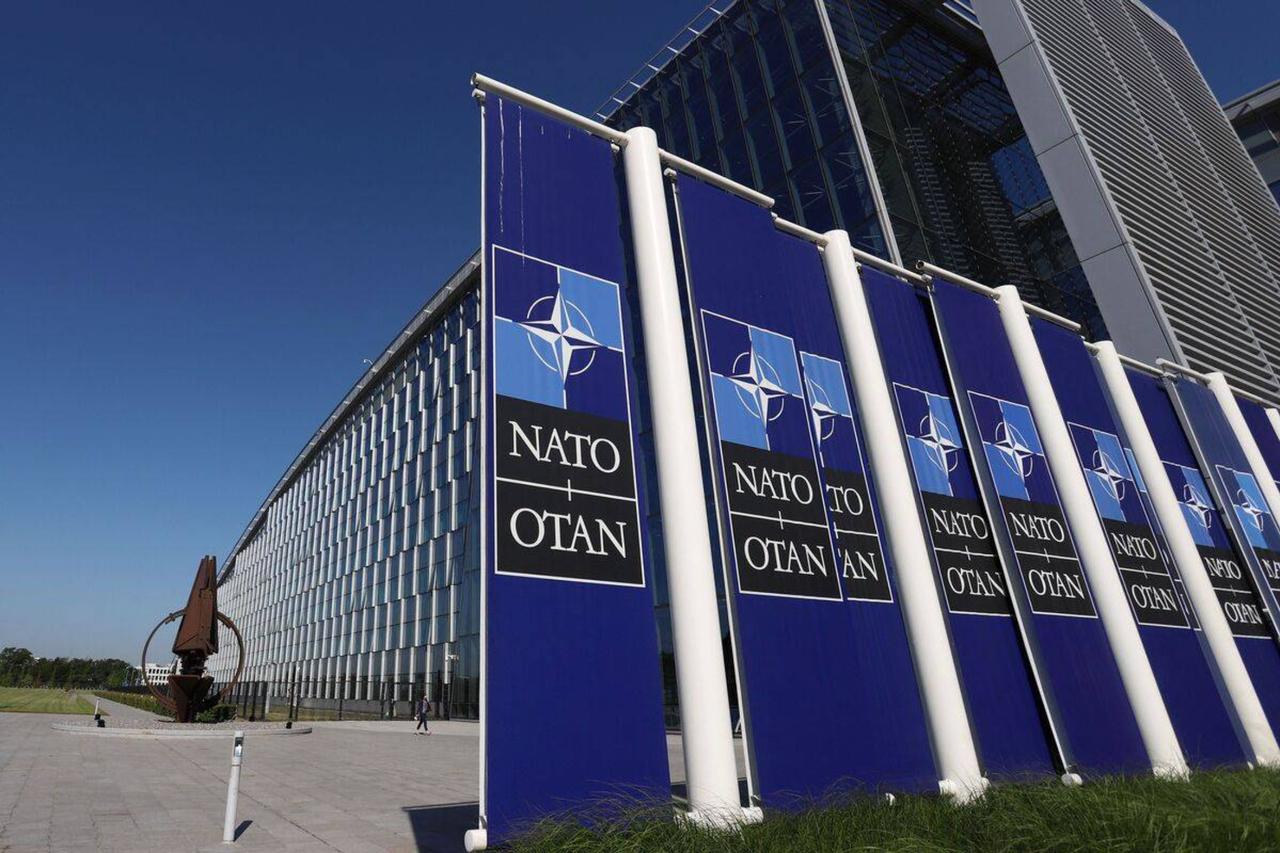
Polish Prime Minister Donald Tusk raised the question of whether the United States would honor its NATO commitments if Russia attacked an alliance member, in a Financial Times (FT) interview.
He noted that Europe's "biggest, most important" question is whether Washington is "ready to be as loyal as it is described in our NATO treaties," warning that Russia could attack "within months."
The Polish PM also urged the EU to develop Article 42.7 as a "real alliance" with practical defense tools.
Tusk framed the concerns as existential but careful.
"Europe's biggest, most important question is if the United States is ready to be as loyal as it is described in our NATO treaties. I want to believe that Article 5 is still valid, but I have some problems. I don't want to be pessimistic, but what we need today is a practical context," he told the FT.
He said that his words should not be seen as questioning Article 5 itself.
"This is not skepticism towards Article 5, if it is valid or not, but rather my dream that guarantees on paper will change into something very practical," he added.
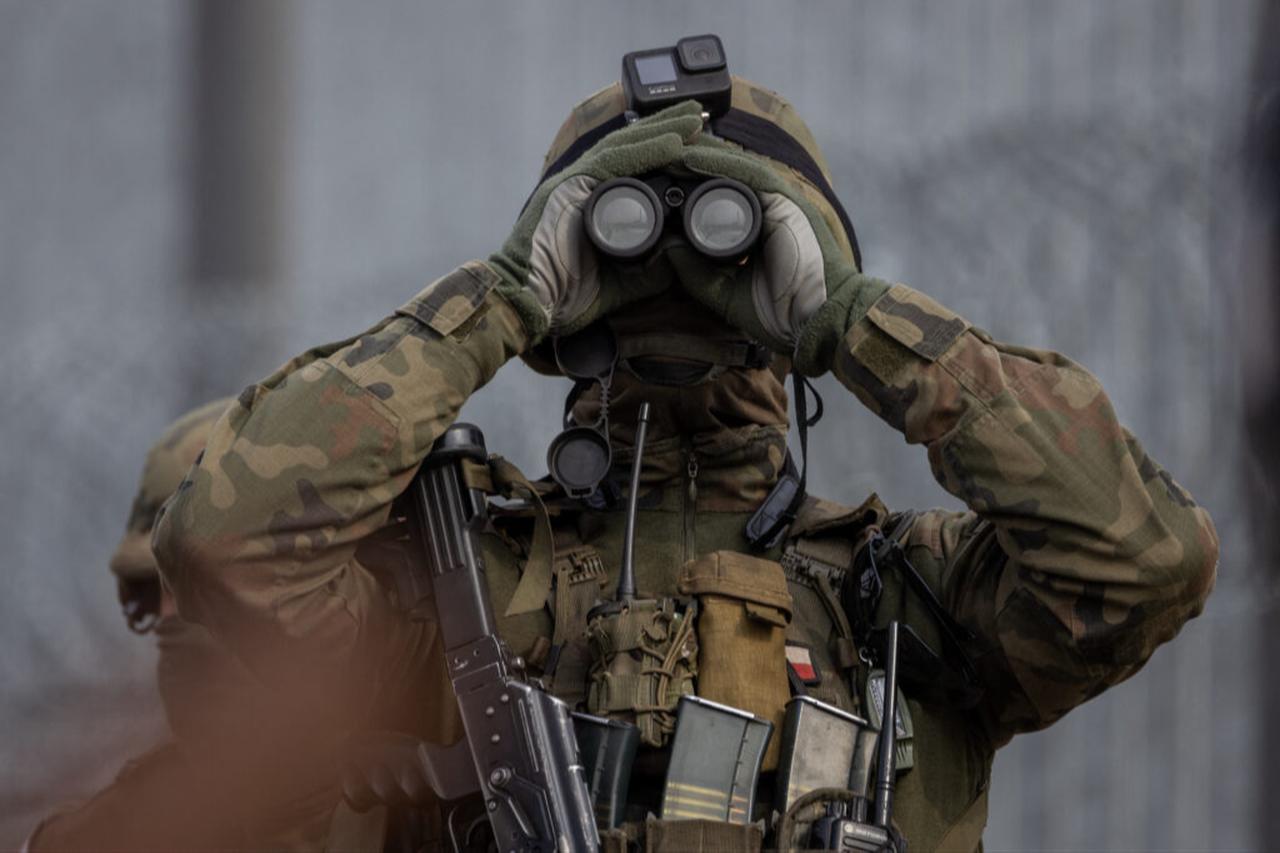

Tusk gave a stark timeline.
"This is something really serious. I'm talking about short-term perspectives, months rather than years. For the whole eastern flank, my neighbors, the question is if NATO is ready, politically and also logistically, to react, for example, against Russia if they try to attack," he said.
He cited a September incident in which approximately 20 Russian drones violated Polish airspace—an episode he described as a "well-planned provocation" that some NATO allies were reluctant to treat seriously.
"For some of our colleagues, it was much easier to pretend that nothing happened. This is why I want to be certain that if something happened, Russia knows the reaction will be tough and unequivocal," he said.
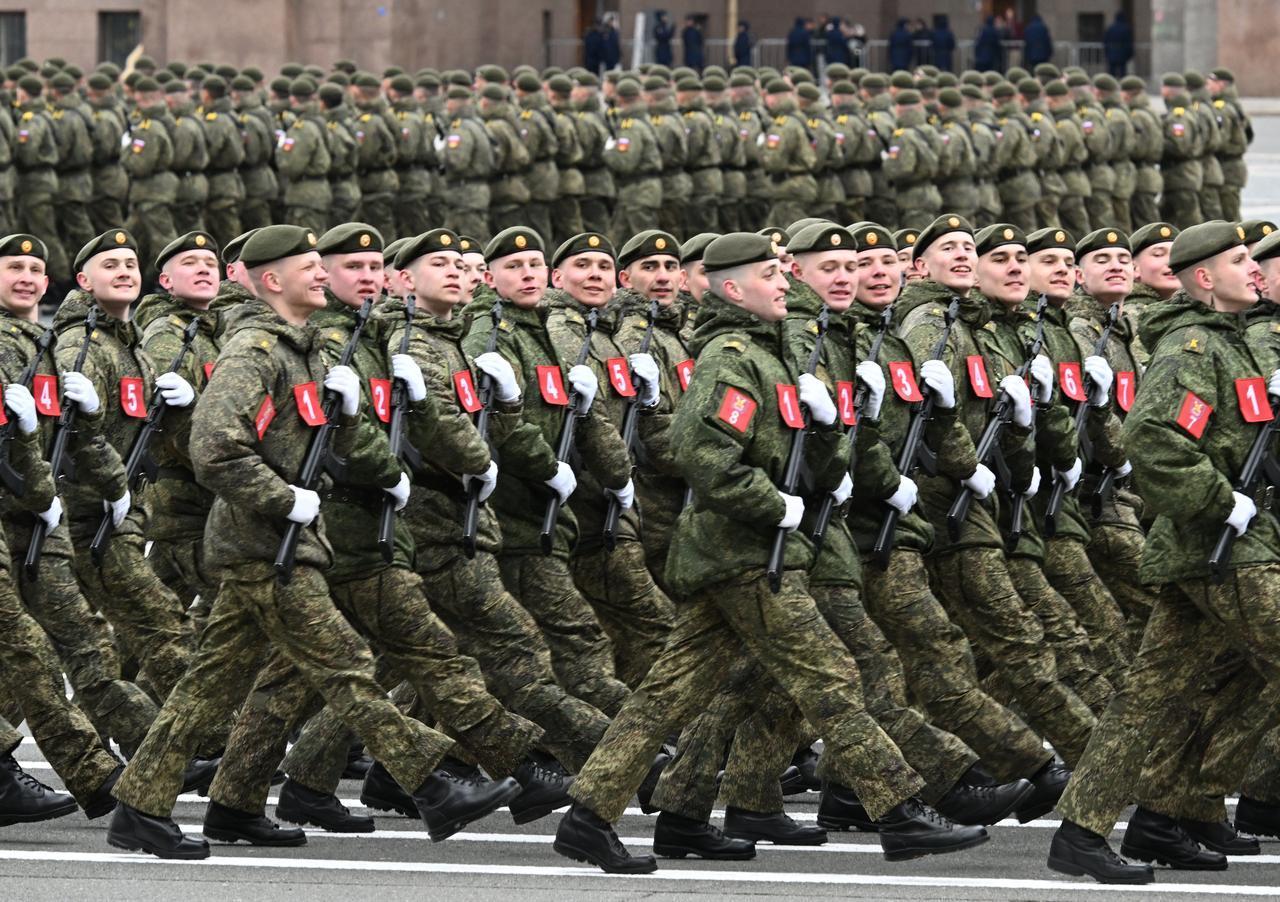
Tusk said he was not concerned about the formal U.S.-Polish bilateral relationship.
"I have no complexes about relations between Poland and the United States. Washington treats Poland as the best and closest ally in Europe. But for me, the real problem is what it is in practice if something happens," he noted.
Poland is NATO's largest spender as a share of gross domestic product (GDP), already meeting the alliance's 5% target.
Tusk called for activating Article 42.7 of the EU treaty, the bloc's own mutual defense clause, as a practical complement to NATO.
"What you need if you want to have a real alliance, not only on paper, is true tools and real power when it comes to defense instruments and mobility of militaries from country to country," he stated.
"This is why my (current) obsession and mission is to now reintegrate Europe. It means common defense, a common effort to protect our eastern borders," Tusk added.
He said the departure of Hungarian Prime Minister Viktor Orbán would make EU defense discussions easier. "The election of pro-EU conservative Péter Magyar would make Hungary a much better collaborator when it comes to defense and approach to Russia," Tusk stated.
The Polish PM's remarks came as an EU summit in Greek Cyprus discussed Article 42.7, following European Commission President Ursula von der Leyen's call this spring to bring the clause "to life."


 Set as preferred source
 Set as preferred source


 1 min read
 1 min read