Newsletters


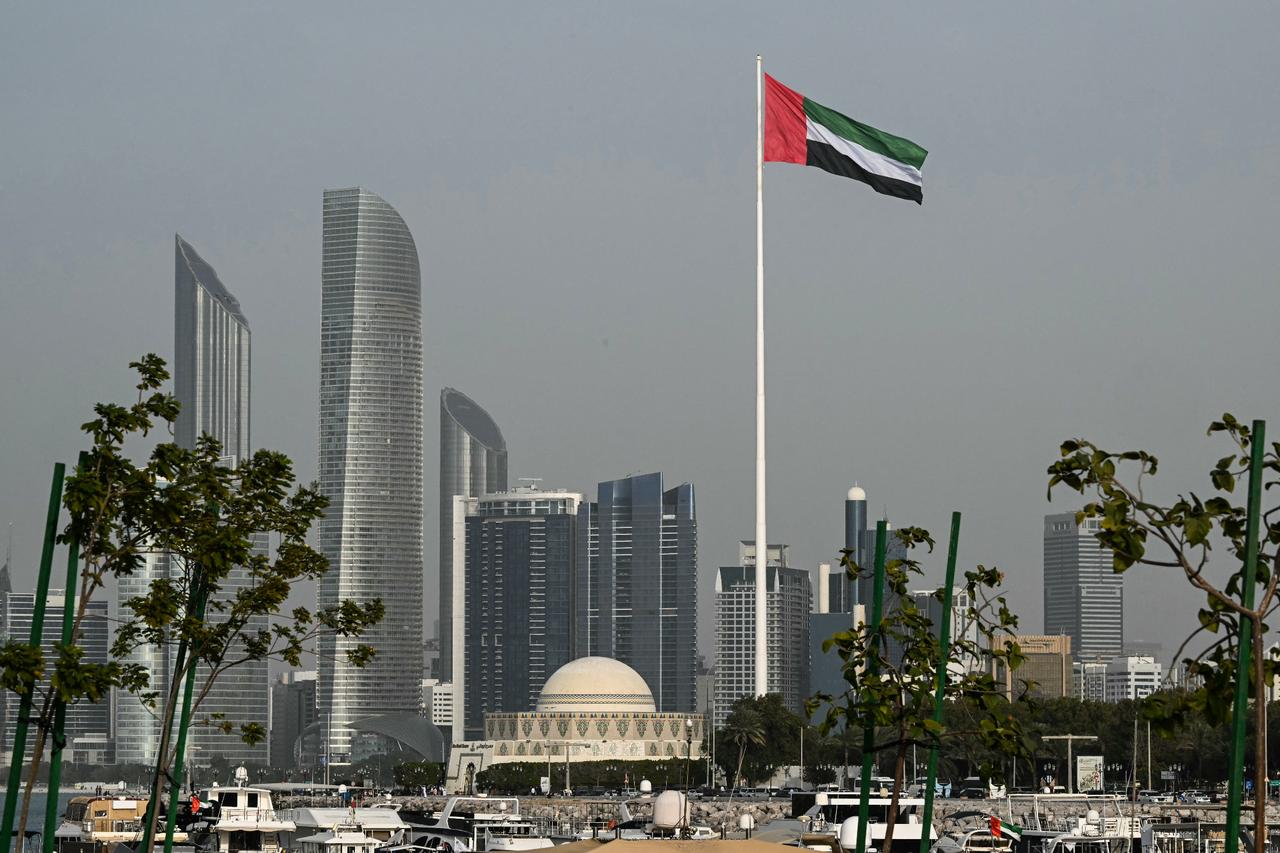


The United Arab Emirates (UAE) denied reports that it is shifting to a more offensive military posture, insisting it maintains a "defensive" stance.
The Wall Street Journal (WSJ) report claimed that the Gulf state is preparing to help the U.S. and allies reopen the Strait of Hormuz by force and is lobbying for a U.N. Security Council resolution to authorize military action.
A UAE official said in a statement that the country "remains ready to support collective international efforts aimed at safeguarding maritime security and ensuring the uninterrupted flow of commerce."
"Recent reporting suggesting a shift in the UAE's posture is misleading," the official said.
"The UAE maintains a defensive posture focused on protecting its sovereignty, its people, and its infrastructure, and reserves its right to self-defense in response to ongoing unlawful and unprovoked attacks," the official added.
The official called the Strait of Hormuz "a vital artery for the global economy" that cannot be subject to "disruption or coercion by any state."


The Wall Street Journal, citing Arab officials, reported Tuesday that the UAE is urging the U.S. and military powers in Europe and Asia to form a coalition to secure the strait by force.
"Emirati diplomats have been pressing the case across capitals," the report claimed.
The Gulf state has reviewed its military capabilities to help secure the waterway, including mine-clearing operations, which would make it the first Persian Gulf country to become a direct combatant in the conflict, according to the report.
The UAE has also said the U.S. should occupy islands in the strait, including Abu Musa, which has been held by Iran for half a century and is claimed by the UAE, Arab officials told the WSJ.
Bahrain, a close U.S. ally that hosts the Navy's Fifth Fleet, is sponsoring the U.N. Security Council resolution, with a vote expected Thursday.
Russia and China could veto the resolution, and France is proposing a different version.
Gulf officials said the UAE would still be prepared to join an effort to free the strait even if the resolution fails.
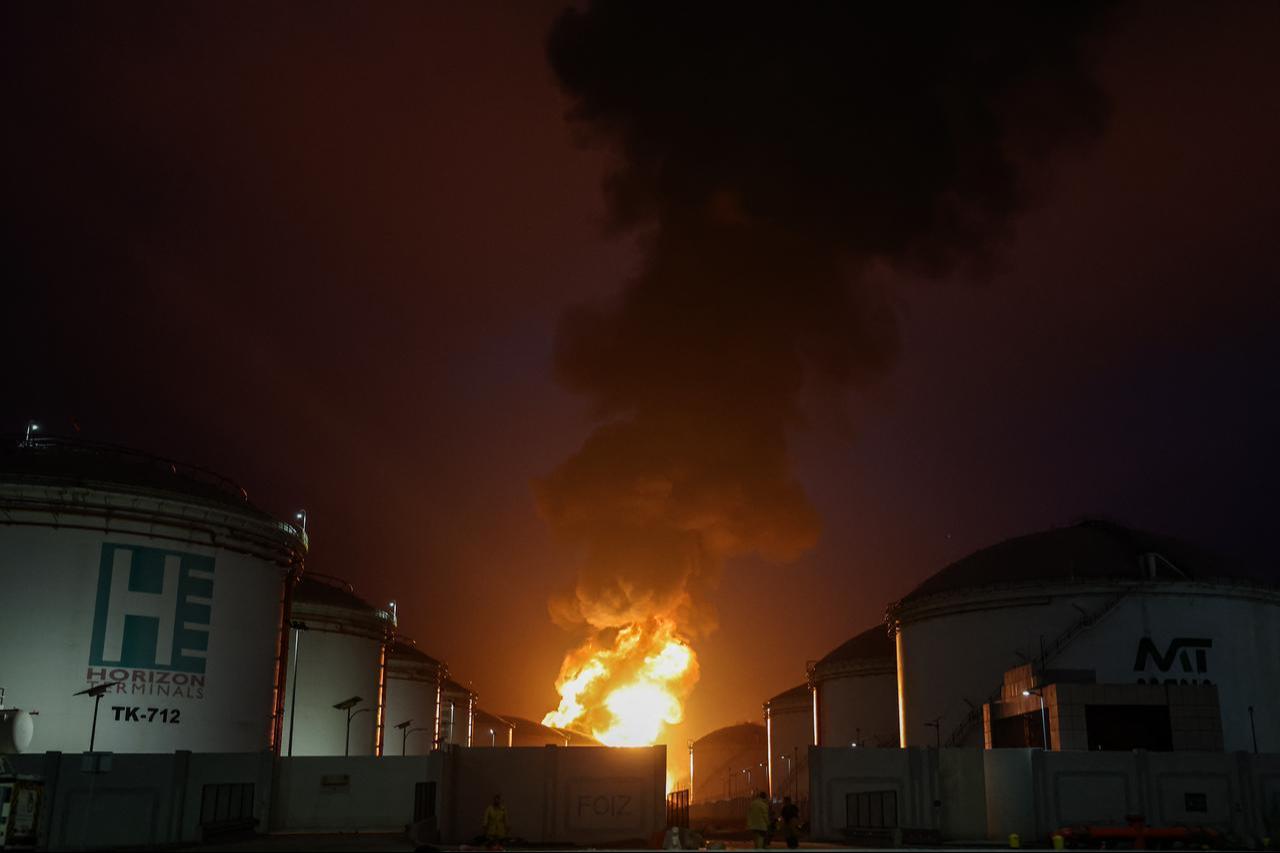
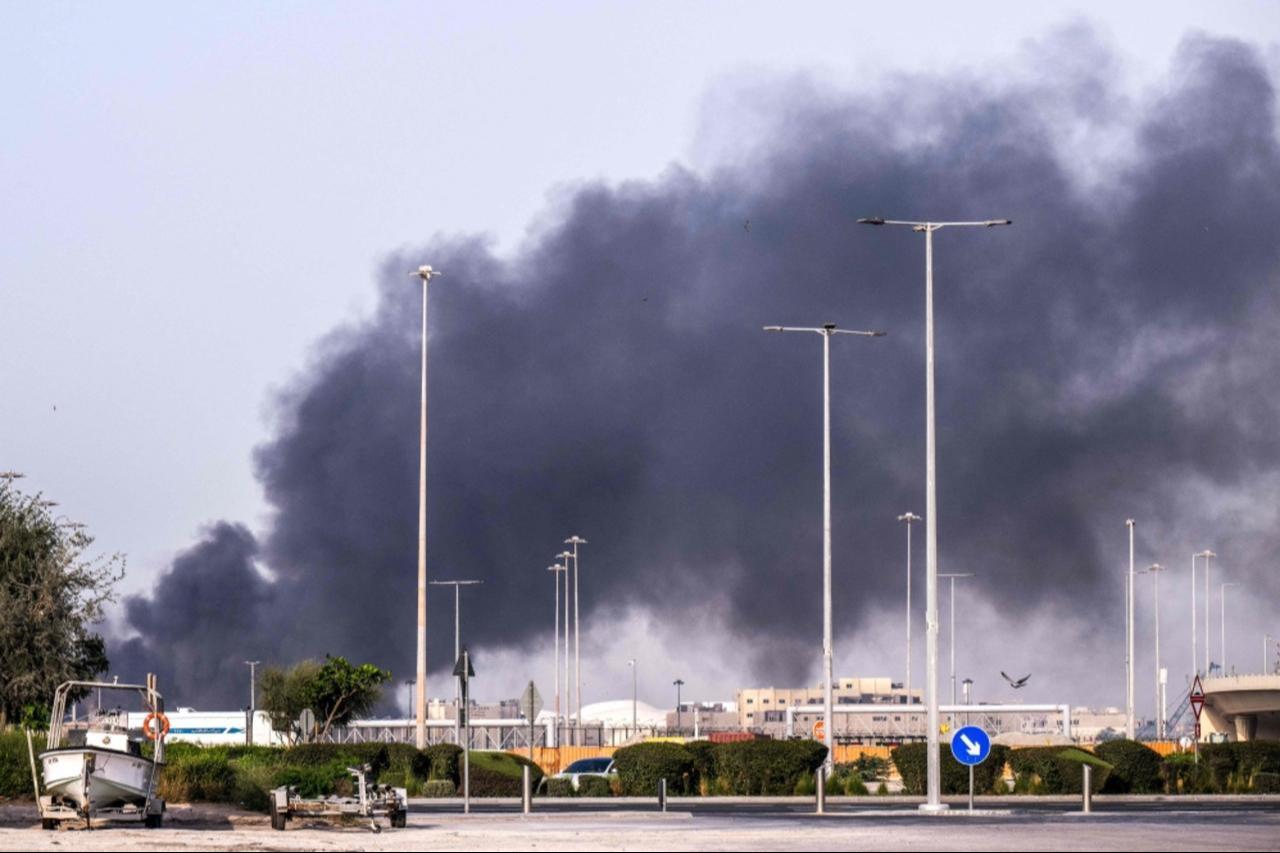
Iran has fired almost 2,500 missiles and drones at the UAE since the war began—more than it has aimed at any other country, including Israel, according to the Wall Street Journal.
The UAE's defense ministry said over 2,000 drones and more than 450 ballistic and cruise missiles have struck the country.
In further attacks on Wednesday, an Indian citizen was wounded after shrapnel fell during a drone attack in the Umm Al Quwain region, the WAM news agency reported.
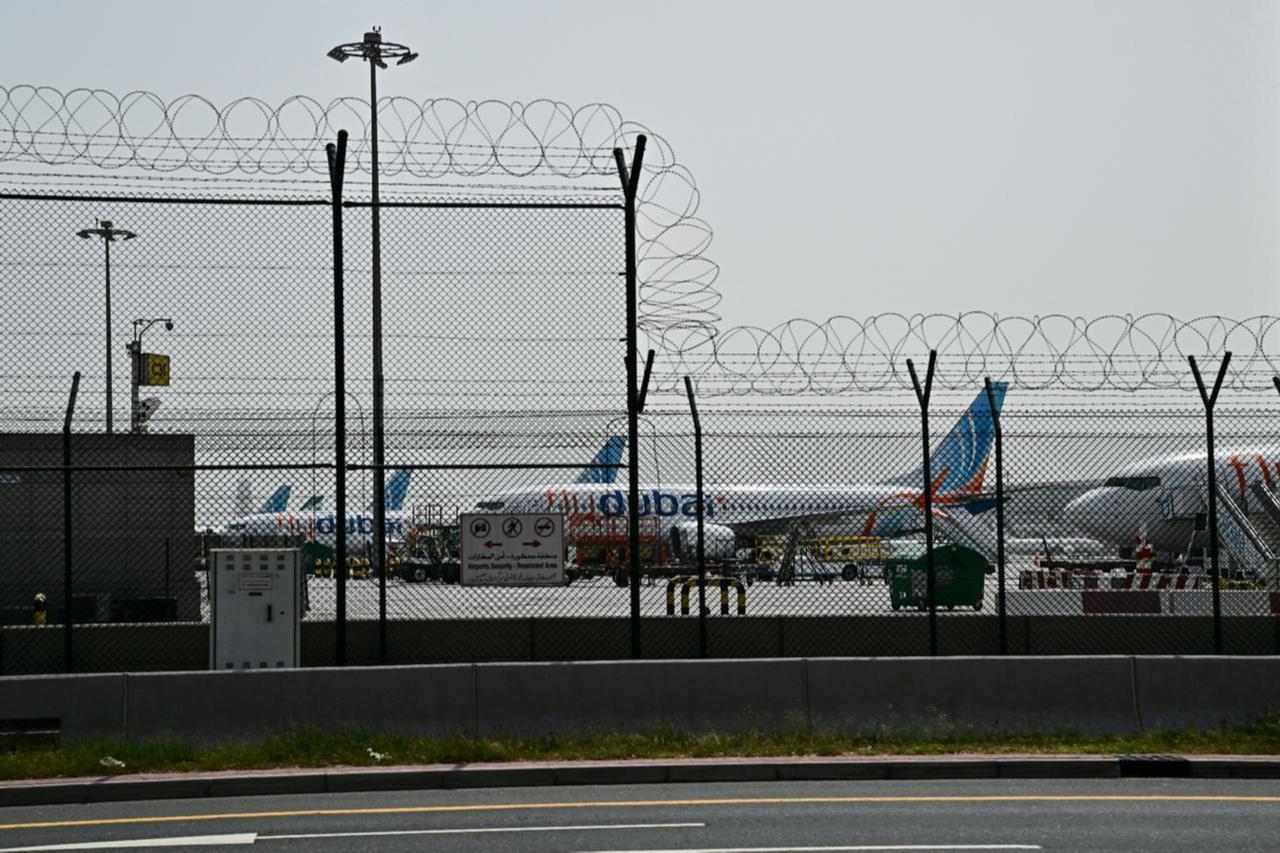
Gulf officials told the Journal that the UAE's position had fundamentally changed since the war began Feb. 28. Before the conflict, the UAE saw Iran as a difficult neighbor with a logic to its political positions. But the war "revealed a very different regime that was trying to sow panic with strikes on hotels and airports in Dubai," one official said.
The Iranian strikes have reduced the UAE's air traffic and tourism, hurt its property market and led to a wave of furloughs and layoffs, challenging what the Journal described as the country's "fundamental selling point, that it is an oasis of peace in a rough neighborhood."
The UAE has responded with tough financial measures. Emirates airline issued a notice barring Iranian nationals from entering or transiting the country.
The government closed the Iranian Hospital and the Iranian Club Dubai.
Saudi Arabia and other Gulf states are now turning against Iran's regime and want the war to continue until it is "disabled or toppled," Arab officials told the Journal, though they have stopped short of committing their militaries.
Gulf states fear any diplomatic resolution would implicitly give Iran formal oversight of the strait, including a system of tolls Tehran has insisted upon.
The Arab officials said Gulf states want Iran dislodged from control of the waterway by military action first.
Tehran warned it would destroy the vital civilian infrastructure of any Gulf state that supported an operation to seize its territory, specifically pointing to the UAE.
 1 min read
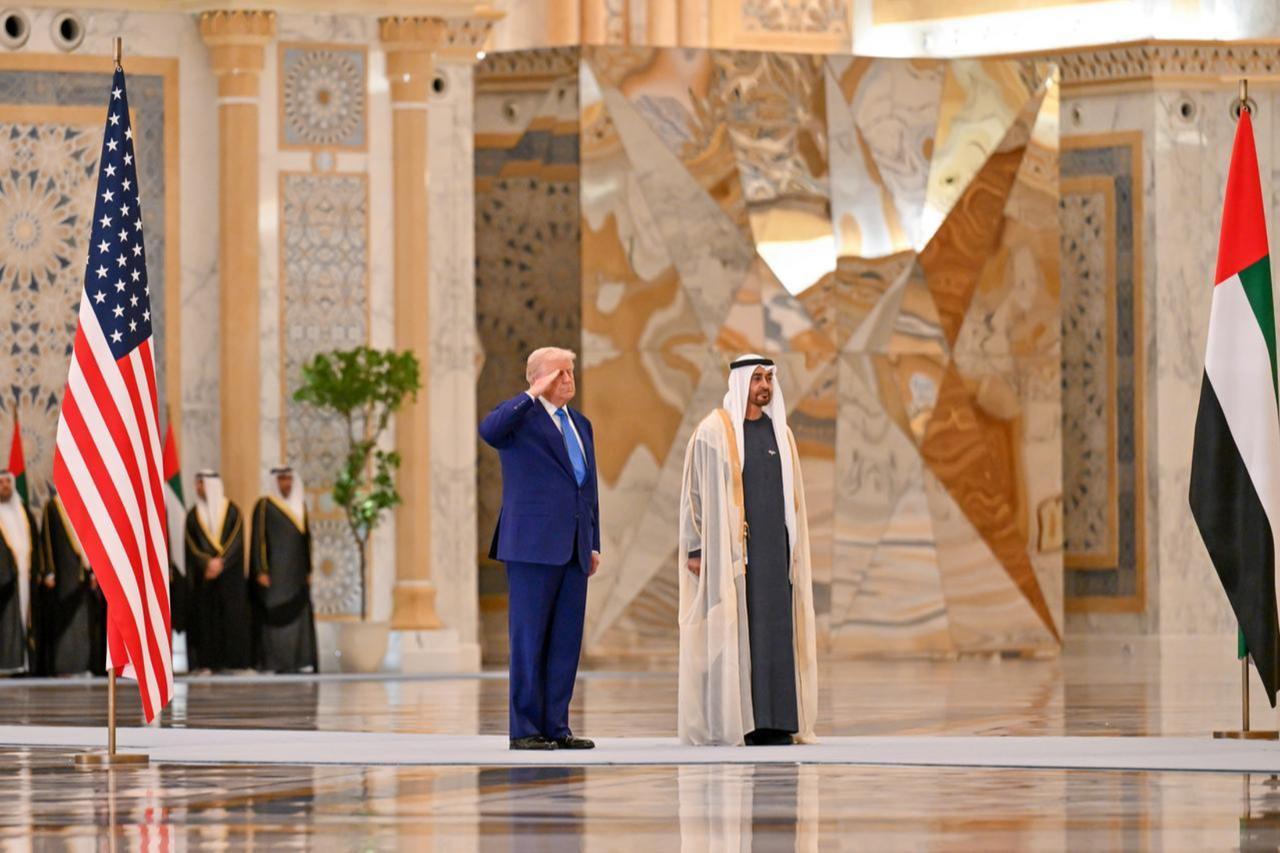
The UAE possesses bases, a deep-water port at Jebel Ali, and a location near the strait's entrance that could serve as a staging ground for a U.S.-led operation, the WSJ reported.
It also has U.S.-supplied F-16 fighters, surveillance drones and a stockpile of U.S.-supplied munitions.
About 20% of the global oil supply passes through the Strait daily. Iran announced restrictions on navigation on March 2, warning it could target vessels transiting without coordination.


 Set as preferred source
 Set as preferred source


 1 min read