Newsletters




The United Arab Emirates (UAE)'s diplomatic adviser to the president stated on Sunday that any political solution to the war must include guarantees against future Iranian aggression and Iranian reparations for attacks on civilian infrastructure.
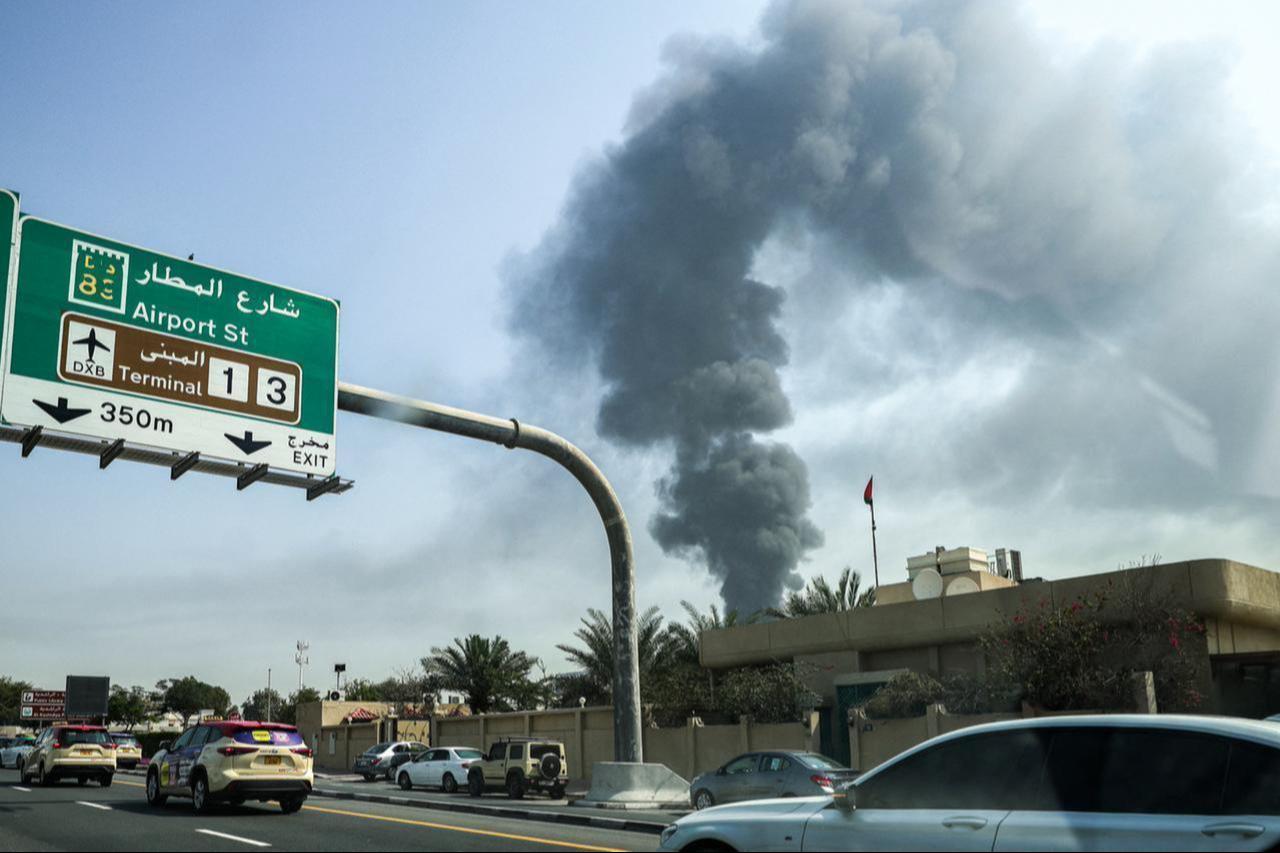
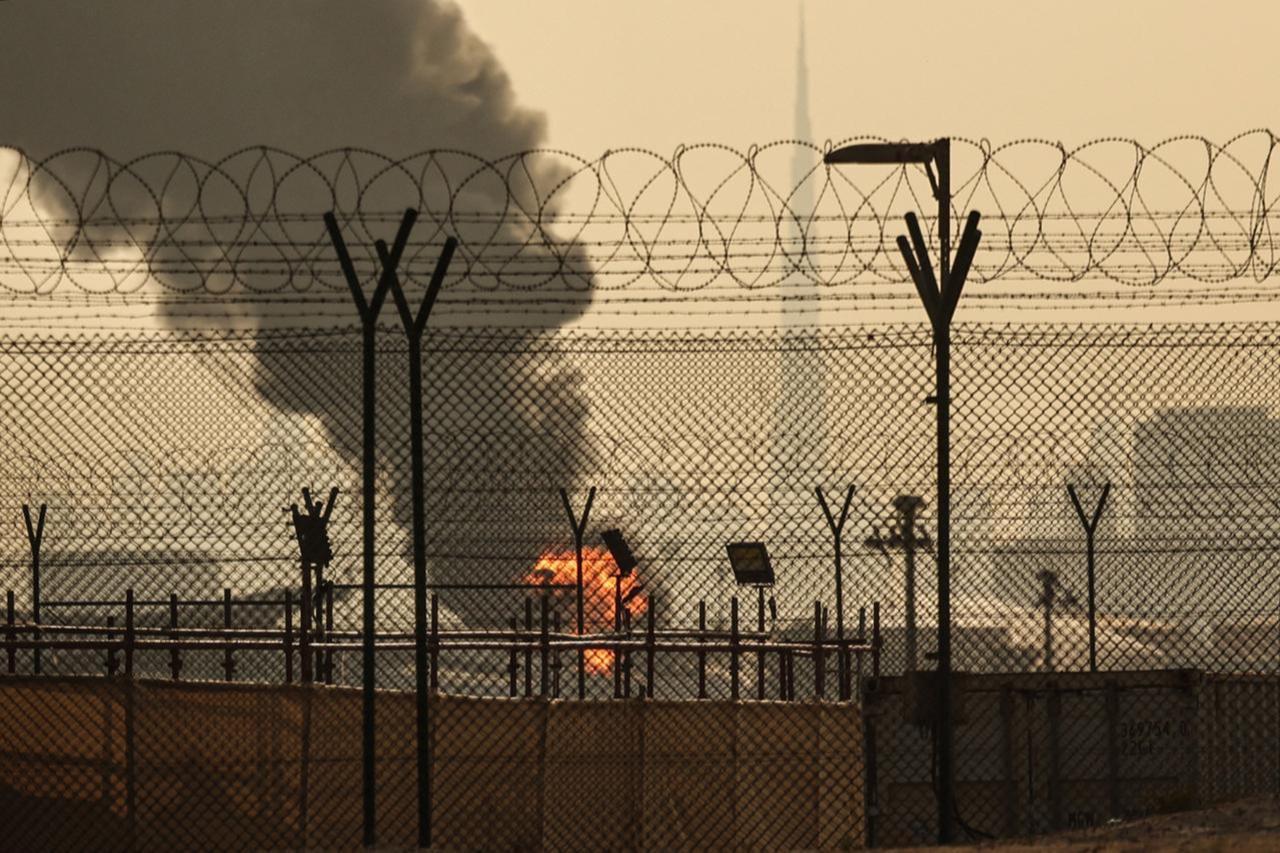
Meanwhile, UAE air defenses continue to intercept waves of ballistic missiles, cruise missiles, and drones launched from Iran, as figures show thousands killed across the Middle East since Feb. 28.

Anwar Gargash, diplomatic adviser to the UAE president, wrote on X: "Any political solution addressing the Iranian aggression against the Arab Gulf states must include clear guarantees to prevent future violations, uphold the principle of non-aggression, and mandate Iranian reparations for targeting civilian and vital facilities as well as civilians."
Gargash said Iran had misled its neighbors before the war.
"Iran deceived its neighbors about its intentions before the war and revealed premeditated aggression despite their sincere efforts to avoid it, making these two paths essential in confronting a regime that has become the primary threat to the security of the Arab Gulf," he wrote.
The UAE Defense Ministry confirmed Sunday that air defense systems continue to intercept ballistic missiles, cruise missiles and drones launched from Iran.
It said the explosions heard in different parts of the country were the result of interception operations carried out in the air.
Updated casualty figures across the region paint a devastating picture of the war's toll:
In Iran, U.S.-based rights group HRANA reported 3,461 people killed since the war began, including 1,551 civilians and at least 236 children.
The International Federation of Red Cross and Red Crescent Societies separately said at least 1,900 people have been killed and 20,000 injured in U.S.-Israeli strikes. Meanwhile, Iran’s Health Ministry stated on Sunday that 2,076 people were killed, including 216 children.
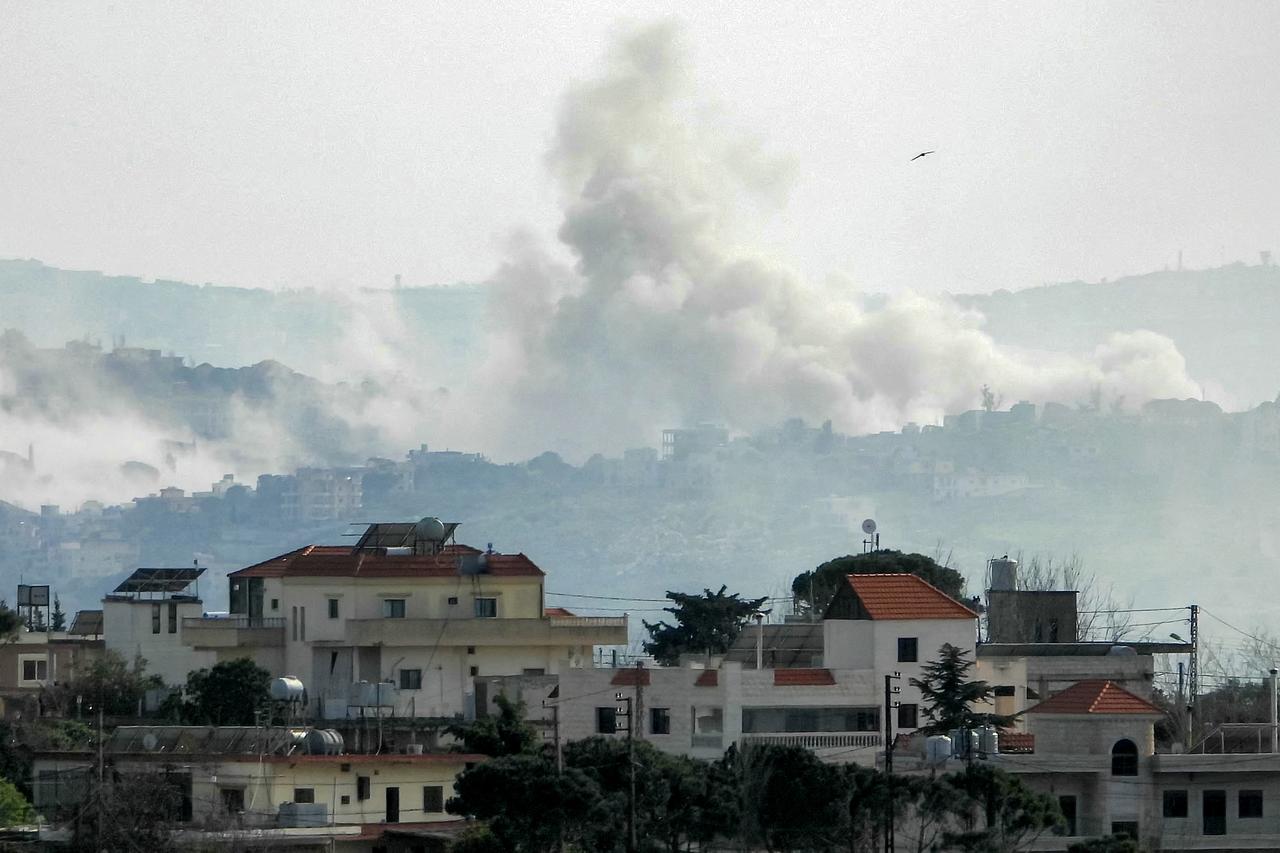
In Lebanon, authorities reported 1,189 people killed in Israeli strikes this month, including at least 124 children. Over 400 Hezbollah members have been killed since the group joined the war with Israel on March 2, according to Reuters.
In Iraq, at least 100 people have been killed since the start of the crisis, according to Iraqi health authorities. One foreign crew member was also killed in an attack on tankers near an Iraqi port.
In Israel, missiles from Iran and Lebanon have killed 19 people, according to the country's ambulance service. The Israeli military said four of its soldiers were killed in southern Lebanon. Israeli forces also misfired and killed an Israeli farmer near the Lebanon border on March 22.
In the UAE, 10 people have been killed in Iranian attacks, including two army soldiers.
In Qatar, seven people were killed in a helicopter crash in Qatari territorial waters; four were Qatari armed forces personnel, one a Turkish serviceman, and two Aselsan technicians.
In Kuwait, six people have been killed. In Bahrain, two people were killed in two separate Iranian attacks. In Oman, two people were killed in a drone strike on an industrial zone in Sohar province, and one person died when a projectile hit a tanker off the Muscat coast.
In Saudi Arabia, two people were killed when a projectile struck a residential location in Al Kharj city, southeast of Riyadh.
In Syria, four people were killed when an Iranian missile struck a building in Sweida.
In the Israeli-occupied West Bank, four Palestinian women were killed in an Iranian missile attack. In Gaza, attacks continued with at least nine Palestinians killed in Israeli strikes over two days.
One French soldier was killed, and six others were wounded in a drone attack in northern Iraq, where they were providing counterterrorism training.
The U.S. military death toll stands at 13 service members.


 Set as preferred source
 Set as preferred source


 1 min read
 1 min read