Newsletters


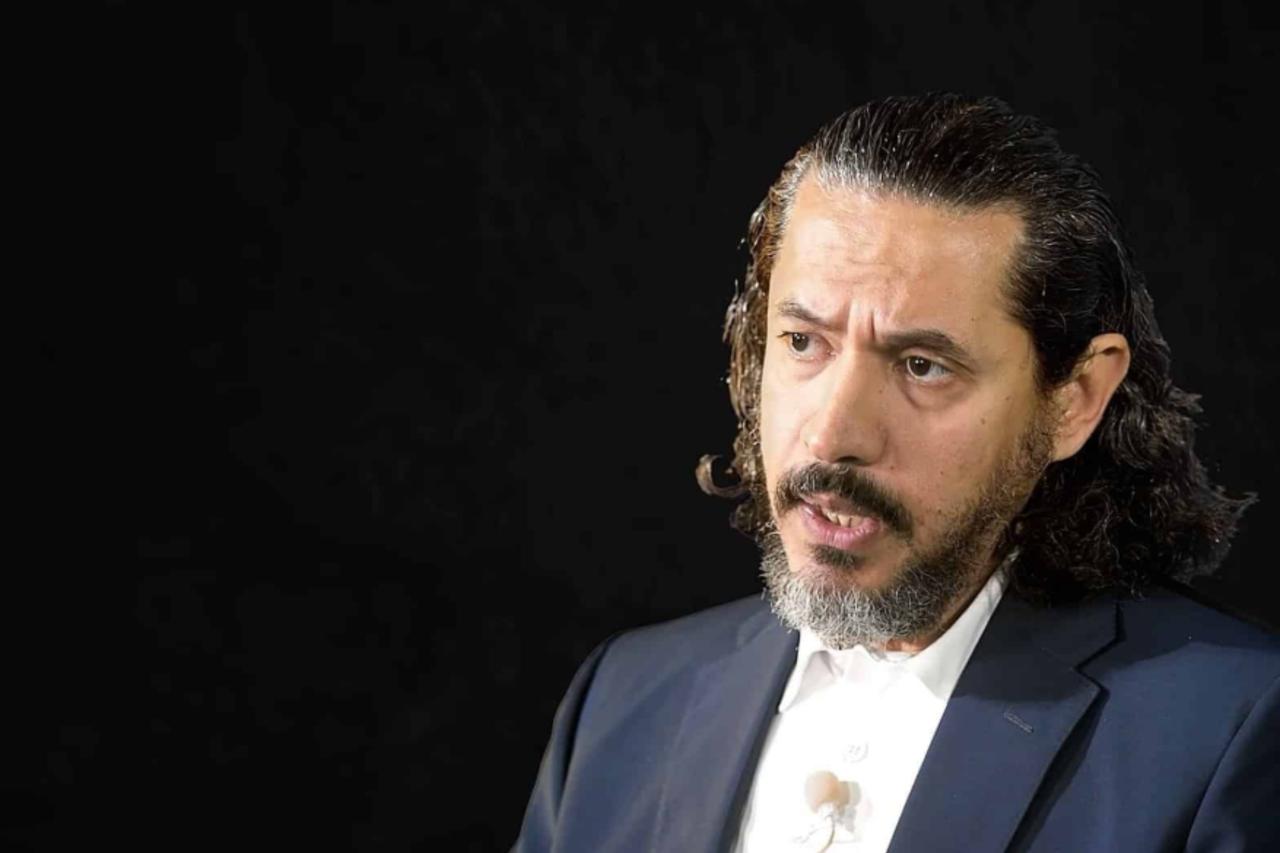


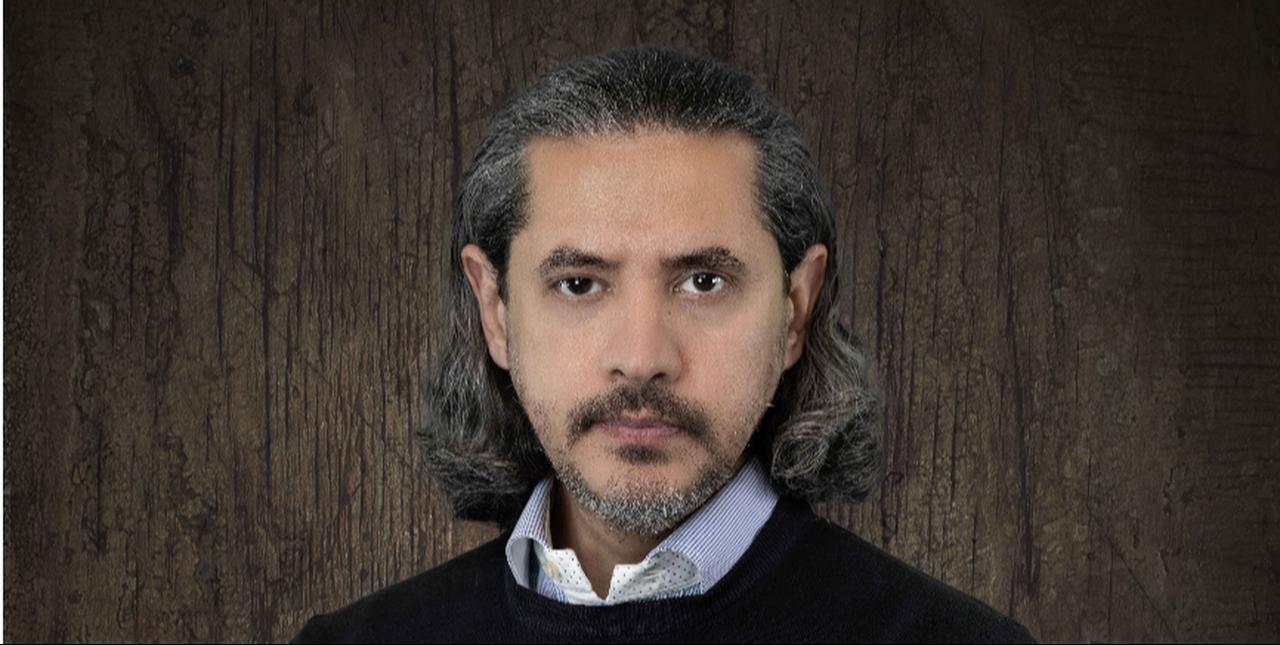
Egyptian-Turkish poet and opposition figure Abdulrahman Yusuf al-Qaradawi remains detained in the UAE, human rights organizations announced, warning that his case reflects a widening pattern of cross-border repression.
Al-Qaradawi is an Egyptian-Turkish poet who was living and working in Türkiye. He is the son of the late prominent Egyptian Islamic scholar Yusuf al-Qaradawi.
Egyptian authorities sentenced al-Qaradawi in absentia in 2017 to five years in prison on charges including spreading false news, in a politically motivated case.
Abdulrahman al-Qaradawi’s detention came after he made comments critical of Emirati, Saudi Arabian and Egyptian authorities.
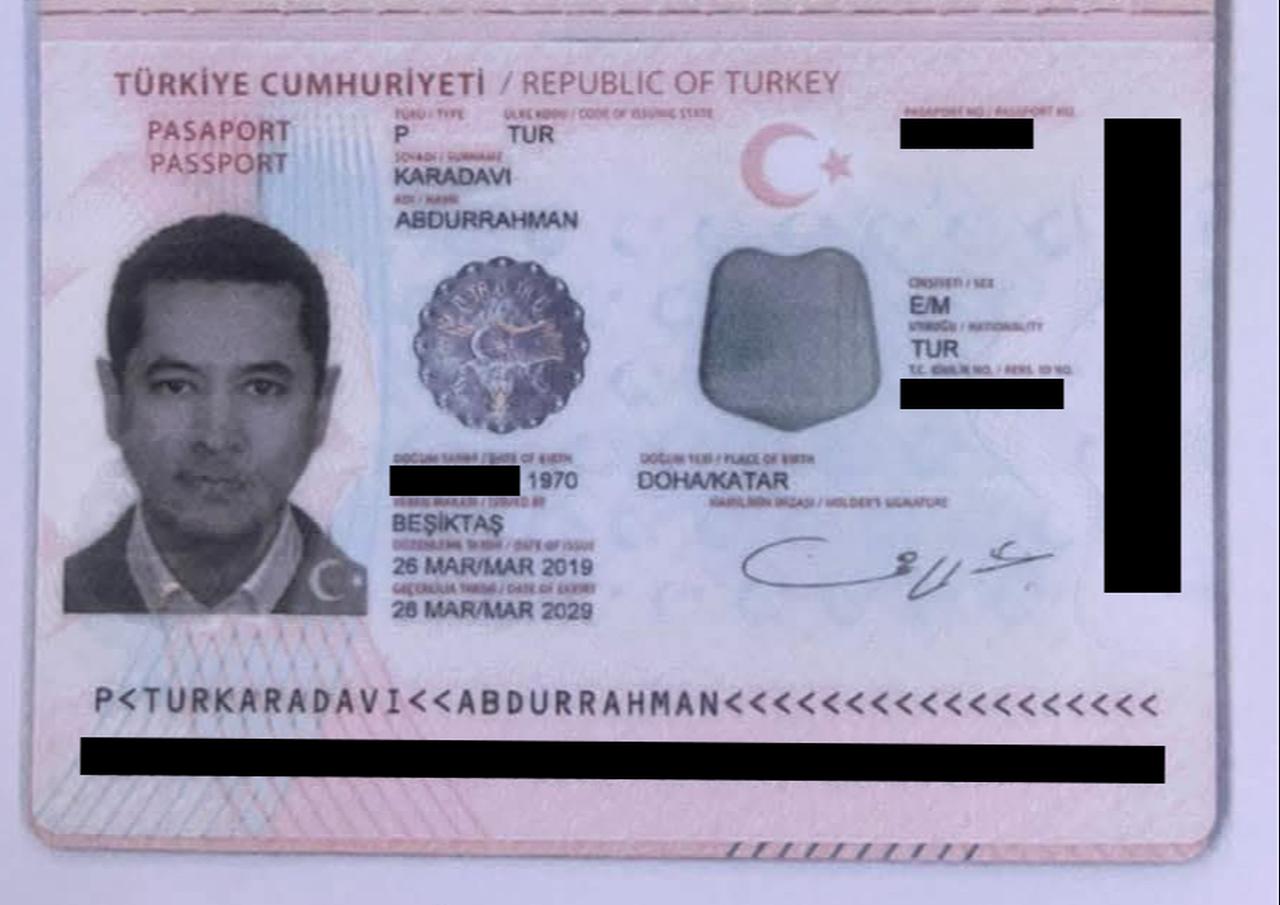

According to the Egyptian Initiative for Personal Rights, Lebanese authorities detained al-Qaradawi on Dec. 28, 2024, following an extradition request from the United Arab Emirates linked to his political views.
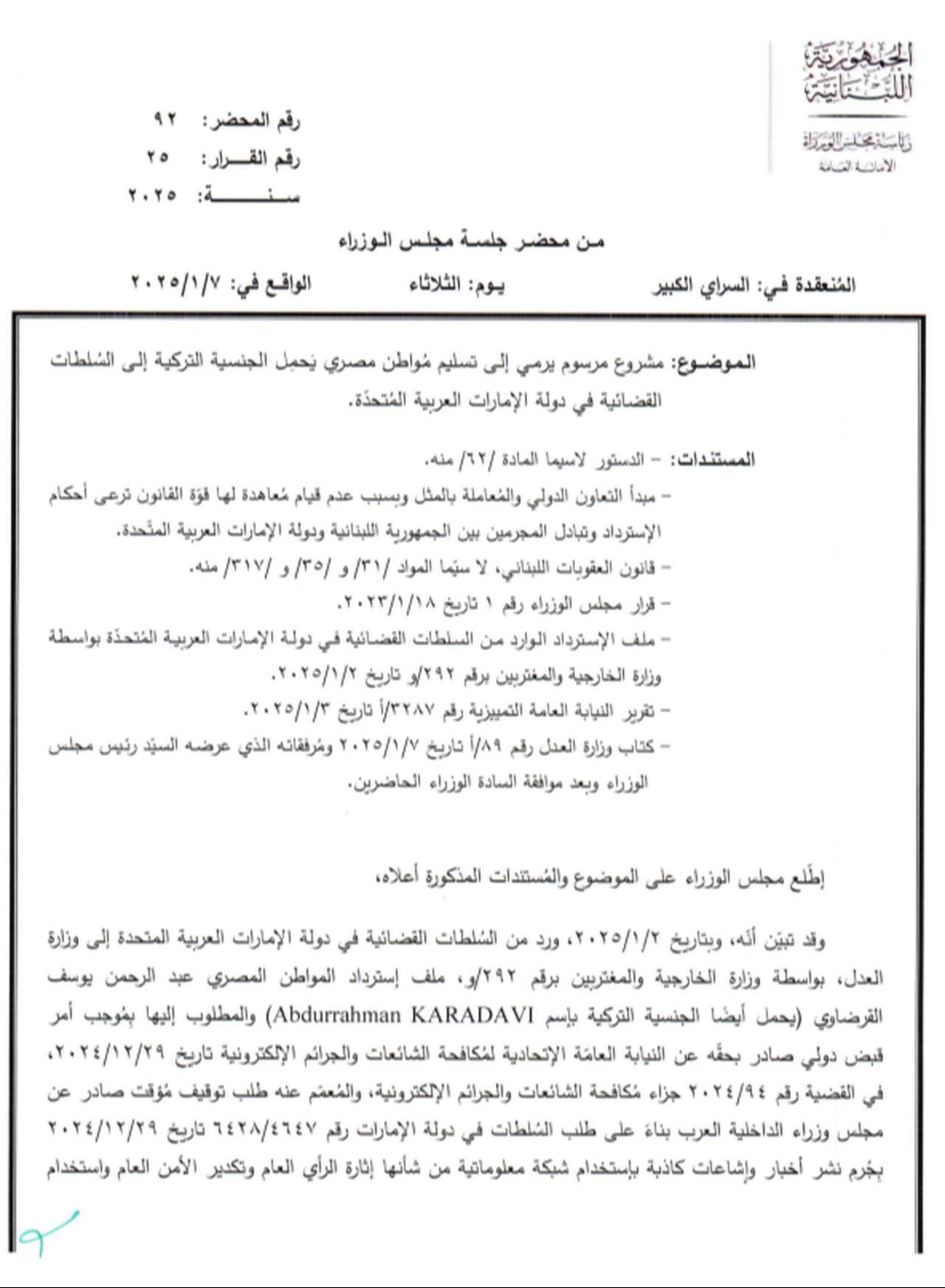
Lebanon’s Cabinet then moved on Jan. 8, 2025, to forcibly extradite him to the UAE despite warnings about possible abuse.
Amnesty International said that Lebanese security forces arrested al-Qaradawi at the Masnaa border crossing with Syria. Lebanese authorities later accepted an Emirati extradition request, citing charges including spreading fake news and disturbing public security.
The charges stem from a video he posted in Syria criticizing Egyptian, Emirati and Saudi authorities.
According to the statement, contact between al-Qaradawi and his family and lawyers has been almost entirely cut off since the extradition, with only two brief family visits allowed in March and August 2025, each said to have lasted around 10 minutes and taken place in an undisclosed location.
The signatories said Emirati authorities have not disclosed his location, legal status, or any proceedings against him, circumstances they described as an ongoing case of enforced disappearance.
In their statement, the signatories described the extradition as a breach of the principle of non-refoulement, the prohibition on transferring a person to a place where they face a real risk of torture or other serious harm.
They pointed to a legal challenge filed the same day as the extradition, saying al-Qaradawi’s lawyer appealed the deportation order to Lebanon’s State Council.
The statement added that the lawyer was later notified on Oct. 23, 2025, of a State Council decision rejecting the appeal.
According to Amnesty International, if extradited to Egypt, Abdulrahman al-Qaradawi would be at real risk of enforced disappearance, torture and other ill-treatment, and an unfair trial leading to prolonged unjust imprisonment.
The organizations also referenced an urgent communication sent to the Lebanese government on Jan. 6, 2025, by U.N. Special Procedures mandate holders, warning that extradition could expose al-Qaradawi to risks including torture or ill-treatment, enforced disappearance, arbitrary detention and due process violations if sent to Egypt or the UAE.
They also cited family reports alleging he is held in harsh conditions, including prolonged solitary confinement, limited communication, restricted visits, and denial of personal belongings, conditions they said have harmed his psychological well-being.
While the statement focuses on Emirati responsibility, it also assigns direct responsibility to Lebanese authorities for proceeding with deportation despite foreseeable risks.
It describes extraditing a dissident to a third country as a dangerous precedent for the safety of exiled activists.
The organizations further noted that al-Qaradawi is an Egyptian national who holds Turkish citizenship and voiced concern about what they called a 'limited public' role by Turkish authorities so far.
The organizations warned that extraditing him to a third country, the UAE, constitutes a dangerous precedent that poses a direct threat to the safety of dissidents and human rights defenders in exile.


 Set as preferred source
 Set as preferred source


 3 min read