Newsletters


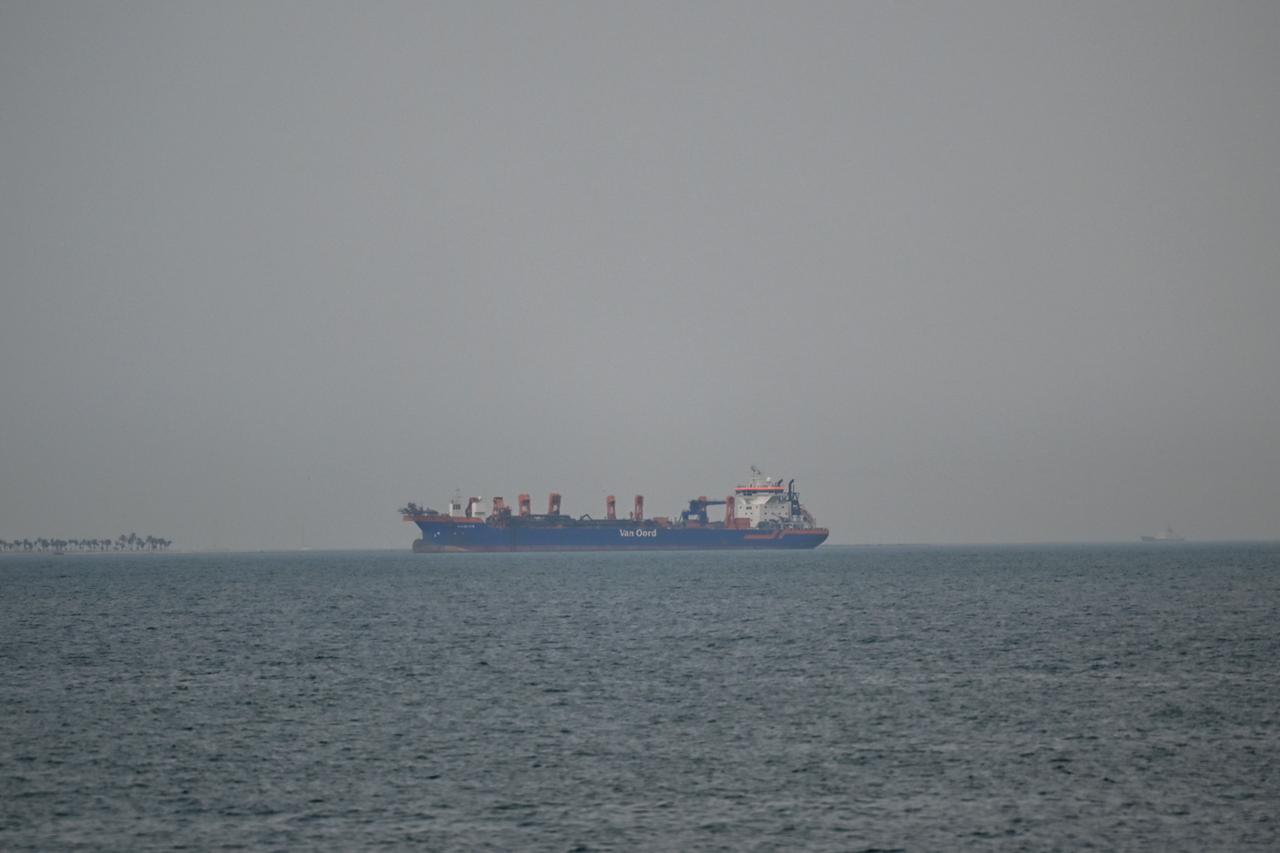


Tehran’s blockade of the strategic Strait of Hormuz amounts to economic warfare “not just against the region, but against the United States as well,” a senior United Arab Emirates official said, according to NBC News.
“You will see that impact not only on petrol prices, but you will see it impact grocery bills. You will see it impact the general cost of living around the world,” Ambassador Lana Nusseibeh, minister of state at the UAE’s Foreign Ministry, said in an interview in Abu Dhabi, NBC News reported.
“That’s why the U.N. Security Council has determined it is an issue of international peace and security, and it must stop,” she added.
Separately, Iran is considering allowing a limited number of oil tankers to pass through the Strait of Hormuz on the condition that cargo is traded in Chinese yuan, a senior Iranian official told CNN.
The official said the possible move is part of Tehran’s plan to manage the flow of oil tankers through the strategic waterway.
Global oil is predominantly traded in U.S. dollars, except for sanctioned Russian oil, which is priced in rubles or yuan, CNN reported. China has sought for years to expand the use of the yuan in oil transactions, though the dollar remains the world’s primary reserve currency.

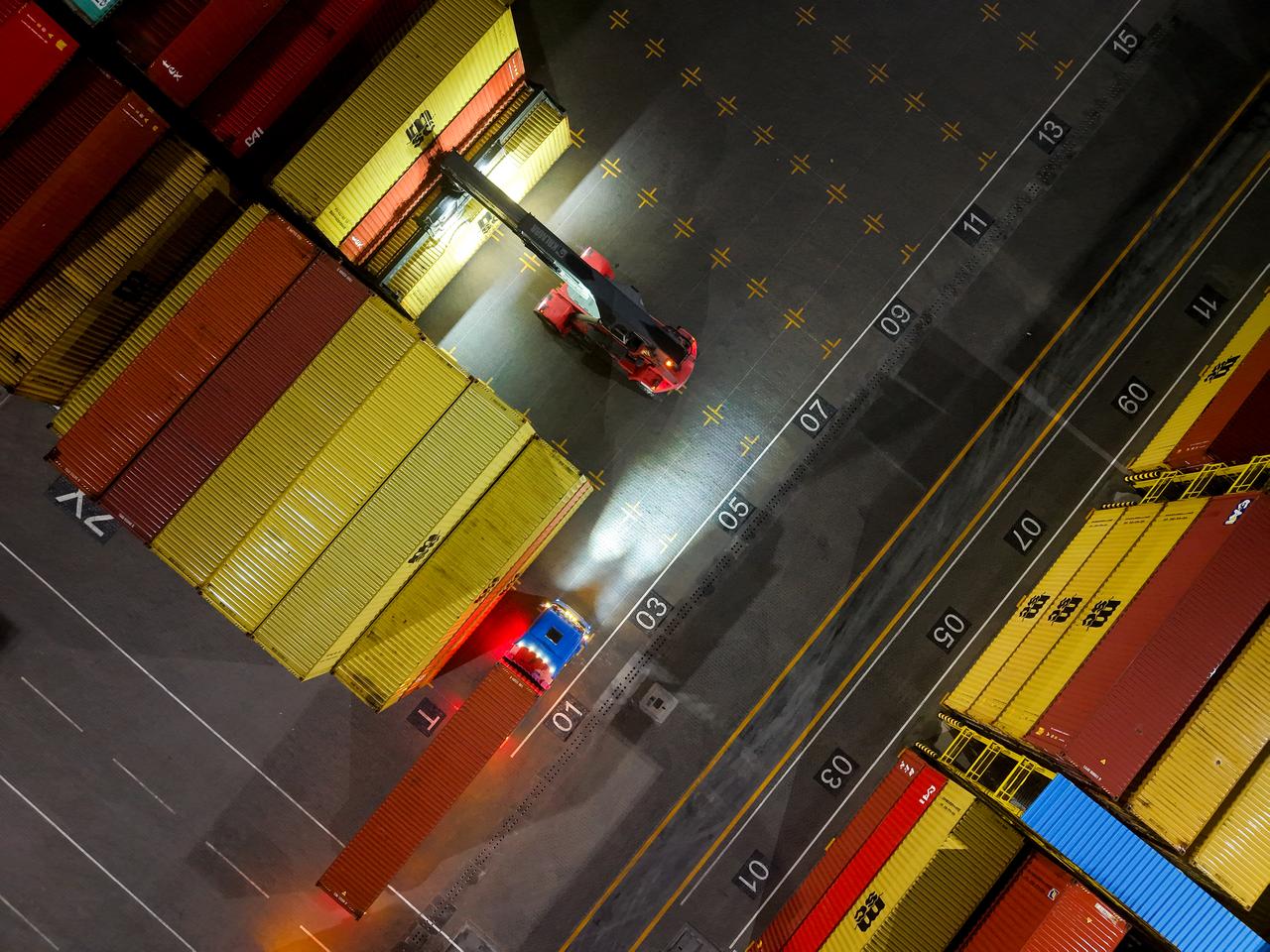
The United Nations humanitarian chief on Friday urged that humanitarian cargo be allowed to pass safely through the Strait of Hormuz, warning that disruptions in the key waterway could severely affect global aid operations.
“Humanitarian supply chains are fragile. When routes close and costs surge, the help we can deliver shrinks—and the people who need it most are the ones who lose it first,” Tom Fletcher, the U.N. undersecretary-general for humanitarian affairs and emergency relief coordinator, said in a statement.
“So my message to the parties to the conflict and all those with influence over them is simple: humanitarian cargo must be allowed to pass safely through the Strait of Hormuz,” he added.
Fletcher warned that the consequences of the U.S.-Israeli war with Iran extend beyond the Middle East, affecting markets, shipping routes, and food prices worldwide.
Fuel prices have surged, raising global shipping costs, while flight and maritime disruptions have slowed the movement of humanitarian personnel and goods, putting critical supplies at risk of delays of up to six months, he said.
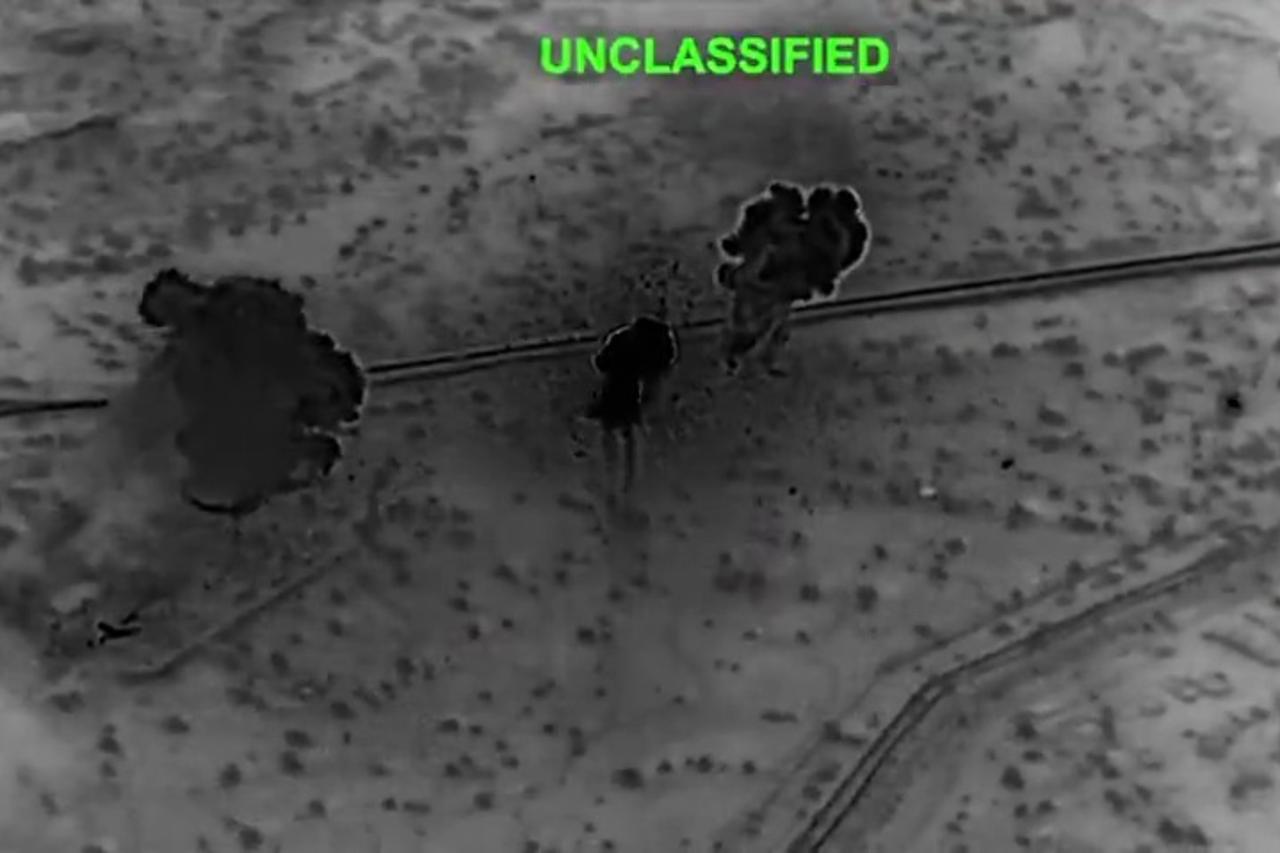
Since Israel and the United States launched attacks on Iran on Feb. 28, about 1,300 people have been killed, including then-Supreme Leader Ali Khamenei, according to Iranian authorities. Hostilities have since escalated.
Iran has retaliated with drone and missile strikes targeting Israel, Jordan, Iraq, and Gulf countries hosting U.S. military assets.
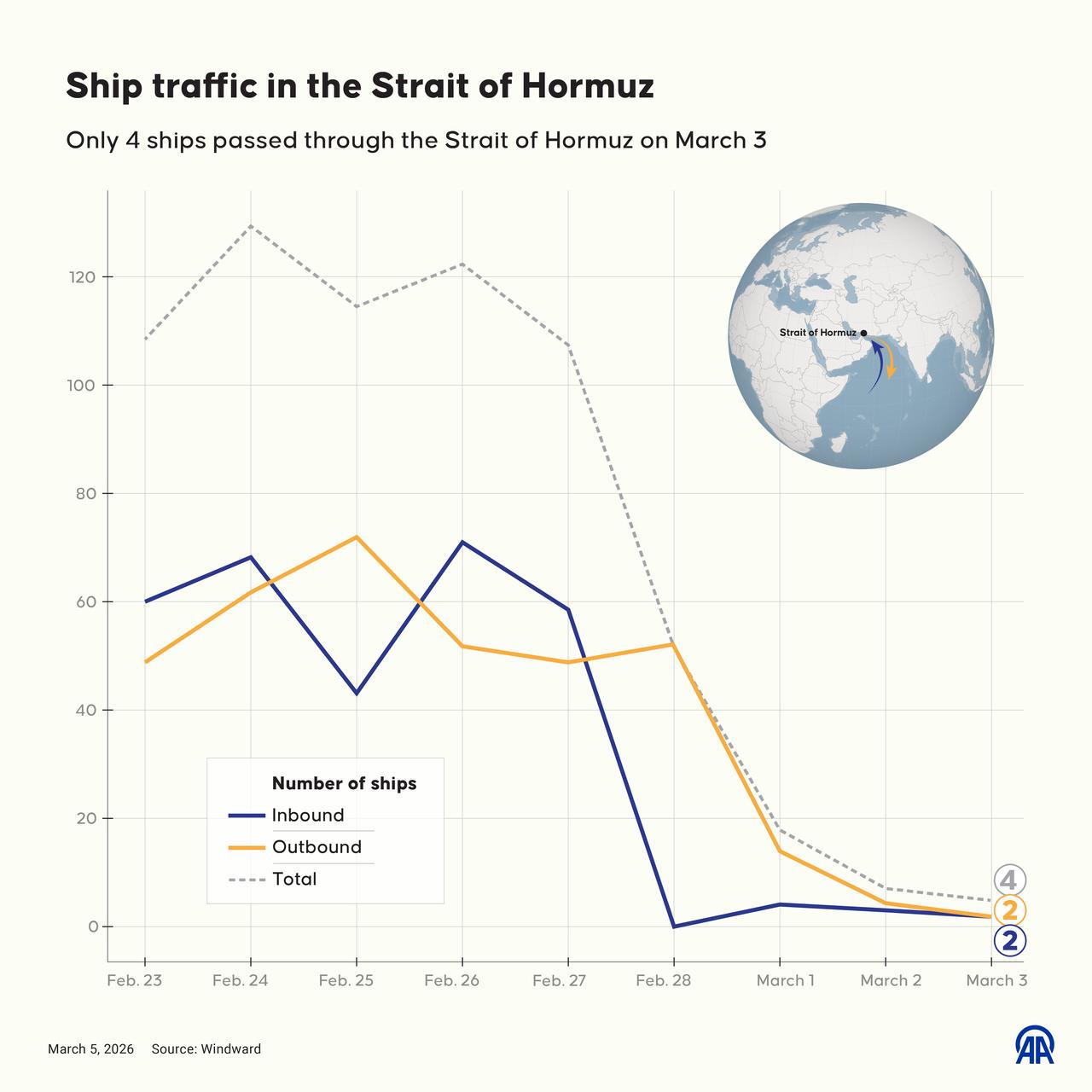
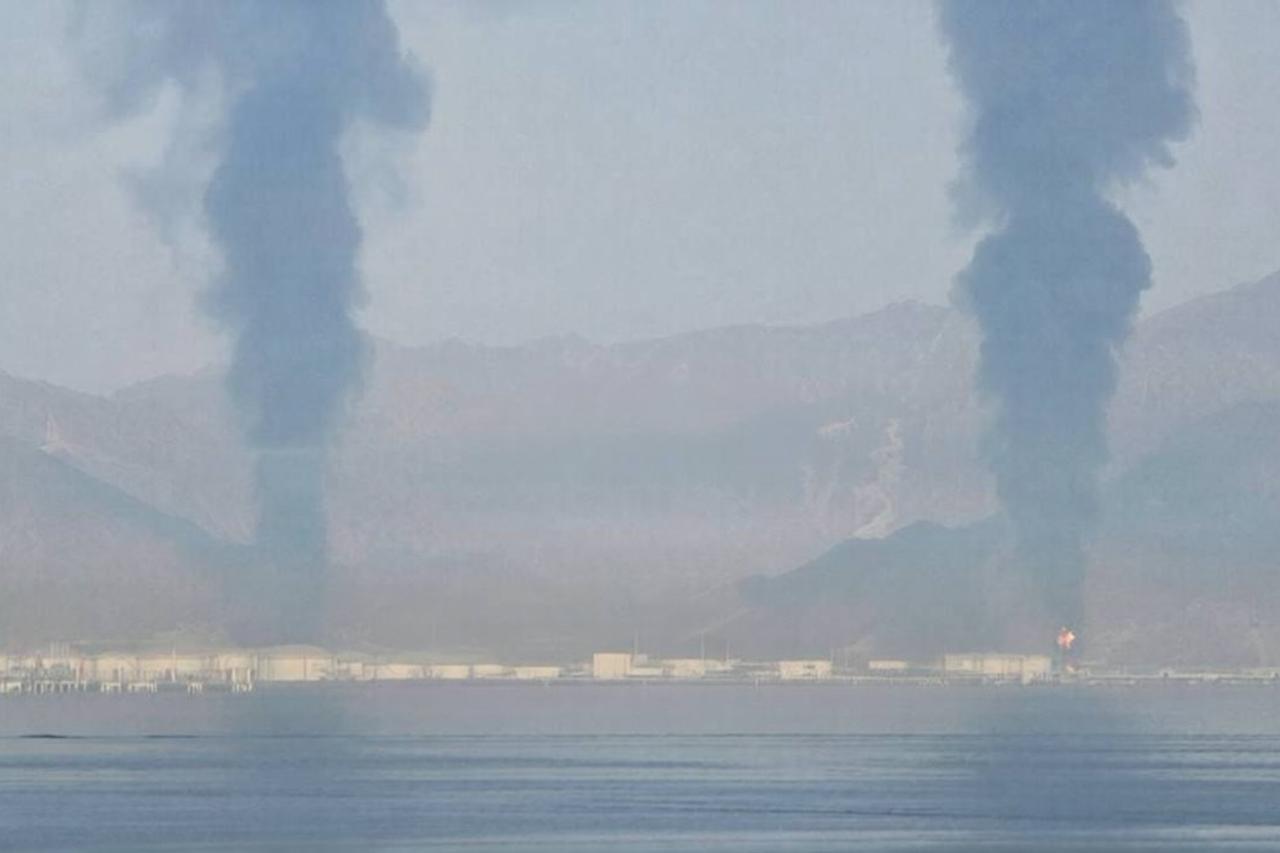
Tehran has effectively closed the Strait of Hormuz since around March 1.
Concerns about disruptions in the strait, a key route for the world’s energy supply, have pushed oil prices to their highest levels since July 2022, following the start of the Russian-Ukrainian conflict earlier that year.
The Strait of Hormuz carries about 20 million barrels of oil per day and roughly 20% of the global liquefied natural gas trade.
The United Nations warned Friday that restrictions on shipping through the strait could have a “massive impact” on humanitarian operations in the region.


 Set as preferred source
 Set as preferred source


 1 min read
 1 min read