Newsletters




U.S. President Donald Trump stated on Saturday that Iran has been "totally defeated" and wants a deal he would not accept, while announcing on Friday that U.S. Navy escorts for oil tankers through the Strait of Hormuz would begin "soon" and warning of strikes on Iran's oil infrastructure if the waterway remains blocked.
 Breaking News, Direct to You.
 Follow Türkiye Today on WhatsApp
for real-time updates and key insights from Türkiye and beyond.
Follow Türkiye Today on WhatsApp
for real-time updates and key insights from Türkiye and beyond.
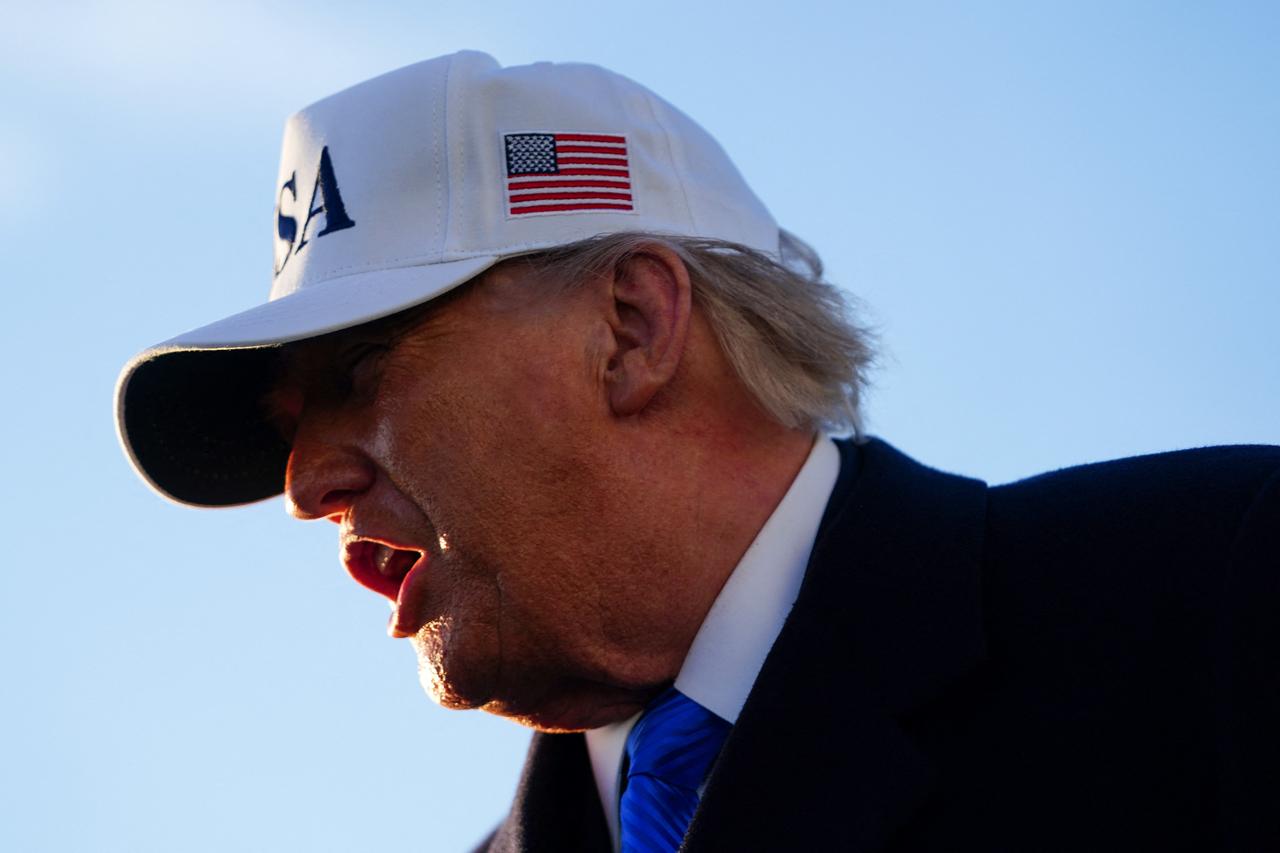
"The Fake News Media hates to report how well the United States Military has done against Iran, which is totally defeated and wants a deal — But not a deal that I would accept!" Trump wrote on his Truth Social platform.
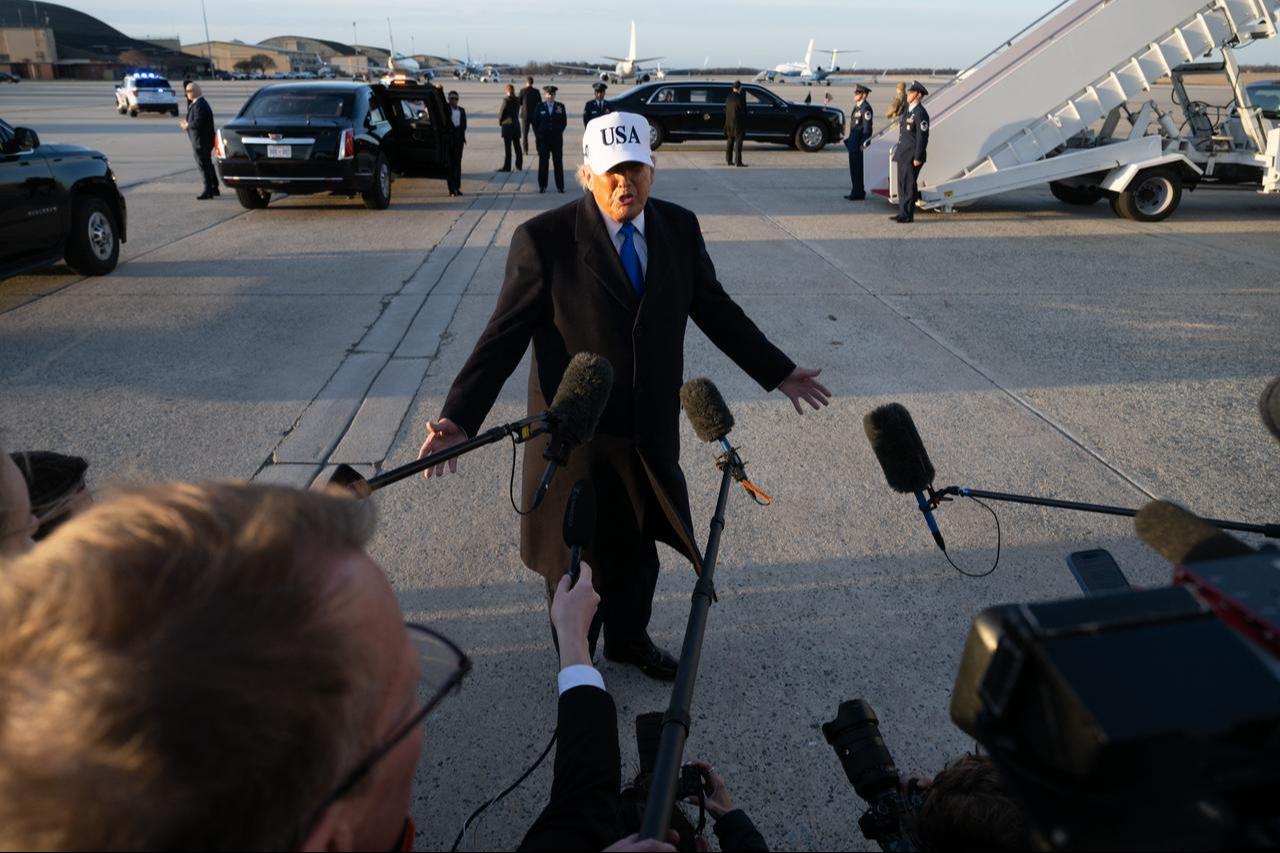
Speaking to reporters before boarding Air Force One at Joint Base Andrews on Friday, Trump stated that U.S. forces scored "very, very big hits" against Iranian targets on Friday.
"The situation in Iran is going very well. A lot of big hits today, a lot of big wins today, as you probably have heard for militarily," he said.
Trump added that Iran's military has been largely dismantled, noting, "Their navy has gone, their air force is gone. Most of their military is gone." He also said Iran's leadership is on its knees after two weeks of strikes. "They've been decimated. Their country is in bad shape, the whole thing is collapsing," he told reporters.
Asked how long the conflict could last, Trump declined to give a timeline but said the campaign is progressing faster than expected.
"I won't give you a time. But we're way ahead of schedule," he said. He earlier told Fox News Radio the war would end "when I feel it, feel it in my bones."

Trump also stated this week in a 27-minute interview with Jake Paul in Hebron, Kentucky, that the United States' mission in Iran is to "wipe out evil," referring to the country's leadership.
"If we didn't attack them, they were going to attack us. And we did it first. It made a big difference," Trump said, suggesting the conflict was inevitable and the U.S. struck preemptively to destroy "thousands of missiles" trained on American and Israeli assets. He added that people have "waited 47 years" for such action against Iran's leadership.
Asked whether U.S. and Israeli objectives differ, Trump suggested they may not be identical. "I think they might be a little different," he said, noting Israel is "a different country than we are."
Trump also confirmed that U.S. Navy escorts for oil tankers passing through the Strait of Hormuz could begin shortly.
"It'll happen soon. Very soon," Trump told reporters when asked about the possibility of naval escorts through the critical waterway.
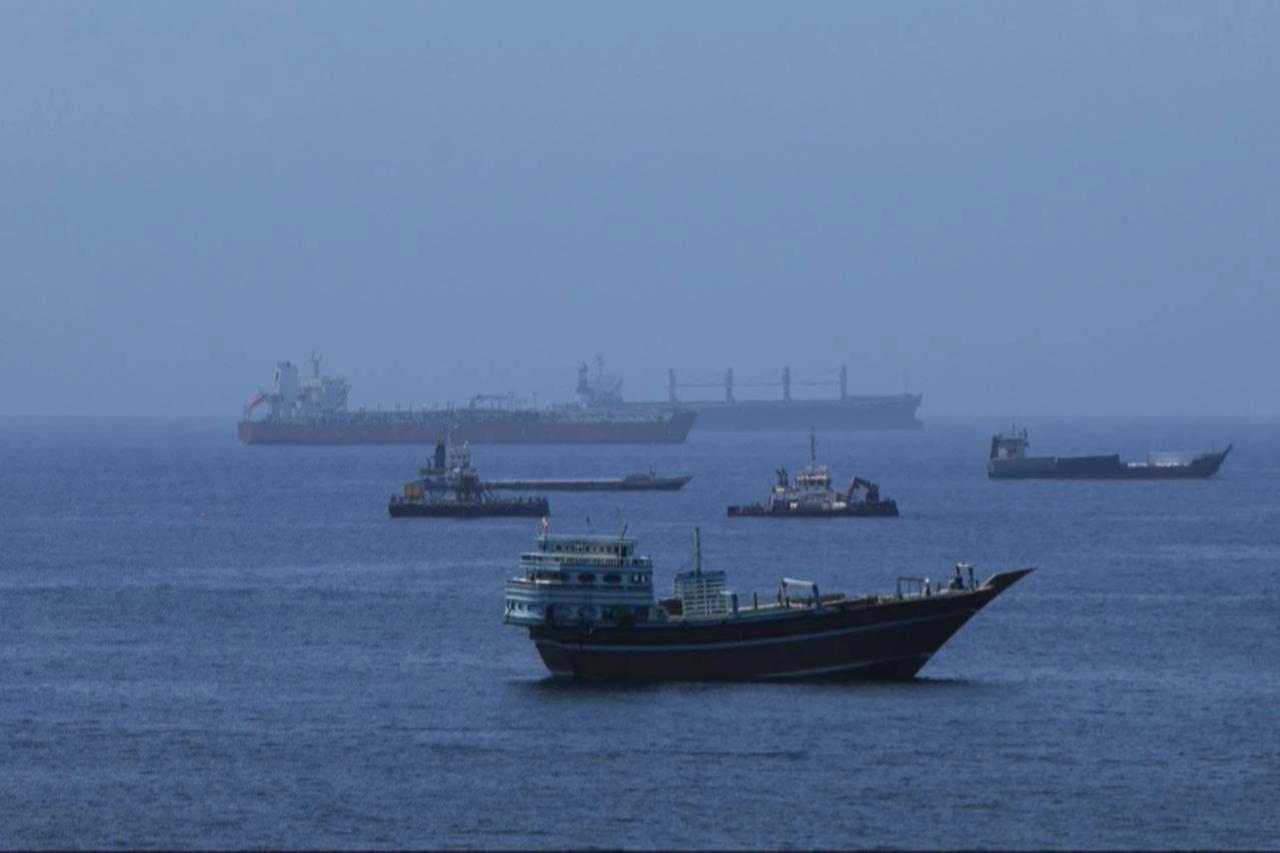
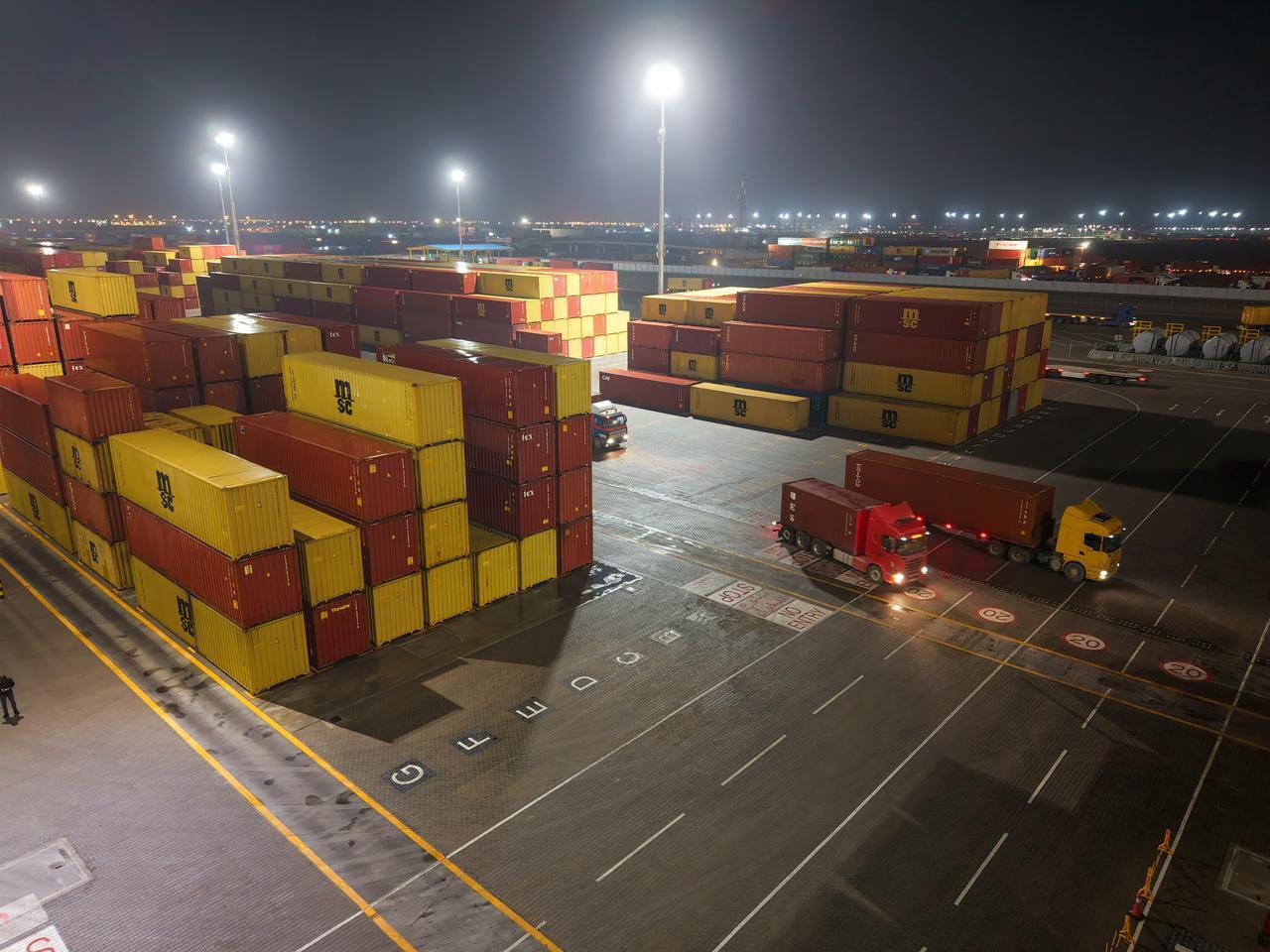
Iran has effectively closed the Strait of Hormuz since around March 1 amid escalating hostilities. Disruptions to shipping have pushed up global oil and fertilizer prices and raised concerns about energy supplies.
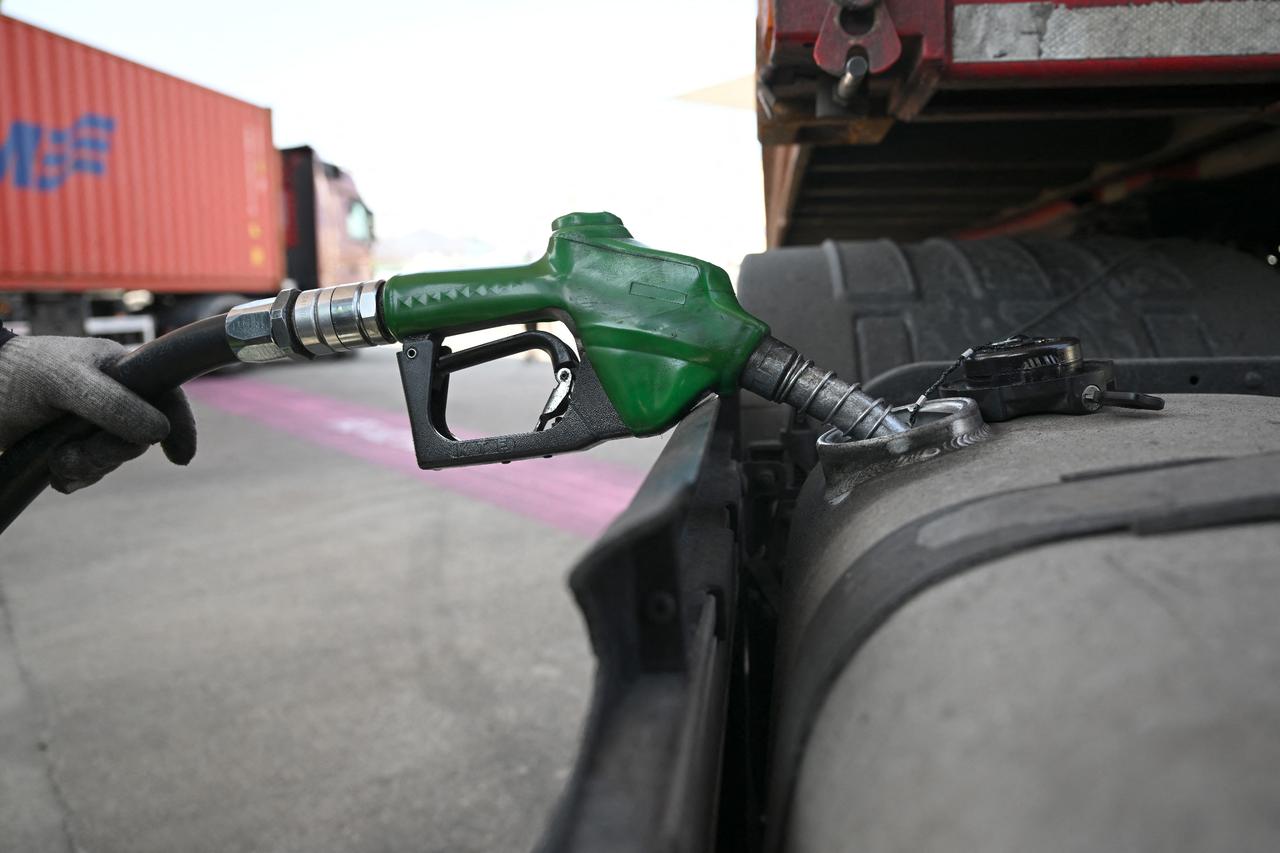
Trump said he expects a "big decrease in the price of gasoline and gas."
In a Truth Social post, Trump said U.S. forces had bombed "every military target" on Kharg Island, a strategic Iranian oil hub located in the northern Gulf.
He warned that the U.S. could also strike the island's oil infrastructure if Iran continues blocking ships from transiting the strait.
Kharg Island serves as the backbone of Iran's oil export system, with roughly 90% to 95% of Iran's crude exports, about 1.7 million barrels per day last year, passing through the island before reaching international markets.
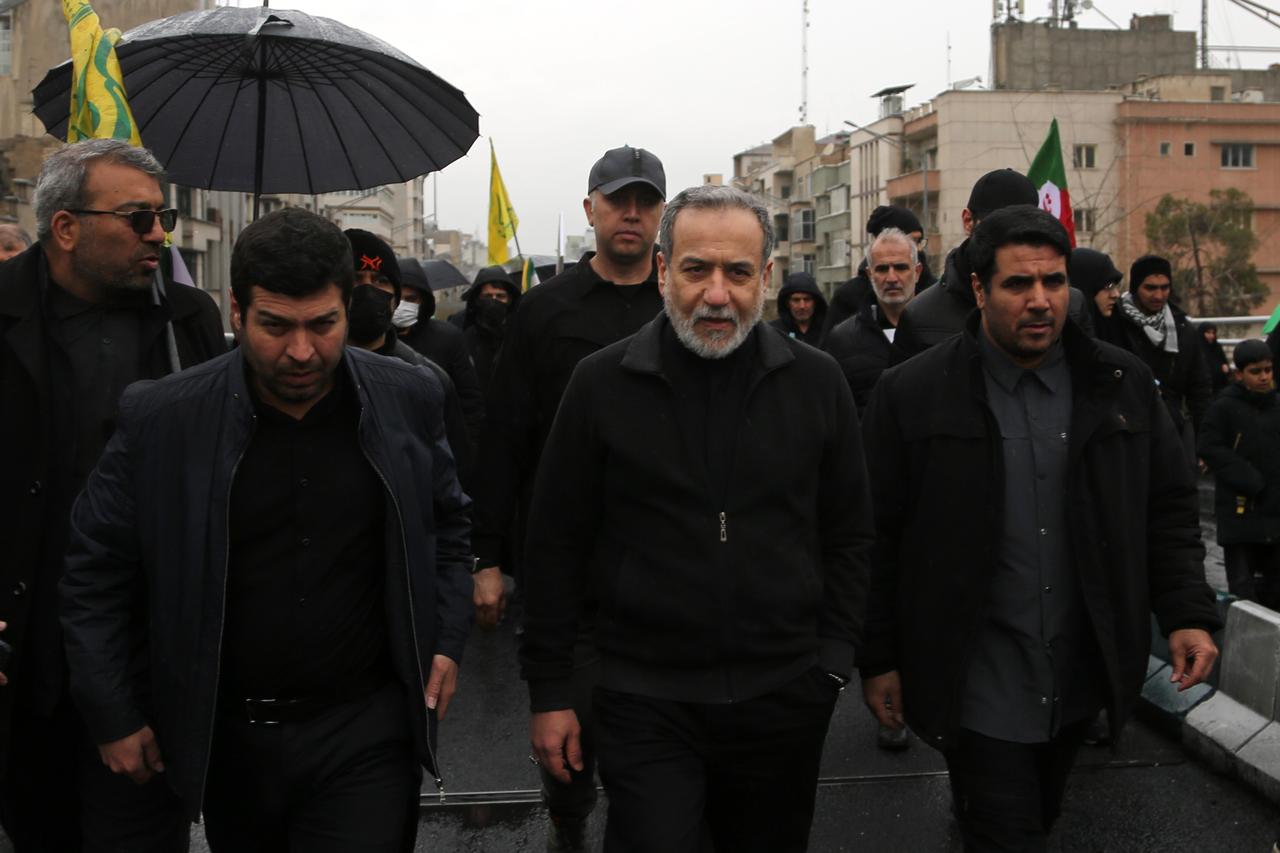
Iranian officials pushed back against Trump's characterization, with several top officials joining the Quds Day march in Tehran on Friday alongside demonstrators waving banners reading "Death to America" and "Death to Israel."
Parliament Speaker Mohammad Bagher Qalibaf ruled out any ceasefire on X, saying: "Certainly, we aren't seeking a ceasefire. We believe the aggressor must be punished and taught a lesson that will deter them from attacking Iran again."
Foreign Minister Abbas Araghchi told PBS News this week that negotiations with Washington are no longer on Tehran's agenda. "I don't think talking with the Americans would be on our agenda anymore," Araghchi said, adding that Tehran had a "very bitter experience" during previous negotiations with the U.S.
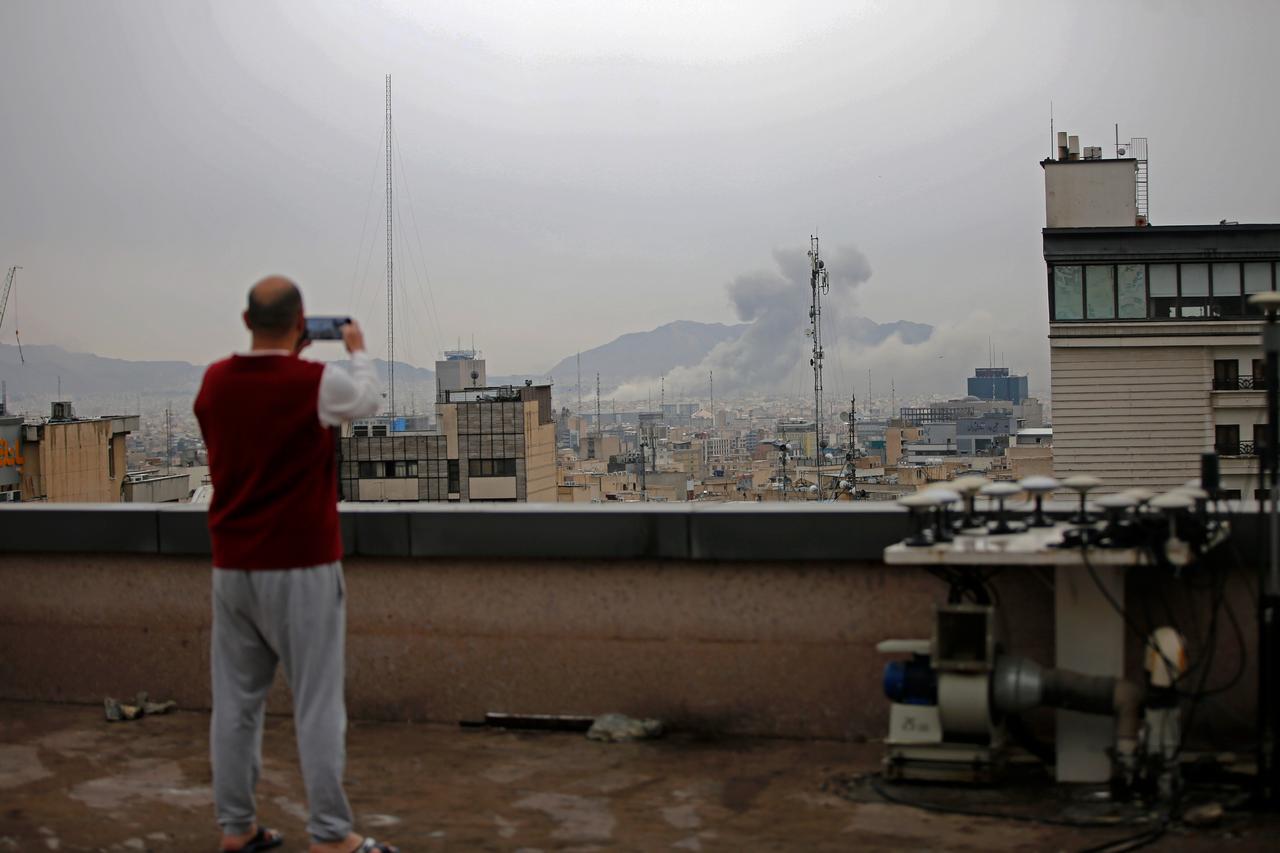
As U.S. strikes on Iran persisted, Tehran launched a new wave of drone and missile attacks on Israel and its Gulf neighbors.
Since Israel and the U.S. launched joint attacks on Iran on Feb. 28, killing some 1,300 people, including then-Supreme Leader Ali Khamenei, hostilities have continued to escalate.
Iran has retaliated with drone and missile strikes targeting Israel, Jordan, Iraq and Gulf countries hosting U.S. military assets.


 Set as preferred source
 Set as preferred source


 2 min read
 1 min read