

 Newsletters


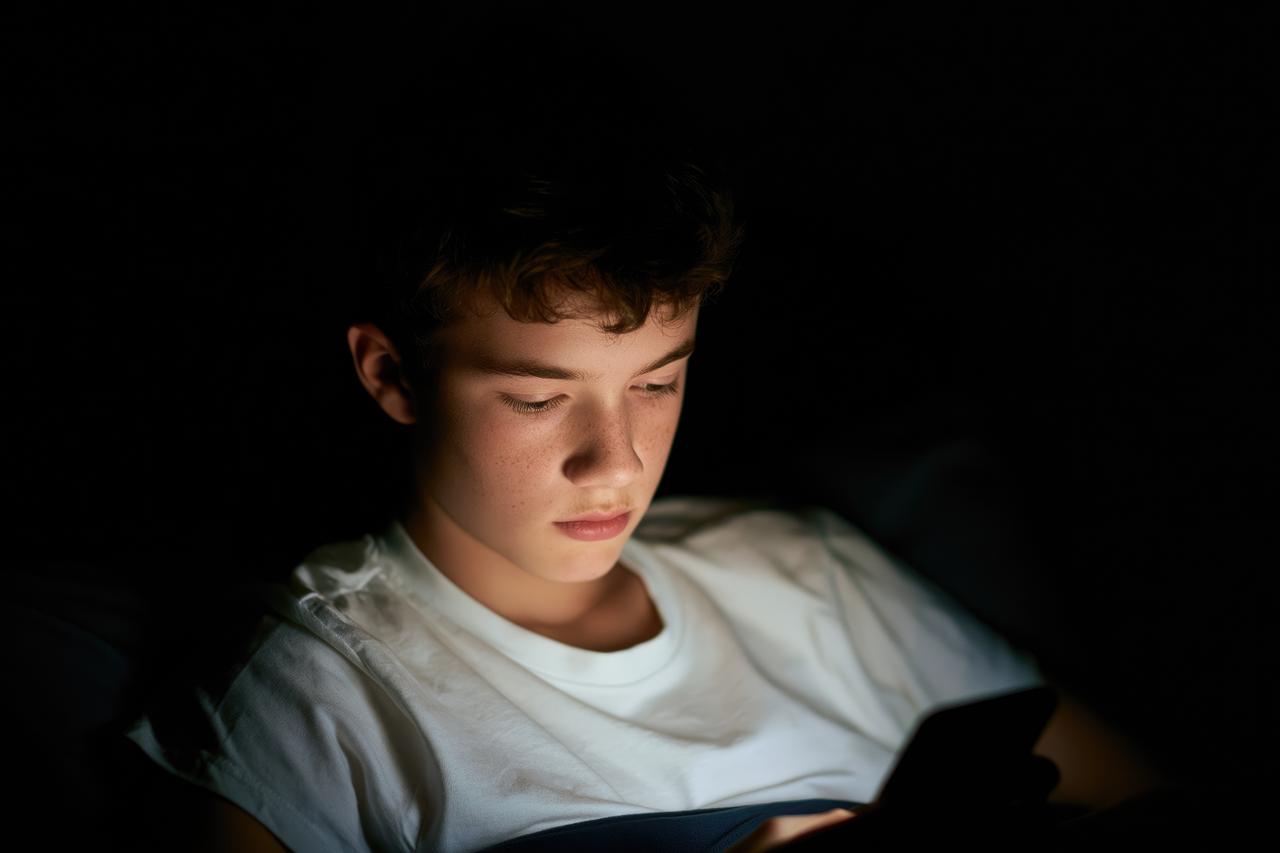


The British government announced a late-night social media restriction for 16- and 17-year-olds on Tuesday, building on Prime Minister Keir Starmer's previous decision to ban social media entirely for children under 16.
Under the new regulations, teenagers aged 16 and 17 will face a platform curfew on apps like Instagram and Facebook between midnight and 6:00 a.m. The government also plans to introduce default settings that disable addictive features like infinite scrolling for older teenagers.
While these settings can be manually turned off by users, critics argue that the voluntary loophole makes the policy ineffective. Furthermore, official enforcement mechanisms remain unclear.
This latest crackdown follows a comprehensive under-16 ban passed last month for platforms like Snapchat, TikTok, YouTube, Instagram, and Facebook, which is scheduled to take effect in early 2027.
Technology Minister Liz Kendall emphasized that while 16-year-olds gain greater independence, they still require protection from highly addictive online features that damage their well-being. She stated that these measures are vital for ensuring young people get adequate sleep, focus on their education, and spend quality time with family and friends.
The newly proposed rules also target artificial intelligence (AI) chatbots, mandating regular, enforced usage breaks for all users under 18.
While several children's charities welcomed the reforms as long-overdue protections, other advocacy groups warned that strict limits might inadvertently drive children toward unsafe, unmonitored areas of the internet.
Global momentum for such restrictions has grown rapidly since Australia became the first nation to ban under-16s from social media last December. Canada and the UAE have announced similar restrictions, while Indonesia began enforcing its own under-16 social media ban in March.
The curfew proposal follows Starmer’s announcement last month, on June 15, outlining a forthcoming total ban on social media for children under 16. Starmer argued that these platforms make children unhappy by exposing them to dangerous content specifically engineered to be addictive.
The under-16 ban will apply to major platforms—including Snapchat, TikTok, YouTube, Instagram, Facebook, and X—but will exempt dedicated messaging services like WhatsApp.
The prime minister aims to pass the legislation by late December, with implementation scheduled for spring 2027. Furthermore, Starmer revealed that the government plans to take world-leading action to regulate gaming services and live-streaming platforms next.


 Set as preferred source
 Set as preferred source


 1 min read
 1 min read


