Newsletters


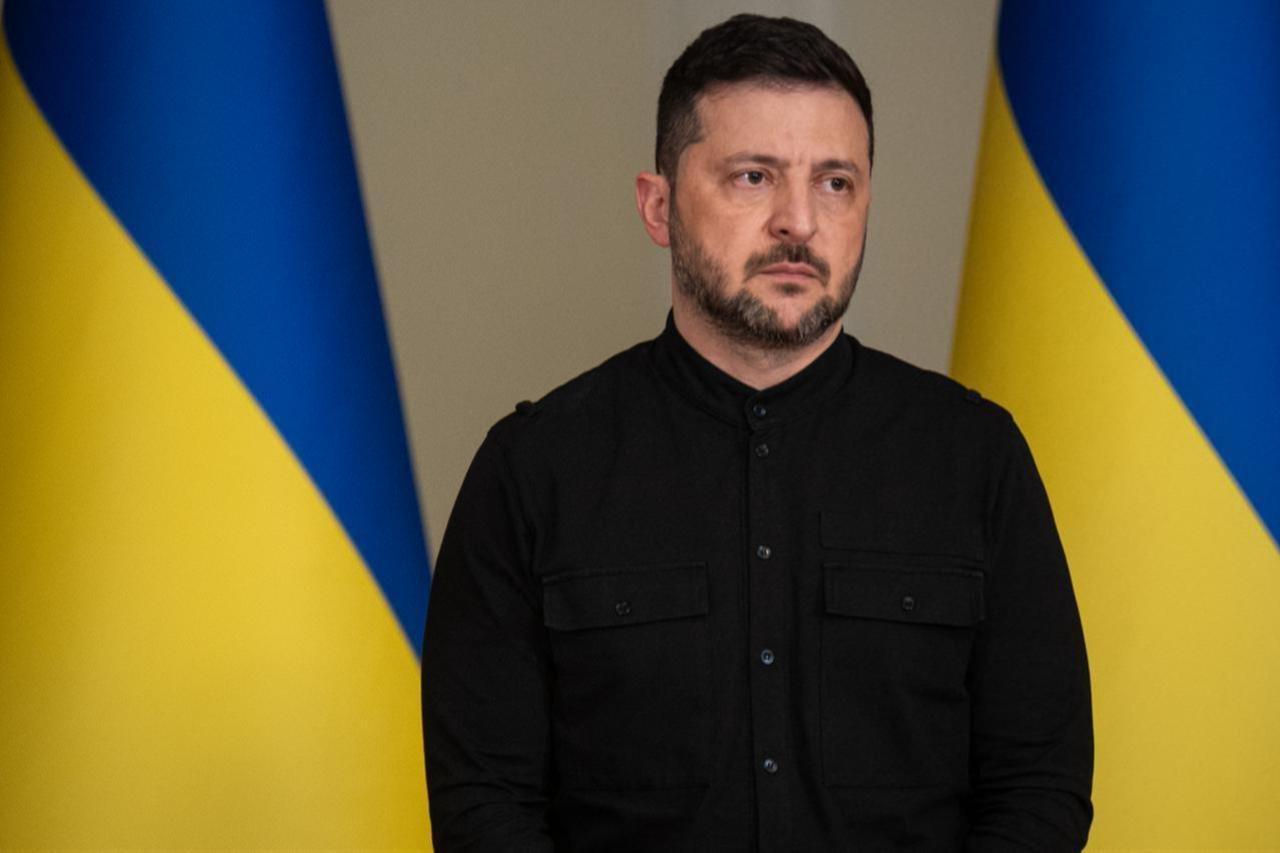


Facing a White House ultimatum that ties American security guarantees to a rapid conclusion of peace talks with Russia, Ukraine has begun preparing for presidential elections and a simultaneous referendum on any peace deal, a dramatic reversal for a government that has long insisted wartime voting is impossible.
The plan, according to Ukrainian and western officials familiar with the matter, is expected to be announced by President Volodymyr Zelenskyy on February 24, the fourth anniversary of Russia's full-scale invasion. It reflects an extraordinary acceleration of diplomatic and domestic timelines driven by Washington's desire to resolve Europe's largest armed conflict since the Second World War before US midterm elections in November.
"They say that they want to do everything by June . . . so that the war ends," Zelenskyy told reporters last Friday, describing the White House's push for a fixed schedule. The Trump administration has indicated that proposed US security guarantees for Ukraine are contingent on broader peace terms, likely including the cession of the Donbas region, being agreed before a May 15 deadline.
The EU's top diplomat, however, pushed back sharply. Foreign policy chief Kaja Kallas said Wednesday that holding elections while the war continues would "definitely not be a good solution," noting that most European countries constitutionally prohibit elections during wartime for good reason. "When you have outside attacks, literally, then you just can't hold elections because your adversary is outside," she said.
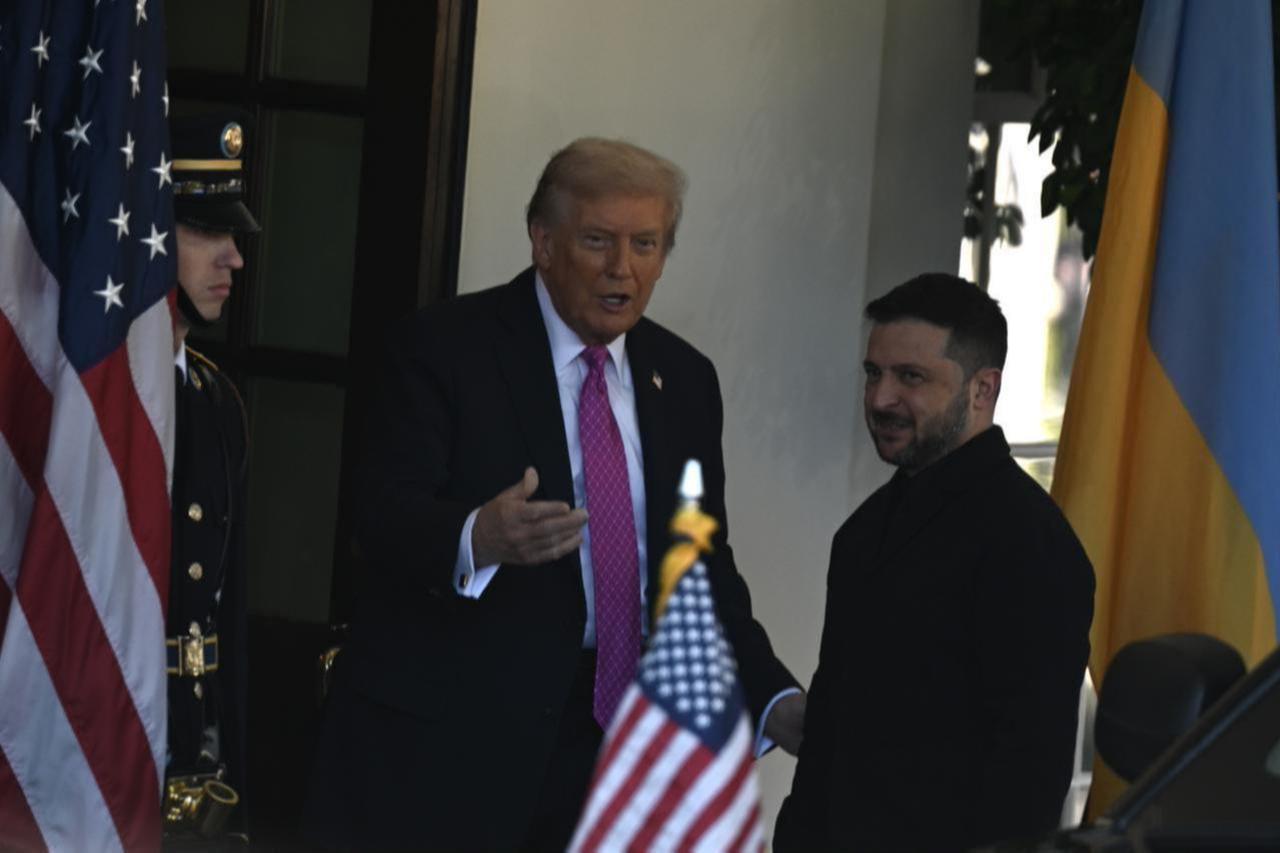

The decision marks a striking pivot for Zelenskyy, who has repeatedly argued that national votes cannot be held while martial law is in effect, millions of citizens are displaced, and roughly 20 percent of Ukrainian territory remains under Russian occupation. His public approval, while still substantial, has eroded from the near-universal levels of early 2022, weighed down by war fatigue and corruption scandals within his inner circle.
People close to the president said he and his team believe this year offers his best chance at re-election in a country that has traditionally not favoured incumbents. Bundling the presidential vote with a peace referendum, officials and election experts noted, would likely boost turnout, a critical factor given that international monitors would need at least half of pre-war registered voters to participate for the result to be widely recognized as legitimate.
"The Ukrainians have this hard idea that it all needs to be bundled with Zelenskyy's re-election," one western official familiar with the planning said.
Zelenskyy's office did not respond to requests for comment. The US embassy in Kyiv also declined to comment.
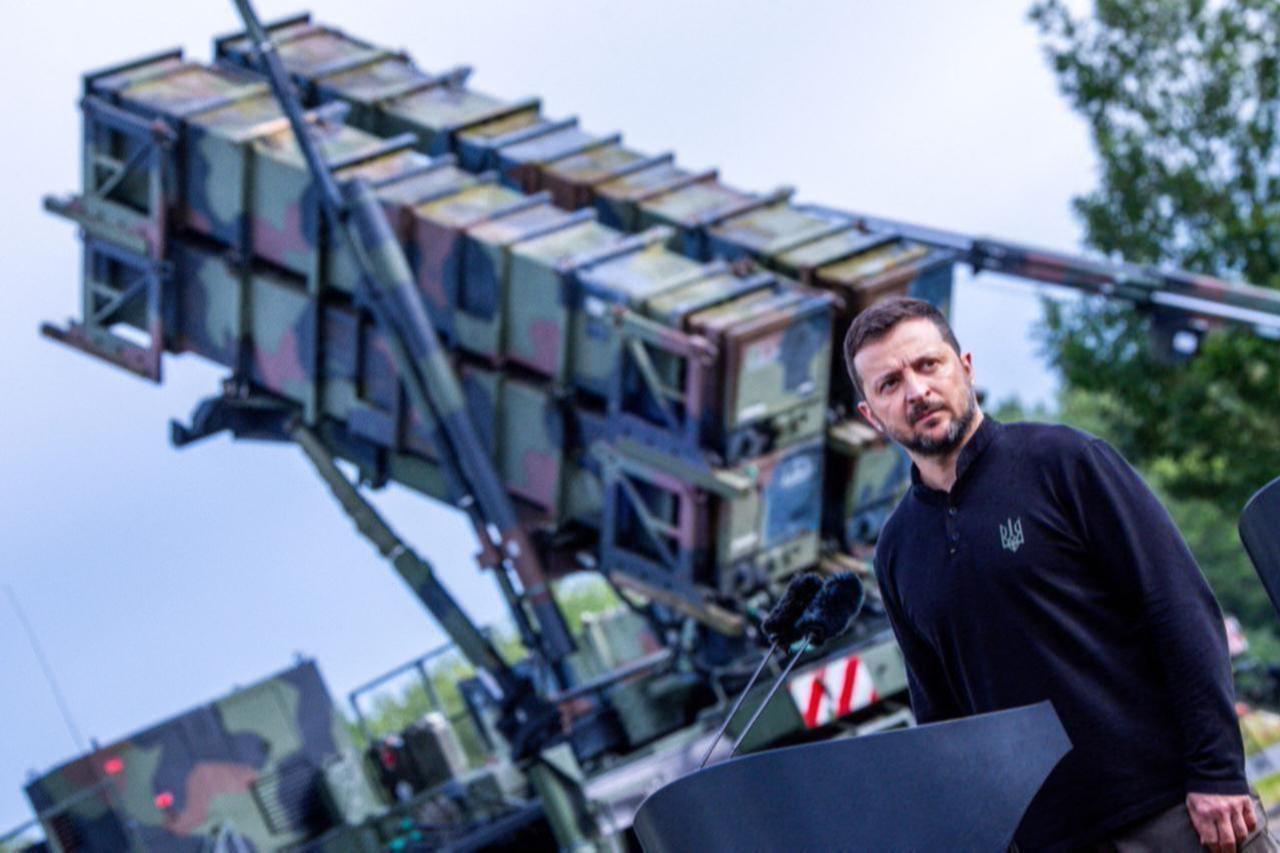
Under the working timeline, Ukraine's parliament would spend March and April enacting the legal changes needed to permit elections under martial law, which currently prohibits national votes during wartime. The compressed schedule has alarmed election experts and political figures alike.
Olha Aivazovska, who chairs the board of OPORA, a Kyiv-based think-tank specializing in democratic governance and electoral reform, called the situation "completely unprecedented." She warned that six months of preparation represents a bare minimum, not an ideal timeline, and that without a ceasefire, Russia could easily disrupt the process. The omnipresence of Russian drones, she said, "puts polling stations across Ukraine under threat."
Kyiv mayor Vitali Klitschko was blunter in his opposition. "Political competition during the war is bad," he told the Financial Times. "We can destroy the country from inside . . . [which is] Russia's goal."
Aivazovska cautioned that a rushed vote could inflict lasting damage. "If we rush this, we will do huge damage to the quality and future integrity of our democratic process," she said. "And it will be seen as illegitimate."
 1 min read
Ukrainian and western officials stressed that both the election timetable and Washington's deadline are unlikely to hold as stated, given how far apart Kyiv and Moscow remain on fundamental questions, above all, control of the Donbas and the Zaporizhzhia nuclear power plant. Zelenskyy has so far resisted calls to concede territory, declaring last week that Ukraine will "stand where we stand."
Russian President Vladimir Putin, meanwhile, has insisted he will continue pursuing maximalist objectives, including seizing the Donbas by force, despite assertions from Trump and his special envoy Steve Witkoff that they believe Putin is ready to negotiate. The timeline could be further disrupted if Russia intensifies strikes on Ukrainian critical infrastructure or its grinding ground offensive in the southeast, where Russian forces are advancing but sustaining enormous casualties.
Kallas reinforced that narrative, rejecting claims that Russia holds the upper hand. "Russia is not winning this war. The casualty rates are surging. Their economy is not doing well," she said, adding that EU defense ministers were discussing further support for Ukraine, including plans to train Ukrainian soldiers on Ukrainian territory at two identified training centers.
The election plan ultimately hinges on whether Zelenskyy can secure a peace agreement he considers fair and defensible before Ukrainian voters, a goal he has long tied to a national referendum to ensure any deal's legitimacy. But the Trump administration has left Kyiv with little room to maneuver, and officials warned that Washington's previous deadlines have come and gone without consequence, leaving the entire enterprise in a state of deep uncertainty.


 Set as preferred source
 Set as preferred source


 1 min read