Newsletters


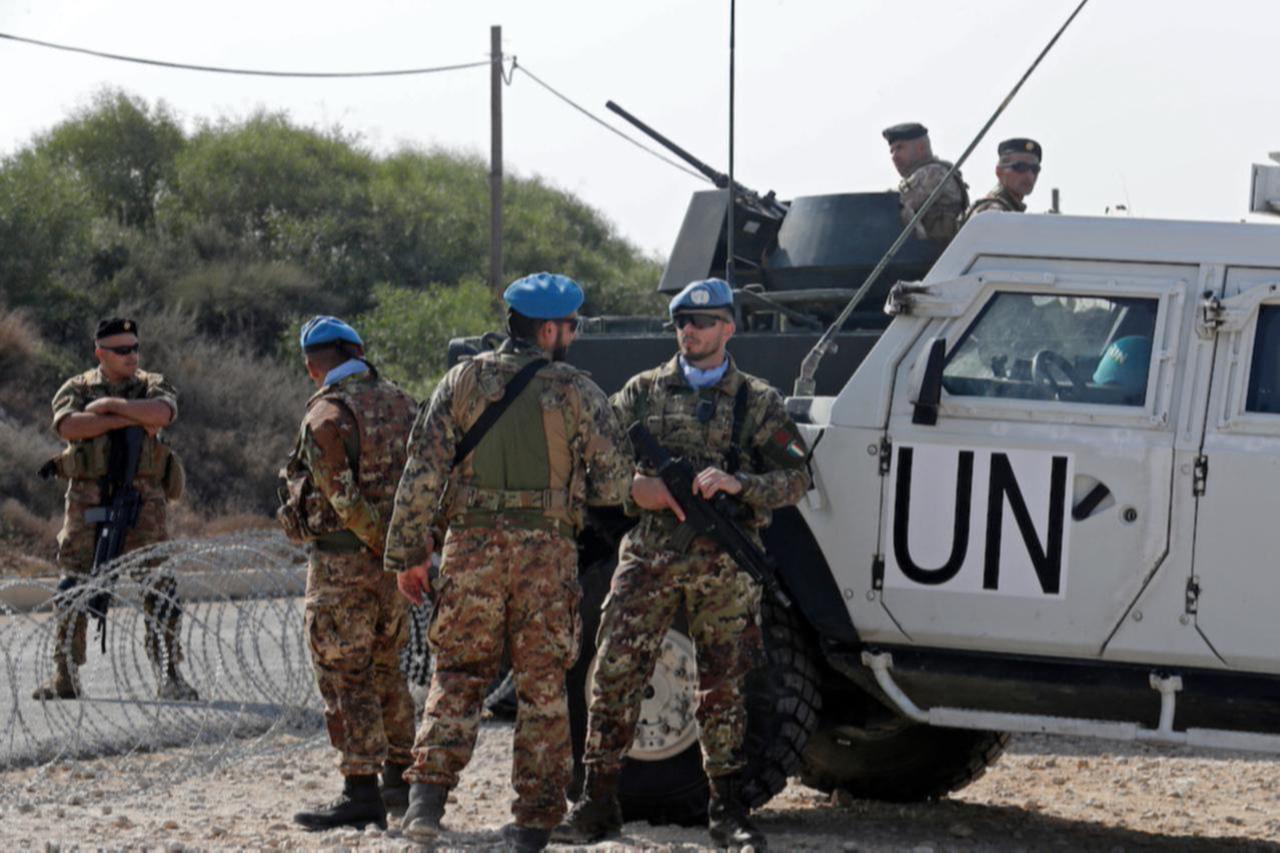


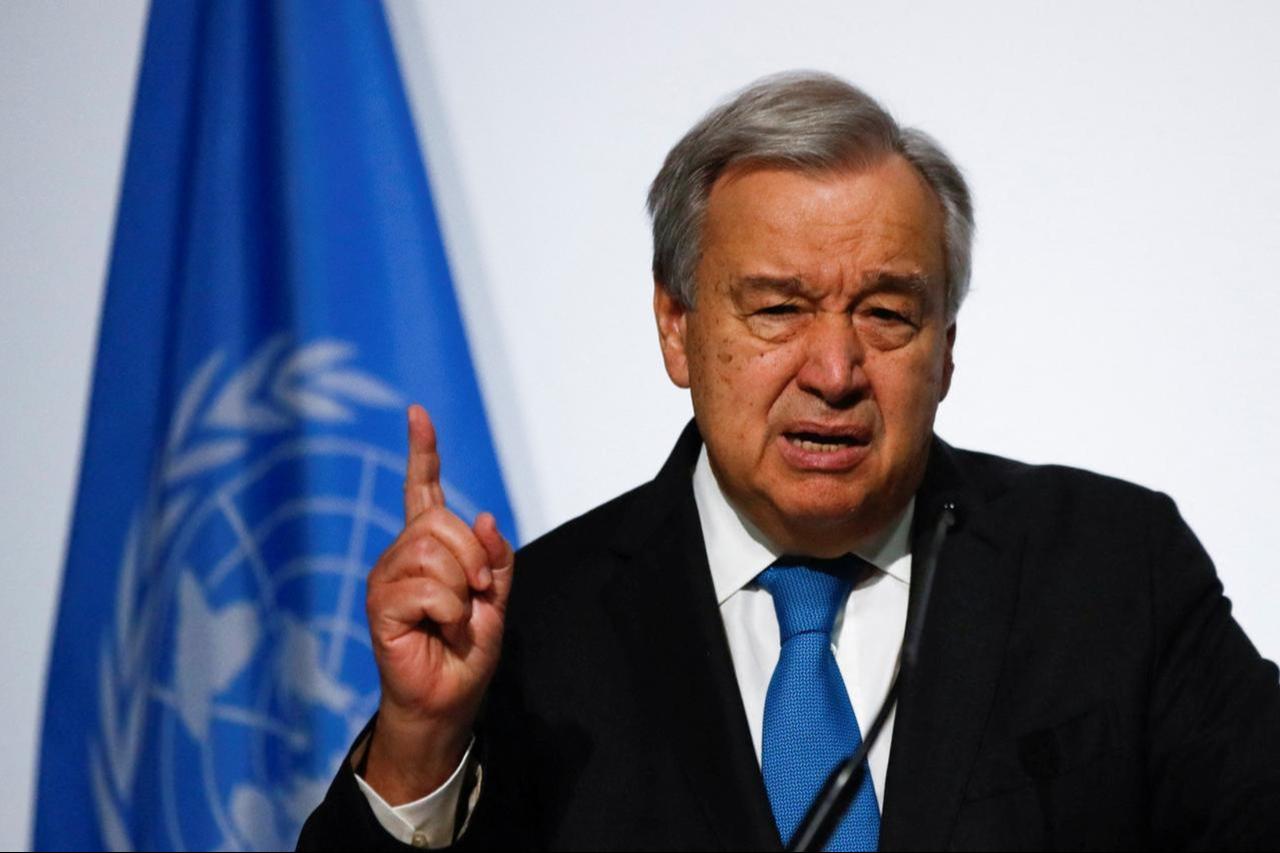
United Nations Secretary-General Antonio Guterres has called for maintaining a UN peacekeeping presence in Lebanon beyond the end of the year, when the mandate of the current mission expires, outlining three possible configurations for a successor force, even as peacekeepers face an increasingly dangerous operating environment marked by repeated attacks from both Israel and Hezbollah.
In a report to the Security Council reviewed by AFP, Guterres presented options ranging from roughly 2,000 to more than 5,500 UN personnel to monitor the ceasefire and support the Lebanese Armed Forces. Under all three scenarios, he argued, a uniformed UN presence would be necessary "towards the overarching objective of a long-term solution to the conflict."

The call for UNIFIL's continuation comes after months of mounting attacks on the mission's personnel and infrastructure. In January, Israeli Merkava tanks fired three shells within 150 meters of UNIFIL peacekeepers near Sarda, with troops tracking the peacekeepers by laser even as they moved away for safety.
UNIFIL said at the time that such attacks on identifiable peacekeepers were becoming "disturbingly common."
The violence intensified in late March. On March 29, an Israeli tank shell struck a known UNIFIL position near Aadchit al-Qusayr, killing one Indonesian soldier and wounding several others.
The following day, two more Indonesian peacekeepers were killed, this time in a convoy explosion the UN attributed most probably to a Hezbollah-planted tripwire device. Three Indonesian soldiers died in total within 24 hours.
Israel later acknowledged its military had fired on the al-Qawzah base as well, saying its troops had been responding to Hezbollah anti-tank fire, and issued an apology.
Spain, meanwhile, formally condemned what it called "continuous and unacceptable" Israeli attacks on UNIFIL positions threatening its own contingent.
In April, a French peacekeeper, Sergeant Florian Montorioum, was killed during a patrol, with French authorities attributing the attack to Hezbollah. A UNIFIL statement warned that attacks by both parties carried out near its positions "could potentially draw return fire," saying it was "extremely concerned" about the risks to its personnel.
The deteriorating security situation unfolds as Israeli troops continue to occupy border areas in southern Lebanon, maintaining five positions and two buffer zones inside Lebanese territory in violation of UN Security Council Resolution 1701.
Israel and Lebanon are also engaged in direct negotiations aimed at ending decades of hostilities, adding diplomatic weight to decisions about the UN mission's future shape.
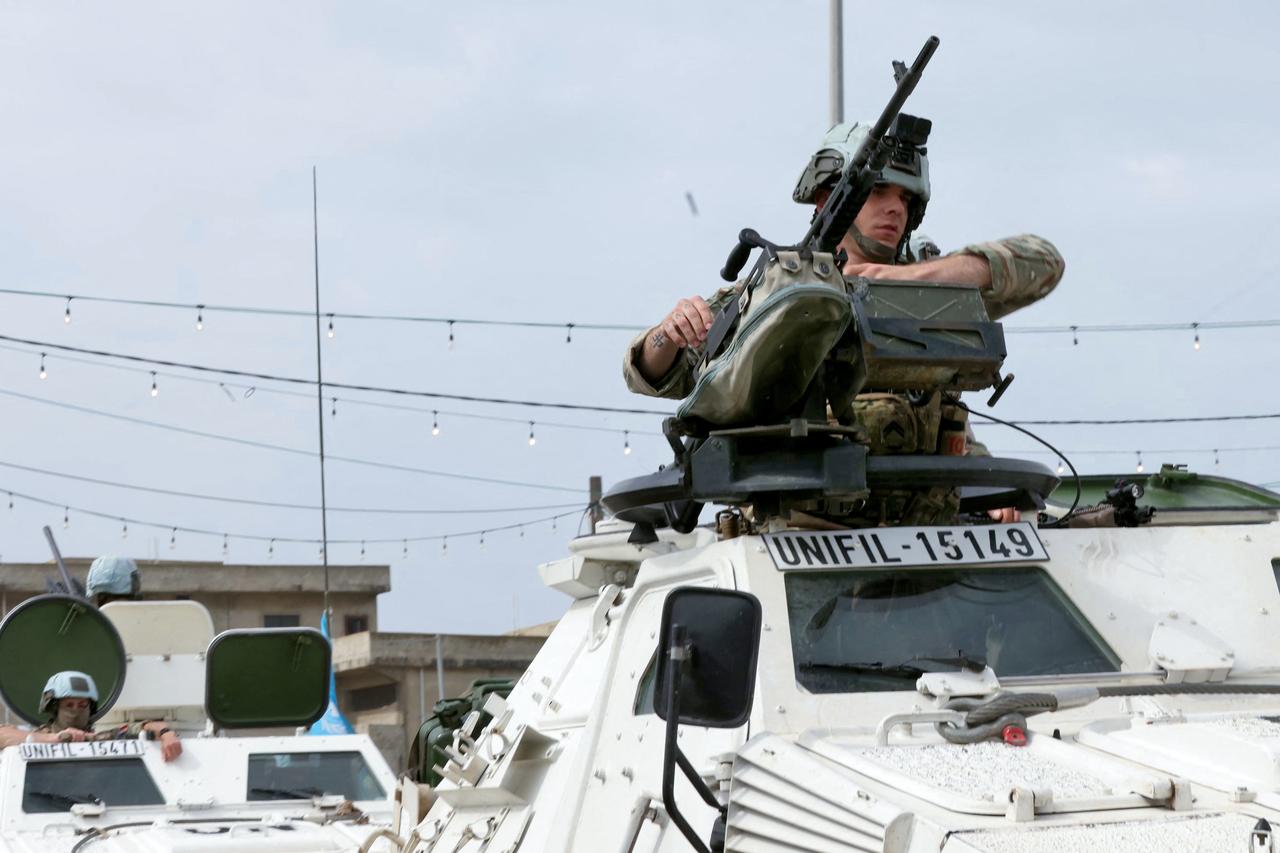
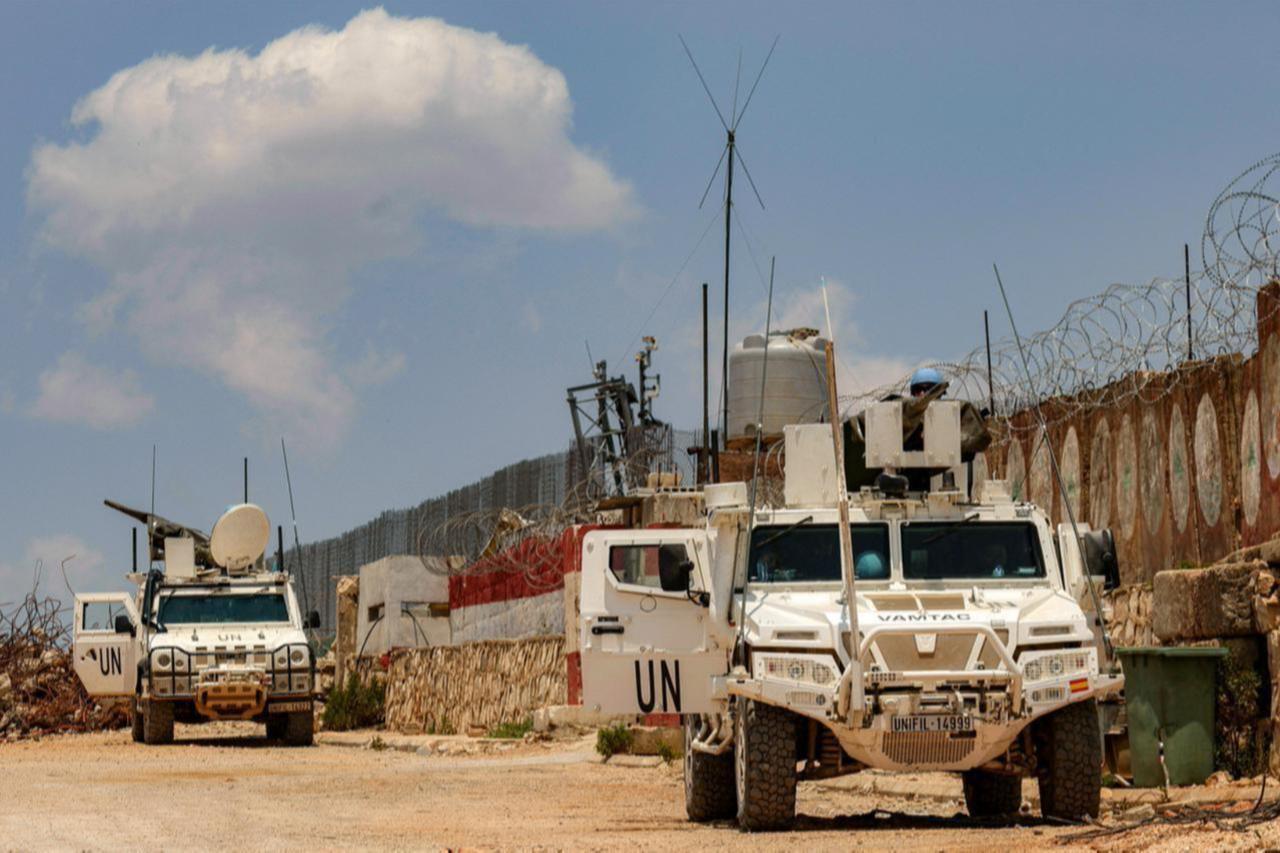
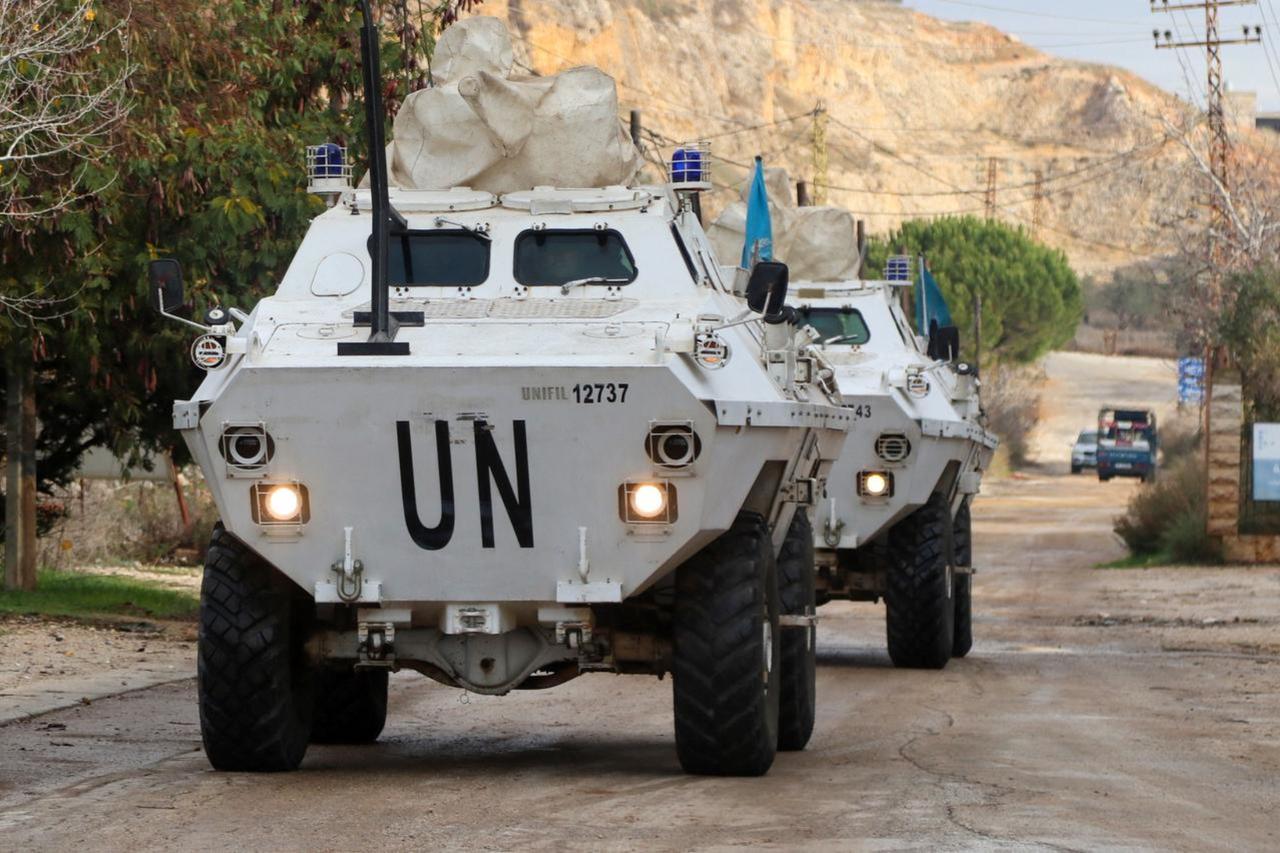
UNIFIL currently deploys approximately 7,500 peacekeepers from nearly 50 countries along the Blue Line, the 120-kilometer de facto border separating Lebanon from Israel. The force has maintained a buffer presence in the south since 1978, though it has not prevented repeated rounds of conflict, including the most recent war between Israel and Hezbollah.
UNIFIL's head of operations noted that the mission's activities have been "heavily constrained and limited" by the security situation on the ground, with Israel damaging roads and erecting roadblocks, and Hezbollah laying landmines on certain routes.
Lebanese officials indicated their country wants to preserve some form of UN engagement after the December 31 deadline. A Lebanese official, speaking anonymously to AFP, said Beirut's preference is for "an international presence under the umbrella of the UN."
A second official described such a force as "crucial," suggesting it could involve "some downsizing or mission changes" relative to the current mission.


 Set as preferred source
 Set as preferred source


 1 min read
 1 min read